2026 Top Heavy Duty Storage Solutions for Global Buyers?

Time:2026-07-21 Author:Sienna
0%

In 2026, the demand for Heavy Duty Storage solutions continues to surge. According to recent industry reports, the global heavy-duty storage market is projected to grow by over 7% annually. This growth reflects an increasing need for reliable and durable storage solutions across various sectors. Companies are striving for efficiency and space maximization in warehouses and distribution centers.

Heavy Duty Storage systems are vital for accommodating diverse products, from industrial equipment to sensitive materials. A study from the Material Handling Industry of America highlights that proper storage can improve operational efficiency by 30%. However, not all solutions are equal; businesses must reflect on their unique needs. Some may invest in high-quality racks, while others might overlook essential requirements like load capacity and layout optimization.

As global buyers explore options, understanding the subtleties of Heavy Duty Storage is crucial. There is a fine line between cost-effectiveness and quality. Many buyers may prioritize the lowest price, only to face challenges later. Reflecting on this aspect is essential for sustainable growth in the ever-evolving storage landscape.
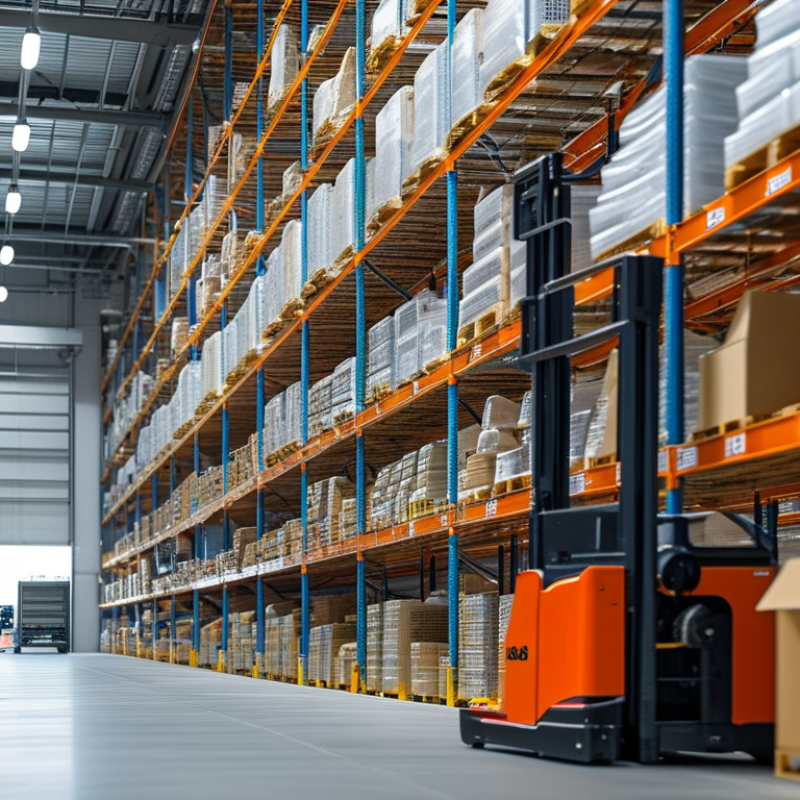
2026 Top Heavy Duty Storage Solutions for Global Buyers?

Top Trends in Heavy Duty Storage Solutions for 2026

As we approach 2026, heavy-duty storage solutions are evolving. Global buyers seek innovations that enhance efficiency and durability. Organizations prioritize maximizing available space while ensuring safety and accessibility.

One trend is modular designs. These adaptable solutions allow customization based on specific needs. Buyers can reconfigure storage units as their requirements change. This flexibility is crucial in dynamic industries like logistics and manufacturing.

Investing in robust materials is essential. Metal and heavy-duty plastics withstand wear and tear effectively. Consider solutions that offer both strength and lightweight properties.

**Tips:** Always assess the weight capacity of storage systems. Verify the durability of materials used. Regularly inspect your storage setups for potential wear. Ensuring proper maintenance helps avoid unexpected failures. Expanding your storage options can lead to improved workflow efficiency.

2026 Top Heavy Duty Storage Solutions for Global Buyers

Storage Type Load Capacity (kg) Material Application Area Trend Indicator
Industrial Racking 3000 Steel Warehouse High Demand
Heavy Duty Shelving 1500 Metal Retail Growing Trend
Pallet Racking 1000 Galvanized Steel Logistics Stable
Tool Storage Cabinets 500 Mild Steel Manufacturing Increasing
Modular Storage Systems 2000 Plastic/Aluminium Automotive Emerging

Key Features to Consider in Heavy Duty Storage Systems

When choosing heavy-duty storage solutions, there are several key features to consider. Strength and durability are paramount. The materials should withstand significant weight and stress. Look for options that utilize high-grade steel or heavy-duty polymers. These materials ensure longevity, even in challenging environments.

Another vital aspect is adjustability. Systems that can adapt to various configurations offer flexibility. This is crucial for businesses with fluctuating inventory levels. Being able to modify shelves or racks can optimize space and improve organization. It might be worth noting that not all designs facilitate easy adjustments, which can lead to wasted space.

Additionally, safety features should not be overlooked. Integrated safety measures protect both employees and stored items. Anti-tip mechanisms can help prevent accidents in high-stacking scenarios. However, some systems may lack these features, raising concerns during heavy use. Reflecting on these elements can improve your storage decisions significantly for your organization.

Popular Materials Used in Heavy Duty Storage Solutions

When choosing heavy-duty storage solutions, the materials used play a crucial role. Steel is a popular choice. It offers strength and durability. Additionally, aluminum is lightweight yet robust. It is often used where mobility is key. Composite materials are also gaining traction. They provide resistance to corrosion and impact.

Tips for selecting the right material include considering the storage environment. For humid areas, resistant materials will prolong lifecycle. Storage temperatures can also impact durability. Sometimes, it’s wise to consult a professional before making a final decision. They can provide insights based on experience.

One has to reflect on the specific needs for storage solutions. Customized solutions may be necessary. Not all materials will perform well in every application. It’s important to evaluate all options. Each material has its strengths and weaknesses. Taking the time to do so can lead to improved operational efficiency.

Global Buyers' Preferences: Customization and Scalability

In the fast-evolving landscape of heavy-duty storage solutions, customization plays a pivotal role. Global buyers increasingly seek tailored options that fit unique operational needs. This approach allows businesses to maximize their storage efficiency while ensuring a perfect match with their workflows. Vast warehouses and small spaces alike benefit from adaptable solutions that can evolve as requirements change.

Scalability is another critical factor for buyers. Storage needs can fluctuate due to seasonality or project demands. Therefore, the ability to adjust storage capacity effortlessly is essential. Companies desire systems that grow with them, saving costs in the long run. However, not all storage solutions provide this flexibility. Some systems fail to deliver on their promises, leading to operational challenges.

Customization and scalability drive the decision-making process. Buyers often face dilemmas about the right balance between standard offerings and tailored designs. Exploring this balance can reveal insights into their long-term storage strategy. It is crucial to evaluate not only the features but also the potential drawbacks of customized solutions. Missteps in choosing storage options can lead to unnecessary expenses and inefficiencies.

Sustainability Practices in Heavy Duty Storage Manufacturing

Sustainability has become crucial in heavy duty storage manufacturing. Many companies now focus on reducing waste and utilizing eco-friendly materials. This shift involves adopting responsible sourcing practices and ensuring that products are designed for longevity. Sustainable practices not only benefit the environment but also enhance the brand's reputation.


In recent years, the emphasis on energy-efficient production methods has grown. Manufacturers are exploring renewable energy options in their facilities. Innovations such as solar panels and wind energy contribute to lower carbon footprints. However, some challenges remain. Transitioning to sustainable practices can be costly and complex. Smaller companies often struggle to implement these changes effectively.


There's a need for ongoing education in this field. Sharing best practices can help overcome the barriers to sustainability. Collaboration across the industry can foster innovation. As the market evolves, the focus on sustainable heavy duty storage solutions must continue to grow. Thoughtful reforms are essential to ensure long-term success.

FAQS

: What materials should I look for in heavy-duty storage systems?

: High-grade steel or heavy-duty polymers are ideal. These materials ensure strength and durability.

Why is adjustability important in storage systems?

Adjustable systems allow flexibility for varying inventory levels. This can optimize space and improve organization.

Are safety features important in heavy-duty storage?

Yes, safety features protect employees and items. Anti-tip mechanisms especially are crucial in high-stacking scenarios.

What are some sustainability practices in storage manufacturing?

Companies focus on reducing waste and using eco-friendly materials. Responsible sourcing is vital.

How do energy-efficient methods matter in this field?

They reduce carbon footprints. Solar panels and wind energy are popular options among manufacturers.

What challenges do smaller companies face with sustainability?

Implementing sustainable practices can be costly and complex. This poses barriers for smaller organizations.

Why might some storage designs waste space?

Not all designs allow for easy adjustments. This can lead to inefficient use of available space.

How can education play a role in sustainability?

Ongoing education can overcome barriers. Sharing best practices helps foster innovation in the industry.

Conclusion

As we look ahead to 2026, the market for Heavy Duty Storage solutions is evolving with significant trends that cater to the needs of global buyers. Key features in these systems include enhanced durability, modular designs, and easy accessibility, which are essential for optimizing warehouse efficiency. A growing emphasis on customization and scalability allows businesses to adapt their storage solutions to meet fluctuating demands and space constraints.

Furthermore, the choice of materials used in Heavy Duty Storage solutions is shifting towards more sustainable options, aligning with broader environmental goals. Manufacturers are increasingly adopting eco-friendly practices, ensuring that production processes minimize waste and energy consumption. This focus on sustainability not only attracts environmentally conscious buyers but also contributes to long-term operational efficiency. Overall, the future of Heavy Duty Storage solutions promises innovative designs and practices that meet the diverse needs of buyers worldwide.

Sienna

Sienna

Sienna is a skilled marketing professional with a deep expertise in our company’s core products and services. With a passion for innovation and detail, she plays a pivotal role in crafting insightful blog posts that not only highlight the unique features of our offerings but also provide valuable......