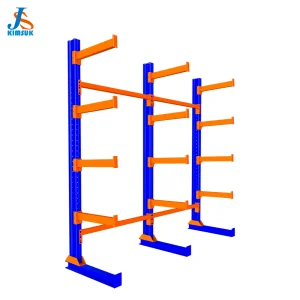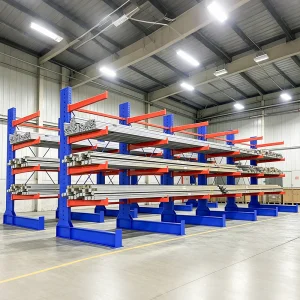
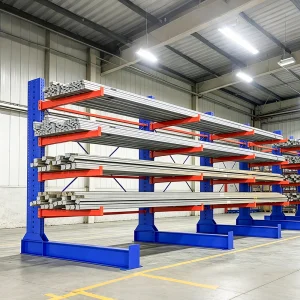
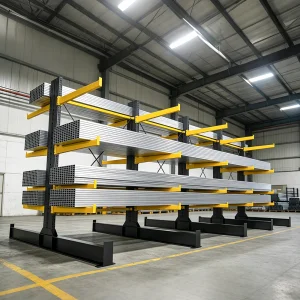


In modern industrial storage design, maximizing space utility while handling irregular, heavy loads is a complex engineering challenge. Standard pallet racks often fall short when dealing with long, continuous items such as structural tubing, steel profiles, bar stock, lumber, and heavy industrial rolls. This is where structural cantilever racking acts as a critical link in supply chain throughput.
By eliminating the front upright columns characteristic of selective pallet racks, cantilever configurations provide an uninterrupted linear storage face. This optimizes material flow, simplifies crane or forklift access, and prevents load deflection over unsupported spans. From an operations perspective, the ROI of structural cantilever systems lies in reduced mechanical handling damage, increased vertical warehouse storage density, and significantly reduced retrieval times.
Engineered using hot-rolled structural steel sections or heavy gauge cold-rolled sections designed to handle dynamic and heavy loads without deformation.
Precision-punched vertical upright columns allow arms to be adjusted at consistent intervals to support changing stock keeping units (SKUs).
No front columns block your path. This allows safe, quick access by overhead cranes, standard reach trucks, or heavy-duty side loaders.
As the international manufacturing sector rebounds and global supply chain networks expand, space optimization has evolved from a simple logistics concern into a core competitive metric. According to global logistics data, space utilization efficiency can affect warehouse operating costs by up to 22%. In regions like North America and Europe, rising industrial land values have made vertical space expansion a primary design requirement.
In addition, construction and manufacturing facilities worldwide are adopting automated and semi-automated material handling setups. High-density storage yards storing pipeline materials, aluminum profiles, heavy timber, and sheet metals need rugged cantilever solutions that integrate with automated side-loaders and guided vehicles (AGVs). As dynamic storage capacities grow, raw material yards and distribution hubs must focus on safety, standard compliance (such as RMI/ANSI specifications in the US, and EN norms in Europe), and durable surface treatments like hot-dip galvanizing for harsh outdoor environments.
“Adapting warehouse layouts to accommodate cantilever systems is no longer just about buying shelving—it is about structural integrity, load distribution analysis, and long-term storage safety.”
Three main trends are shaping the future of industrial cantilever racking:
Years Racking Experience
Annual Export Value
Modern Factory Area
Supply Chain Partners
A forward-looking view of how industrial racking interfaces with smart logistics, automated picking, and intelligent load sensor arrays.
Moving from static design calculation to dynamic finite-element analysis (FEA). This simulates actual operational stresses, arm load variations, and seismic loads to prevent mechanical failure.
Expanding the use of mobile cantilever bases. By placing rack structures on motorized runners controlled by WMS systems, aisles open only when requested, doubling storage capacity in the same footprint.
Integrating real-time deflection sensors within the cantilever arms. These sensors alert warehouse managers of dynamic load shifts or structural overloads, improving worker safety.
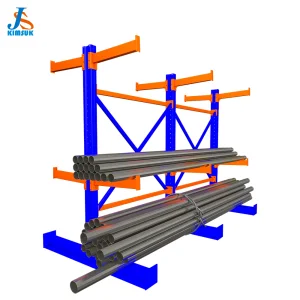
Handling heavy structural steel beams, channels, and metal bars requires high-capacity rack designs. Our structural-grade hot-rolled steel H-beam profiles offer heavy load ratings per arm.
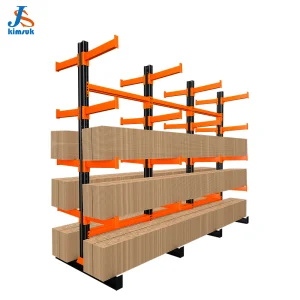
Lumber packs and wood panels are prone to sagging and damage if unsupported. Adjusting the arm spacing distributes load pressure, protecting your timber stock.
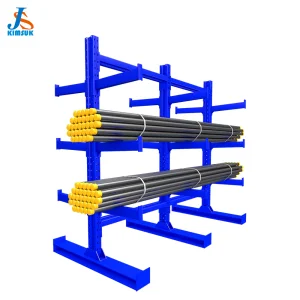
For custom manufacturing facilities, storing tooling components, profiles, and industrial rods near work areas is essential. Cantilever racks keep these supplies organized and easy to access.
Established in 2016, Shenzhen Kimsuk Storage Equipment Manufacturing Co., Ltd. specializes in the design, manufacturing, and global supply of high-quality warehouse storage equipment. Operating a modern factory area of 18,500㎡, we provide professional storage solutions for warehouses, factories, logistics centers, and industrial applications worldwide.
With an annual export revenue of approximately $12 million and 8 years of export experience, Kimsuk has accumulated more than 14 years of industry experience in warehouse racking and storage equipment manufacturing. Our comprehensive product portfolio includes pallet racks, heavy-duty racks, cantilever racks, mezzanine floors, shelving systems, and fully customized industrial storage solutions.
We work with more than 850 supply chain partners, allowing us to maintain access to reliable raw materials, support efficient production capacity, and deliver competitive solutions. Our customers include logistics companies, e-commerce warehouses, manufacturing enterprises, retail distributors, third-party logistics providers (3PL), and industrial project contractors.
Kimsuk maintains strong research and development capabilities, supported by an experienced engineering team focused on product innovation and structural optimization. We offer comprehensive customization options, including specific rack dimensions, load capacities, custom colors, layouts, material grades, and complete warehouse layouts.
In the past year, we launched more than 120 new products and improved existing storage systems to meet changing market demands. Our R&D department consists of 18 professional engineers specializing in storage equipment design, product development, and customized engineering solutions.
To ensure high quality, we implement strict inspection procedures throughout the production process. Our quality control system includes raw material inspection, welding quality checks, surface treatment inspection, dimensional accuracy testing, load-bearing tests, and final product performance evaluation. Each batch undergoes professional inspection using laser measurement tools, load testing machines, coating thickness gauges, and precision measuring instruments, overseen by our experienced team of 45 quality inspectors.
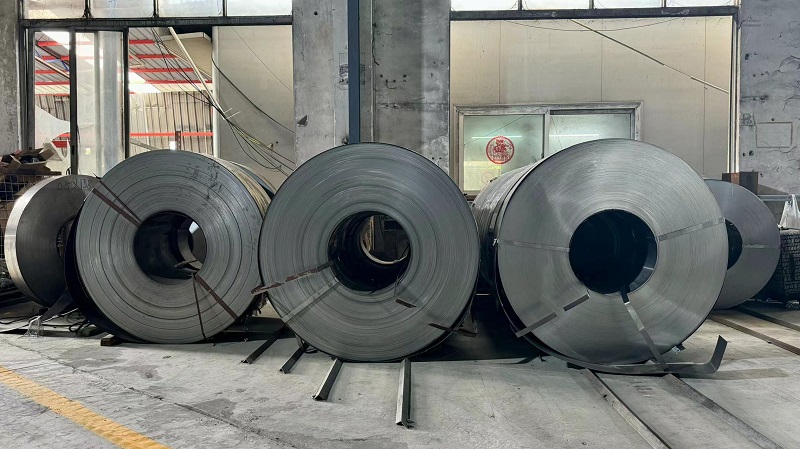
Strict selection of certified structural and roll-formed steel sheets to guarantee basic loading capacity and structural resilience.
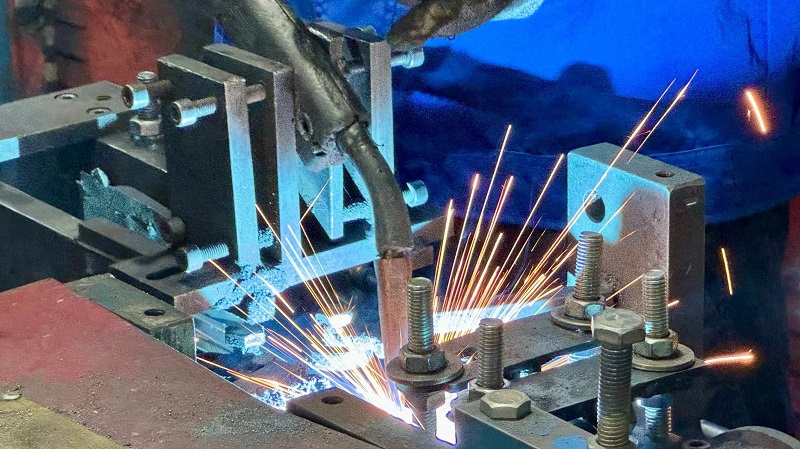
High-precision stamping molds shape structural components under strict tolerance limits.
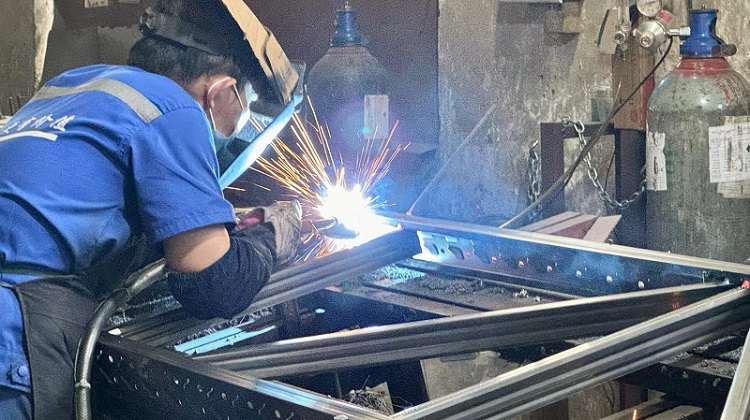
Reinforced automated and manual welding techniques ensure load joints handle heavy stresses without failure.
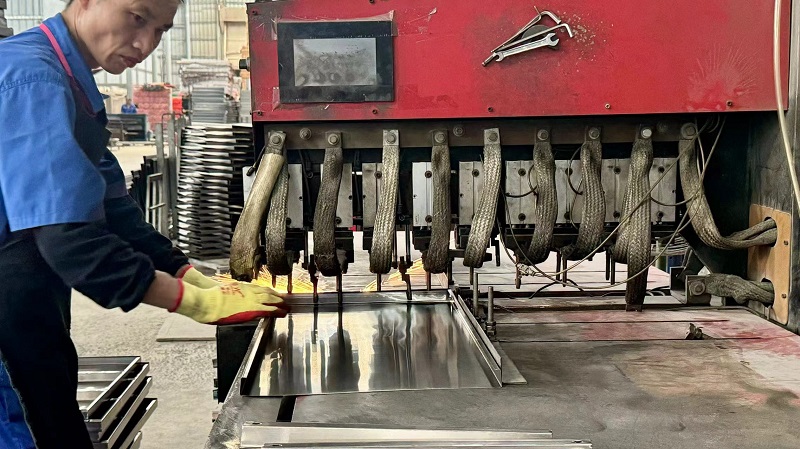
Precise vertical CNC multi-hole punching allows accurate pitch configuration and reliable arm placement.
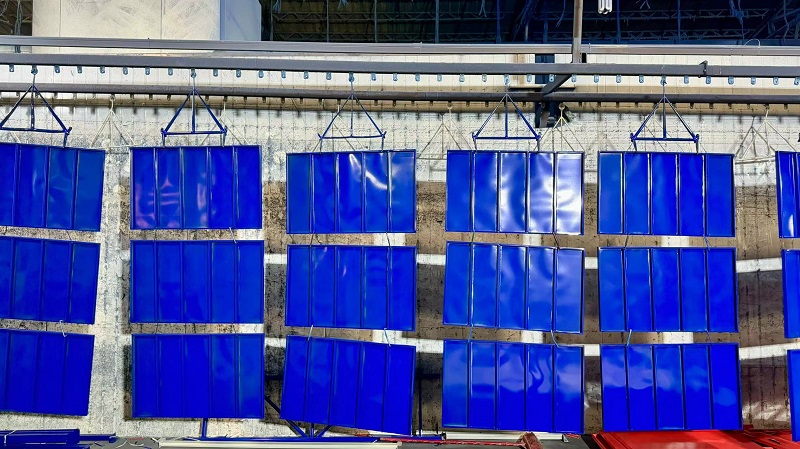
Electrostatic powder coating lines apply a durable, scratch-resistant protective layer to the steel components.
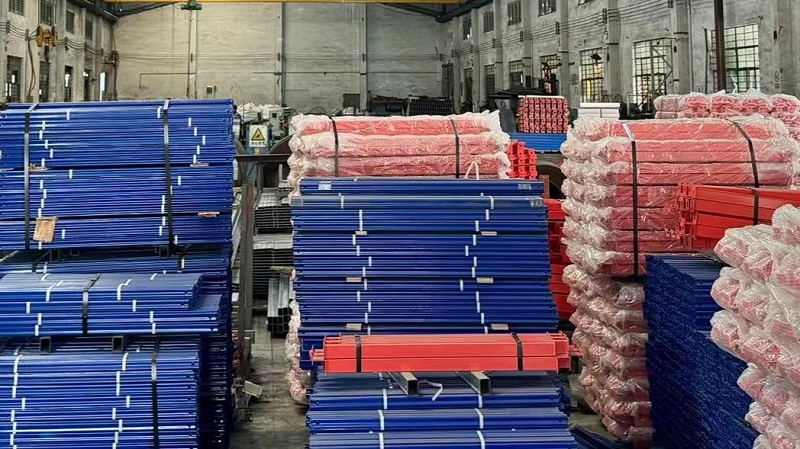
Robust export-ready packaging protects frames, columns, and arms from damage during shipping.
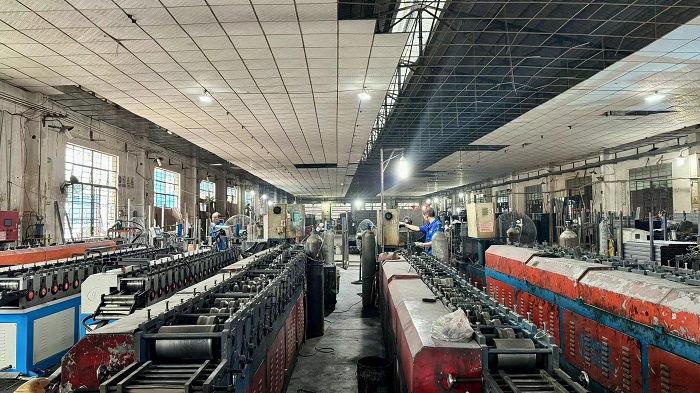
Heavy-duty, high-tonnage press lines process thick-gauge steel profiles with consistent precision.
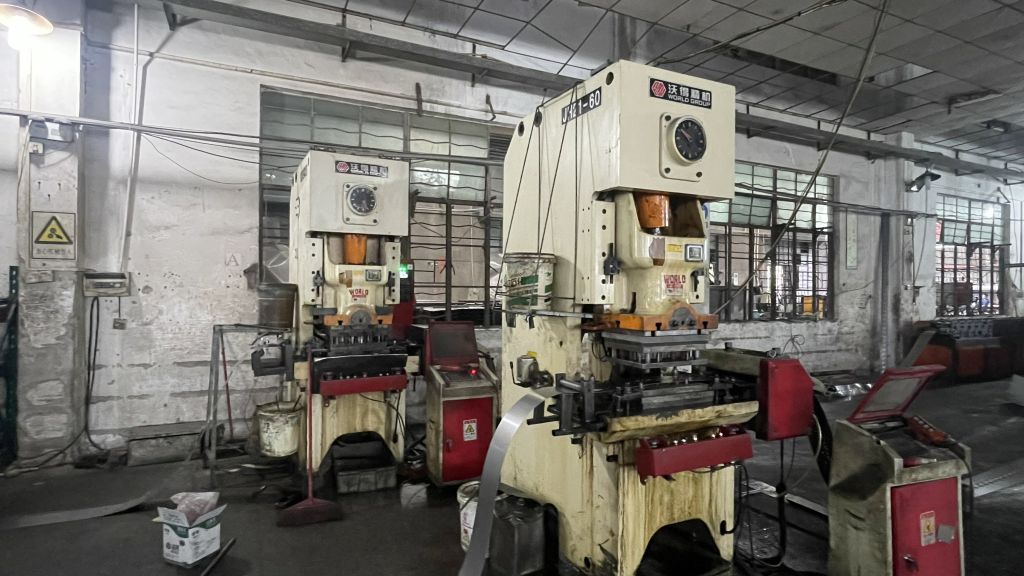
High-efficiency equipment designed to punch clean connector holes in upright columns.
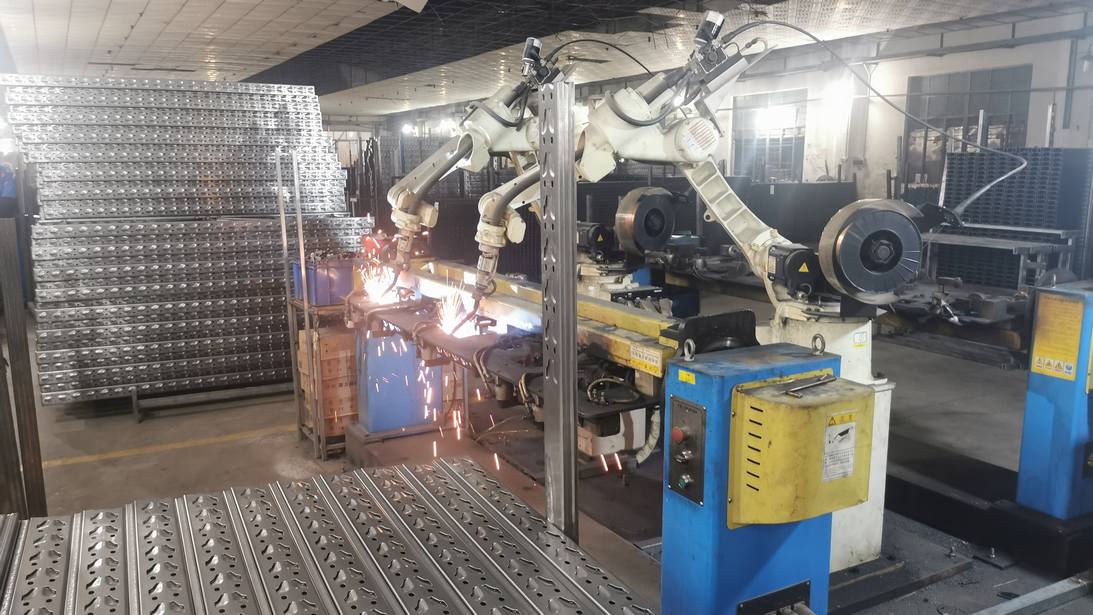
Automated multi-point welding stations ensure strong, consistent structural joints.
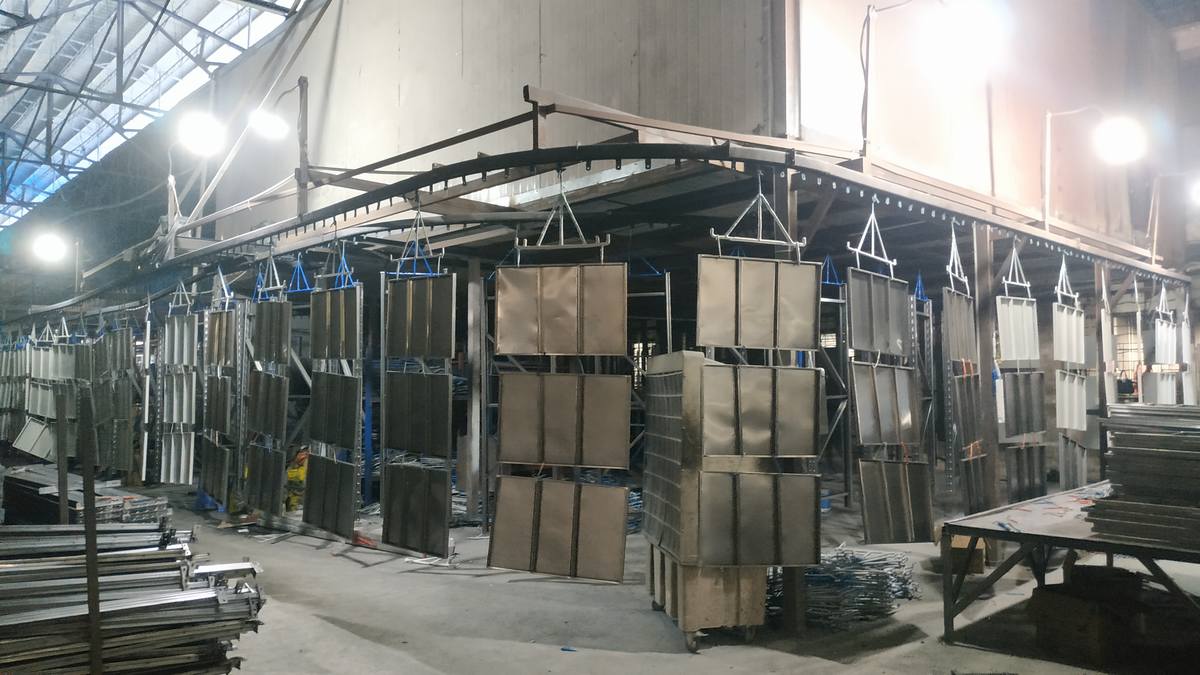
Environmental curing and cleaning lines apply uniform protective coatings to all components.
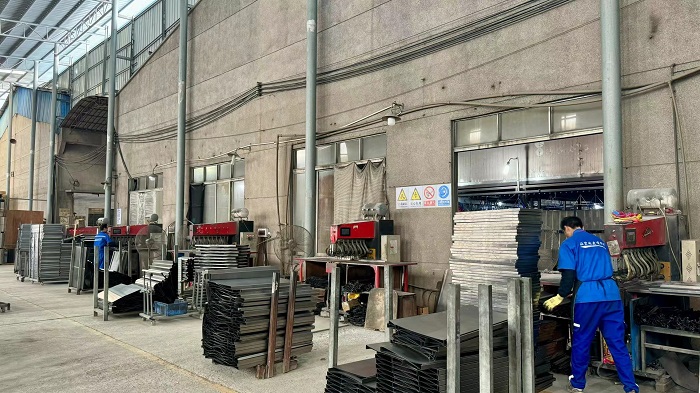
High-speed punch presses shape connection patterns and dynamic structural elements.
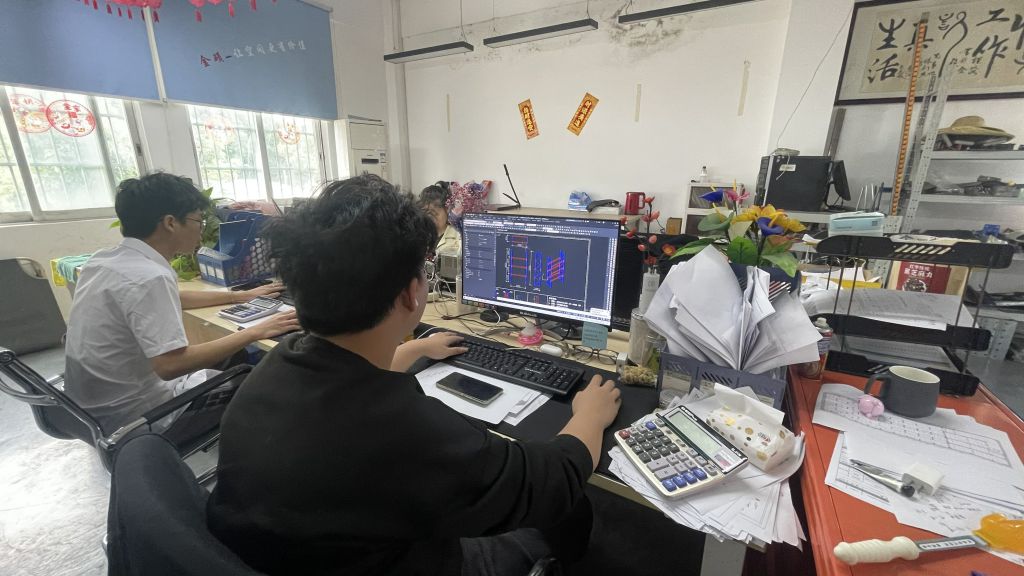
Detailed design process using CAD/FEA simulation software ensures load capacities meet structural and safety specifications.
Detailed technical answers to common questions about structural cantilever design, safety limits, and capacity calculations.


 Kimsuk Storage