Explore our industrial-grade structural platforms designed for heavy loads, high throughput, and seamless facility integration.
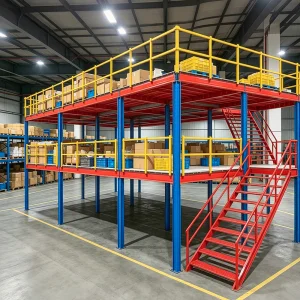


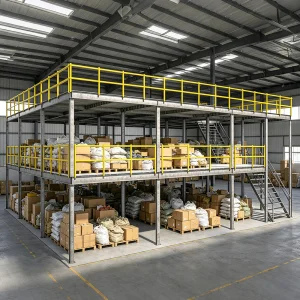
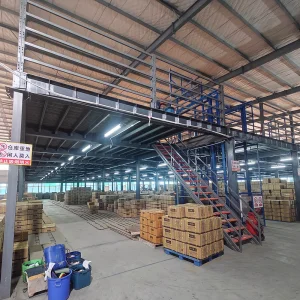
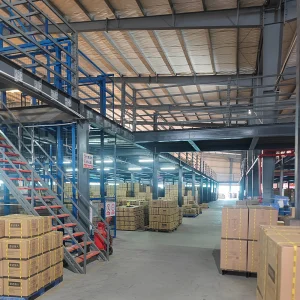
Delivering high-density storage safety and structural longevity for modern spatial resource allocation.
Shenzhen Kimsuk Storage Equipment Manufacturing Co., Ltd. (est. 2016) is a premier engineered steel structures manufacturer specializing in heavy-duty multi-tier mezzanine floors and storage platforms. Backed by over 14 years of design and execution capabilities, our production framework integrates state-of-the-art sheet metal processing, precision robotics, and advanced cold-formed profile development to support high-capacity warehouse operations globally.
Operating from our modern 18,500㎡ factory, we configure systems designed to mitigate site constraints, double or triple spatial yields, and withstand complex dynamic loads. Our structural engineers design solutions for complex e-commerce centers, cold-storage operations, hazardous chemical storage, and automated logistics layouts, exporting more than $12M annually to North America, Europe, Australia, and across Southeast Asia.
Addressing structural challenges across distinct industrial domains to deliver verified operational yields.
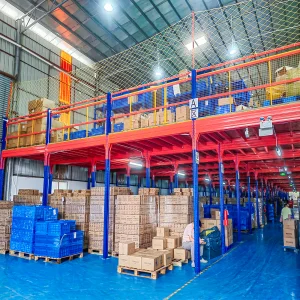
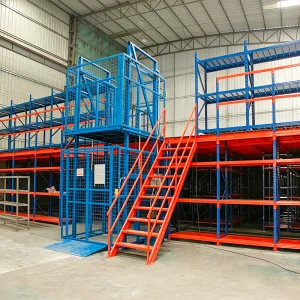
Designed to support heavy pedestrian traffic, automated conveyor lines, sorting lines, and high-frequency pick zones. Our configurations are optimized for light multi-tier steel mezzanine platforms that integrate wire mesh decking, dynamic safety gates, and anti-slip walking routes to ensure structural durability and safety.
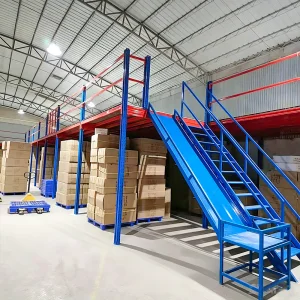
Maximizes vertical clear height to resolve spatial issues under short-term contract structures. Our modular design supports layout transformations and relocations, ensuring structural stability while offering low Total Cost of Ownership (TCO) for third-party logistics operators.
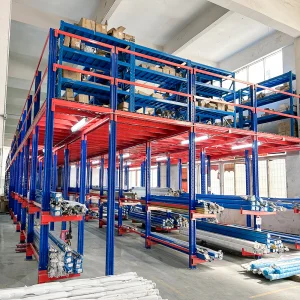
Utilizing high-tensile hot-rolled profiles (such as Q355B structural steel), we build high-capacity mezzanine floors with load capacities exceeding 2,000 kg/㎡. These systems safely support overhead machinery, CNC centers, assembly zones, and industrial raw material storage.
Blending cold-formed steel manufacturing with digital structural modeling and intelligent facility monitoring.
The manufacturing landscape for mezzanine platforms is shifting from static steel layouts to intelligent, adaptive structural assets. As warehouse automation expands, traditional structural calculations must adapt. Our engineering team uses advanced structural analysis to simulate and model several key factors:
By using 3D structural analysis software, our engineers calculate accurate deflection limits (such as L/300) to ensure high structural stiffness, minimizing vibration under variable dynamic loads. This predictive modeling reduces fabrication tolerances, allowing for fast, bolt-together assembly at the installation site.
Understanding the manufacturing lifecycle from raw materials to powder-coated structural components.
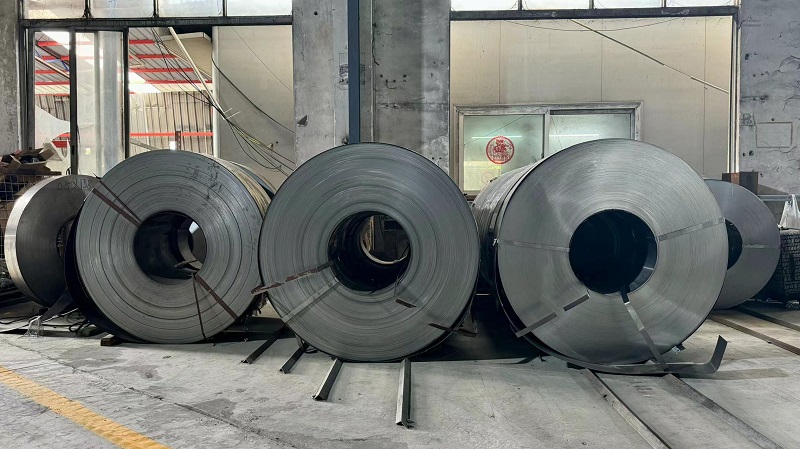
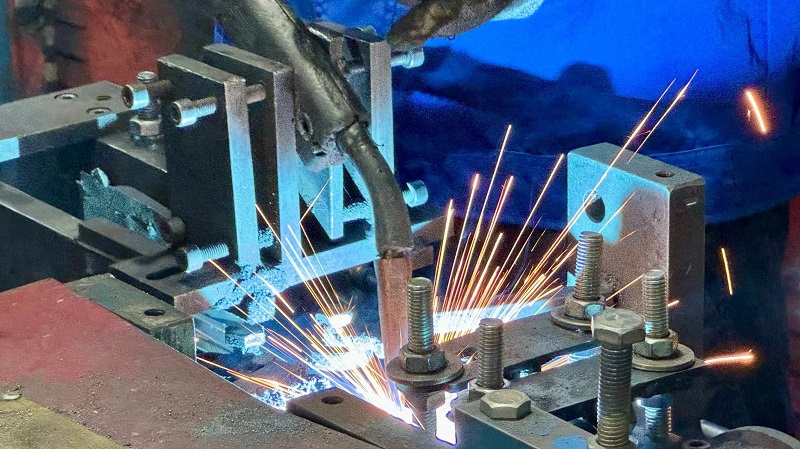
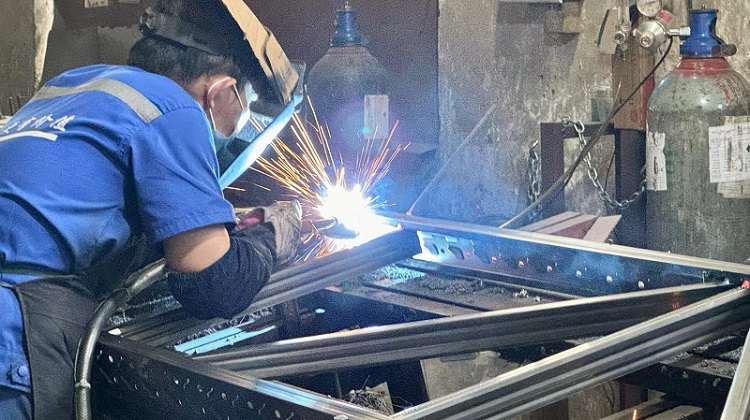
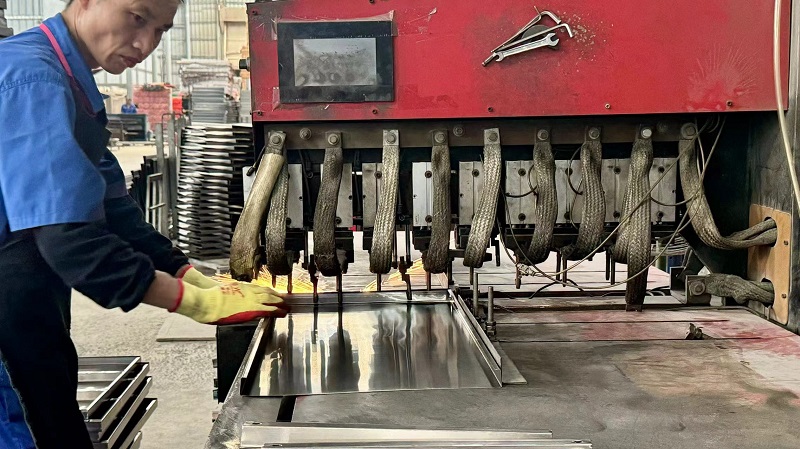
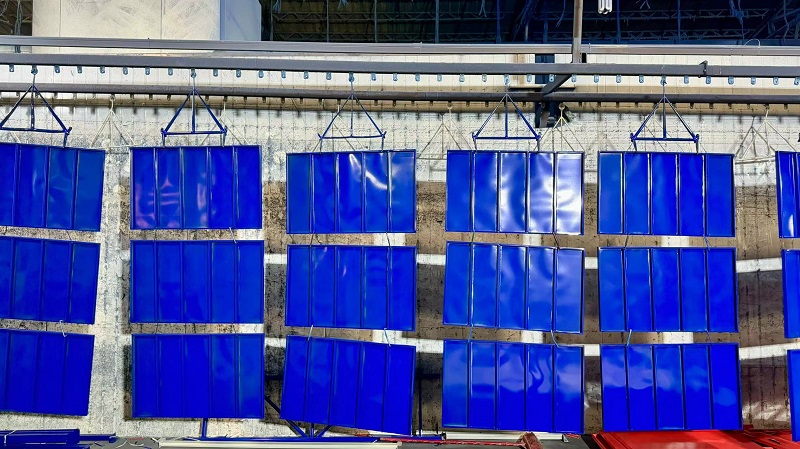
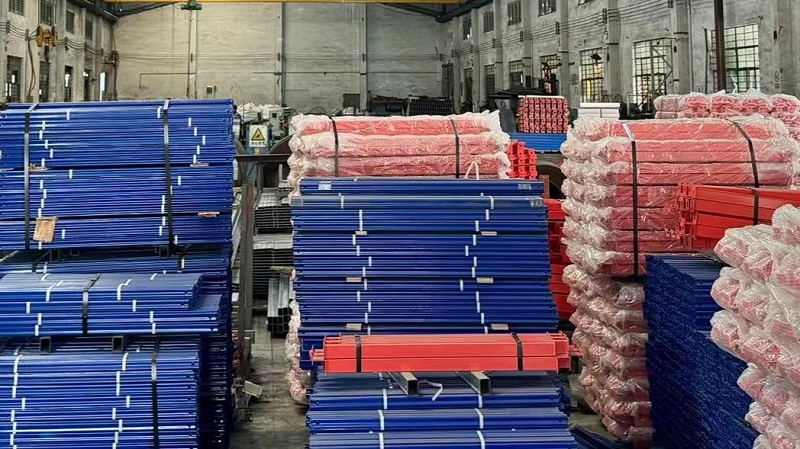
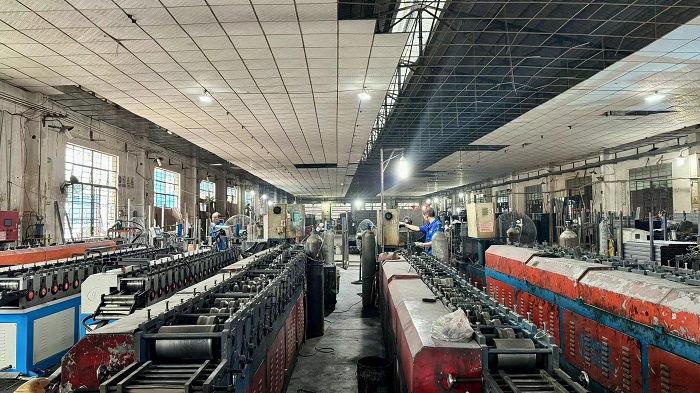
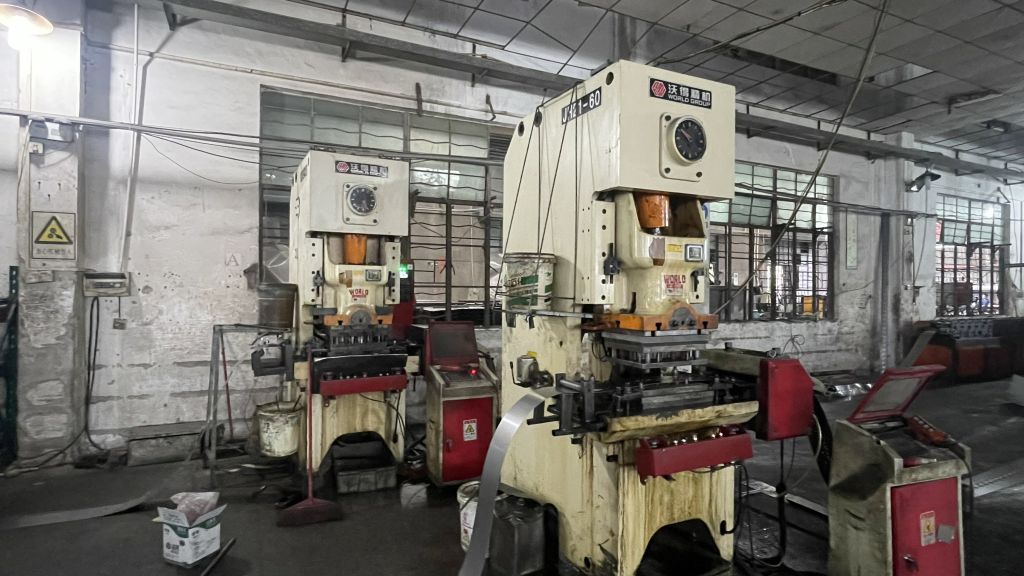
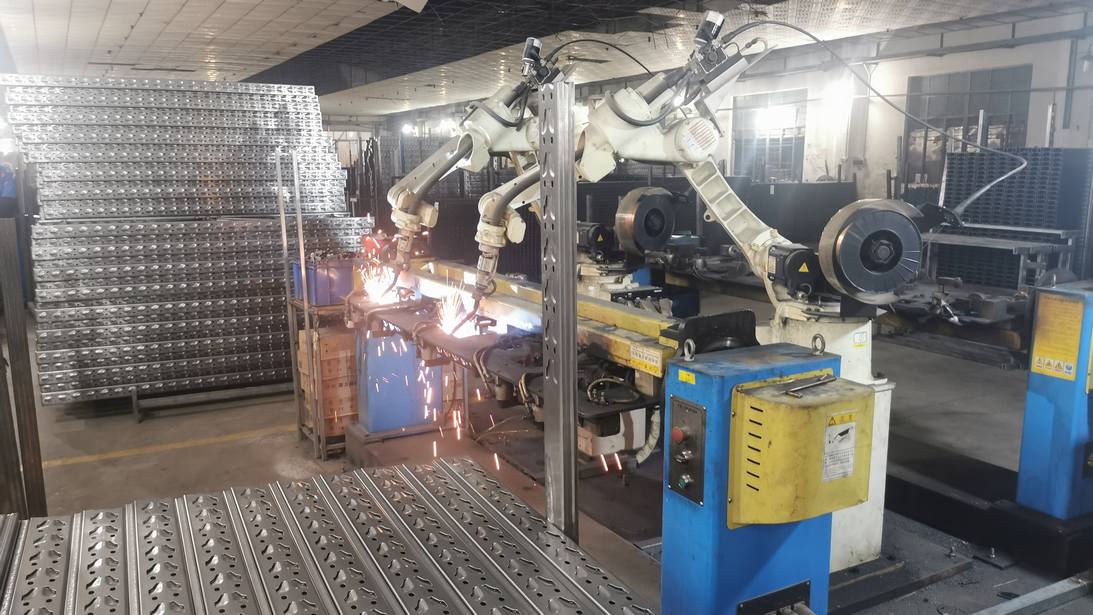
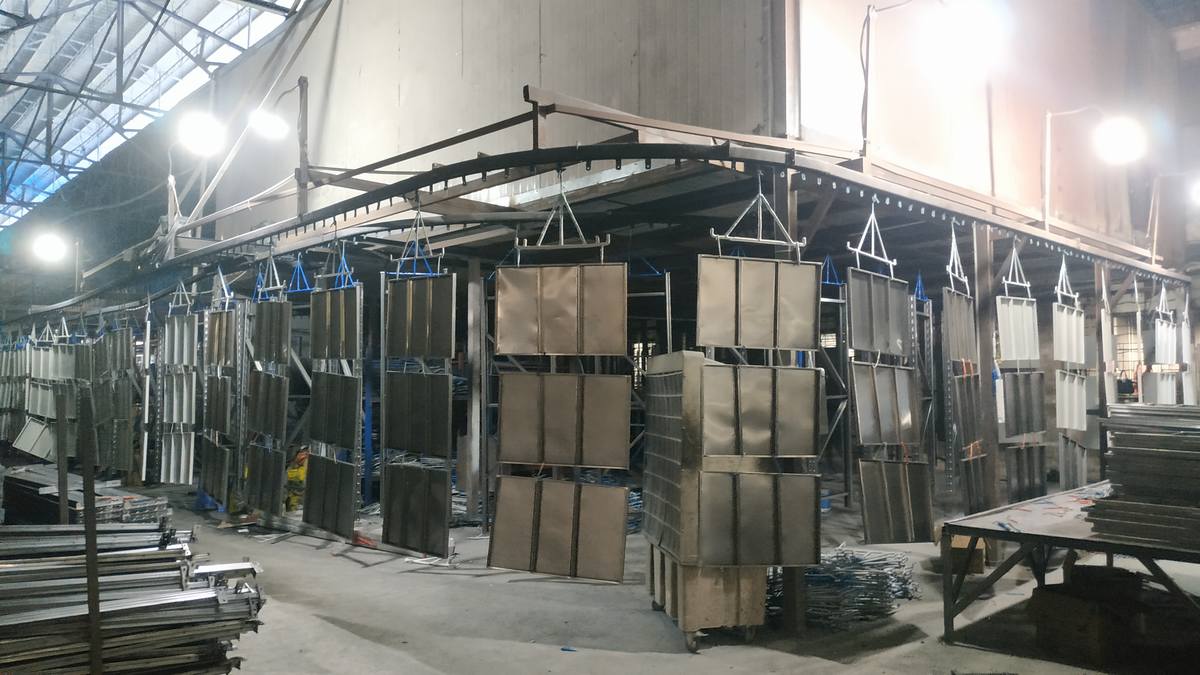
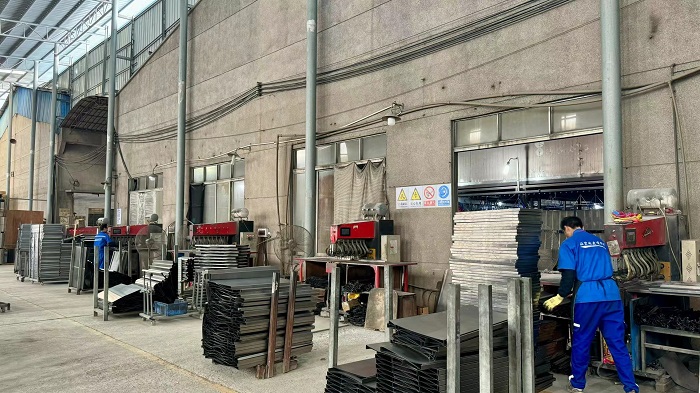
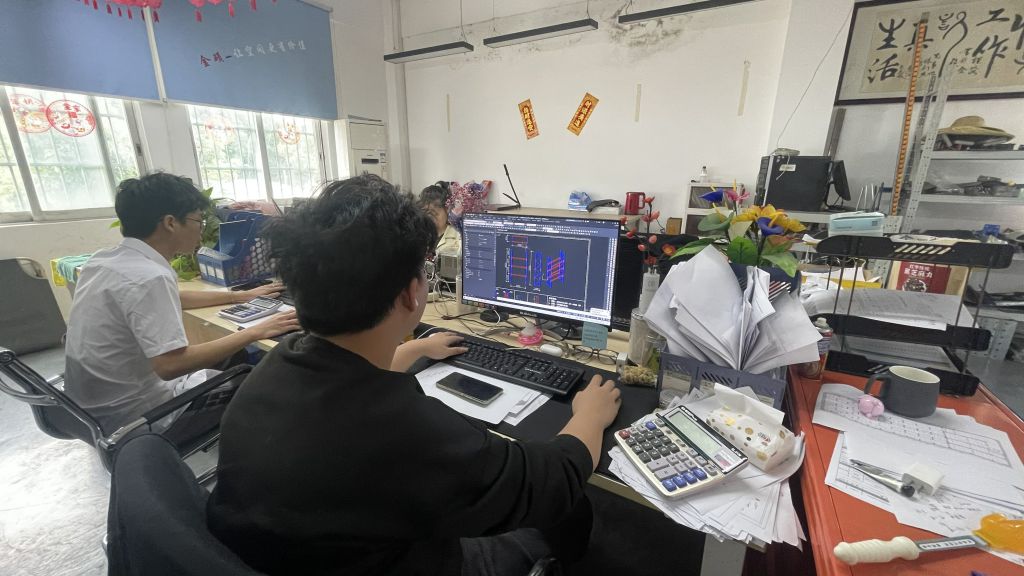
Our quality control process is managed by a team of 45 experienced quality inspectors. Kimsuk's testing protocol begins at the material sourcing phase, qualifying mill certificates of high-grade steel coils before punching and cold forming begin. Automated roll-forming machines create custom profiles with close dimensional tolerances.
To ensure coating durability, components undergo multi-stage chemical pre-treatment and electrostatic epoxy powder coating, followed by high-temperature curing (thickness verified at 80-120 microns using electronic thickness gauges). Standardized welding processes minimize thermal deformation in support beams and column faceplates, ensuring fast assembly on site.
Meeting international building codes to ensure safety and simplify regional permit processes.
We design in accordance with the Rack Manufacturers Institute (RMI) standards and AISC steel specification requirements. Our configurations account for local seismic coefficients and regional fire-protection codes (NFPA 13 regulations for under-mezzanine sprinkler systems).
Our design protocols comply with Eurocode 3 (Design of steel structures) and EN 15512 specifications. We provide complete CE declaration of conformity and structural calculation files for local authority approvals.
All warehouse storage structures exported to Australia meet the structural safety requirements of AS 4084, with independent engineer verification available to simplify building permit sign-offs.
In addition to manufacturing, Kimsuk provides remote installation engineering support and structured coordination for local construction crews. Every shipment includes step-by-step 3D assembly guides, component indexing, and localized connection detailing to reduce installation labor costs.
Detailed technical answers to common questions in high-capacity spatial engineering.
Explore our additional customized mezzanine systems, guardrails, and heavy-duty configurations.



Request structural layout analysis, custom loading specifications, and structural configuration drawings optimized for your facility.
Request Engineering Consultation Kimsuk Storage

