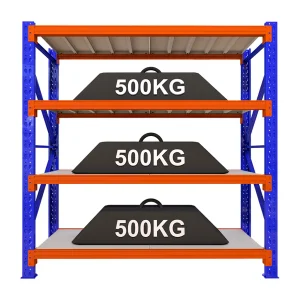
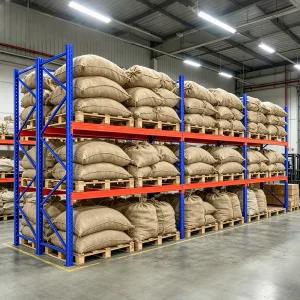
In the global supply chain, warehouse optimization has transitioned from a basic real estate metric to a core competitive differentiator. The 300KG capacity classification (often referred to as medium-duty shelving or heavy-light racking) is the structural baseline of modern flexible inventory management. This specific threshold accommodates high-density SKU layouts without requiring the heavy structural footprint or capital investment of standard heavy-duty structural pallet racks.
As omni-channel e-commerce fulfillment centers push for rapid item turnaround and optimized pick-and-pack corridors, the requirement for robust, adjustable, and safe multi-tier shelving systems has surged. Heavy pallet systems often lead to under-utilized volumetric space when storing non-palletized goods. Conversely, light-duty utility shelves fall short under safety regulations when handling heavy machinery components, bulk retail products, or dense paper-based records. Herein lies the value of the 300KG shelf configuration: balancing structural resilience, dynamic reconfiguration, and economical resource allocation.
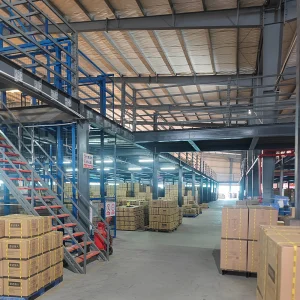
Maximize cubic footprint overhead using intermediate platforms, mezzanine expansions, and dynamic high-density storage lanes tailored for 300KG per tier loading.
Ensured under rigorous test frameworks complying with FEM 10.2.02 and EN 15512 standards to prevent buckling, joint failure, and workplace safety incidents.
Tool-free butterfly hook slotting enables effortless beam adjustment on a pitch of 50mm or 75mm, instantly adapting to evolving product lifecycles.
The market for 300KG load-bearing shelves is undergoing major geographic shifts. According to recent B2B warehouse infrastructure studies, industrial demand is driven by the rapid growth of micro-fulfillment hubs near urban centers. These regional centers require fast manual-picking shelves that are robust enough to withstand repetitive mechanical stresses from automated guided vehicles (AGVs) and hand-pallet trucks.
In North America and Europe, strict regulatory standards regarding warehouse floor safety (such as the ANSI/MH16.1 specifications in the US) have led procurement teams away from cheap, non-certified metal storage shelves toward verified structural steel racks. In highly industrial regions across Southeast Asia and South America, rapid localization of manufacturing plants has increased the demand for modular 300kg shelving systems. These systems can be assembled locally without welding, reducing labor costs and shortening deployment timelines.
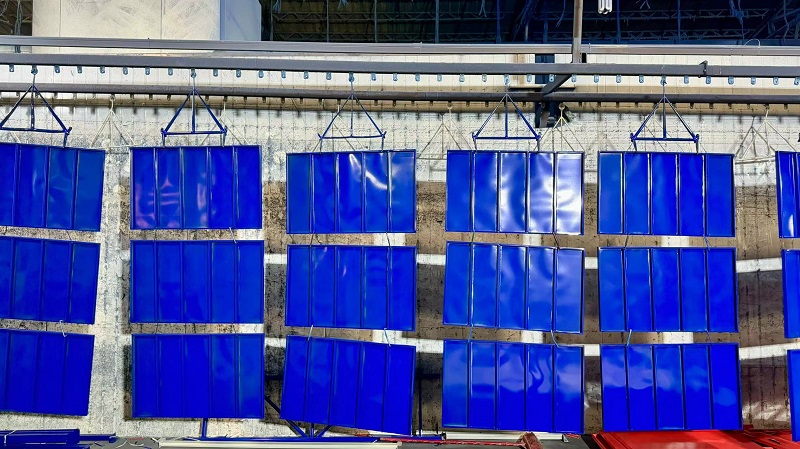
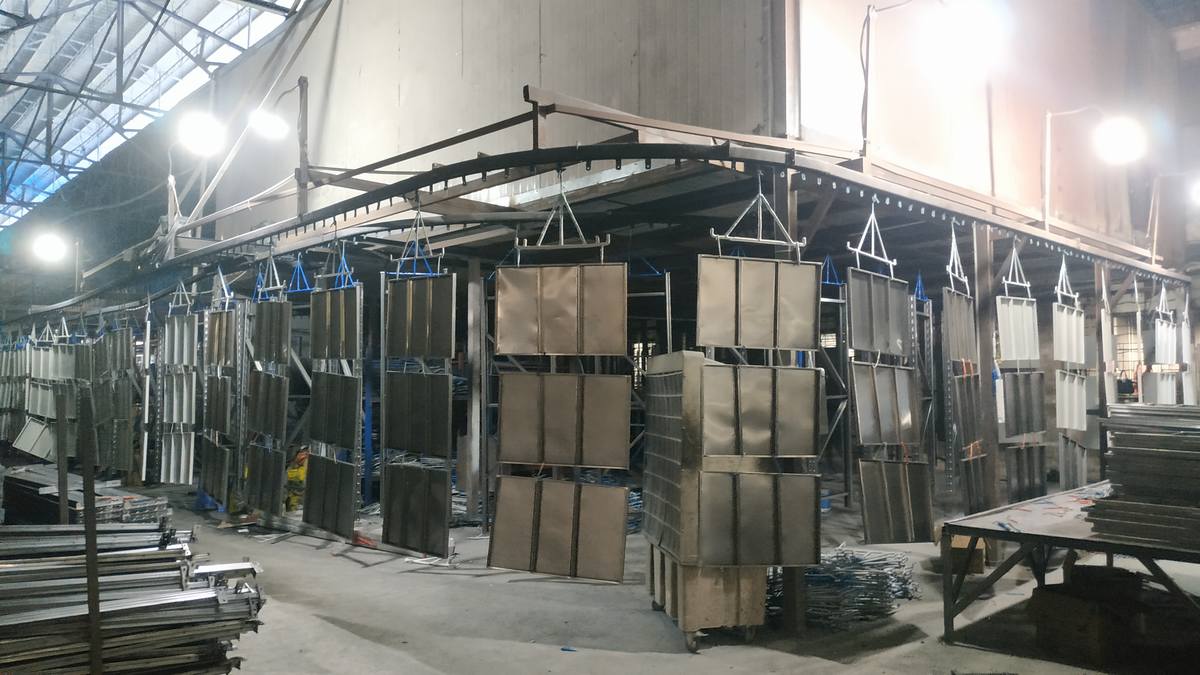
Furthermore, sustainability and environmental regulations have influenced material finishing processes. The demand for VOC-free, thermosetting epoxy powder coatings has become standard, prompting manufacturers like Shenzhen Kimsuk Storage Equipment Manufacturing Co., Ltd. to upgrade production lines to meet global environmental compliance requirements.
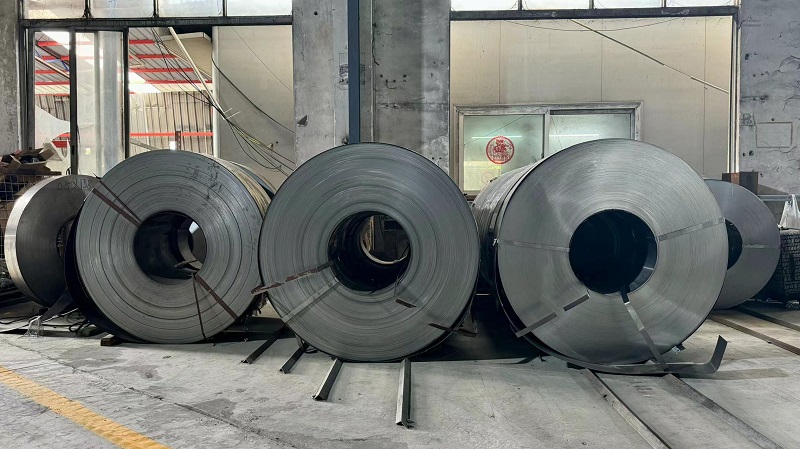
To achieve a safe uniform distributed load (UDL) of 300KG per shelf level, precision engineering and material science must work in tandem. Standard carbon steel is insufficient; Kimsuk utilizes high-grade cold-rolled steel (grade Q235B) to ensure optimal yield strength and ductility.
The vertical uprights are engineered with a complex multi-fold geometry to maximize the radius of gyration. This cross-section prevents twisting and column buckling under asymmetrical loading conditions.
Our specialized butterfly hole locking pattern guarantees a high-friction connection between beams and uprights. As load weight increases, the connector locks tighter into the column slots, minimizing sway.
Every beam-to-frame connector is equipped with steel safety locking pins. This small component prevents accidental beam displacement by forklifts or warehouse staff.
All Kimsuk 300KG shelving configurations are tested under a safety factor of 1.5, meaning structural integrity is maintained under test conditions up to 450KG UDL. Maximum deflection does not exceed L/200 (span divided by 200), ensuring flatness and alignment over years of active service.
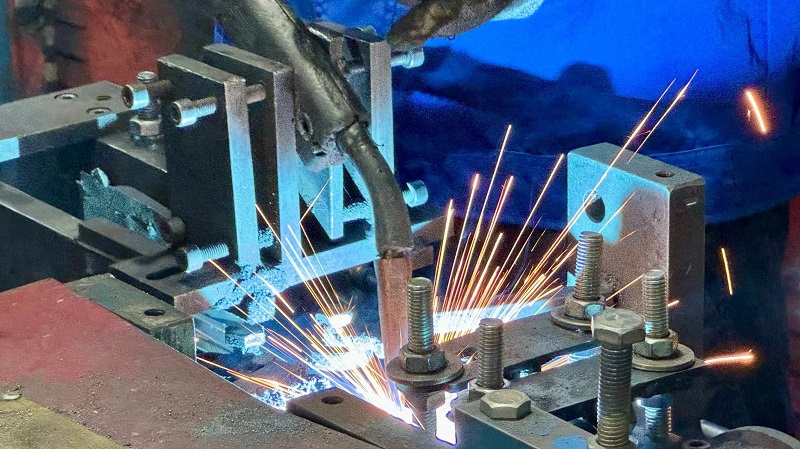
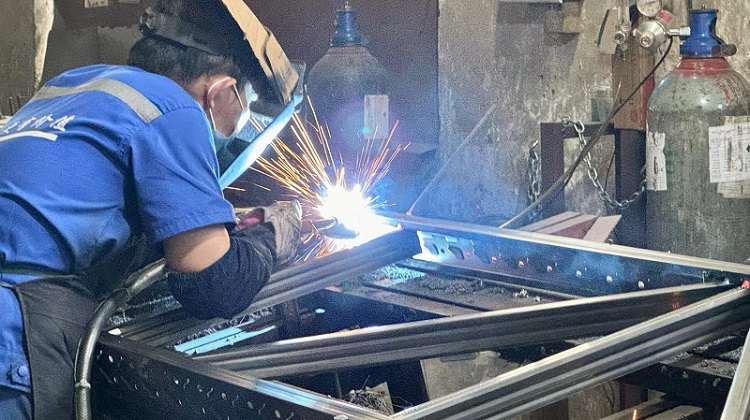
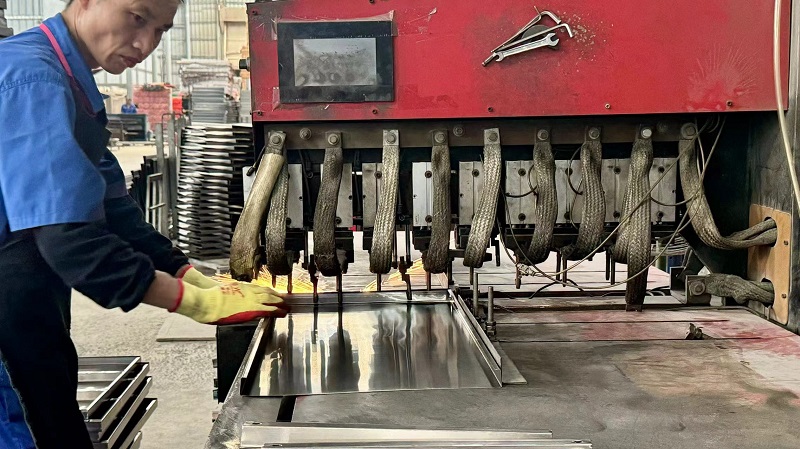
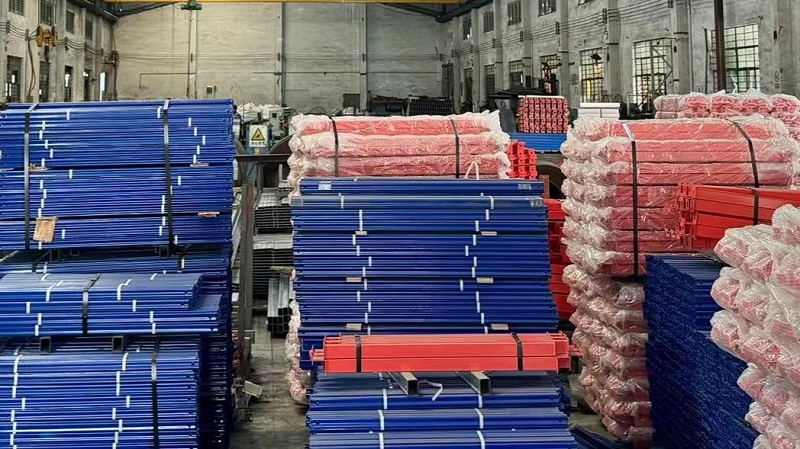
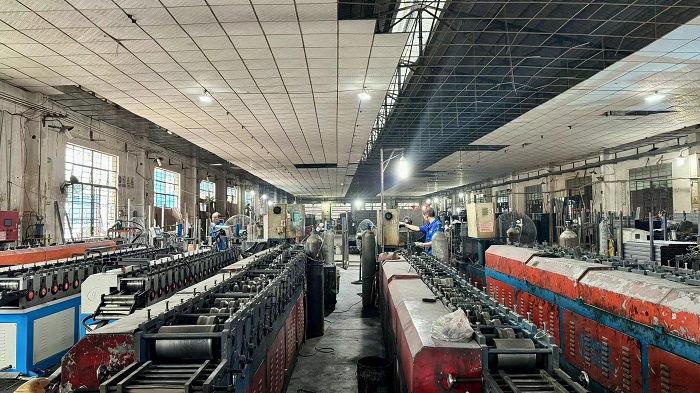
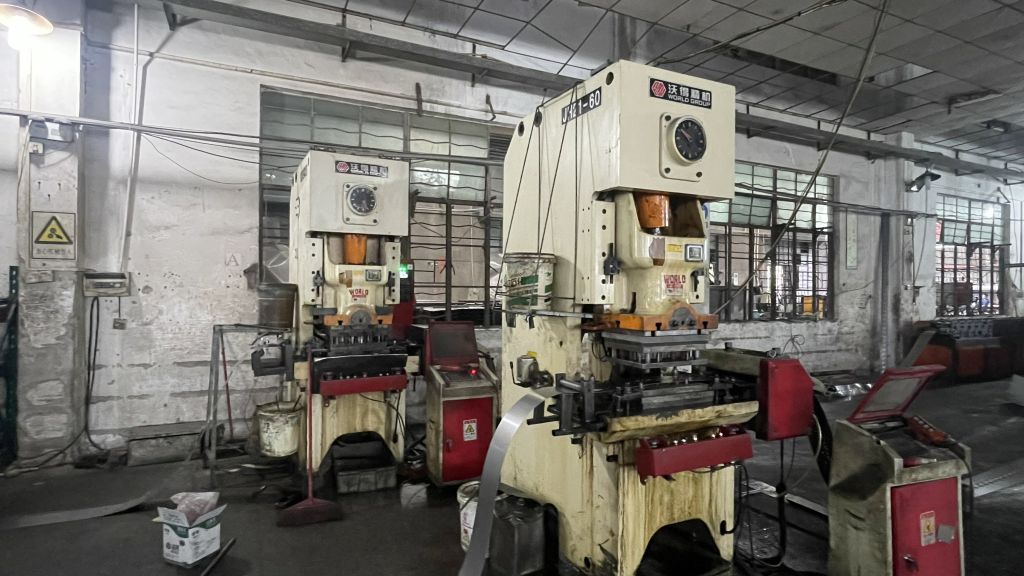
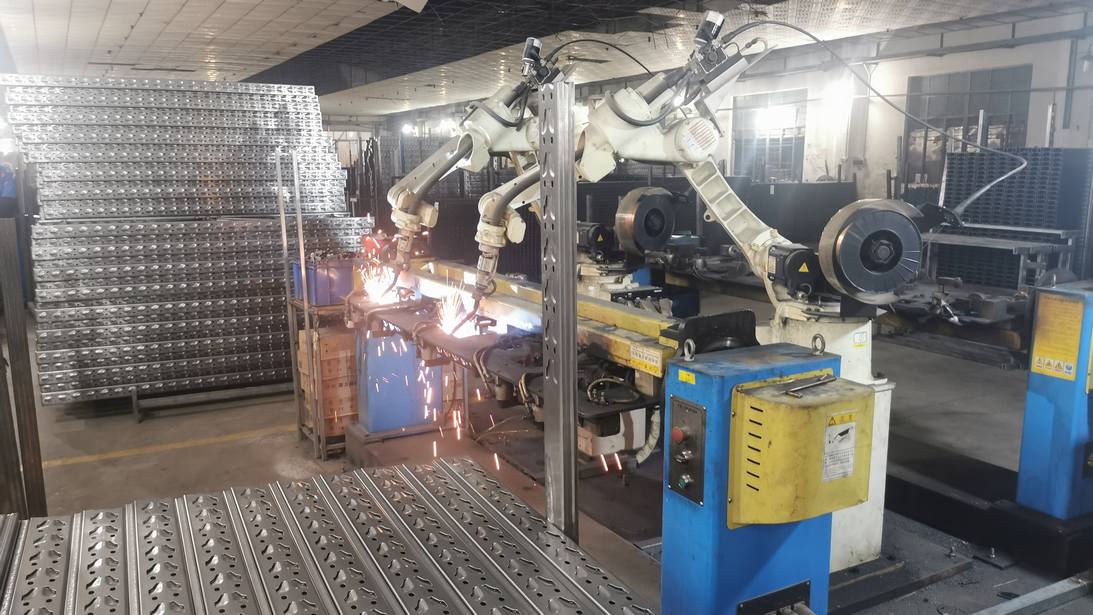
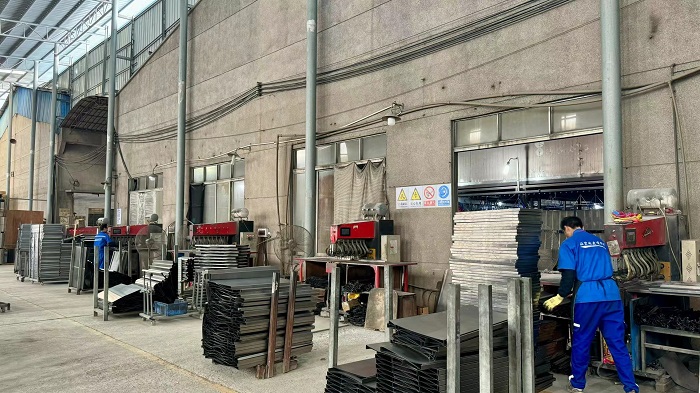
Operating from our state-of-the-art 18,500㎡ facility, Shenzhen Kimsuk Storage Equipment Manufacturing Co., Ltd. coordinates a vertically integrated production line. From raw steel selection to structural welding and electrostatic powder coating, every stage is audited by our 45-person QC inspection team.
Operational needs differ across various geographic markets. Kimsuk designs and exports its storage systems with regional configurations that match local logistics environments:
Designed for high-density, multi-tier mezzanine layouts. Features high-tensile safety pins and durable powder-coated steel shelf surfaces that can withstand continuous manual loading cycles.
Fully compliant with FEM 10.2.02 regulations. European automotive supply chains utilize our 300kg shelving systems to store heavy components and toolsets, relying on standard depth dimensions.
Features durable surface finishes designed to withstand coastal humidity and high temperatures. Ideal for electronics components, dry bulk goods, and chemical storage containers.
The warehouse storage sector is shifting toward smart, connected, and sustainable solutions. Our engineering R&D team is currently focusing on three key technical initiatives:
We are integrating IoT weight sensors directly beneath the load-bearing beams. These sensors communicate load status in real-time, helping to prevent overloading accidents.
Our production lines are transitioning to eco-friendly powder finishes that are fully recyclable and produce zero emissions during application, helping clients meet local environmental standards.
We are developing tool-free lock mechanisms that allow quick, manual adjustments, reducing setup and configuration times in large warehouses.
Efficient warehousing requires more than just high-quality steel; it demands integrated storage planning. Kimsuk collaborates with industrial contractors, logistics managers, and supply chain directors to deliver comprehensive vertical space solutions.
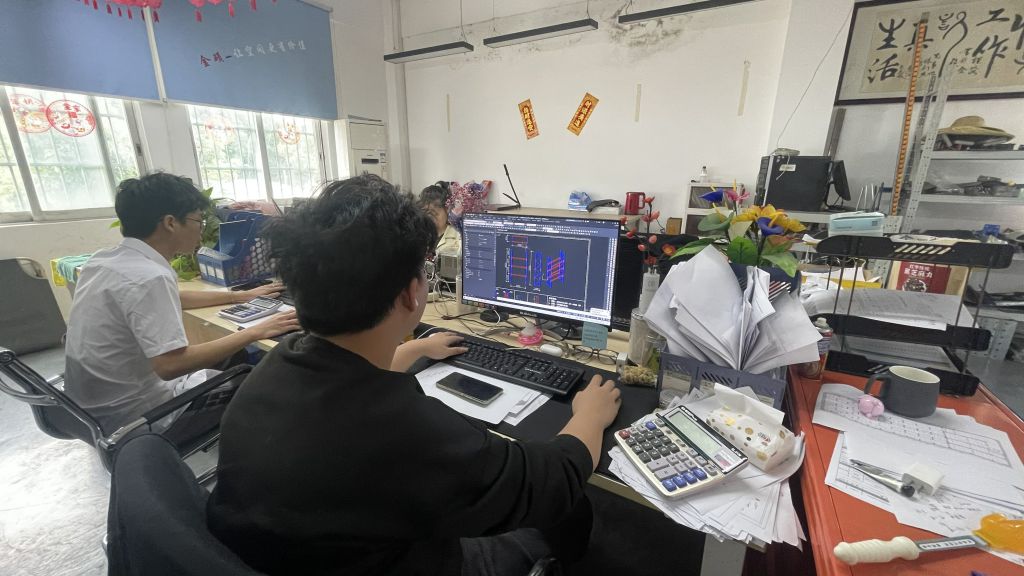
Our services cover every stage of the project lifecycle, including initial spatial analysis, automated CAD layout drafting, structural calculations, and installation support. Whether integrating 300KG shelving into multi-tier mezzanines, designing gravity-flow lanes, or optimizing picking corridors, our engineering team ensures that every configuration maximizes vertical space and matches operational workflows.




 Kimsuk Storage