Explore our premium selection of structural racks, material handling lifts, and customized storage solutions engineered to maximize spatial efficiency and load security.


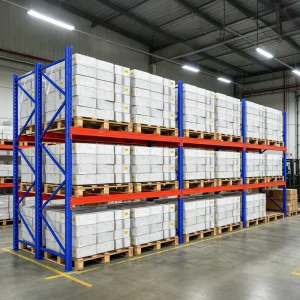

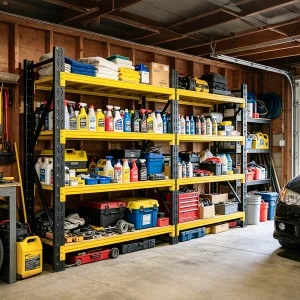
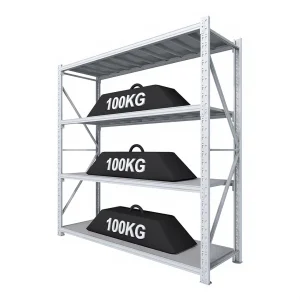


An authoritative analysis of spatial engineering, structural metallurgy, and supply chain strategies in modern warehousing.
The global supply chain landscape is undergoing a structural transformation. The rise of multi-channel e-commerce, third-party logistics (3PL) integration, and Automated Storage and Retrieval Systems (AS/RS) has shifted the demands placed on physical storage infrastructure. Modern industrial storage environments no longer view racking as passive shelving, but as a critical dynamic asset that impacts operational efficiency, worker safety, and spatial ROI.
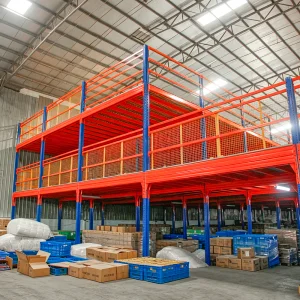
In the contemporary manufacturing and distribution environment, equipment accessories and racking accessories have transitioned toward higher material density, structural modulus scalability, and integrated safety margins. Multi-tier mezzanine installations, cantilever configurations, and heavy-duty structural steel components are being engineered to withstand dynamic load stresses that were unheard of a decade ago. High-capacity racking demands raw material integrity that conforms to international standards like ASTM, EN, and AS4084 to prevent stress fractures, seismic deformation, and catastrophic failure.
Procurement managers, structural engineers, and facility designers face significant hurdles when sourcing warehouse storage infrastructure. The primary challenge lies in balancing spatial density against safety profiles. When storing loads ranging from 1,000kg to 5,000kg per selective pallet layer, structural calculation deviations of even 1% can result in deflection limits being exceeded.
Furthermore, regional regulations mandate strict compliance checks. In North America and Europe, products must conform to AISC specifications and EN 15512 standards. In seismically active zones, racks must incorporate advanced dynamic anchoring, robust diagonal bracing, and heavy-duty baseplates. Shenzhen Kimsuk Storage Equipment addresses these pain points by offering comprehensive finite element analysis (FEA) modeling, structural calculations, and bespoke material configurations to match specific geotechnical profiles.
To provide verified structural integrity, industrial storage racks utilize high-grade steel, primarily Q235B and Q355B structural carbon steel. These steel grades exhibit optimized yield strengths and elongation properties, allowing components to absorb cyclic loading without micro-fracturing.
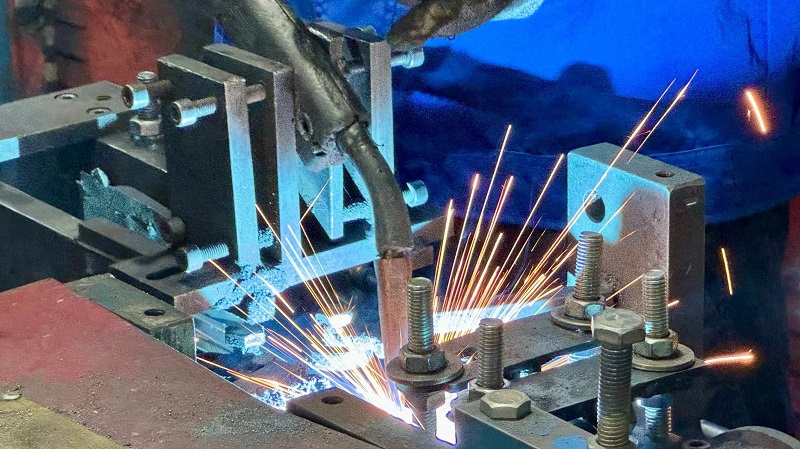
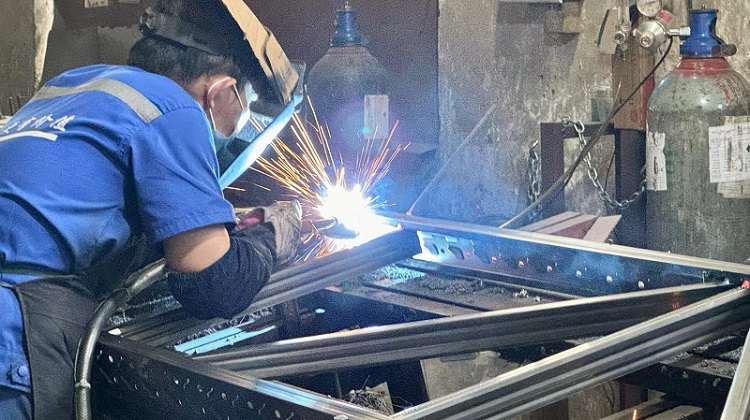
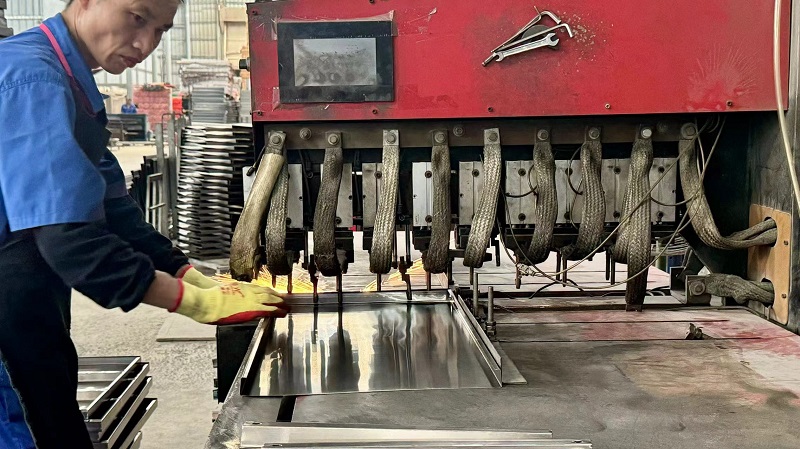
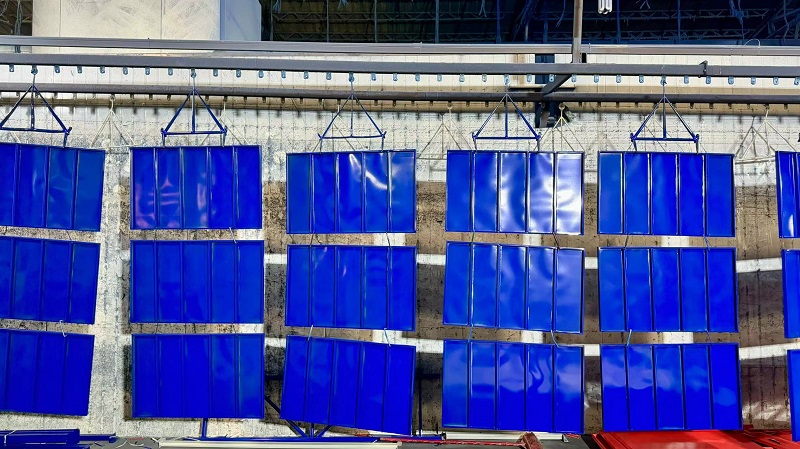
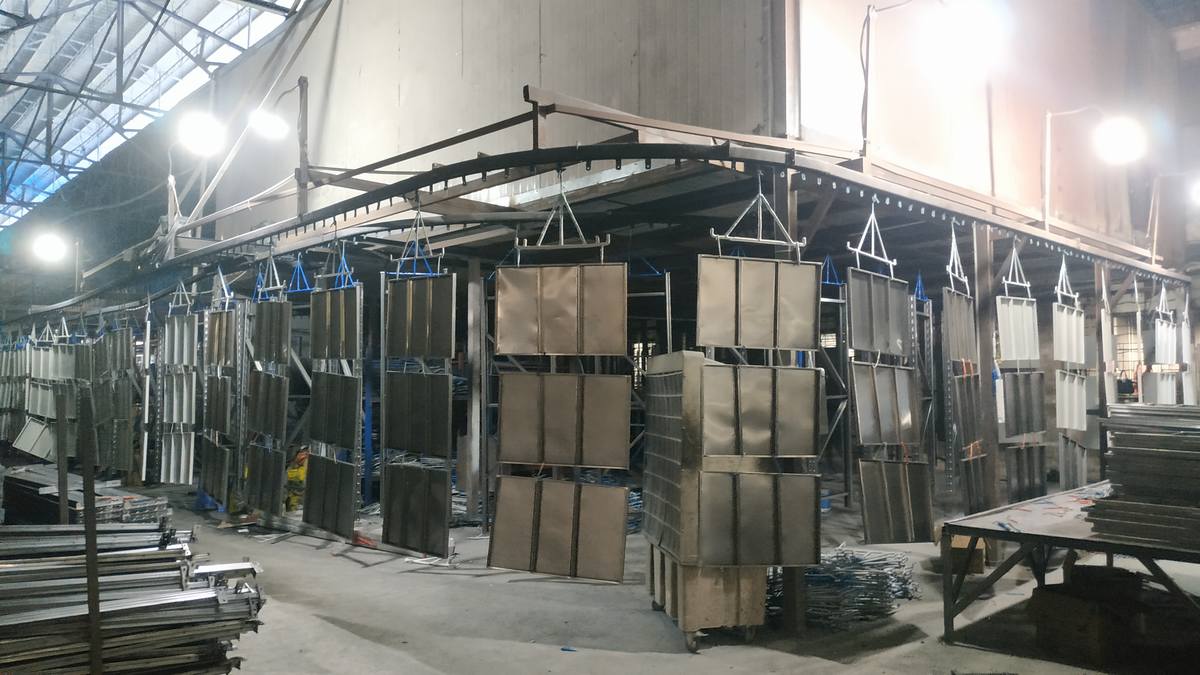
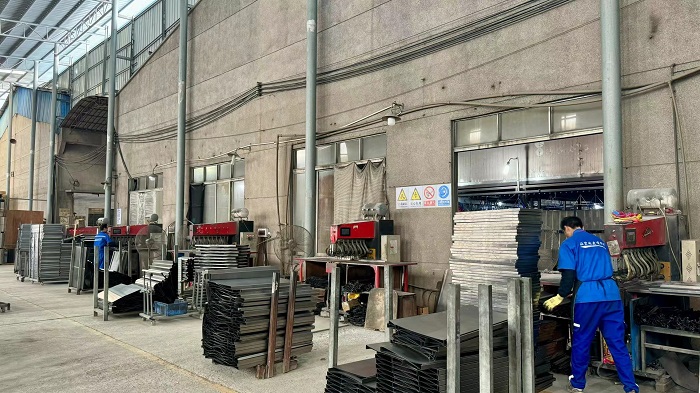
Our manufacturing process involves high-precision roll forming, structural welding under ISO 3834 protocols, and automated powder coating lines that apply an electrostatically charged epoxy-polyester finish. This coating provides crucial protection against surface corrosion, mechanical impact, and chemical wear in harsh industrial environments.
Established in 2016, Kimsuk is a globally recognized manufacturer and supplier of heavy-duty industrial storage racks and custom warehouse structural equipment.
With an expansive production base of 18,500 square meters and over 14 years of design and manufacturing experience, Shenzhen Kimsuk Storage Equipment Manufacturing Co., Ltd. delivers structural systems to logistics hubs, distribution centers, and manufacturing plants worldwide. Producing an annual export volume of $12 million, we operate with a deep understanding of international logistics corridors and compliance mandates.
Our core technical strength lies in our rigorous Quality Control system, staffed by 45 specialized QA/QC inspectors. Every batch of structural steel is subjected to comprehensive mechanical analysis, including raw material chemical verification, dimensional accuracy tests (utilizing laser measurement tools), welding penetration testing, coating thickness gauges, and physical load capacity testing. This ensures that every racking column, beam, and cantilever element shipped from our factory will safely support the designated payload under continuous use.
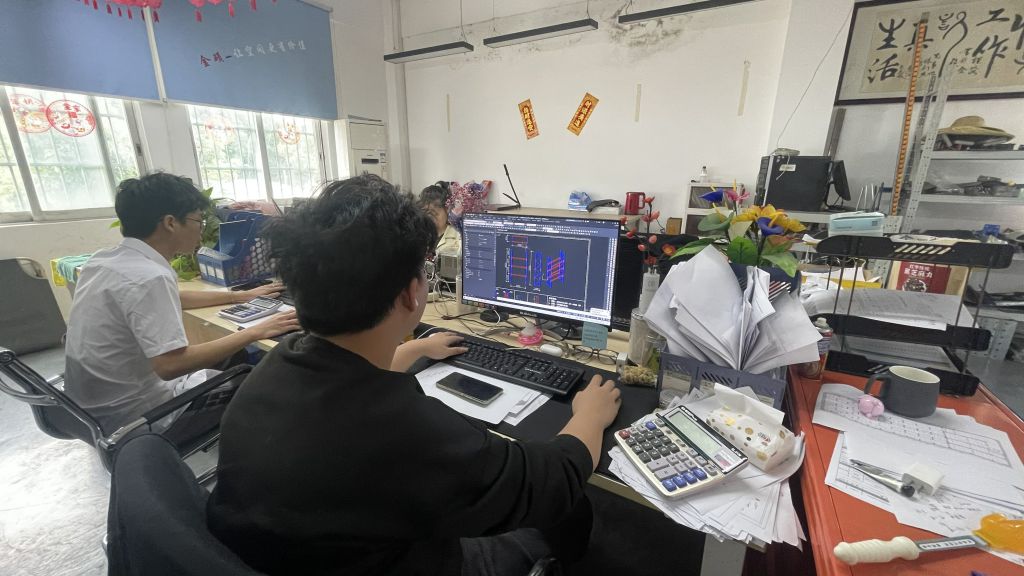
Kimsuk's engineering team consists of 18 R&D engineers specializing in spatial planning, finite element structural modeling, and safety design. In the past fiscal year alone, this team successfully introduced over 120 new products and structural improvements, helping our global customer base address complex warehouse layouts and specialized material handling needs.
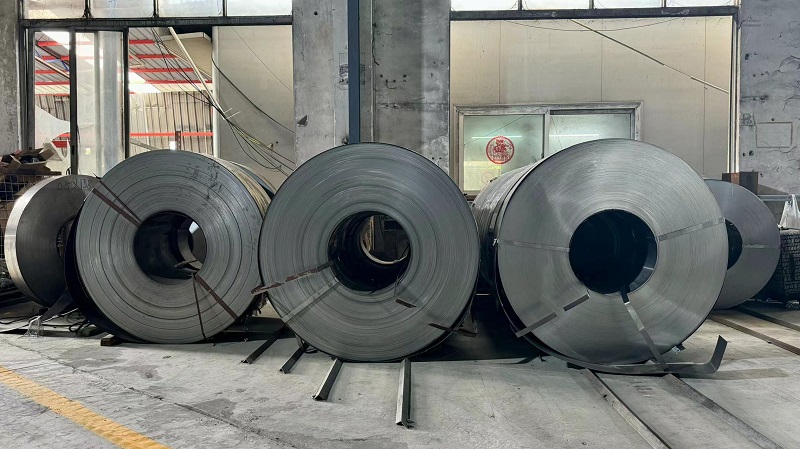
A visual walkthrough of our industrial production capabilities, from premium raw material selection to automated finishing and packaging.
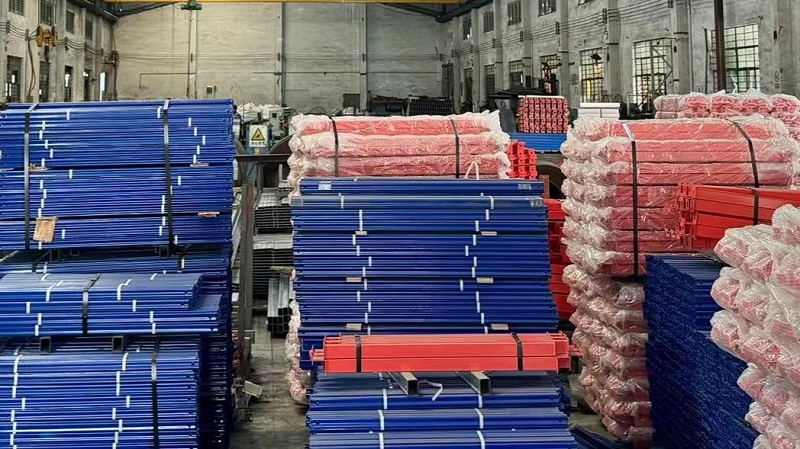
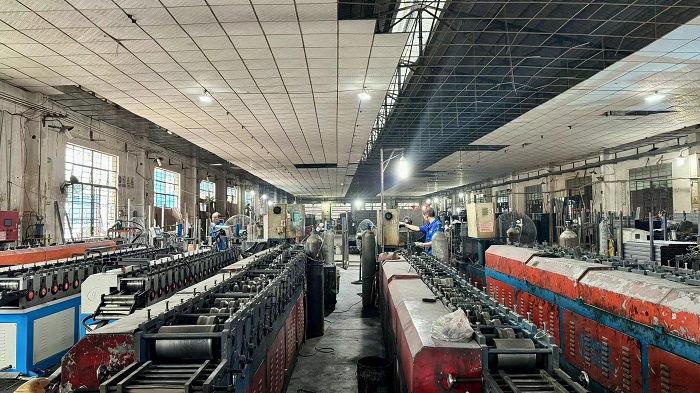
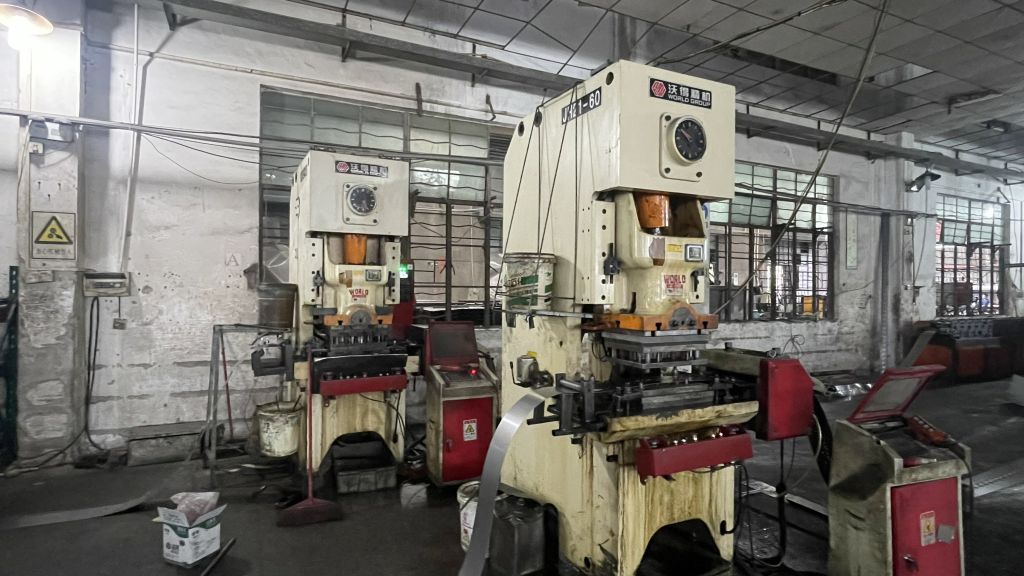
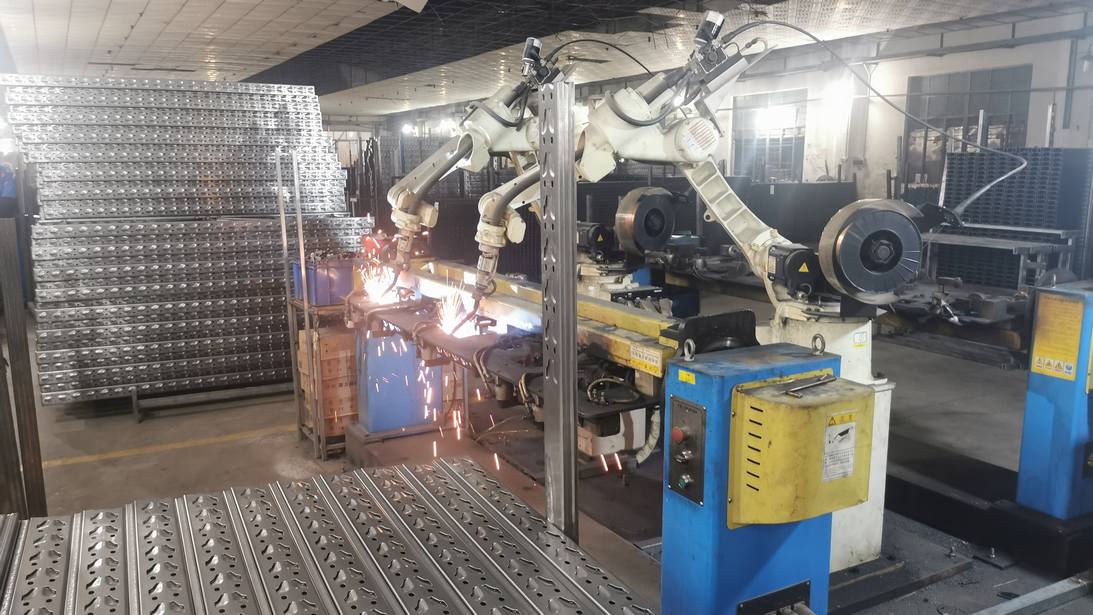
How Kimsuk is driving innovation in smart integration, eco-friendly materials, and predictive structural health monitoring.
Transitioning toward Q355B cold-rolled profiles to decrease system weight by 15% while improving buckling resistance under high seismic acceleration coefficients.
Embedding piezoelectric strain gauges within load-bearing beams to transmit structural load data directly to Warehouse Management Systems (WMS).
Upgrading to 100% solar-powered painting facilities and utilizing zero-VOC powder formulations to align with strict global carbon offset mandates.
Ensuring your facility operates safely and legally under global and regional warehouse safety regulations.
Operating warehouses across international borders requires navigating a complex web of structural regulations and safety rules. Shenzhen Kimsuk ensures complete compliance by aligning its design, manufacturing, and validation processes with key regional codes:
To simplify international projects, Kimsuk works with a network of local engineering partners. We offer structural calculations, certified stamps, and site inspections to help you clear building permit audits easily.
Expert technical insights regarding industrial storage systems, load capacities, and customization options.
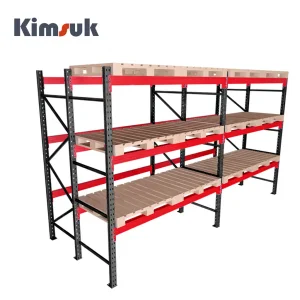
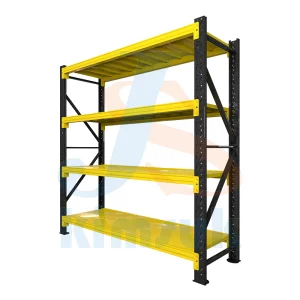
Explore our full line of selective, cantilever, and adjustable storage racks built for industrial and logistics environments.


 Kimsuk Storage