In today's fast-paced logistics world, efficiency is crucial. Warehouse operations require innovative solutions. One standout option is Radio Shuttle Storage. This system combines advanced technology with practical advantages. It provides flexibility and maximizes storage space.
Radio Shuttle Storage uses automated shuttles. These shuttles transport goods swiftly and safely. This setup reduces manual labor and limits human error. It also allows for higher storage density, useful for businesses with growing inventory. The design is scalable, catering to various warehouse sizes and functions.
Adopting Radio Shuttle Storage can spark a re-evaluation of traditional methods. While it may seem complex, the long-term benefits are significant. However, it’s essential to consider the initial investment and necessary training. A balanced approach is critical for seamless integration into existing operations.
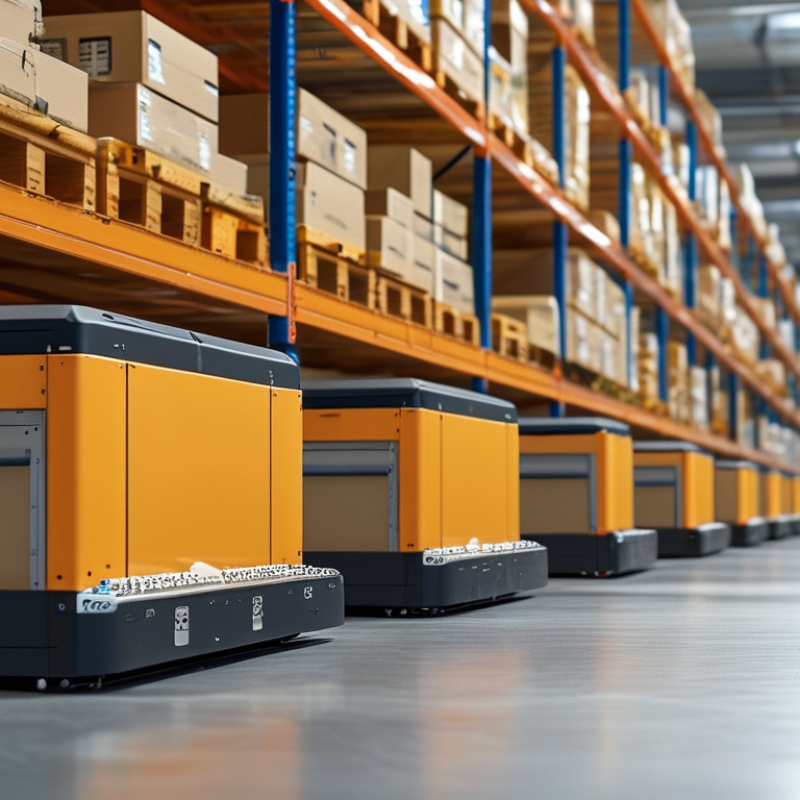
Radio shuttle storage has emerged as a game-changer in modern warehousing. This system maximizes space utilization by automating the movement of goods. It utilizes shuttles that transport pallets within racking systems. This reduces manual labor and increases efficiency. Imagine a scenario where previously cramped warehouses now have the ability to store more products without sacrificing accessibility.
One key benefit is the speed of retrieval. The radio shuttle can quickly reach multiple levels in a racking system. It operates seamlessly, minimizing downtime during busy hours. The reliability of this system means fewer errors in order picking, leading to increased customer satisfaction. However, some companies might struggle with the initial setup costs and training requirements. This investment can lead to transformative improvements in the long run.
Another advantage is adaptability. The system can be adjusted to suit various products and inventory types. This flexibility offers a competitive edge. Yet, it is crucial for warehouses to evaluate their needs honestly. Not every setting may benefit equally from radio shuttle storage. Careful consideration should be given to operational workflow before adopting this technology.
| Benefit | Description | Impact on Warehousing |
|---|---|---|
| Increased Storage Density | Radio shuttle systems maximize vertical and horizontal space, allowing for more products in the same footprint. | Optimizes warehouse space utilization, reducing operational costs. |
| Enhanced Efficiency | Automated shuttle systems speed up loading and unloading processes. | Reduces labor time and increases throughput rates. |
| Flexibility | Easy to adapt to different product types and changing inventory needs. | Accommodates seasonal fluctuations and product variety. |
| Improved Safety | Minimizes manual handling, reducing the risk of workplace injuries. | Creates a safer working environment for warehouse staff. |
| Cost Effectiveness | Reduces labor and operation costs through automation. | Increases overall profitability of warehouse operations. |
: It is an automated system using shuttles to move pallets within racking systems.
It reduces manual labor and speeds up retrieval times, increasing overall productivity.
Initial setup costs and training can be barriers for some companies.
Yes, the system is adaptable for various products and inventory types.
They minimize errors during order picking, enhancing customer satisfaction.
No, each warehouse has unique needs, and not all may benefit equally from automation.
They offer efficiency over forklifts, which may cause congestion in busy operations.
Businesses must carefully consider their operational workflow before implementing new technology.
Yes, balancing automation with human involvement remains an important discussion.
Some warehouses might struggle with initial costs or adapting to new technology.
Radio Shuttle Storage offers a modern solution for warehousing needs by enhancing space efficiency and improving inventory management. This system utilizes automated shuttles to transport goods within the racks, allowing for higher density storage and optimized use of warehouse space. Compared to traditional warehouse solutions, Radio Shuttle Storage enables quicker retrieval of items, less reliance on manual labor, and overall streamlined operations.
Moreover, implementing Radio Shuttle Storage can lead to significant cost savings in the long run. While initial setup costs may be a consideration, the efficiency gains and reduction in operational costs make it a worthwhile investment for many businesses. By adopting this innovative technology, warehouses can not only keep up with modern demands but also improve their overall productivity and inventory accuracy.

 Kimsuk Storage