In today's rapidly evolving digital landscape, businesses constantly seek ways to improve data management. Multi-tier Storage is one approach that has gained traction. According to Dr. Emily Johnson, a recognized expert in data storage solutions, “Multi-tier Storage optimizes efficiency by balancing performance and cost.” This strategy helps organizations allocate data across various storage tiers based on access frequency and performance needs.
Implementing Multi-tier Storage can be complex. Companies must assess their data requirements and choose the right storage types, from high-speed SSDs to slower, cost-effective HDDs. Many organizations struggle with this decision. They may not fully realize how efficient Multi-tier Storage can be until they see the results. The right configuration can significantly reduce costs while enhancing data retrieval speeds.
However, this system isn't without its challenges. Businesses must stay vigilant about their storage needs, monitor performance regularly, and be ready to adjust configurations. Balancing cost and accessibility can be a tricky endeavor. Ultimately, understanding Multi-tier Storage helps companies navigate the intricacies of modern data management, paving the way for growth and innovation.
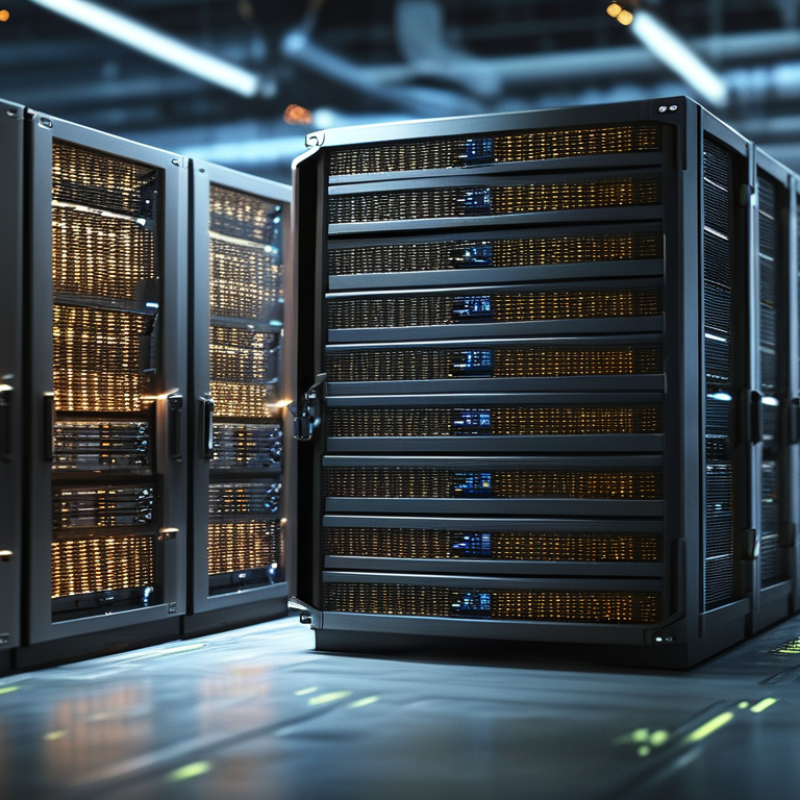
Multi-tier storage is a strategic approach used by businesses to manage data more efficiently. This method divides storage into layers based on data access frequency and importance. The most commonly accessed data resides in faster, more expensive storage tiers, while less critical data is stored in slower, more economical solutions.
According to a recent survey by Gartner, organizations can reduce storage costs by up to 30% with multi-tier systems. This method allows businesses to allocate resources wisely. For example, transitioning to a tiered storage model enables firms to balance performance and cost. The effectiveness of this model lies in its adaptability, which aligns with changing business needs.
Tip: Regularly assess your data access patterns. If certain data becomes less frequently accessed, consider moving it to a more economical tier.
Not every organization may benefit equally from this approach. Complexity is often a drawback. Implementing a multi-tier structure requires careful planning and consideration of existing infrastructures. Missteps can lead to inefficiencies and increased overhead.
Tip: Collaborate with data management experts when designing your multi-tier storage solution. Their insights can help you avoid common pitfalls.
: A multi-tier storage system optimizes data management across different storage levels based on data access frequency and importance.
The main types are primary, secondary, and archival storage, each serving distinct functions.
Primary storage is fast and often uses SSDs, ensuring quick access to frequently used data.
Secondary storage balances speed and capacity, typically using HDDs for less frequently accessed data.
Archival storage is for long-term data retention, using cost-effective media for rarely accessed information.
Challenges include misclassifying data, which can lead to inefficiencies and increased costs.
Regular data life cycle evaluations are crucial for adjusting storage strategies to fit changing business needs.
Organizations should invest in management tools to ensure seamless transitions between storage tiers.
Clear communication about roles and responsibilities among teams is vital to avoid gaps in execution.
Business needs change over time, requiring adjustments to the tiered storage strategy for optimal performance.
Multi-tier storage is an advanced data management strategy that categorizes storage resources into different tiers based on performance and cost. This system comprises several key components, including high-speed storage for immediate access, mid-tier solutions for balanced performance, and lower-cost archival storage for long-term data retention. By implementing multi-tier storage, businesses can optimize their data storage costs while enhancing access speeds for critical information.
The benefits of multi-tier storage include improved efficiency, reduced operational costs, and better data management flexibility. However, companies may face challenges such as complexity in implementation and the need for continuous monitoring and adjustment. Looking ahead, future trends in multi-tier storage technology point towards increased automation, greater integration with cloud services, and advancements in AI-driven analytics, all of which will further enhance the effectiveness of multi-tier storage systems in meeting evolving business needs.

 Kimsuk Storage