What Are the Top 10 Impact Racks for Global Buyers?

Time:2026-11-03 Author:Ethan
0%

Impact Racks protect pallet-rack uprights from forklift strikes, but not every guard suits every warehouse. A narrow aisle, a heavy load, and a fast-moving truck create different risks. One dent can hide damage behind a bright safety cover. Small details matter.

MHI’s 2024 Annual Industry Report found that 88% of surveyed supply-chain professionals expected technology investment to rise over the following five years. That figure is not a rack-protection benchmark, but it reflects growing attention to warehouse resilience. Rack Manufacturers Institute guidance also emphasizes regular inspection and prompt attention to damaged rack components. Safety researcher Dr. Thomas R. Krause offers a useful reminder: “Safety is not a priority, because priorities change; safety is a value.” Protection must work in daily operations, not just on a product sheet.

This guide compares ten Impact Racks options for global buyers, including column guards, end-of-aisle barriers, and systems designed for different rack profiles. It considers impact resistance, fit, installation, visibility, maintenance, and documented testing. A thick steel guard may look reassuring; it can still obstruct an aisle or transfer force into the rack. Measure the aisle. Check the upright dimensions. Confirm the manufacturer’s test data and installation instructions before comparing prices. No single product fits every site, and rankings should be treated as a starting point for careful evaluation—not a substitute for a site-specific safety assessment.
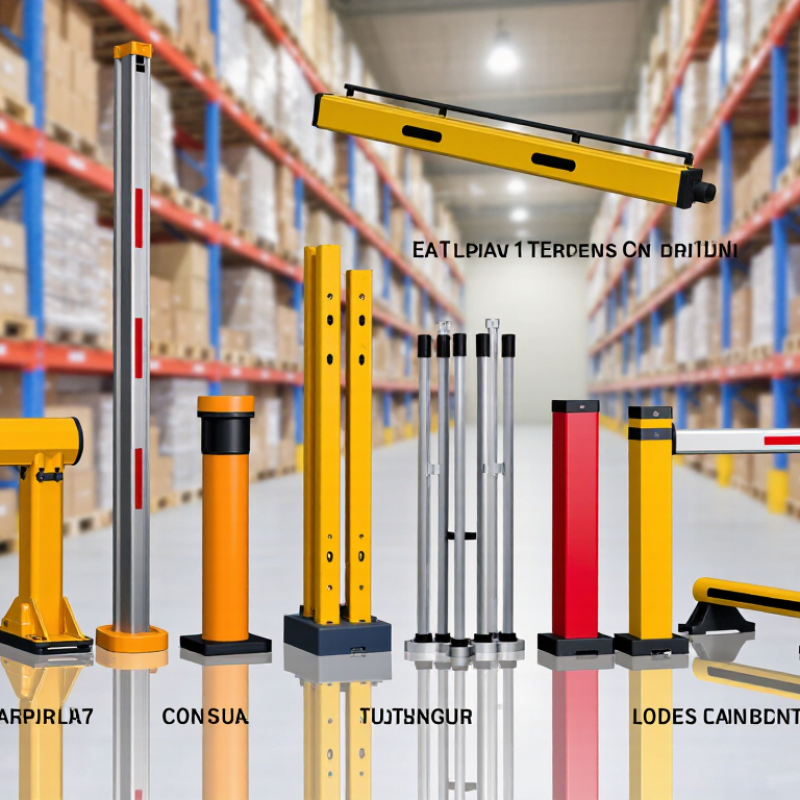
What Are the Top 10 Impact Racks for Global Buyers?

What Impact Racks Are and Where They Are Used

In warehouse settings, impact racks are pallet-storage systems fitted with protective features to help reduce damage from incidental equipment contact. Upright frames carry horizontal beams, while guards or barriers shield vulnerable posts and aisle ends. The exact setup varies with rack design, vehicle type, and traffic flow. A guard is not a repair.

These systems are common in distribution centers, manufacturing plants, and large stockrooms. At a busy aisle entrance, a forklift may turn with a loaded pallet and clip an exposed upright. In a loading area, repeated cart or pallet-truck contact can also wear down lower rack components. Protective barriers can help keep these everyday bumps away from critical supports.

Impact racks are useful wherever stored goods and moving equipment share tight spaces, including chilled storage areas and high-throughput picking zones. Good selection starts with checking load ratings, aisle width, floor condition, and the size of handling equipment. Anchoring and installation matter, too. Even a sturdy guard can shift if poorly fixed. After a collision, staff should inspect the rack and follow the site’s safety procedures; visible damage may not tell the whole story. A small dent deserves attention.

How Impact Racks Absorb Impact and Protect Conveyor Belts

What Are the Top 10 Impact Racks for Global Buyers?
How Impact Racks Absorb Impact and Protect Conveyor Belts

At a loading point, falling ore or stone can strike a conveyor belt with considerable force. Impact racks support the belt beneath this transfer zone, helping reduce sag, punctures, and damage to the structure. Their rollers or impact bars spread the load across a wider area. A rubber surface can cushion sharp, repeated blows.

Rack designs vary by belt width, chute height, material size, and operating conditions. Some use closely spaced impact rollers; others use low-friction bars that create a steadier support surface. The frame must stay aligned and secure under load. Check bar spacing, roller rotation, fasteners, and belt tracking during routine inspections. Small alignment errors can cause uneven wear. That is easy to overlook. In practice, even a well-sized rack may need adjustment when the material or feed rate changes.

Tips: Match the rack to the actual drop height and lump size, not just the conveyor width. Look for cracked cushioning, loose bolts, or trapped material. Replace worn components promptly, and confirm the belt runs centrally after maintenance. No rack removes every impact. Conditions change, so inspect the transfer point regularly.

Key Specifications for Comparing Impact Rack Options

Comparing impact rack options starts with the load rating, not the advertised maximum. Check whether capacity applies to each beam level or the full bay, and confirm the assumed pallet weight and load distribution. Small print matters. Compare upright height, frame depth, beam length, and steel thickness against your actual pallet dimensions. A rack that fits the footprint may still leave too little clearance for safe handling.

Impact protection deserves equal attention. Look for guard placement, attachment method, and replaceable components; a floor-mounted protector can behave differently from one fixed to an upright. Ask how anchors, floor condition, and installation affect the stated capacity. Details matter. Finish also counts: assess coating quality for the humidity, temperature changes, and cleaning routine in your facility. For international sourcing, request dimensioned drawings, load tables, material details, and inspection guidance in a format your engineering team can verify. Compare options using the same assumptions, or the numbers can mislead.

Before selecting among ten candidates, map aisle widths, forklift turning paths, and sprinkler or lighting clearances. Measure twice. A lower-cost rack may require extra guards or adjustments after delivery, while a heavier design may reduce usable space. There is no perfect comparison sheet; site conditions are easy to underestimate. Have a qualified storage-system professional review the layout and confirm that the proposed configuration matches your pallets, floor, and operating loads.

Ten Impact Rack Choices for Different Conveyor Applications

What Are the Top 10 Impact Racks for Global Buyers?

Ten Impact Rack Choices for Different Conveyor Applications

Higher conveyor speeds make loading-zone protection more important. MHI’s 2024 Annual Industry Report found that 55% of surveyed supply-chain professionals expected to adopt robotics and automation within five years. That trend can mean more frequent, concentrated loading. Choose an impact rack for the material, drop height, belt width, and maintenance access—not just its purchase price.

Ten options suit different conditions:

  1. Heavy-duty bar racks for large, sharp rock;
  2. low-profile racks where clearance is limited;
  3. adjustable-height racks for changing belt profiles;
  4. modular racks for quick section replacement;
  5. deep-trough racks for wide, heavily loaded belts;
  6. cushioned roller racks for lower-impact packages;
  7. sealed-edge racks where spillage is common;
  8. corrosion-resistant racks for wet or washdown areas;
  9. portable racks for temporary transfer points; and
  10. reinforced racks for high-drop loading.

Actual service life varies. A mismatch in height or trough angle can still damage the belt.

Tips: Measure the loaded belt, not the empty one. Check skirt clearance and inspect the impact bars after installation. One detail is easy to miss: uneven bar wear may point to an off-center loading stream, not a weak rack. Use the conveyor maker’s specifications and a site inspection before ordering.

How Global Buyers Assess Suppliers, Standards, and Total Cost

What Are the Top 10 Impact Racks for Global Buyers?
How Global Buyers Assess Suppliers, Standards, and Total Cost

For global buyers, a rack’s quoted price is only one part of the decision. Compare load capacity, steel specification, connection details, finish, and replacement-part availability. Ask suppliers for engineering calculations, clear load plaques, installation instructions, and inspection guidance. Check that designs address local seismic conditions and relevant standards, such as ANSI MH16.1 or EN 15512. Requirements vary by market, so one certificate may not cover every site.

Safety deserves close attention. The U.S. Bureau of Labor Statistics reported a 2023 recordable-injury rate of 4.4 cases per 100 full-time workers in transportation and warehousing, versus 2.4 across private industry. This is not a rack-failure rate, but it underscores the value of sound warehouse risk controls. A low quote can still be costly. Ask for total-cost comparisons covering freight, installation, anchors, inspections, repairs, and downtime. Request references for similar loads and operating conditions, then check how quickly damaged components can be replaced. Small details matter. Even experienced teams can overlook future repair access. Include it in the review.

What Are the Top 10 Impact Racks for Global Buyers?

How global buyers assess suppliers, standards, and total cost

The chart ranks supplier-evaluation criteria, not rack brands. Scores are an illustrative 100-point framework, not results from a published buyer survey. Relevant standards include ANSI MH16.1 and EN 15512; buyers should confirm which requirements apply to their project and location.

FAQS

What is an impact rack in a warehouse?

It is a pallet-storage system with guards or barriers around vulnerable supports. These features help reduce damage from everyday bumps. A guard is not a repair.

Where are impact racks commonly used?

They suit distribution centers, manufacturing plants, and large stockrooms. They can also help in chilled storage and busy picking areas. Tight spaces need careful planning.

How do impact racks support conveyor belts?

They sit beneath transfer points where falling material can hit the belt. Rollers or impact bars spread the force across a wider area. Rubber cushioning can soften repeated blows.

How should a conveyor impact rack be selected?

Consider belt width, drop height, material size, and operating conditions. Match the rack to the actual falling material, not width alone. Feed rates can change.

What should staff inspect on an impact rack?

Check guards, fasteners, roller movement, bar spacing, and frame alignment. Look for cracked cushioning or trapped material. Small alignment errors are easy to miss.

What should happen after a rack is struck?

Staff should inspect it and follow the site’s safety procedures. Visible dents may not show the full damage. A small dent deserves attention.

What details should buyers compare beyond the quoted price?

Compare load capacity, steel details, connections, finish, and replacement-part availability. Include freight, installation, anchors, inspections, repairs, and downtime. Future repair access is easy to overlook.

Can an impact rack prevent all damage?

No rack removes every impact. Regular checks can help catch wear and shifting before they worsen. Even a well-sized rack may need adjustment.

Conclusion

Impact Racks are protective structures installed at conveyor loading and transfer points, where falling or moving materials can place heavy stress on belts and supporting components. By using impact bars, rollers, and a reinforced frame, they distribute incoming force across a wider area, helping reduce belt damage, material spillage, and maintenance interruptions. Their design and placement should match the material, drop height, loading conditions, belt width, and operating environment.

Comparing the top ten Impact Racks for different applications means looking beyond basic dimensions. Buyers can assess load capacity, bar surface and spacing, frame strength, adjustability, installation needs, and expected service life. For global purchasing, supplier evaluation also includes manufacturing consistency, relevant quality documentation, communication, delivery capability, spare-parts availability, and total cost of ownership. A well-matched rack can support safer, more reliable conveyor operation while helping control long-term maintenance costs.

Ethan

Ethan

Ethan is a seasoned marketing professional with a deep expertise in our company's innovative product line. With a passion for sharing knowledge and insights, he takes the lead in regularly updating our corporate blog, where he explores industry trends, product features, and effective marketing......