In 2026, global buyers are increasingly turning their attention to Mezzanine Systems. These systems revolutionize space utilization in warehouses and commercial spaces. According to industry expert John Smith, renowned for his work in warehouse optimization, “Mezzanine Systems are game-changers for maximizing vertical space.” His insights highlight the growing significance of innovative solutions in the logistics sector.
As businesses strive for efficiency, Mezzanine Systems offer multifunctional platforms. They provide additional storage without the need for expansive floor space. This feature is crucial in areas where real estate costs are rising. However, selecting the right system can be daunting. Buyers must consider load capacities, safety standards, and future scalability.
Challenges exist in integrating new Mezzanine Systems with existing infrastructure. Companies often underestimate the importance of professional installation and maintenance. Not all providers guarantee a reliable service. Buyers must conduct thorough research and seek trusted vendors. This diligence can prevent costly mistakes and ensure a successful implementation.
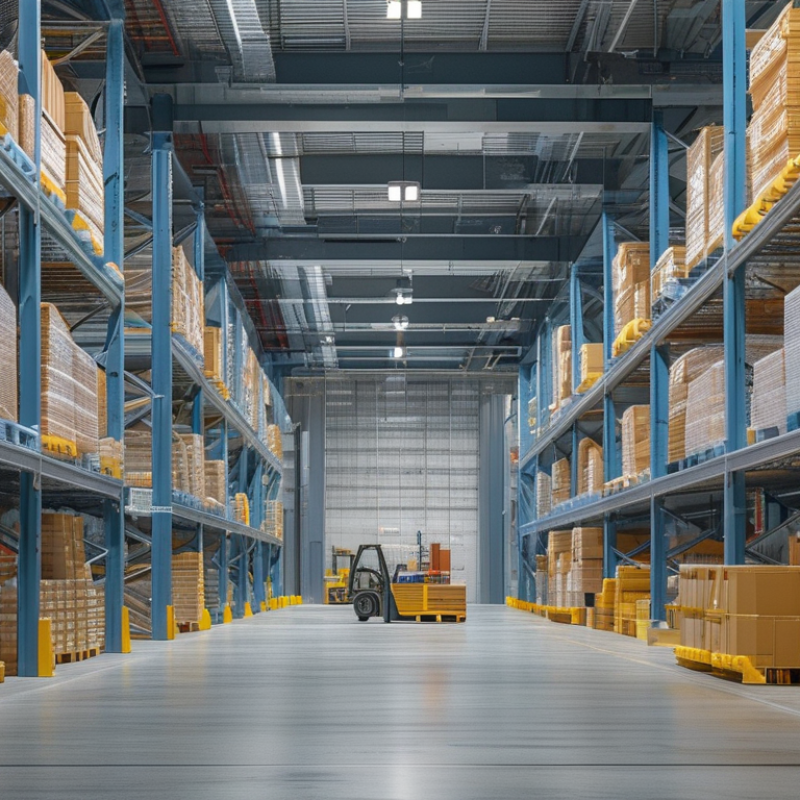
Overview of Mezzanine Systems and Their Applications
Mezzanine systems play a crucial role in modern warehousing and logistics. They maximize vertical space, allowing businesses to increase storage capacity. As the global e-commerce market expands, the demand for efficient storage solutions rises. In fact, a recent industry report indicated that the mezzanine flooring market is expected to grow by 10% annually, reaching $1.2 billion by 2026.
These systems are highly versatile. They enhance existing facilities by creating multi-level storage spaces without major renovations. Effective design allows for varied applications, from retail stockrooms to manufacturing facilities. Each environment presents unique challenges. For example, weight distribution and safety codes must be considered during installation. Ignoring these factors can lead to significant issues, including structural instability.
Moreover, the choice of materials impacts functionality and durability. Steel and aluminum mezzanines offer strength but can be costly. Alternatives like wood are lighter and more affordable, yet not always as reliable. The right decision often depends on specific usage needs and budget constraints. As businesses adopt mezzanine systems, continuous evaluation and adaptation to industry standards are essential for success.
Key Factors Influencing Mezzanine Systems Selection in 2026
When selecting mezzanine systems in 2026, several key factors come into play. The structural integrity of materials is crucial. Buyers need reliable options that ensure safety and durability. A robust design can accommodate diverse loads. Engineers emphasize the importance of adhering to safety standards.
Another critical aspect is flexibility in design. Modular systems are in demand for their adaptability. This allows for easy reconfiguration to meet changing needs. Buyers benefit from options that adapt without extensive modifications. Cost-efficiency also matters, influencing long-term investment decisions.
Sustainability is increasingly shaping preferences. Eco-friendly materials resonate with many buyers. They seek systems that minimize environmental impact. Energy-efficient designs can reduce operational costs. However, buyers must balance sustainability with budget constraints. The market is evolving, and choices become more complex.
Top 10 Mezzanine Systems for Various Industries
The demand for mezzanine systems is surging across various industries. According to a recent industry report, the global mezzanine flooring market is projected to grow at a CAGR of 8.5% from 2023 to 2026. This growth reflects the need for efficient space utilization in warehouses, manufacturing facilities, and retail spaces.
In logistics, mezzanine systems enhance vertical storage. They create additional levels without extensive renovations, making them the perfect solution for maximizing warehouse capacity. In manufacturing, mezzanine structures support operations with overhead storage and workspaces. This allows for better workflow and organization, leading to increased productivity.
Tips: Always assess your specific space requirements before selecting a mezzanine system. Each industry has unique specifications and standards. For retail spaces, consider how customer access and visibility can be improved through smart design. Furthermore, navigating compliance can be tricky; stay updated on local building regulations to avoid costly setbacks.
Comparative Analysis of Mezzanine Systems Based on Key Features
In 2026, global buyers will encounter a variety of mezzanine systems, each varying in key features. These systems serve important roles in optimizing storage capacity and enhancing operational efficiency. Factors like load capacity, design versatility, and installation ease are critical for effective decision-making. Buyers should assess whether the system meets their specific needs and operational constraints.
Load capacity is crucial. It determines how much weight the system can safely hold. Systems designed for heavier loads may cost more but offer durability and reduced risk of collapse. Design versatility is equally significant. Some systems allow for custom configurations, catering to unique warehouse layouts. Installation ease cannot be overlooked. A complex installation process may delay operations and incur higher labor costs.
Reliability and maintenance are ongoing concerns. Some systems might require more frequent upkeep, affecting long-term operational costs. Users should reflect on past experiences and potential challenges. Choosing the right mezzanine system involves balancing immediate benefits and future adaptability. This analysis reveals the need for careful consideration in the selection process.
Future Trends in Mezzanine System Technology and Design
As we look toward 2026, mezzanine systems are evolving rapidly. New technologies focus on enhancing efficiency while reducing costs. Modular designs offer flexibility, allowing spaces to be tailored to specific needs. This adaptability meets the demands of diverse industries, from logistics to retail.
Sustainability is a key trend in mezzanine system design. Many innovations prioritize eco-friendly materials and energy-efficient solutions. However, the transition isn't always smooth. Organizations may face challenges in integrating these systems with existing infrastructures. Balancing innovation and practicality is crucial.
User experience plays a vital role in future designs. Increasingly, the emphasis is on creating accessible, user-friendly environments. Feedback from users can guide improvements, but there are inherent complexities. Not all solutions are one-size-fits-all, and customization may require additional resources. A thoughtful approach is necessary to navigate these innovations effectively.
Top 10 Mezzanine Systems for Global Buyers in 2026
This chart displays the projected market share of different mezzanine system technologies based on various design features and trends anticipated in 2026.
FAQS
: Mezzanine systems maximize space in warehouses, manufacturing, and retail areas. They enhance vertical storage and workflow.
Assess your space requirements. Every industry has unique specifications and standards to consider.
Key factors include load capacity, design versatility, and installation ease. Each affects your operational efficiency.
Load capacity determines weight support. Systems for heavier loads offer more durability but may cost more.
Yes, organizations may struggle with integrating eco-friendly systems into existing structures.
User feedback is vital for improvements. Customization may require extra resources and isn't always practical.
Some systems might need frequent upkeep, increasing long-term operational costs and requiring careful planning.
Smart design can improve customer access and visibility, creating a better shopping experience.
Yes, some systems offer custom configurations, but this may require more planning and resources.
Overlooking compliance with local building regulations can lead to costly setbacks and delays.
Conclusion
The article "Top 10 Mezzanine Systems for Global Buyers in 2026" provides a comprehensive overview of mezzanine systems, highlighting their diverse applications across various industries. Mezzanine systems are elevated platforms that optimize vertical space, making them essential for storage, office, and manufacturing environments. Key factors influencing the selection of these systems in 2026 include load capacity, ease of installation, and customization options to meet specific industry needs.
The article also presents a comparative analysis of the top ten mezzanine systems, identifying crucial features such as durability, flexibility, and safety systems that differentiate them. Moreover, it discusses future trends in mezzanine system technology and design, emphasizing the shift toward sustainable materials and smart integration. This summary encapsulates the essential insights for global buyers aiming to make informed decisions about mezzanine systems in the coming years.

 Kimsuk Storage