In today's fast-paced world, effective space management is essential. Shelving systems play a crucial role in optimizing both commercial and residential spaces. According to Dr. Lucy Harmon, a leading expert in storage solutions, "A well-designed shelving system can transform clutter into organization."
Various shelving systems highlight creativity and functionality. From adjustable shelves to modular designs, these systems provide versatility. However, not all solutions suit every space. It’s vital to consider the environment and individual needs. Many overlook the importance of selecting the right materials and layout, leading to inefficiencies.
Choosing the correct shelving system can make a substantial difference. Taking time to assess options is beneficial. Mistakes often arise from rushing decisions. Every inch counts, and a thoughtful approach ensures your space meets its maximum potential. This exploration into the top 10 shelving systems will guide you in making informed choices.
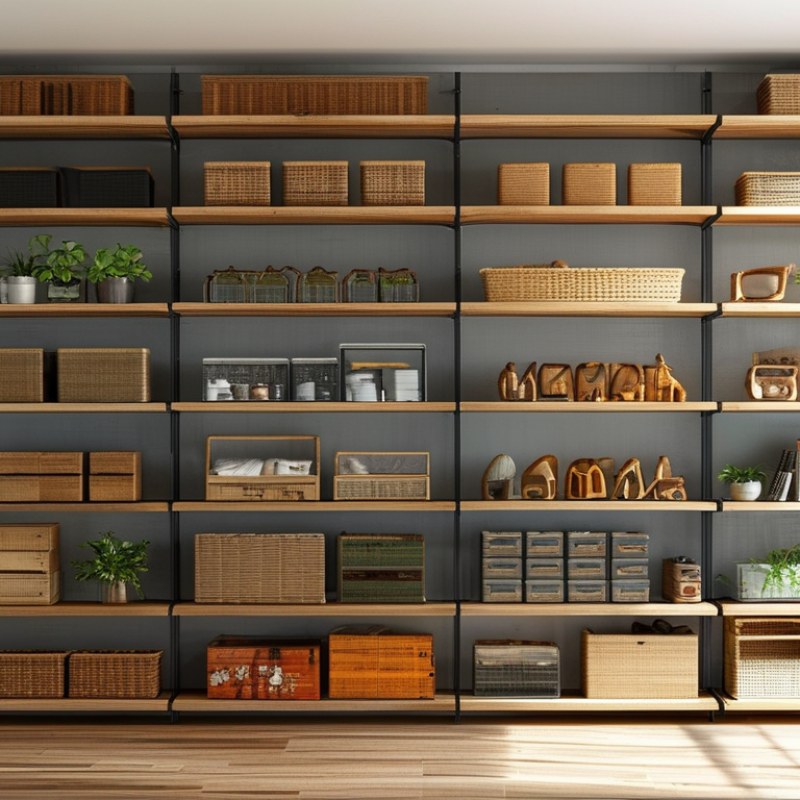
In today's fast-paced environment, efficient space management is crucial. Effective shelving systems play a vital role in maximizing available space. Statistics indicate that clutter can reduce productivity by up to 30%. This highlights the importance of organized storage solutions in both commercial and residential settings.
Implementing versatile shelving systems allows for better organization. Reports suggest that 45% of businesses struggle with space utilization. Companies often waste money on renting additional space because their current storage is inefficient. Easy access to stored items saves time and minimizes disruption in workflow. Additionally, properly designed shelving systems can enhance safety by reducing hazards associated with clutter.
However, not all shelving systems are foolproof. Some designs may not withstand heavy loads, posing risks of damage or injury. Organizations must evaluate their storage needs carefully. They should also reassess shelving strategies regularly. Continuous improvement can lead to significant benefits in space management. Balancing functionality with aesthetics is essential for an efficient workplace. Recognizing the flaws in existing systems can help drive better solutions.
When it comes to efficient space management, understanding different types of shelving systems is crucial. Fixed shelving offers stability and strength. It's ideal for spaces where heavy items need to be stored permanently. These systems can be framed against walls or installed as standalone units. However, they lack flexibility. If your storage needs change, you may face limitations with fixed setups.
Adjustable shelving provides versatility. Users can modify the height of the shelves according to the items they need to store. This adaptability makes them suitable for a variety of spaces. An adjustable system can be excellent for both households and businesses. However, frequent adjustments may result in wear and tear over time.
Mobile shelving is another innovative solution. These units can be moved to create more space when needed. They are especially beneficial in environments like libraries or archives. While they maximize usability, they may require more maintenance. Keeping wheels and tracks clean is essential to avoid malfunctions. Balancing efficiency and functionality with wear and tear is a challenge many face when choosing a shelving system.
When selecting a shelving system, material options play a critical role in both durability and aesthetic appeal. Wood is a classic choice. It offers warmth and elegance. However, it can be prone to scratches and warping over time. For a more modern look, metal shelves are often appealing. They are sturdy and can support heavier loads. Yet, they can sometimes appear too industrial or cold in certain settings.
Another option is plastic, which boasts versatility and resistance to moisture. Plastic shelves come in various colors and styles, making them suitable for multiple spaces. Still, one must consider their weight capacity, as they may not hold as much as wood or metal. Each material has its pros and cons. Therefore, it's essential to reflect on both the aesthetic you wish to achieve and the practical demands of your space. Always remember, a balance of these factors will lead to a more harmonious and efficient environment.
When selecting a shelving system, certain key features stand out. First, consider the load capacity. Industrial shelving can typically withstand significant weights, some systems can hold up to 2000 pounds per shelf. This is essential for settings where heavy items are common, like warehouses. Inappropriate choices can lead to safety hazards.
Another critical attribute is the material used. Metal shelving systems are known for their durability. According to industry reports, they can last up to 20 years with proper maintenance. Wood systems, while aesthetically pleasing, often have shorter lifespans. It’s important to weigh these factors based on your storage needs and aesthetic preferences.
Adjustability is also key. Flexible systems allow users to customize shelf heights. This adaptability can optimize storage efficiency. A study indicated that businesses using adjustable shelving improved their space management by as much as 30%. Nonetheless, the initial investment may be higher than fixed systems. Balancing cost and functionality requires careful consideration.
Maximizing space efficiency with shelving systems requires careful planning and creativity. Start by assessing your available space. Measure your walls and floor area accurately. Identify areas that are often overlooked, such as corners and high ceilings. These spaces can be great opportunities for vertical shelving that utilizes every inch of your area.
When selecting shelving, consider the weight and size of items you want to store. Shelving systems made from sturdy materials provide better support and durability. Balance aesthetics with function. Open shelving can create an airy feel while allowing easy access to everyday items. Closed cabinets are great for keeping less frequently used items out of sight. Use bins and labels for organization. It is easy to forget what you have without proper labeling.
Lastly, be open to adjusting your system as your needs change. Regularly evaluate what works and what doesn’t. This might be uncomfortable but is essential for improving efficiency. Sometimes, the best solutions are the simplest. Even a minor rearrangement can make a considerable difference in workflow and accessibility. Pay attention, reflect on your organization style, and don’t hesitate to experiment.
This chart illustrates the storage capacity (in cubic feet) and weight capacity (in pounds) of the top 10 shelving systems based on space efficiency criteria.
: Wood offers warmth but may warp. Metal is durable but can seem cold. Plastic is versatile but has lower weight capacity.
Industrial systems can support up to 2000 pounds. Always check load capacity to avoid safety hazards.
Adjustable shelves optimize space use. They can improve efficiency but may cost more initially. Reflect on your needs.
Measure accurately and utilize overlooked areas. Vertical shelving can enhance storage in tight spaces.
Balance both. Open shelving provides access but can look cluttered. Closed cabinets hide items but may require searching.
Regular evaluation is essential. Adjustments might be uncomfortable but can significantly improve efficiency and workflow.
Shelving systems play a crucial role in efficient space management, providing versatile solutions to organize and maximize available areas. There are various types of shelving systems, including fixed, adjustable, and mobile options, each catering to different spatial needs and preferences. The choice of materials is also essential, as durability and aesthetic appeal can significantly impact the overall effectiveness of the storage solution.
When selecting a shelving system, key features such as weight capacity, modularity, and accessibility should be carefully considered to enhance functionality. Additionally, implementing tips for maximizing space efficiency, such as strategic placement and utilizing vertical space, can further optimize the organization of items within any given area. Ultimately, the right shelving system can transform cluttered spaces into well-organized environments, making it an invaluable asset in both home and work settings.

Kimsuk Storage