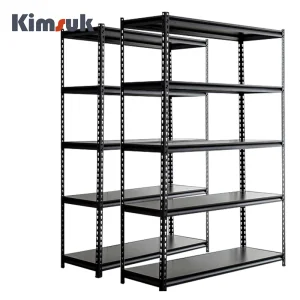
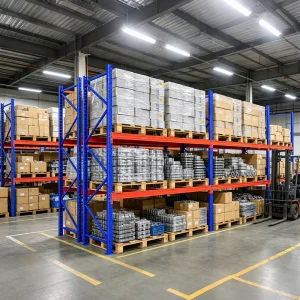
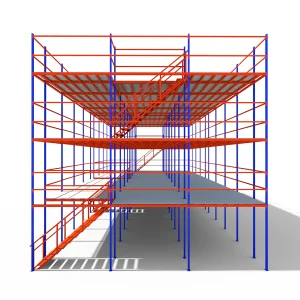
High-capacity structural steel systems engineered for maximum warehouse storage density and safe logistics handling.

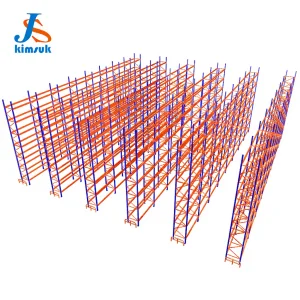


Unlocking density, minimizing dwell time, and shifting to automated gravity-driven warehouse configurations.
The industrial logistics sector is experiencing an unprecedented push toward automation and density. Traditional selective racking system configurations, while versatile, present severe space limitations in rapidly growing land markets. This is where Live Storage Racks, also recognized globally as gravity flow racking systems, become crucial. Operating on a strict First-In, First-Out (FIFO) methodology, these systems leverage an inclined plane and roller lanes to slide heavy pallets automatically from the loading aisle to the unloading face. By consolidating multiple aisles into one continuous, high-density block, live storage configurations reduce the required floor footprint by up to 60% while simultaneously lowering internal fuel, forklift transit time, and labor costs.
As supply chains pivot to accommodate high-turnover items, cold storage facilities, and fast-moving consumer goods (FMCG) distribution centers, the engineering demand for structural stability and CE compliance has grown exponentially. Modern live racks incorporate sophisticated design features, such as centrifugal speed controller brakes, custom incline adjustments, and dynamic entry guides. These advancements minimize operational friction and prevent runaway pallets, protecting both warehouse personnel and valuable inventory assets.
Why CE certification, EN 15512 compliance, and high-tensile metallurgy represent non-negotiable procurement metrics.
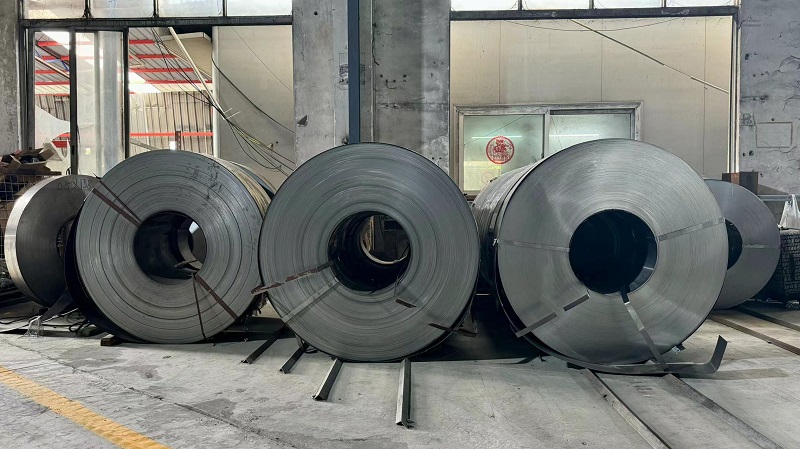
We utilize premium certified steel alloys like Q235B and Q355B. This provides the optimal elastic limit, high structural yield strength, and excellent load deflection ratios under heavy dynamic loads. Our structural raw materials undergo rigorous chemical verification prior to cold roll forming.
Our engineering calculations strictly follow European EN 15512 codes for steel static storage systems. We run detailed Finite Element Analysis (FEA) models to simulate real-world physical stresses. This guarantees structural stability under vertical loads, horizontal seismic thrusts, and dynamic impacts.
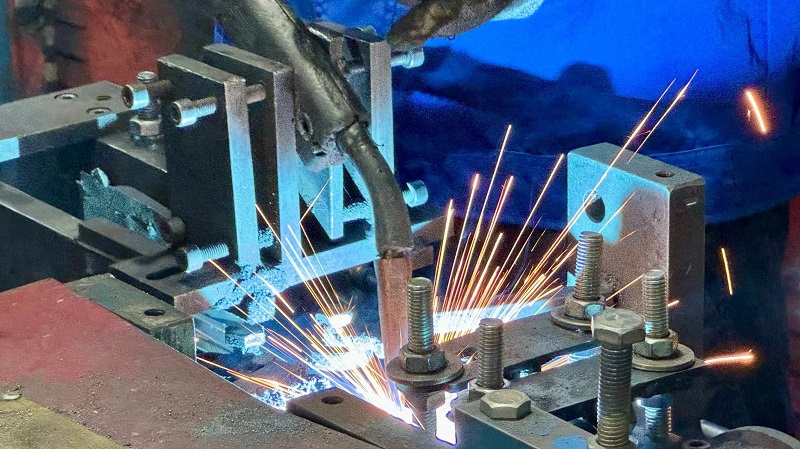
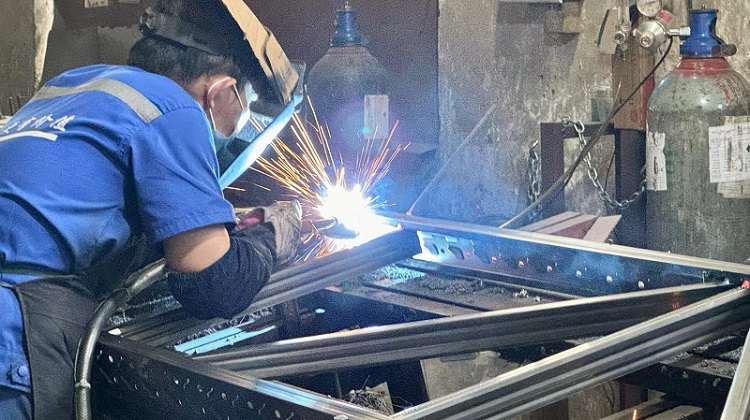
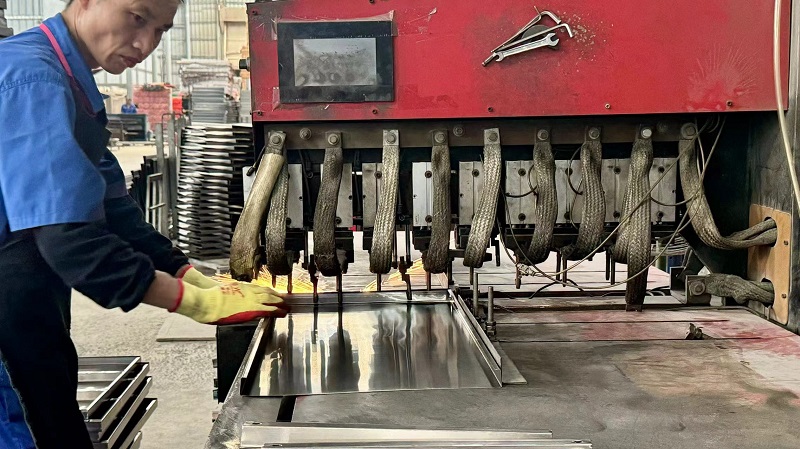
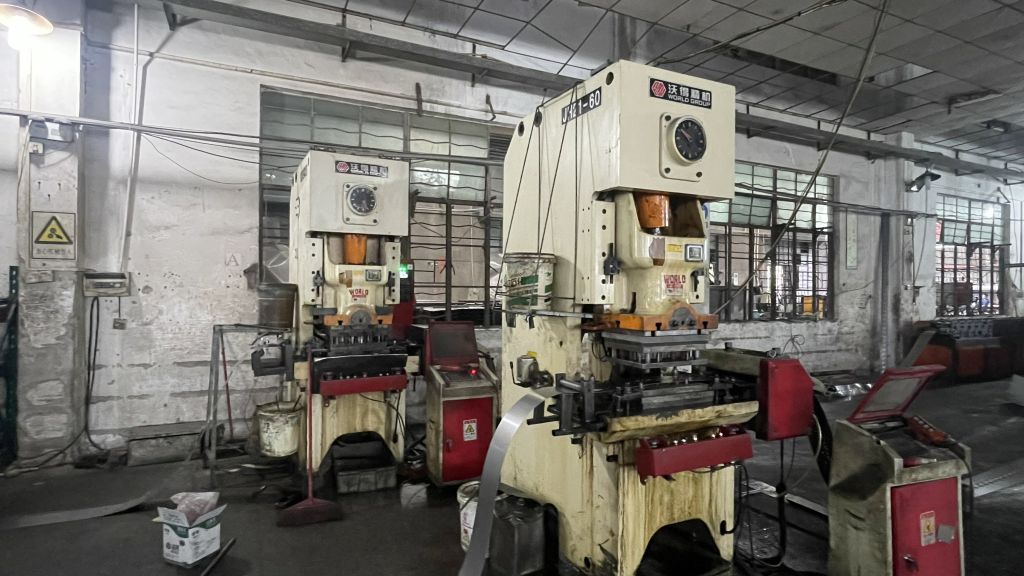
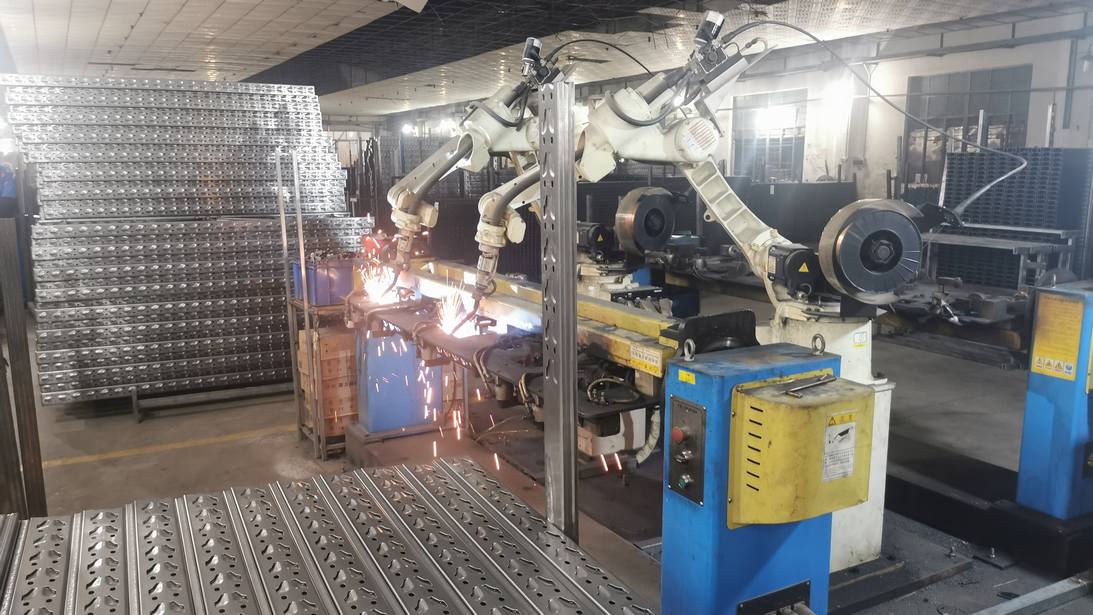
CE marking indicates full conformity to European health, safety, and environmental protection standards. It ensures our manufacturing pipeline—from punching accuracy down to structural weld integrity—satisfies safety regulations, enabling smooth customs clearance and compliant operation.
For operations managers and structural engineers, procuring gravity flow solutions without proper compliance certificates creates immense legal and financial risk. In the European Union, standard EN 15620 regulates the necessary dimensional tolerances, structural deflections, and aisle clearances required for safe automated warehouse operation. A minor deviation of 2 millimeters in frame alignment can cause dynamic pallet drift, roller locking, or catastrophic failure of the gravity-fed aisle. Our engineering teams perform comprehensive testing to verify that rollers, speed controllers, and entry plates are calibrated to work in unison under variable weight configurations.
An authoritative global manufacturer delivering structural safety, robust engineering, and tailored warehouse racking since 2016.
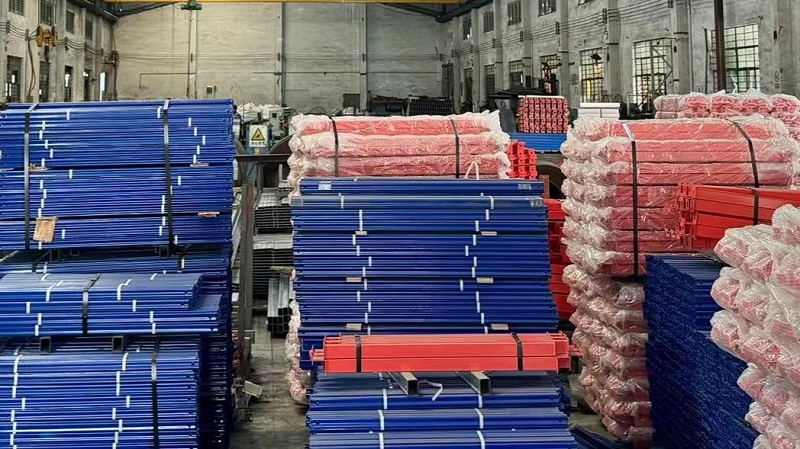
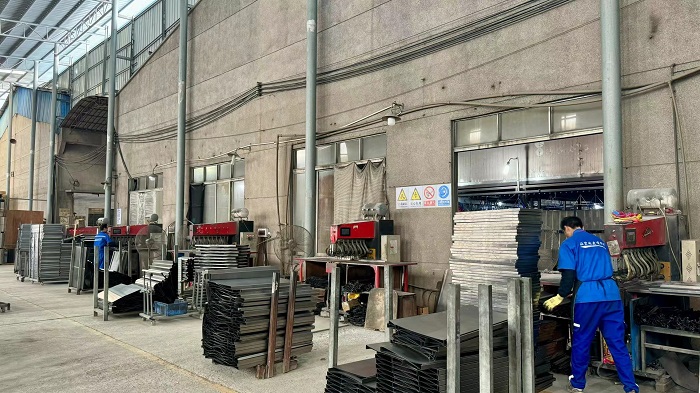
Established in 2016, Shenzhen Kimsuk Storage Equipment Manufacturing Co., Ltd. specializes in the design, manufacturing, and global supply of high-quality warehouse storage equipment. With an expansive state-of-the-art factory area spanning 18,500㎡, we provide professional, certified storage solutions for warehouses, factories, logistics centers, and complex industrial applications worldwide.
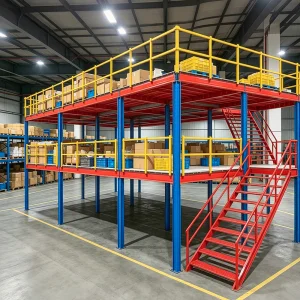
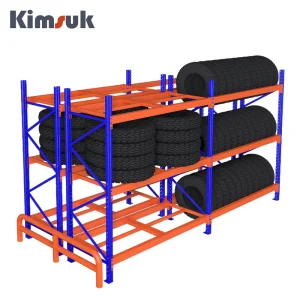
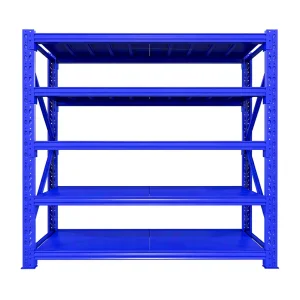
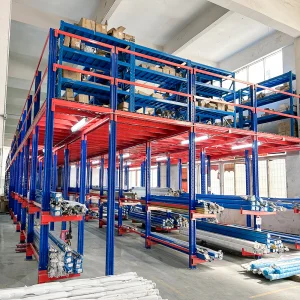
With an annual export revenue of approximately $12 million and 8 years of dedicated export experience, Kimsuk has accumulated more than 14 years of industry experience in warehouse racking and storage equipment manufacturing. Our comprehensive catalog includes pallet racks, heavy-duty racks, cantilever racks, mezzanine floors, shelving systems, and customized gravity flow storage systems designed for specialized logistics lanes.
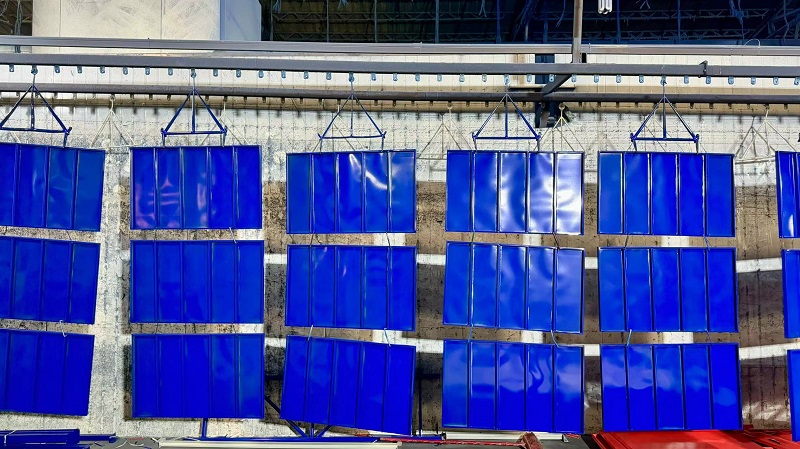
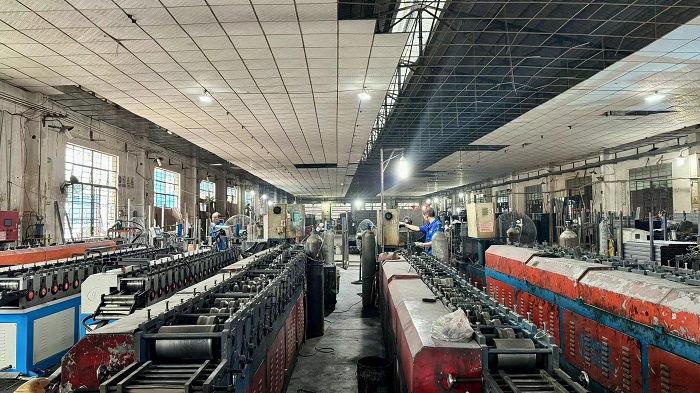
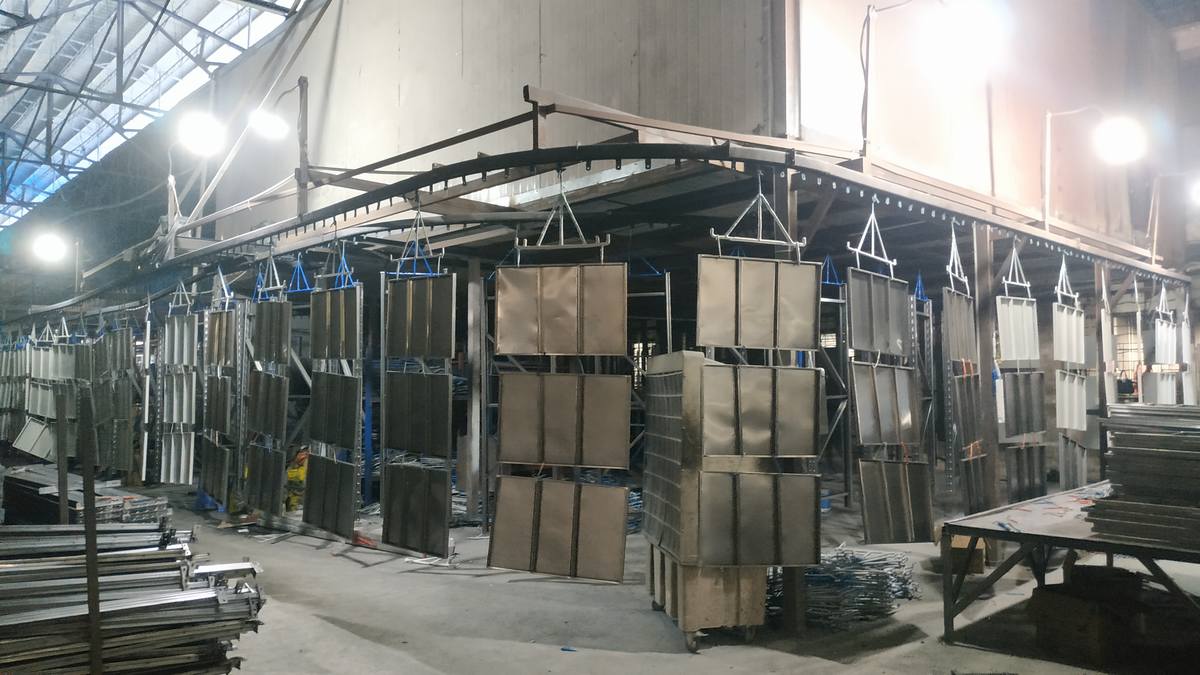
We implement strict, multi-stage quality control procedures throughout our production process. Our QA checklist includes raw material chemical inspection, welding quality checks, surface treatment thickness, dimensional accuracy testing, dynamic load-bearing tests, and final product performance evaluation.
Each component undergoes inspection using professional equipment, including laser measurement tools, load testing machines, coating thickness gauges, and precision measuring instruments, backed by our team of 45 experienced inspectors.
Every stage of production is fully trace-monitored, meeting international compliance requirements.
Navigating complex international standard frameworks and supply chain requirements.
Procuring raw warehouse racking from overseas factories requires managing diverse regional building codes and shipping constraints. In North America, the RMI (Rack Manufacturers Institute) standard governs calculations, whereas Europe adheres to FEM and EN specifications. International buyers look for manufacturers who can modify frame sizing, adjust load capabilities, and provide customized seismic anchoring configurations. This ensures compliance with local building inspections and guarantees safe operation.
At Shenzhen Kimsuk, our global footprint covers North America, Europe, Southeast Asia, the Middle East, Australia, and South America, supported by a network of over 850 supply chain partners. This strong network secures high-grade steel supplies at stable price points, enabling us to deliver cost-effective and structurally sound storage solutions.
High-velocity SKU rotation is critical. By using gravity flow designs, products roll smoothly to the pick face, reducing travel time for operators and keeping picking aisles completely separate from replenishment zones.
Refrigeration is energy-intensive. Maximizing footprint volume is key to lowering utility costs. Our high-density gravity flow racks work reliably down to -30°C, using low-temperature lubricants and specialized structural steels.
For production lines feeding raw components, we supply integrated gravity flow lanes. These link assembly staging directly with final packaging, maintaining a smooth parts supply line and a clean floor layout.
Looking ahead: Dynamic simulation software, intelligent self-braking rollers, and ecological powder coatings.
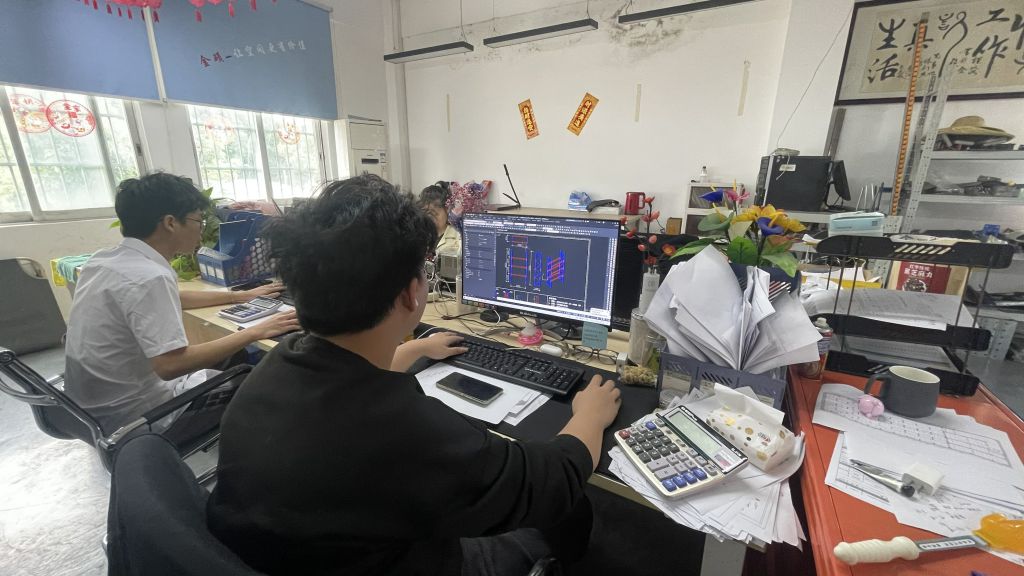
The next generation of racking goes beyond static steel frames. Shenzhen Kimsuk is actively developing smart storage components. Over the past year, we have introduced more than 120 new products and structural improvements, guided by our R&D department of 18 professional engineers. Our design process utilizes structural optimization modeling to reduce raw material usage while maintaining high structural load limits.
Our upcoming product generation includes smart sensor integration. We are prototyping gravity roller tracks with built-in speed monitoring telemetry. These track pallet velocities in real-time, helping to prevent collisions. Additionally, we use eco-friendly powder coatings that emit zero VOCs during manufacturing. This provides durable, corrosion-resistant surfaces suitable for pharmaceutical and food-grade operations.
Clear, authoritative technical answers regarding pallet flow systems, installation requirements, and safety compliance.
Discover our wider range of storage solutions, including heavy-duty industrial shelving, mezzanine platforms, and cantilever systems.


 Kimsuk Storage