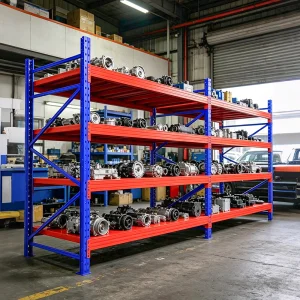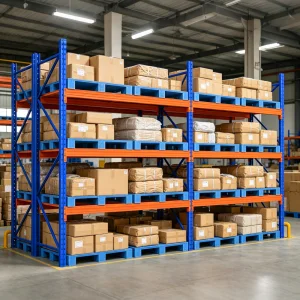


In modern supply chain management, the efficiency of storage infrastructure determines the throughput and scalability of the entire enterprise. As global logistics spaces become increasingly expensive and high-density inventory setups become mandatory, basic shelf systems are no longer sufficient. Modern smart industrial facilities demand specialized, highly modular structural designs. Heavy-duty tool racks, pallet rack structures, and cantilever setups have evolved from mere steel frameworks into complex engineering assemblies designed to optimize vertical warehouse space.
This transition is driven by the global expansion of e-commerce, third-party logistics (3PL) services, and precision manufacturing. Facility managers are shifting from floor-based storage layouts to high-elevation racking configurations. This transition requires structural integrity that can withstand continuous loading and unloading processes. Today's tool racks and warehouse shelving systems must feature modular adaptability, corrosion resistance, and verified safety certifications to protect both inventory and personnel.
For multinational procurement agents and project contractors, the structural integrity of industrial steel racking is a primary liability concern. The CE (Conformité Européenne) mark on tool racks is not just a regulatory formality—it is proof that the storage system meets strict health, safety, and environmental standards. CE-certified systems comply with standard EN 15512 (Steel static storage systems - Adjustable pallet racking systems - Principles for structural design) and EN 15635 (Steel static storage systems - Application and maintenance of storage equipment).
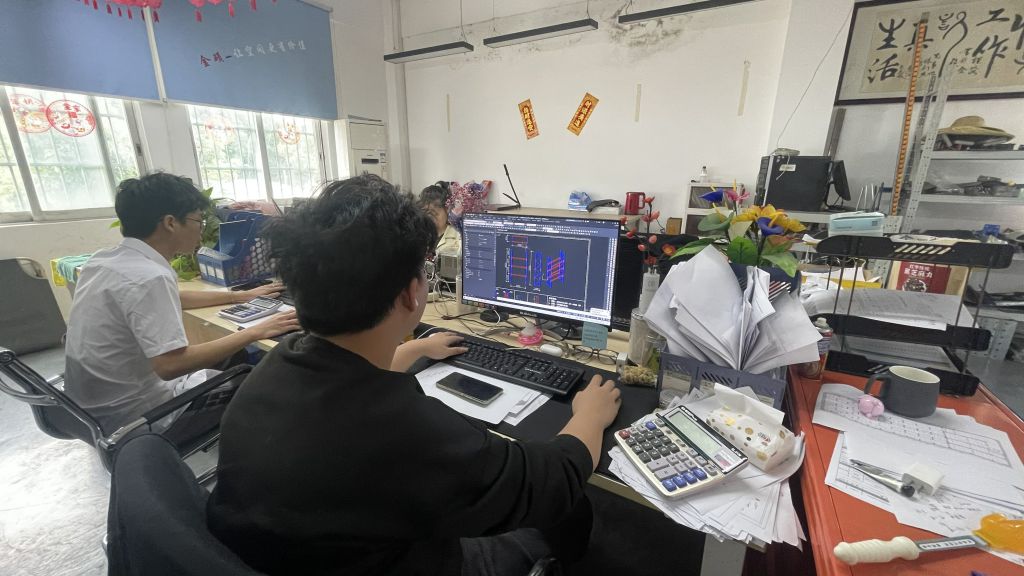
Without CE certification, industrial racking installations in the European Union and other major global markets face immediate compliance rejections, insurance voids, and severe operational penalties in the event of load failure. Certified tool racks undergo extensive structural load calculations, finite element analysis (FEA), and physical stress testing to verify their performance limits. This ensures that stated maximum load limits (ranging from 1,000kg to over 5,000kg per level) are backed by proven engineering data.
The manufacturing of heavy-duty industrial storage racks has transitioned from basic metallurgy to automated precision engineering. Through the integration of Factory 4.0 standards, Chinese manufacturing hubs have optimized the supply chain for structural steel fabrication. This modernization allows for consistent quality control, fast turnaround times, and competitive global delivery solutions.
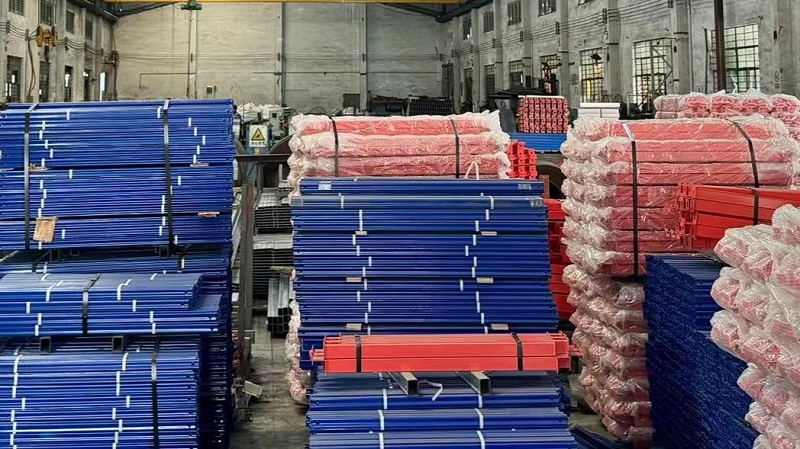
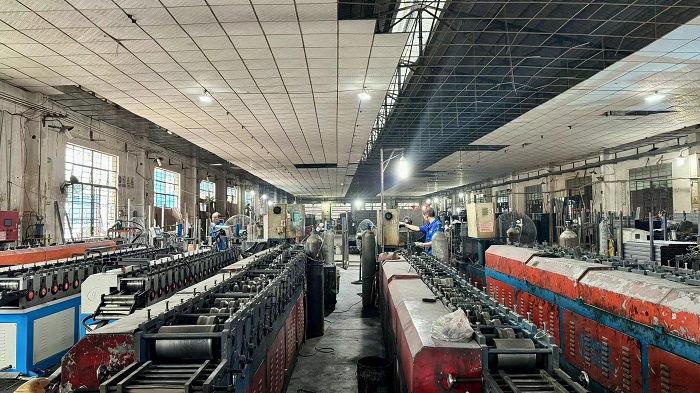
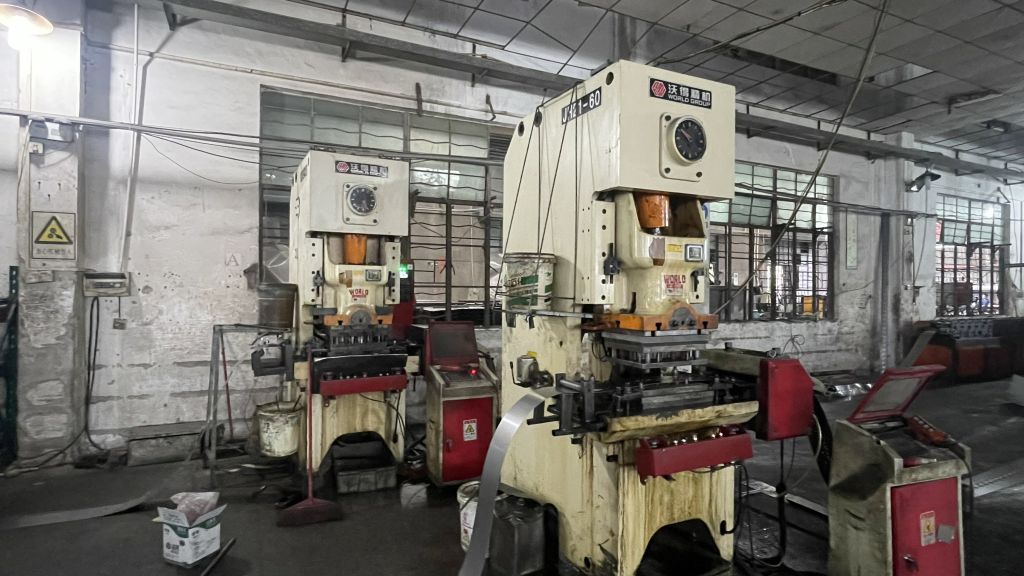
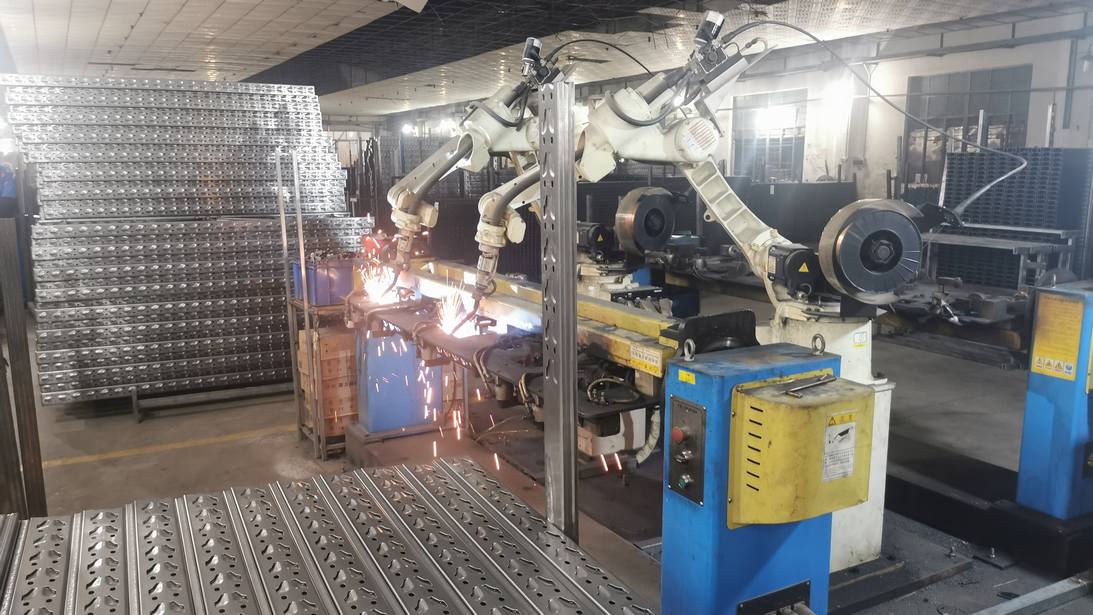
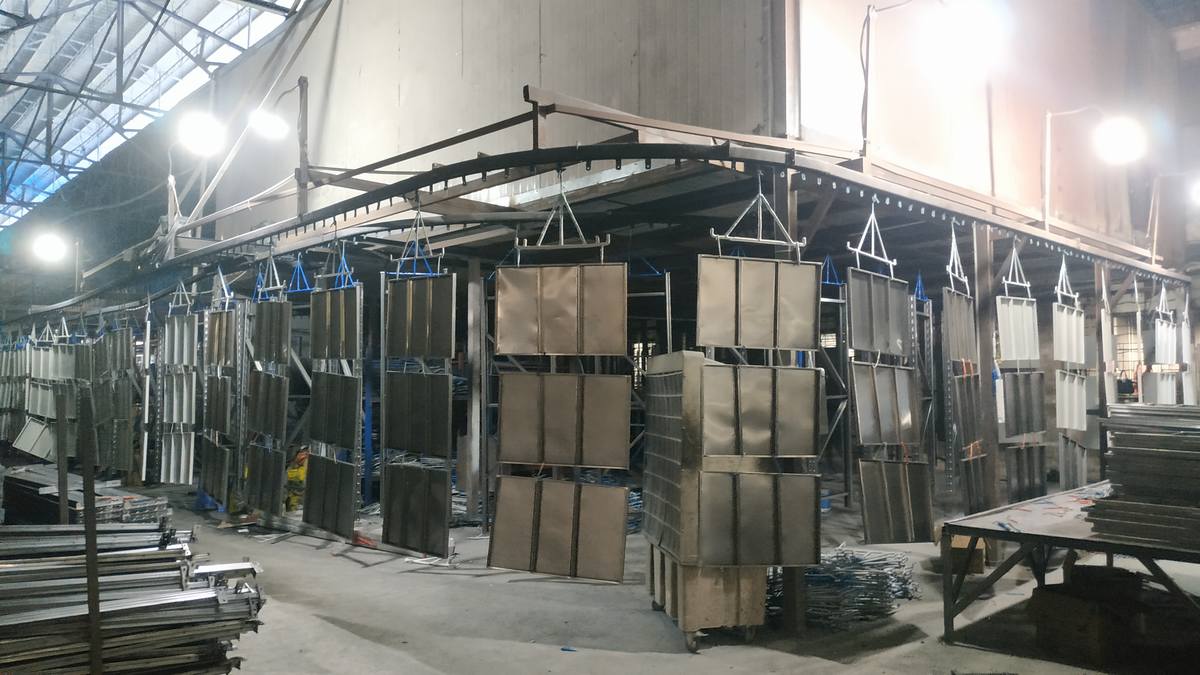
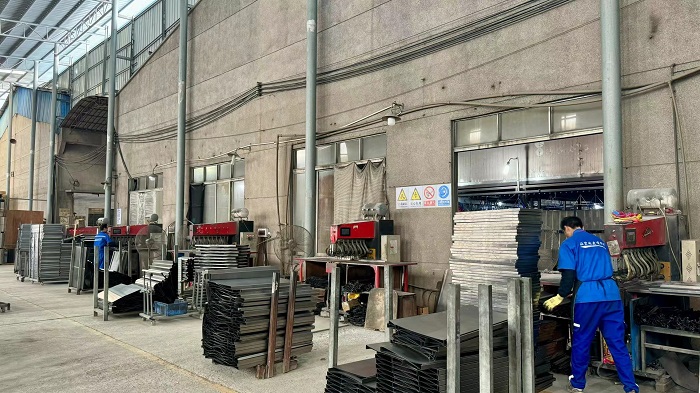
At Shenzhen Kimsuk Storage Equipment Manufacturing Co., Ltd., we combine state-of-the-art manufacturing equipment with a highly stable supply chain to guarantee material consistency. Our production facility utilizes automated stamping lines, high-speed CNC punching, robotic welding systems, and an advanced electrostatic powder coating line. By managing every stage of the manufacturing process—from inspecting incoming raw structural steel to verifying coating thickness—we ensure our products deliver reliable, long-term performance under demanding industrial conditions.
We maintain strict quality control at every stage of production. Below is the visualized workflow of our manufacturing process, showing how raw materials are transformed into certified, high-grade storage systems.
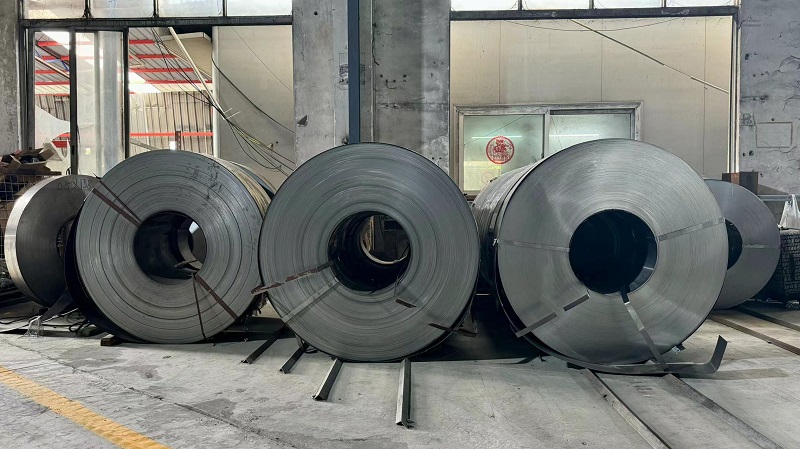
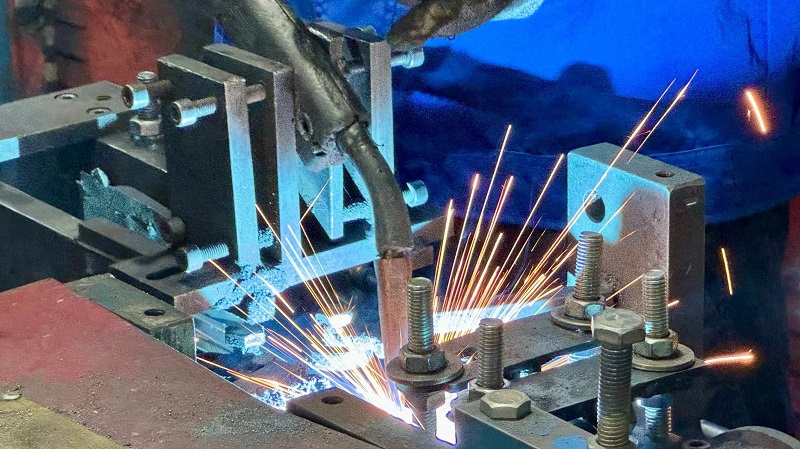
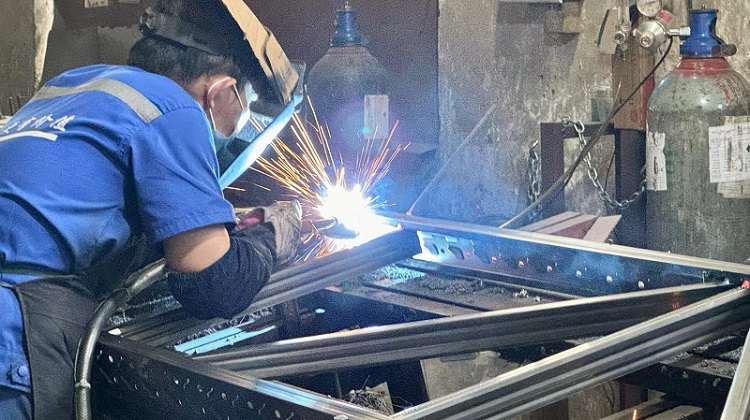
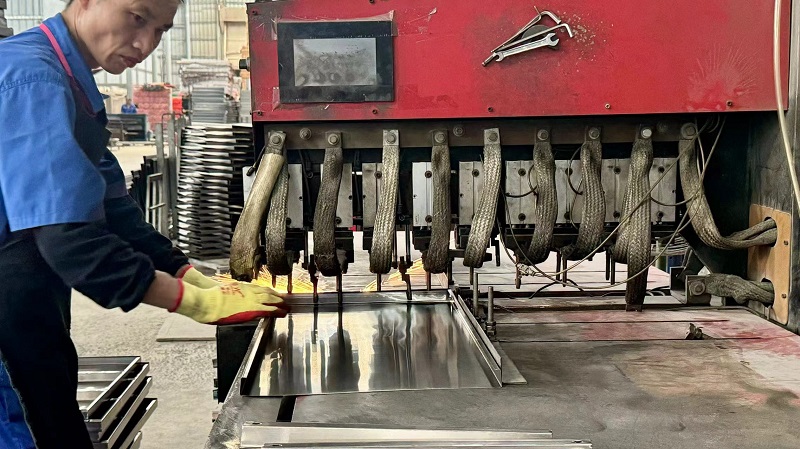
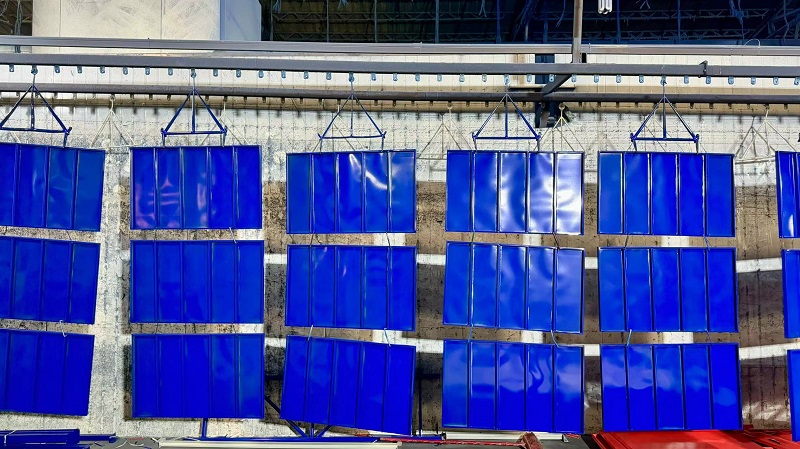
Consistent execution relies on specialized production technology. Our machinery line is custom-configured to manufacture heavy-duty racking that complies with international load limits and safety tolerances.
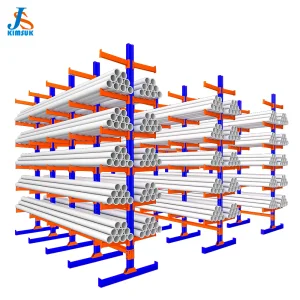
Modern industrial storage systems must serve multiple specialized functions. Standard warehousing handles uniform pallets, but heavy industrial applications require custom configurations. Cantilever racking, for example, is designed to store long, unwieldy materials such as steel pipes, timber, metal profiles, and plastic rods. The open arm configuration allows overhead crane and side-loading forklift access, which helps minimize handling times for bulky loads.
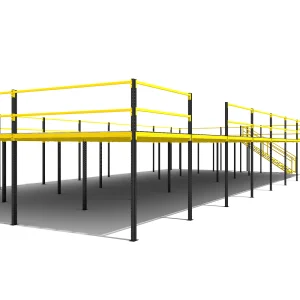
Conversely, automated warehouse systems and mezzanine platforms are built to maximize vertical space. Multi-level steel mezzanines double or triple floor space within existing building footprints, creating stable platforms for assembly lines, sorting operations, or office spaces. In automated settings, these structures are manufactured with precise tolerances to ensure automated guided vehicles (AGVs) and stacker cranes can operate without interference.
The integration of AS/RS technologies has changed the requirements for warehouse storage design. Traditional structural engineering allowed for minor deflections under load, but automated systems require strict dimensional accuracy. A deflection of just a few millimeters can cause sensor errors in automated cranes, leading to system downtime.
To meet these demands, modern manufacturing uses high-strength structural steel along with real-time quality control. Shenzhen Kimsuk utilizes laser measurement tools and high-precision load-testing machinery to ensure every racking component meets the tight tolerances required by AS/RS systems.



 Kimsuk Storage