Explore our industrial grade material handling and warehouse racking systems engineered for high load capacities and modular adaptability.
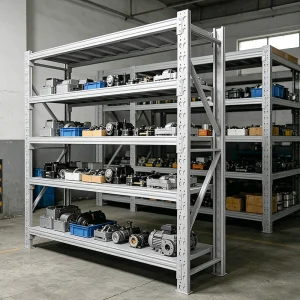

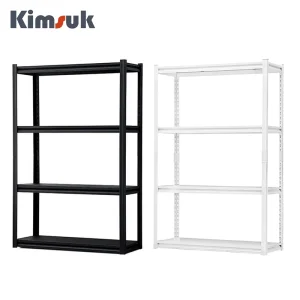


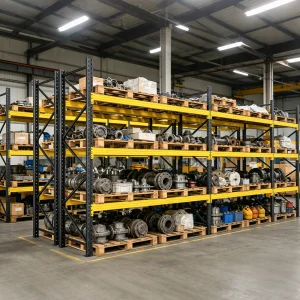
Cantilever racking systems are highly specialized, load-bearing configurations engineered specifically for long, bulky, or non-uniform materials. Unlike standard pallet racks, cantilever configurations feature no front column obstructions, permitting continuous, linear loading pathways. Designing these structures demands a profound understanding of mechanics, structural loading dynamics, and material deflection limitations.
The core structural design of a cantilever rack relies on managing the cantilever bending moment ($M = P \times L$), where $P$ represents the point load and $L$ denotes the arm length. Arm selection is governed by the modulus of elasticity ($E$) of high-strength structural Q235B or Q345B steel. Column design must also counteract severe torsional forces exerted by single-sided loading conditions. Under strict RMI (Rack Manufacturers Institute) and EN standards, vertical arm deflection limits are capped at $L/180$, preventing excessive sag and load-shift hazards during forklift retrieval operations.
| Steel Grade Option | Yield Strength (MPa) | Tensile Strength (MPa) | Ideal Engineering Application |
|---|---|---|---|
| Q235B Structural Steel | 235 Min | 370 - 500 | Standard Roll-Formed Profiles, Light to Medium Duty Arms |
| Q345B High-Tensile Steel | 345 Min | 470 - 630 | Heavy Duty H-Beams, High Seismic Hazard Column Arrays |
| ASTM A572 Grade 50 | 345 Min | 450 Min | North American Structural Custom Configurations |
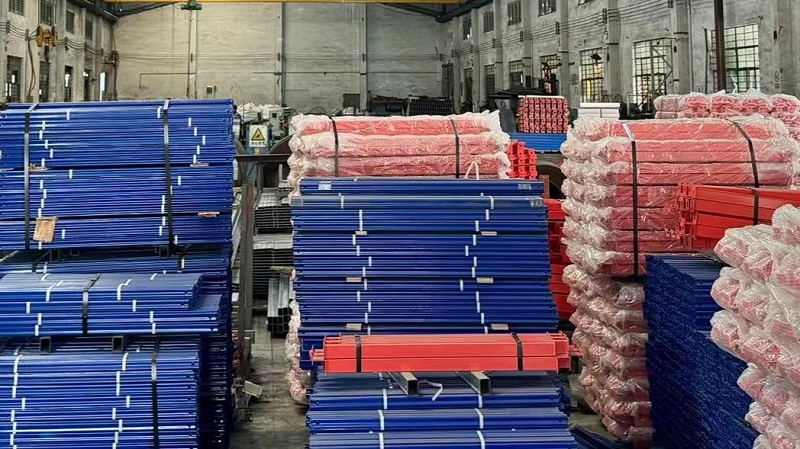
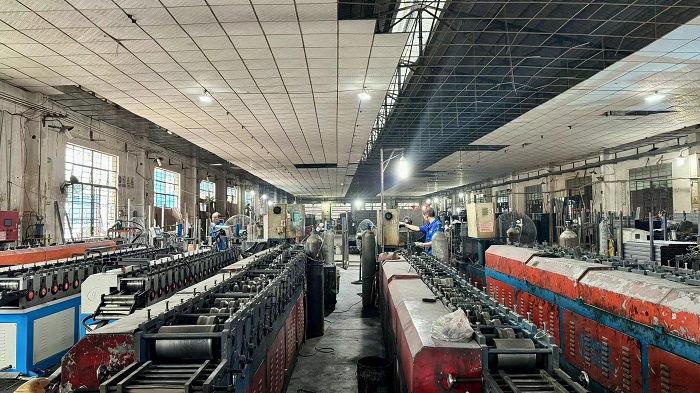
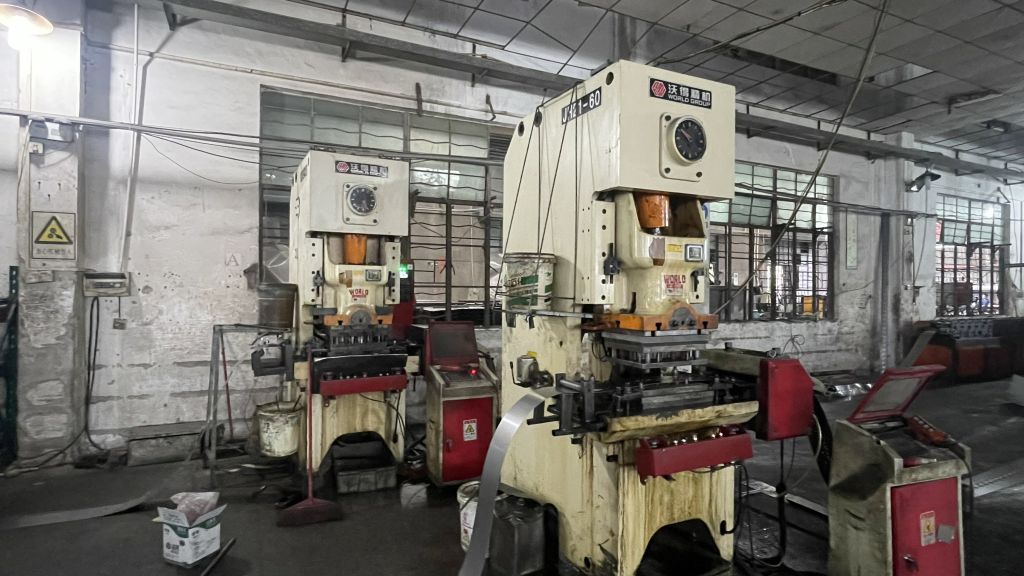
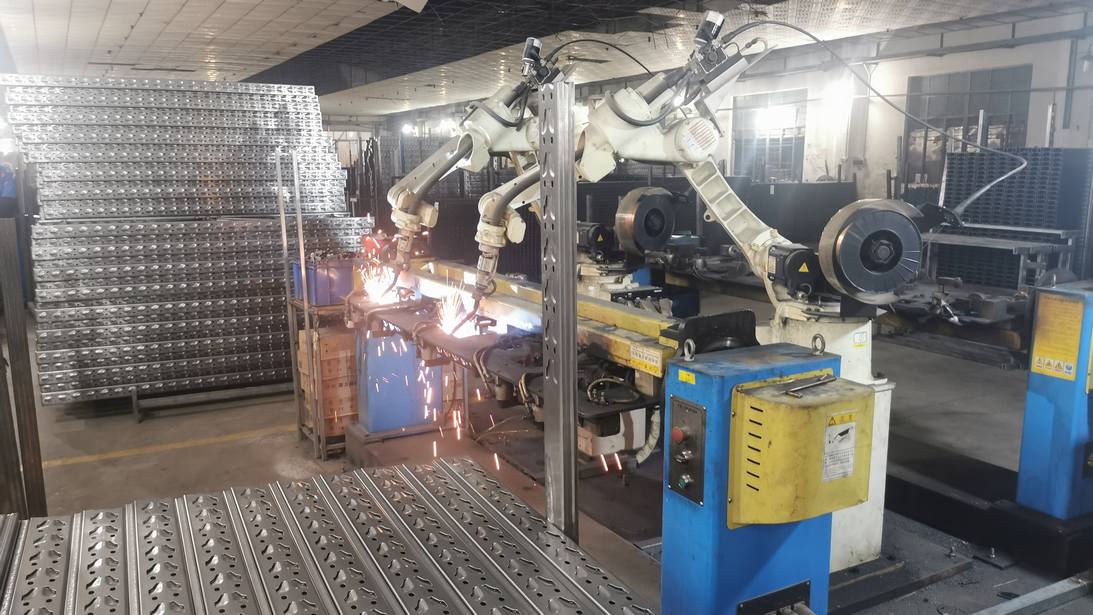
Shenzhen Kimsuk Storage Equipment Manufacturing Co., Ltd., established in 2016, is a premier industrial-scale manufacturer of global warehouse racking and steel storage equipment. Operating a state-of-the-art 18,500㎡ factory facility, we serve logistics distribution networks, e-commerce fulfillment hubs, heavy industrial production centers, and architectural developers globally.
We implement strict quality control procedures throughout the production process. Our quality inspection system includes raw material inspection, welding quality checks, surface treatment inspection, dimensional accuracy testing, load-bearing tests, and final product performance evaluation. Each product undergoes professional inspection using equipment such as laser measurement tools, load testing machines, coating thickness gauges, and precision measuring instruments. Our quality control team consists of 45 experienced inspectors who ensure every shipment meets international standards and customer requirements.
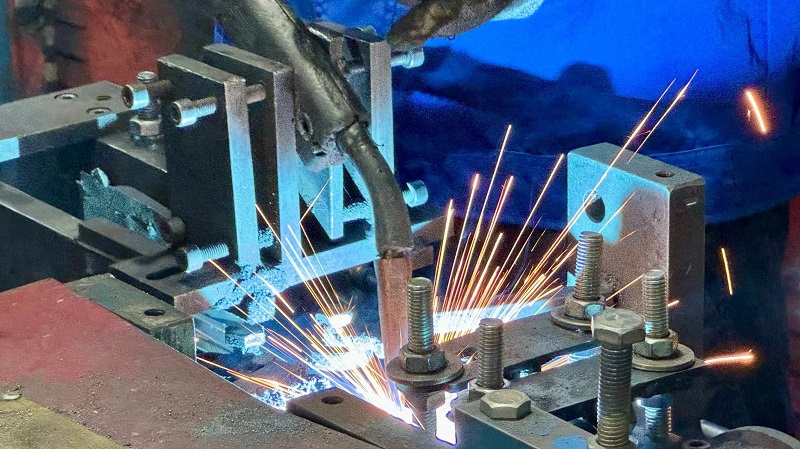
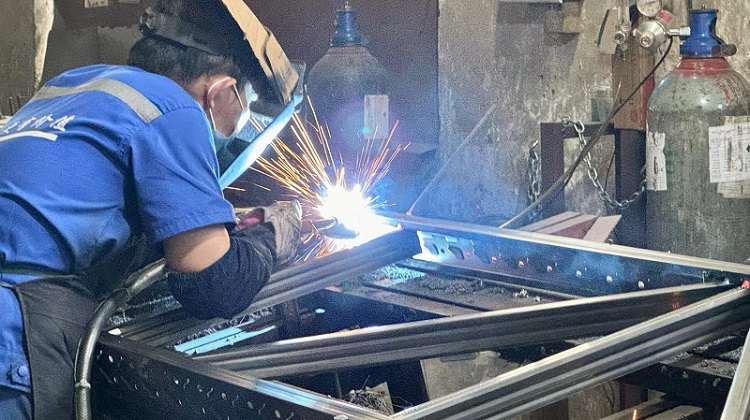
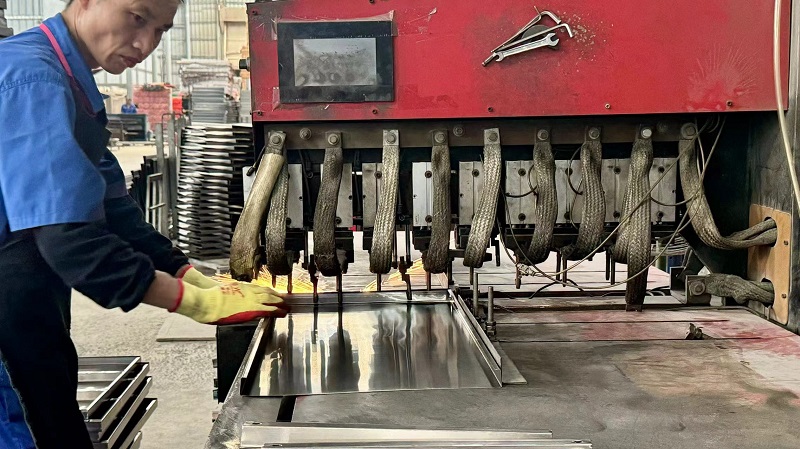
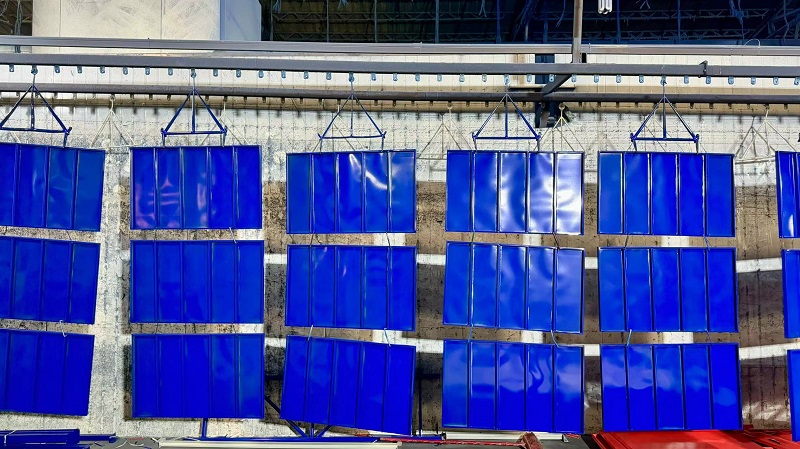
Supported by 18 R&D engineers and advanced fabrication equipment, Kimsuk translates engineering calculations into high-performance warehouse infrastructure. Our production capabilities span heavy roll-forming, automated CNC stamping, robotic structural welding, and advanced powder coating systems.
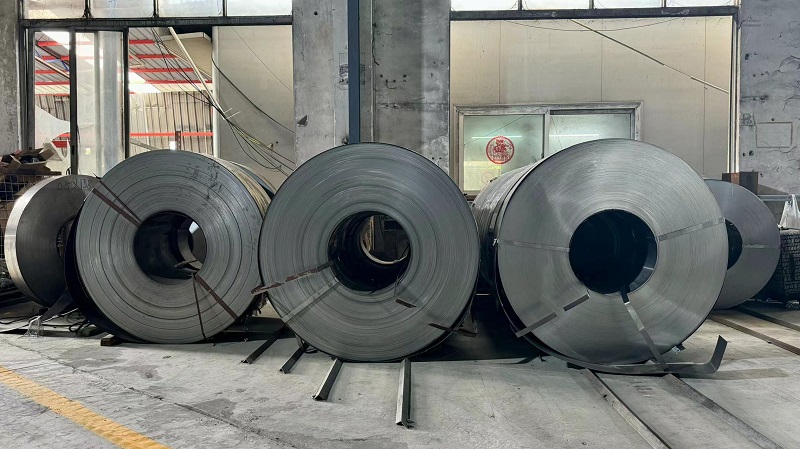
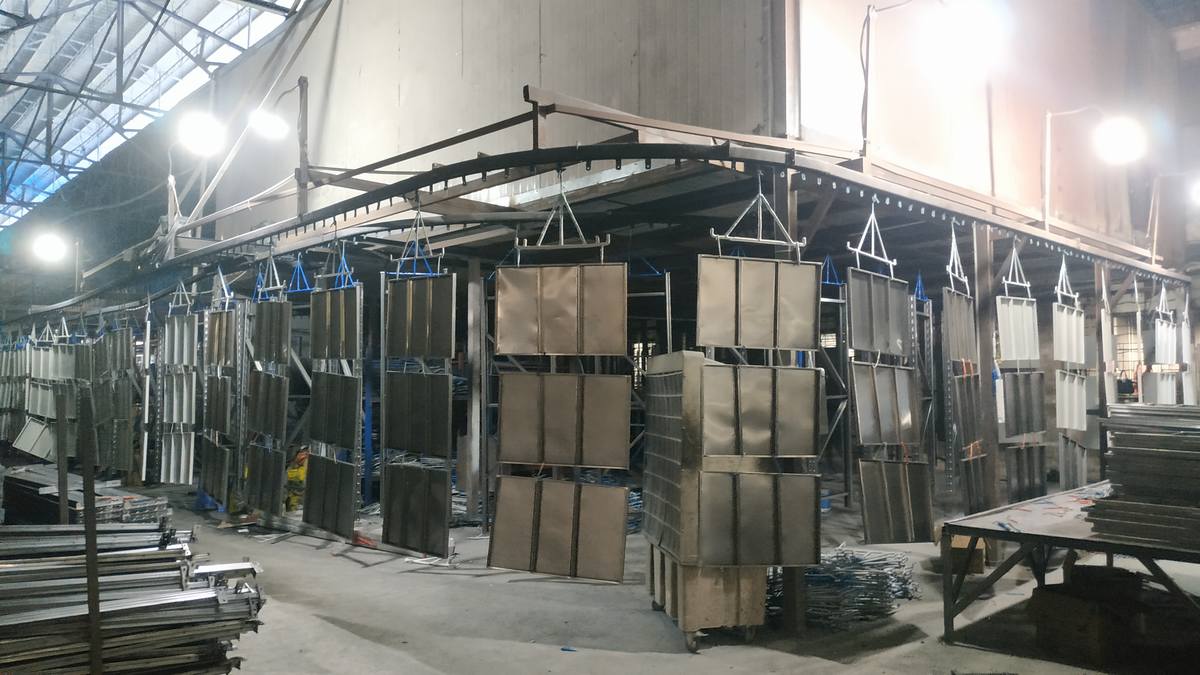
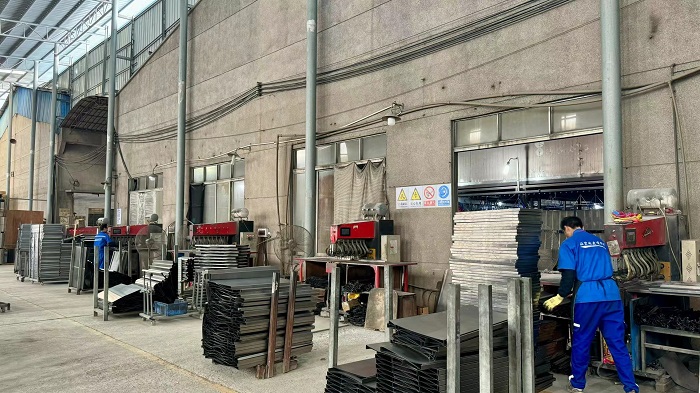
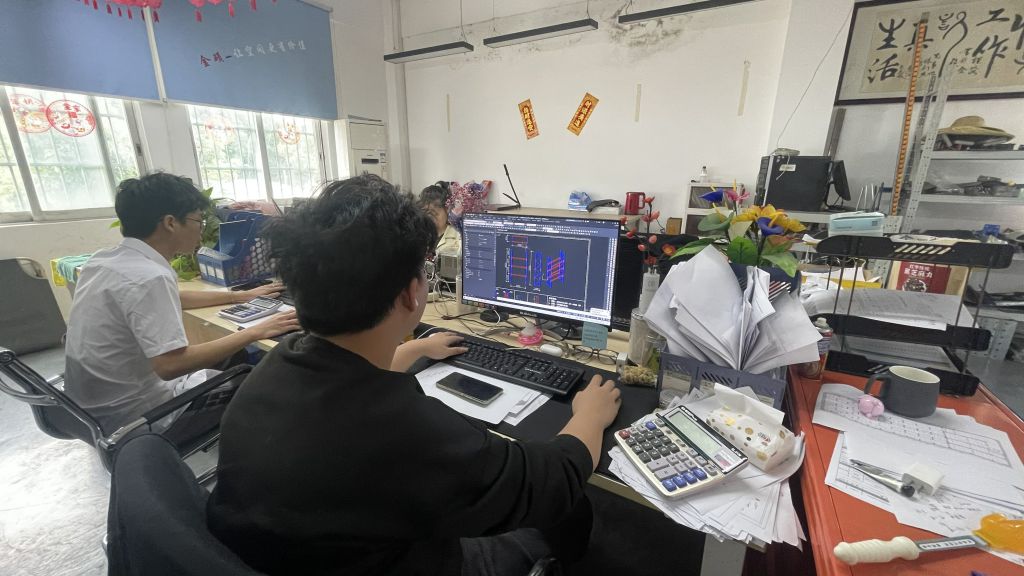
Modern warehouse systems are transitioning from passive steel framing to active, intelligent components. Kimsuk's research team is developing solutions that merge heavy structural systems with sensor arrays, digital twins, and automated retrieval machinery.
Automating the extraction of long products (pipes, structural packs) by integrating high-precision vertical lift modules (VLMs) and stacker cranes directly into structural cantilever uprights.
Deploying smart micro-strain gauge pins on cantilever base plates and loaded arms to transmit structural tension analytics to cloud-based warehouse execution systems (WES) in real-time.
Partnering with tier-1 mills to utilize up to 70% post-industrial recycled steel, processed via zero-emissions electrostatic powder spray ovens to minimize carbon footprints.
Cantilever structures must be tailored to the specific characteristics of the inventory they support. We design systems optimized for diverse heavy industrial segments:
Continuous support arms prevent bowing or bending of steel structural tubing, aluminum extrusions, and heavy copper pipes. Fitted with end-stops to secure cylindrical inventory.
Designed for variable-width plywood bundles, sheetrock, and framing timber. Keeps building supplies off floor surfaces to avoid moisture ingress and structural warping.
Perfect for storing chassis frames, vehicle axles, engines, and industrial components. Optimizes inventory accessibility for high-duty-cycle assembly operations.
Exporting structural steel systems globally requires rigorous compliance with international safety codes and construction standards. Kimsuk engineering configurations are calculated using specialized structural analysis software to ensure alignment with local building regulatory frameworks.
Calculations verified to meet RMI requirements, detailing precise calculations for load-capacity indicators, weld stress-relief metrics, and seismic factor calculations for zones 1 through 4.
Fully compliant structural layouts that strictly govern racking safety operational thresholds, deflection limits under nominal load, and mandatory system inspection schedules.
Engineered to Australian standards for steel storage racks, addressing specific vertical load-deflection profiles, frame stability limits, and robust floor-anchor pull-out resistance.
Every cantilever structure we supply is shipped with stamped structural engineer drawings, load capacity placards, and comprehensive step-by-step layout installation instructions to streamline on-site building inspections.
Key information regarding structural configuration, safety factors, and procurement metrics for industrial cantilever racking projects.
Structural steel H-beam racks are manufactured from heavy-duty hot-rolled steel profiles, offering superior impact resistance and much higher weight capacities, making them ideal for heavy industrial applications. Roll-formed racks are shaped from sheet metal coil at room temperature, providing a cost-effective, adjustable option for light to medium-duty loads.
Arm load capacity is based on uniformly distributed loads (UDL). If a single arm is rated at 1000kg, the load must be distributed evenly along its length. Point loading (placing all the weight on the arm tip) doubles the bending moment stress at the connection weldment, reducing overall load capacity by up to 50%.
Columns are manufactured with a slight backward lean (camber) to offset the natural forward deflection that occurs when the arms are fully loaded. This compensates for load stresses and ensures the column aligns vertically when carrying its maximum capacity.
We offer optional removable or welded end-stops (retention pins) that extend above the arm deck level. This physical barrier stops round pipes, structural steel bars, and timber packs from shifting or rolling off the ends of the arms.
Yes. For outdoor applications, we offer hot-dip galvanized (HDG) finishes conforming to ISO 1461. This thick, rust-resistant zinc barrier protects the steel from rain, snow, and industrial atmospheres far better than standard indoor powder coatings.
Yes, our 18-engineer R&D department calculates dynamic seismic stresses based on local building codes. We adjust base plate dimensions, increase steel thickness, and design heavier concrete anchor patterns to meet regional seismic safety standards.
Browse our complete catalog of industrial shelving, heavy-duty mezzanine platforms, and specialty steel racking systems designed for modern logistics hubs.





 Kimsuk Storage