High-capacity, precision-engineered metal storage units built to international load-bearing and durability standards.




An analytical exploration of how global commerce demands structural reliability and space-optimization.
Modern industrial supply chains operate in an era of unprecedented volatility and compression. Warehouse facilities, logistics centers, and retail backrooms are no longer simple storage points; they are high-speed sorting nodes. The design and implementation of light-duty and medium-duty shelving play a fundamental role in minimizing retrieval latency and optimizing volumetric storage density. Globally, the reliance on high-density racking systems has increased exponentially due to the booming e-commerce, electronics, and automotive parts manufacturing sectors. Global enterprises are transitioning from static storage formats to dynamic, modular setups that adapt seamlessly to fluctuating inventory configurations.
To meet the rigid criteria of international safety codes (such as EN 15635 and FEM 10.2.02), manufacturers must verify the static and dynamic load distributions of steel structural members. Top manufacturers utilize cold-rolled steel profiles with high yield strengths (e.g., Q235B) to guarantee mechanical safety while minimizing dead weight.
The global industrial shelving market is driven by several key developments. First, the widespread integration of automated retrieval systems (AS/RS) requires racking systems built to tighter dimensional tolerances. Second, the movement toward environmental sustainability calls for eco-friendly surface coatings (such as lead-free epoxy powder paint) that do not emit harmful volatile organic compounds (VOCs). Finally, geopolitical shifts and global supply chain disruptions have led procurement professionals to seek manufacturers who demonstrate both strong raw material supply agreements and high-precision production processes.
A premier Chinese manufacturing force delivering state-of-the-art storage engineering globally.
Established in 2016, Shenzhen Kimsuk Storage Equipment Manufacturing Co., Ltd. has established itself as an authoritative leader in the design, engineering, and global distribution of high-performance warehouse racking systems. Operating from an expansive, state-of-the-art 18,500㎡ manufacturing complex, the company delivers customizable storage infrastructure tailored for distribution hubs, e-commerce warehouses, and heavy-duty industrial applications worldwide.
Kimsuk's technical capability is backed by over 14 years of professional industry experience in engineering storage equipment, including 8 years of direct export experience. With an annual export revenue of approximately $12 million, the company has built a highly reliable trading system. Their product range includes pallet racks, heavy-duty shelving, cantilever systems, mezzanine platforms, and modular boltless racking, serving customers across North America, Europe, Southeast Asia, the Middle East, Australia, and South America.
Safety is a critical requirement in industrial racking design. Shenzhen Kimsuk implements strict quality control procedures throughout the production process. The company's quality inspection system includes raw material testing, welding line ultrasound verification, surface treatment thickness measurements, dimensional precision checks, load-bearing deformation tests, and final system performance evaluations. Using advanced instruments like laser scanners, computerized load testers, and coating thickness gauges, Kimsuk's team of 45 specialized inspectors ensures that all systems comply with international standards.
Understanding the technical journey of raw steel as it is transformed into certified, high-grade racking systems.
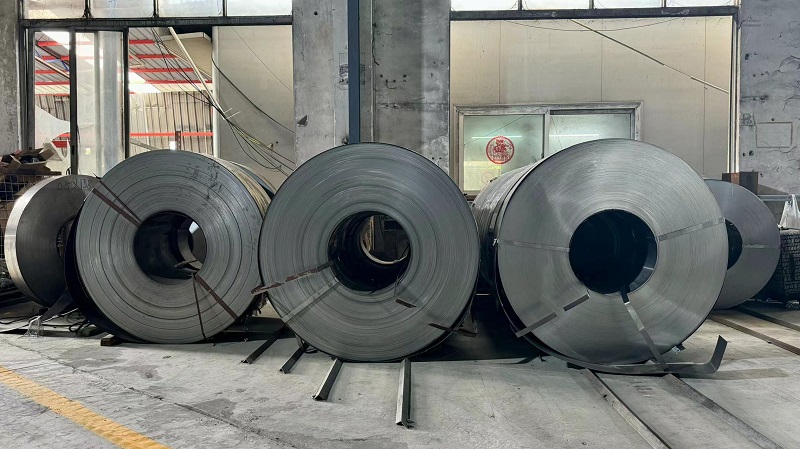
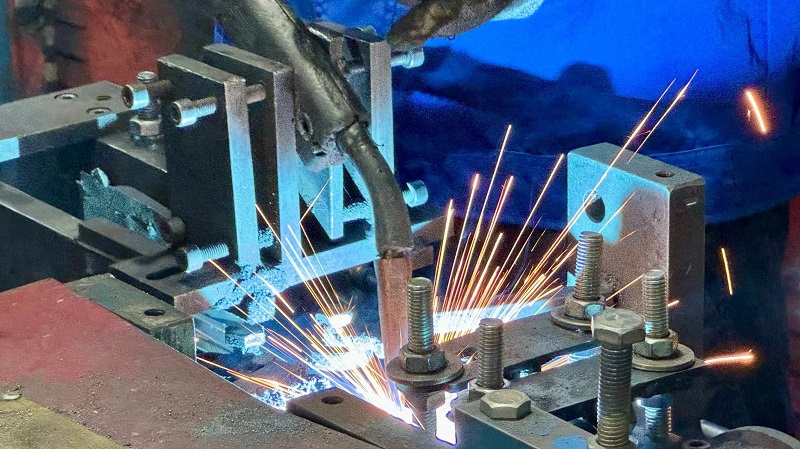
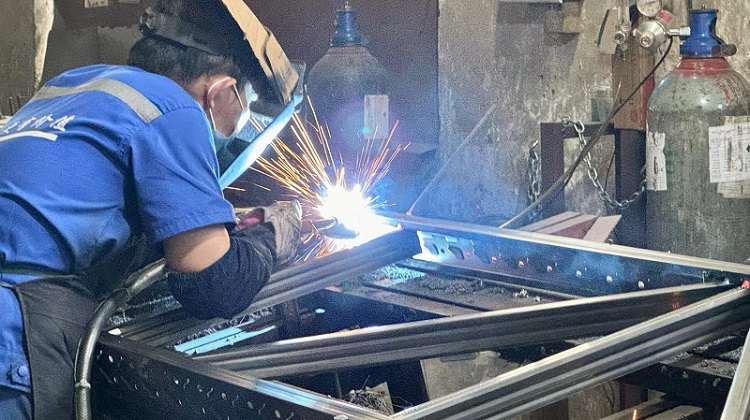
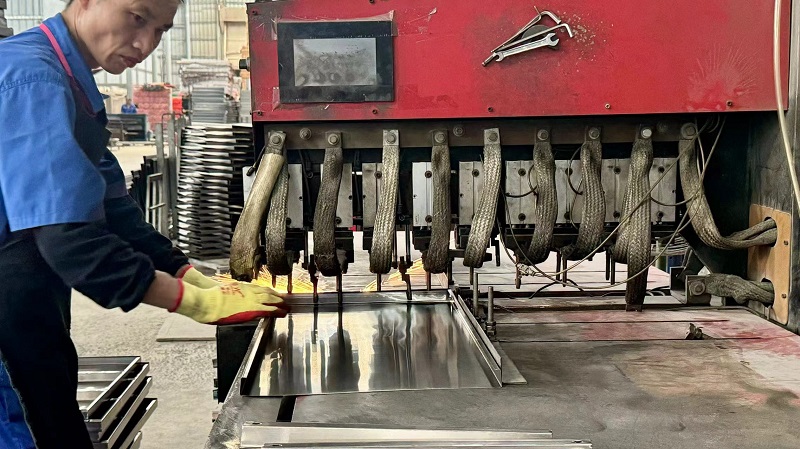
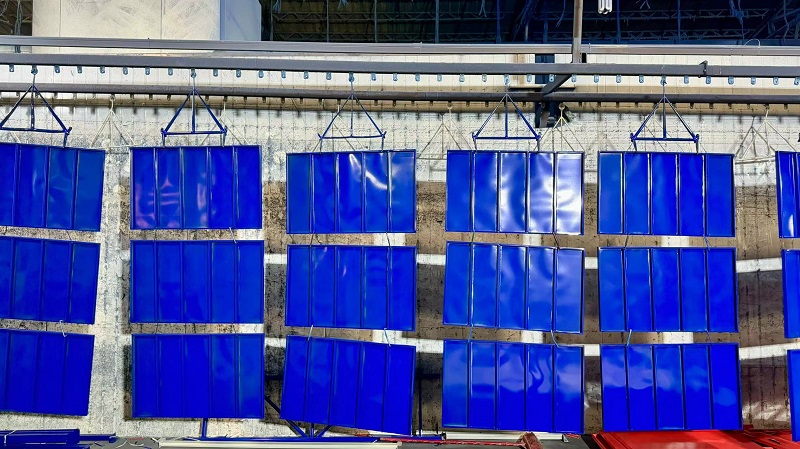
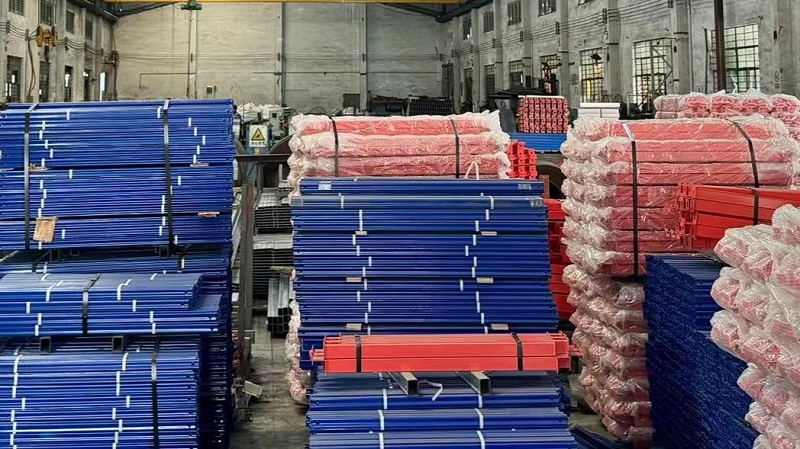
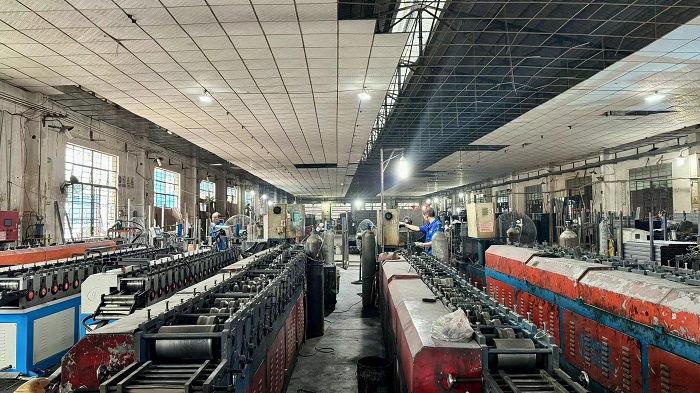
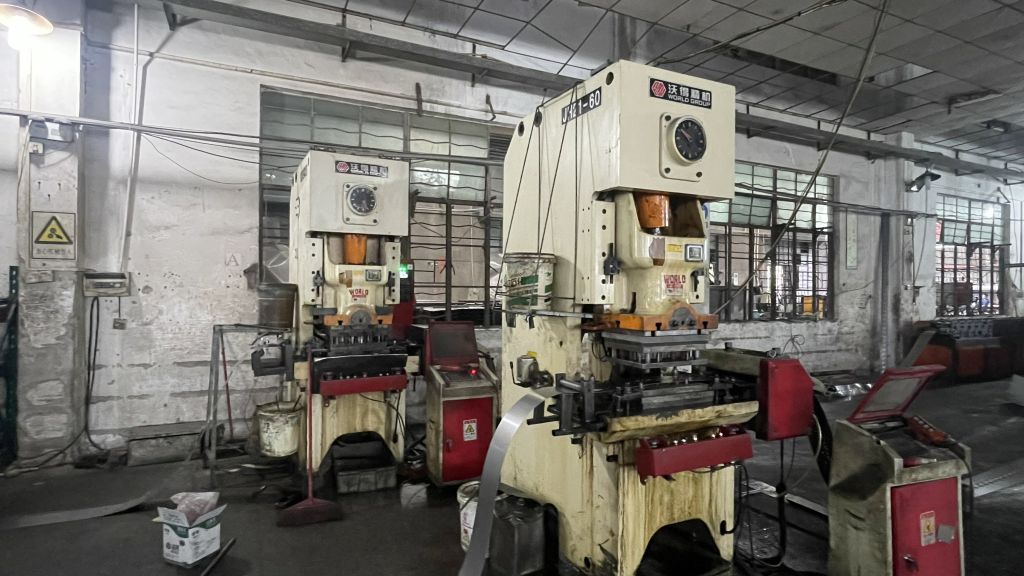
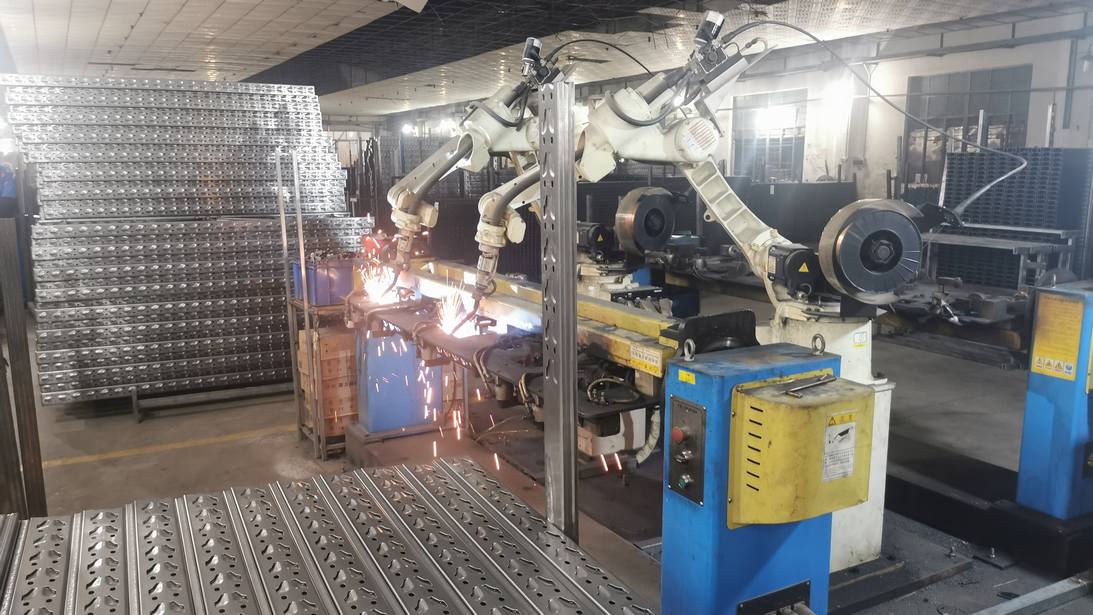
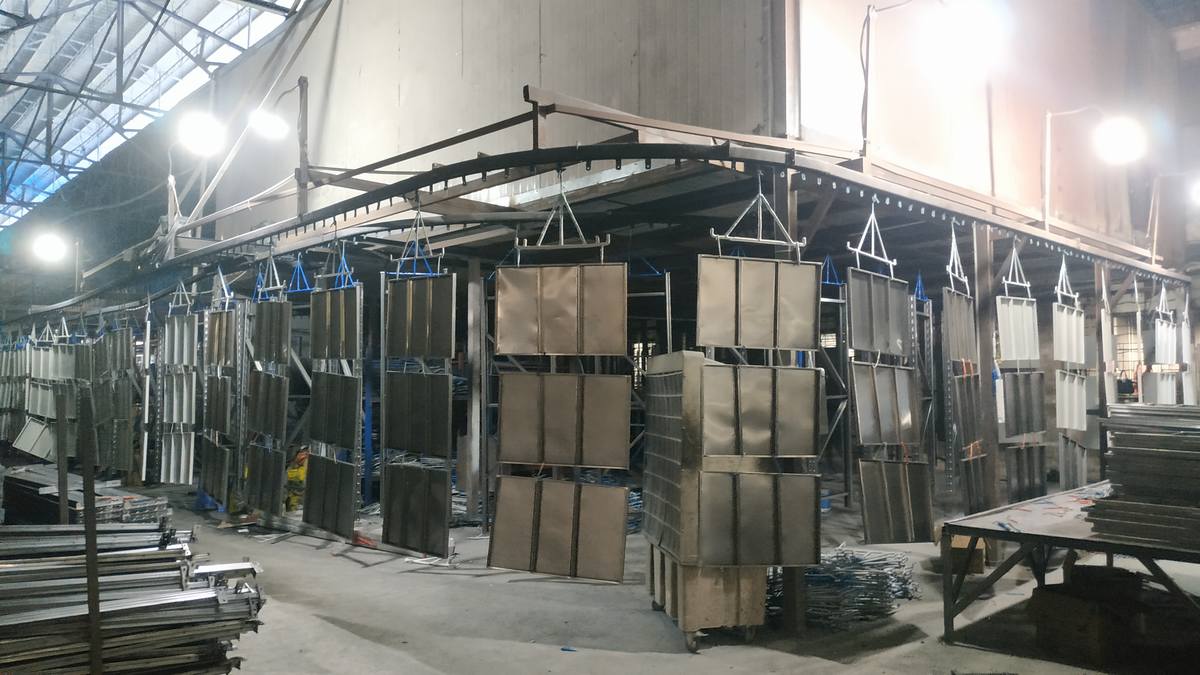
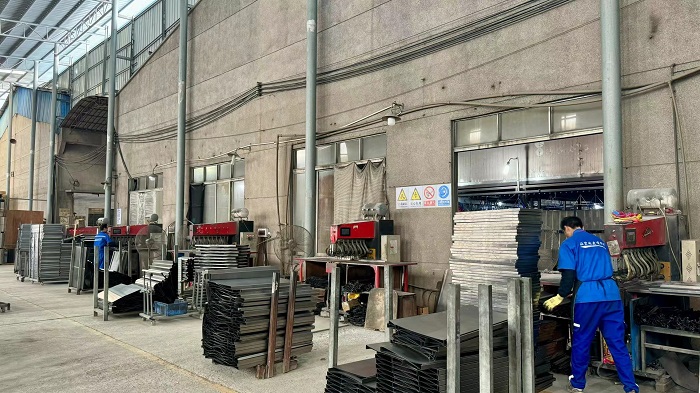
Shenzhen Kimsuk's factory integrates advanced manufacturing processes to ensure high efficiency and product consistency. First, raw steel coils are sourced from domestic mills and undergo testing to confirm their chemical composition and yield strength. High-precision stamping machines mold the steel profiles, forming beams, uprights, and dynamic bracing parts.
The punching stations use automated multi-ton CNC presses to create load-bearing slot patterns. Robotic welding cells assemble structural joints, achieving deep penetration welds that minimize heat distortion. Afterward, components move to an automated powder coating line, where they undergo chemical pre-treatment, electrostatic spraying, and high-temperature curing to create a durable, scratch-resistant surface. Finally, the finished products are packed to prevent transport damage, supporting reliable delivery for international shipments.
How engineering and purchasing departments evaluate shelving solutions for long-term project viability.
Procuring industrial racking demands rigorous attention to technical parameters. Purchasing decisions based solely on price often result in elevated maintenance costs, compliance issues, and safety concerns. Global sourcing officers must prioritize suppliers who provide comprehensive design validation, material test certificates, and traceable quality procedures. Selecting the correct system depends on understanding the differences between light, medium, and heavy-duty load configurations:
| Storage System Type | Average Load Capacity (per tier) | Material Thickness Range | Common Finish Treatments | Target Applications |
|---|---|---|---|---|
| Light-Duty Boltless Shelving | 100 kg - 250 kg | 0.6 mm - 1.2 mm | Galvanized / Powder Coated | Archive storage, retail stockrooms, office files, garages |
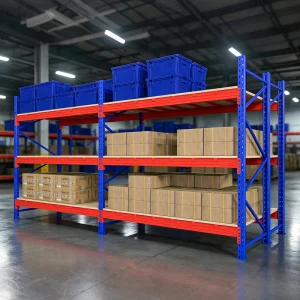
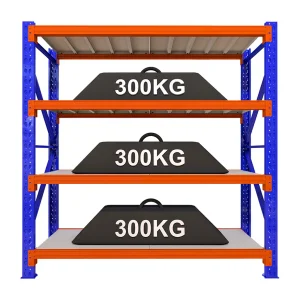
| Medium-Duty Longspan Shelving | 300 kg - 800 kg | 1.2 mm - 2.0 mm | Epoxy-Polyester Powder Finish | E-commerce fulfillment centers, automotive parts, light industrial boxes |
| Heavy-Duty Selective Pallet Racking | 1,000 kg - 4,000 kg | 2.0 mm - 3.5 mm | High-Durability Powder Coating | Heavy warehousing, palletized logistics, raw material storage |
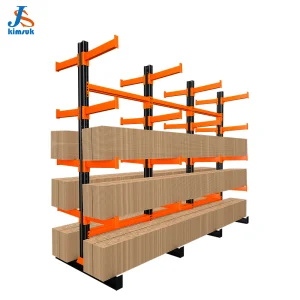
| Specialized Cantilever Systems | 500 kg - 3,000 kg (per arm) | 2.5 mm - 4.0 mm | Powder Coated / Hot-Dip Galvanized | Lumber, piping, sheet metal storage, non-standard sizing |
Beyond structural capacity, corrosion resistance is critical. In humid climates, coastal zones, or cold storage facilities, standard coatings can deteriorate, leading to surface rust. Shenzhen Kimsuk uses electrostatically deposited powder coatings with a minimum thickness of 60 to 80 microns, providing excellent resistance to moisture, chipping, and chemical exposure.
Practical warehouse design examples illustrating the versatility of modern shelving systems.
Storage requirements vary significantly across different industries. A design that works well for a cold-chain pharmaceutical facility may not be suitable for a high-turnover e-commerce fulfillment center. Below are three common application setups for modern light and medium-duty shelving:
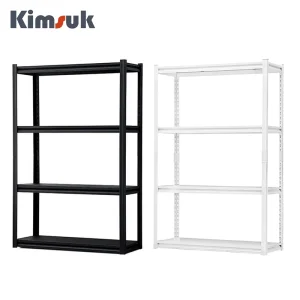
In urban fulfillment centers where floor space is limited, light-duty boltless systems are used to build dense, multi-tier picking configurations. These systems allow quick reconfiguration as SKU dimensions change, helping operators maintain fast order picking cycles.
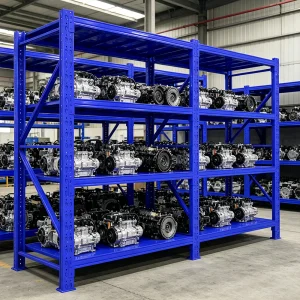
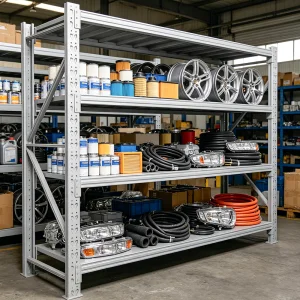
Automotive parts depots handle items of varying sizes and weights. Longspan medium-duty racking is typically chosen here, combined with dividing bins for small components, cantilever arms for exhausts, and heavy-duty shelves for engines and transmissions.
For food, beverage, and pharmaceutical storage, galvanized steel or stainless-steel wire decking is preferred. These materials support airflow and temperature uniformity, prevent dust buildup, and withstand regular washdown sanitation procedures.
Clear, expert answers to key engineering, compliance, and ordering questions from global procurement managers.
We use high-grade Q235B cold-rolled steel, which conforms to Chinese GB/T 700 standards and is comparable to European S235JR and American ASTM A36. This material provides an optimal balance of weldability, load capacity, and ductility, ensuring the structural safety of our storage systems.
Our engineering team performs structural calculations using Finite Element Analysis (FEA) software. We then run physical load-deformation tests on mock-up units at our facility, applying up to 1.5 times the rated load capacity to confirm safety factors and deflection limits under standard load conditions.
Yes, our manufacturing systems are ISO 9001 certified, and our products carry CE certification where required, confirming compliance with European safety, health, and environmental protection standards. We also align our engineering designs with FEM 10.2.02 guidelines for industrial storage systems.
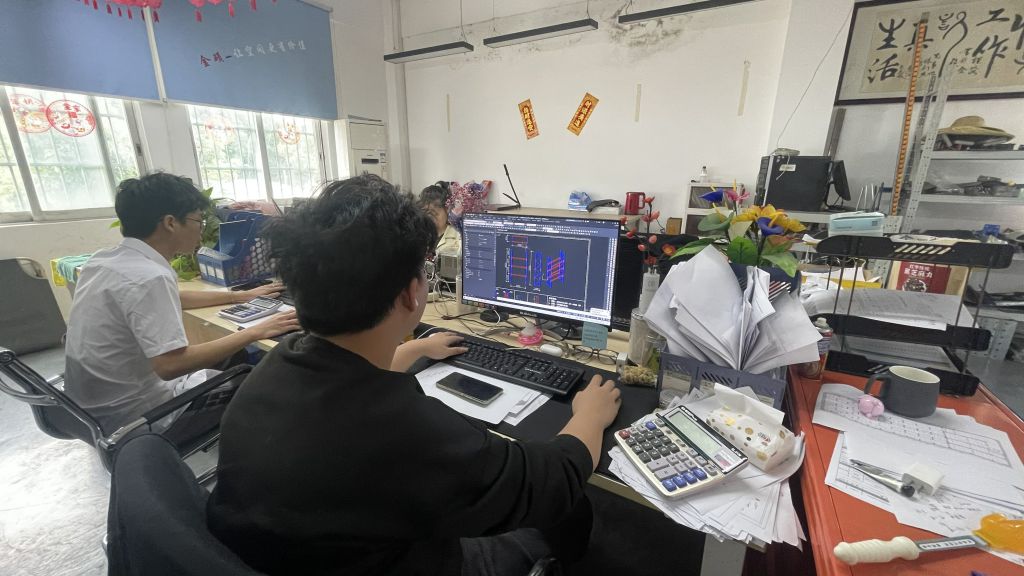
For standard custom orders, we provide CAD layout designs within 48 hours. Once drawings are approved, production takes between 15 to 25 days depending on the volume and customization. Our shipping logistics team then manages container loading and documentation for direct export.
Engineered for extreme loading capacities, telescopic movement, and advanced industrial warehousing configurations.




 Kimsuk Storage