China Wholesale Automated Shelving Factories & Exporters

High-Density Intelligent Logistics, Precision Industrial Engineering, and Global OEM/ODM Supply Chains

Premium Industrial Racking & Shelving Systems

Heavy-duty structural storage configurations certified for global compliance and heavy cargo handling.

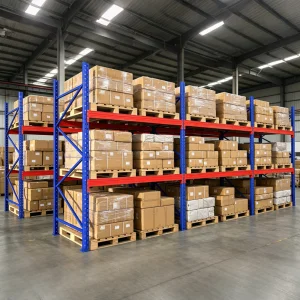
1000kg-5000kg Load Heavy Duty Rack

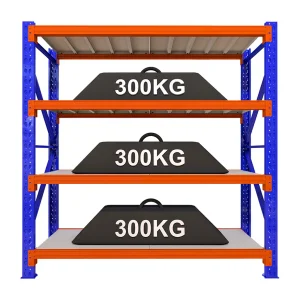
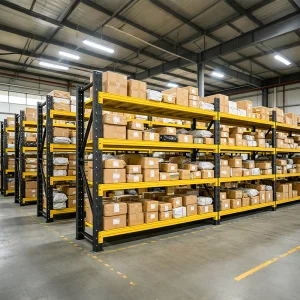
1000kg-5000kg Load Heavy Duty Rack Selective Pallet Racking System for Logistics

Inquire Now
Light Duty Metal Storage Rack

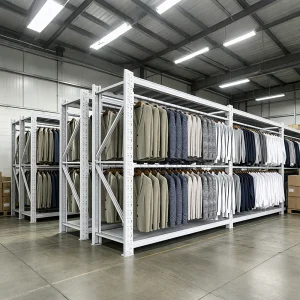
Household Industrial Dual Use Light Duty Metal Storage Rack Easy Install Boltless Steel Shelf

Inquire Now
Industrial Steel Mezzanine Shelving

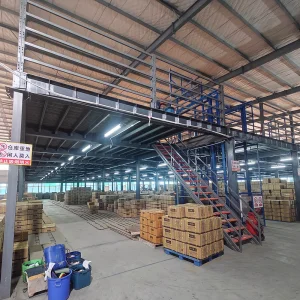
Industrial Steel Mezzanine Shelving & Floor Racking System Office Platforms

Inquire Now
Angle Steel Shelf Rack

Angle Steel Black Shelf Rack Floor Warehouse Balcony Household Multi-layer Display Rack

Inquire Now
Garage Metal Storage Shelf

Easy Assembly Garage Metal Storage Shelf 100-500kg Loading Capacity Industrial Steel Rack

Inquire Now
Durable Steel Garage Shelving Unit

Durable Steel Garage Shelving Unit 100kg-500kg per Level Heavy Duty Metal Storage Rack

Inquire Now
Heavy Duty Multi-Level Warehouse Rack

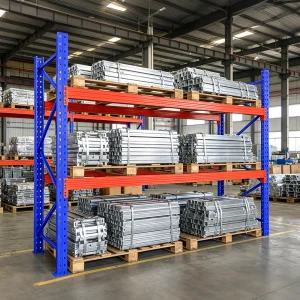
Heavy Duty Multi-Level Warehouse Rack 1T to 5T Loading Steel Pallet Racking

Inquire Now
Custom Steel Mezzanine Rack

Custom Load Capacity Steel Mezzanine Storage Rack Warehouse Industrial Platform

Inquire Now

White Paper: Automated Storage and Retrieval Systems (AS/RS) Analysis

The shift toward highly dense, software-integrated vertical storage systems in global logistics networks.

1. Global Commercial & Industrial Landscape

The global automated shelving and industrial racking market is undergoing a structural paradigm shift. Driven by rising industrial land costs, severe labor shortages across Western Europe and North America, and the exponential growth of omnichannel retail, modern warehouses are shifting away from traditional static racking. Automated Storage and Retrieval Systems (AS/RS), computerized shuttle modules, and vertical lift systems are no longer luxury integrations; they have become the baseline configuration for high-velocity supply chains.

Today's industrial logistics centers require structural frameworks capable of withstanding massive, dynamic vertical forces. As warehouses reach heights of up to 40 meters to optimize vertical space, the structural integrity of the steel shelving systems becomes the primary variable for safety and system longevity. Top-tier China manufacturers and exporters are leading this transition, pivoting from simple steel metal fabrication to advanced structural design. This includes using high-grade structural alloys, precision tolerance management, and deep integration with robotics OEMs to ensure seamless material flow.

2. Industry Development Trends & Technological Innovation

Modern material handling relies on the integration of hardware tolerances with software systems. The following trends dominate the next phase of warehousing evolution:

  • Millimeter-Level Tolerances: Traditional manual racking system standards (such as FEM 10.2.02 or RMI specifications) permit minor deviations. However, high-speed shuttle and crane-based automation systems demand millimeter-level tolerances to prevent mechanical jams and system shut-downs.
  • Modular Scalability: Flexible, boltless, and modular mezzanine structures allow growing e-commerce platforms to dynamically scale vertical space without altering the building's structural footprint.
  • Green Intralogistics: High-density automated storage reduces the footprint of heating, cooling, and lighting systems—especially in cold-chain logistics operations, saving up to 50% in operational energy costs.

3. Localized Application & Regional Engineering Challenges

Different markets present distinct engineering challenges. In the North American market, shelving and racking must adhere to strict seismic codes established by the Rack Manufacturers Institute (RMI) and the American Institute of Steel Construction (AISC). In the European market, standards like EN 15512 and FEM regulations require rigorous, non-linear structural calculations. Chinese exporters like Shenzhen Kimsuk Storage Equipment address these requirements using advanced FEM analysis tools, adjusting horizontal and diagonal bracing designs depending on regional seismic risk maps. This level of localization ensures safety and regulatory approval across North America, Europe, Australia, and South America.

Strategic Technology Roadmap & Engineering Standards

Phase I: Material Quality Control

It starts with structural steel selection. We use premium certified Q235B and Q355B carbon steel. Rigorous incoming material tests evaluate yield strength, tensile performance, and chemical consistency to guarantee structural stability under load.

Phase II: Advanced Manufacturing

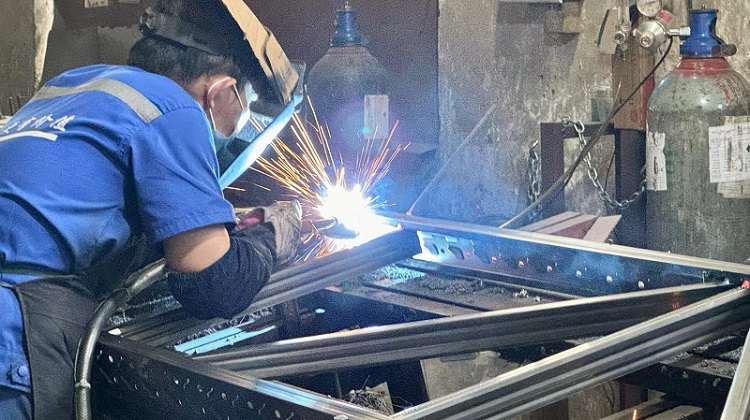
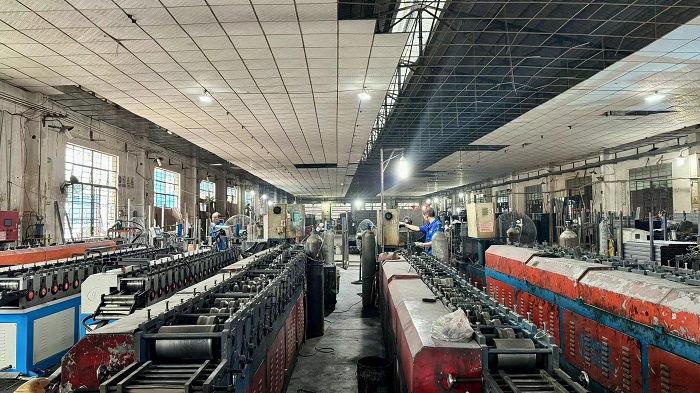
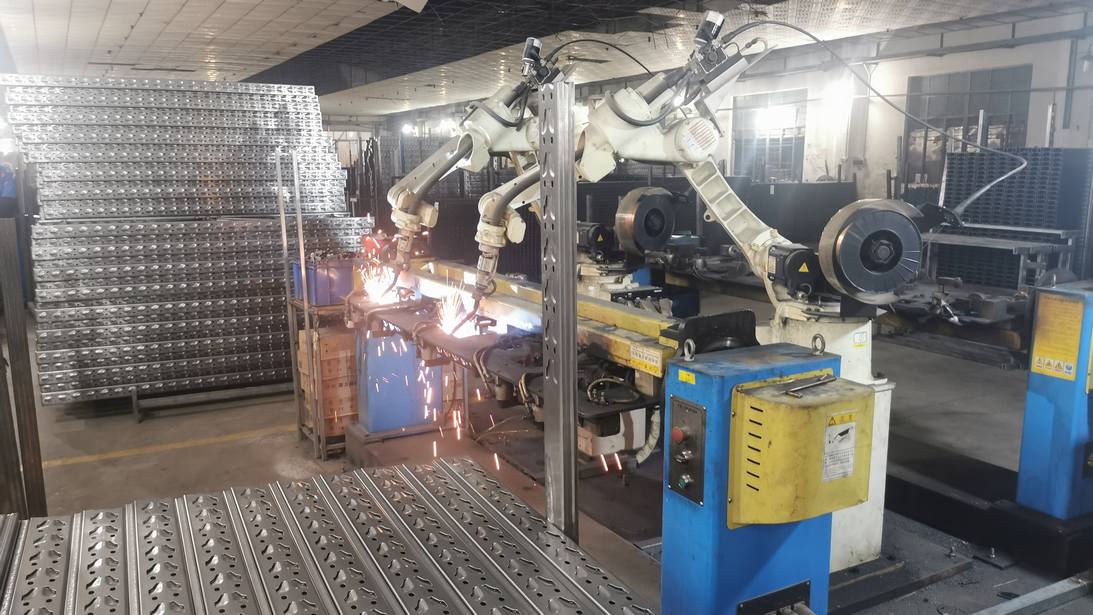
Our production line features high-speed automated roll-forming machines, continuous punching tools, and robotic welding stations. We maintain strict manufacturing tolerances, ensuring exact alignment during field installation.

Phase III: Anti-Corrosion Treatment

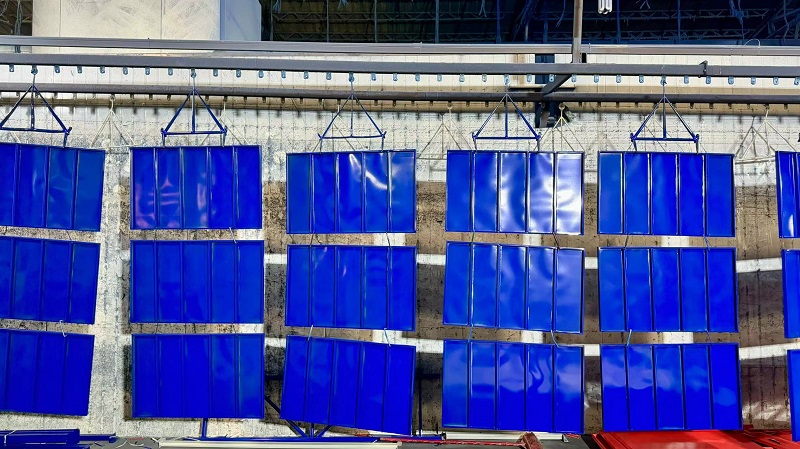
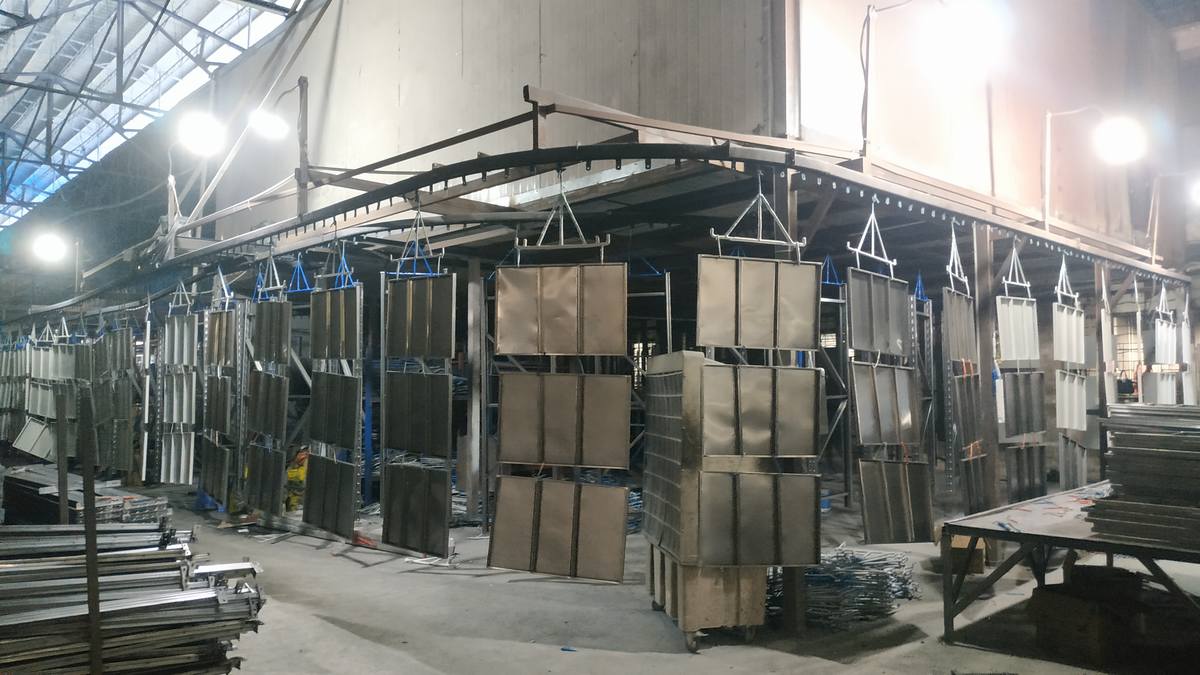
Components undergo a multi-stage pre-treatment wash, zinc phosphating, and electrostatic powder coating. Cured at high temperatures, the coating provides exceptional resistance to abrasion, impact, and chemical exposure.

Shenzhen Kimsuk Storage Equipment Manufacturing Co., Ltd.

A leading manufacturer and global exporter of high-grade industrial racking systems, founded in 2016.

18,500㎡ Factory Area
$12M Annual Export Revenue
45 Inspectors Quality Assurance Team
850+ Supply Chain Partners

Established in 2016, Shenzhen Kimsuk Storage Equipment Manufacturing Co., Ltd. specializes in the engineering design, advanced manufacturing, and global supply of high-performance warehouse racking. With over 14 years of design and manufacturing experience, Kimsuk delivers solutions for distribution centers, manufacturing facilities, e-commerce hubs, and retail projects worldwide.

Our quality assurance program spans the entire production flow. Our QC inspectors utilize laser measurement tools, load testing fixtures, coating thickness gauges, and weld inspection equipment. Every batch undergoes strict dimensional, weld quality, surface, and load-bearing testing to verify compliance with structural and load requirements before shipment.

Our engineering division supports custom projects, accommodating specialized dimensions, weight capacities, powder coat colors, and seismic layouts. Supported by a network of over 850 partners, Kimsuk ensures steady raw material supply, efficient production cycles, and reliable export logistics.
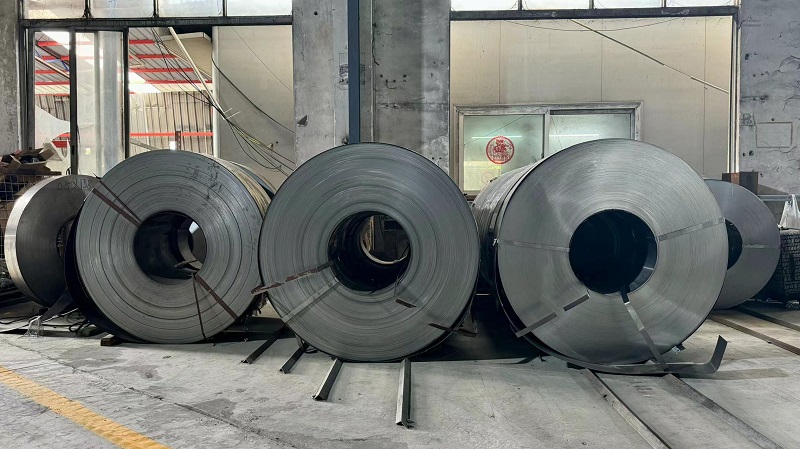
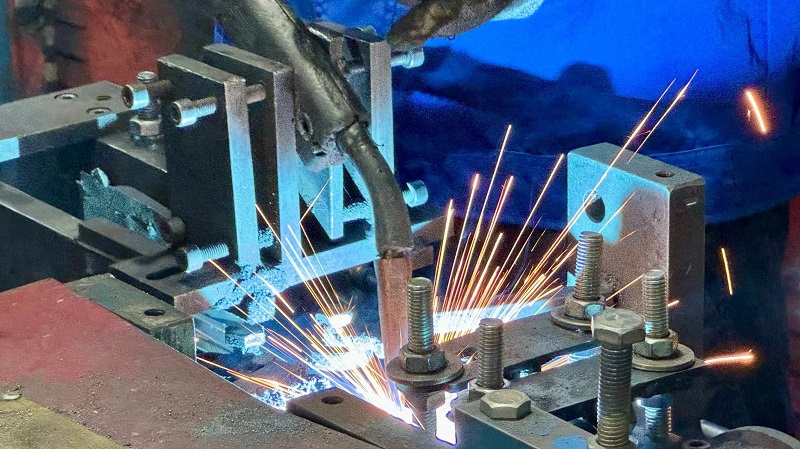
Our Advanced Production Process

Raw Materials
Raw Materials
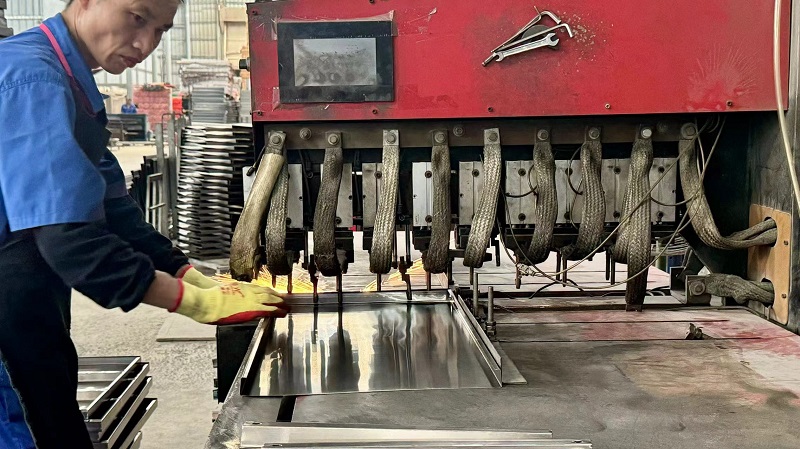
Stamping Molding
Stamping Molding
Welding
Welding
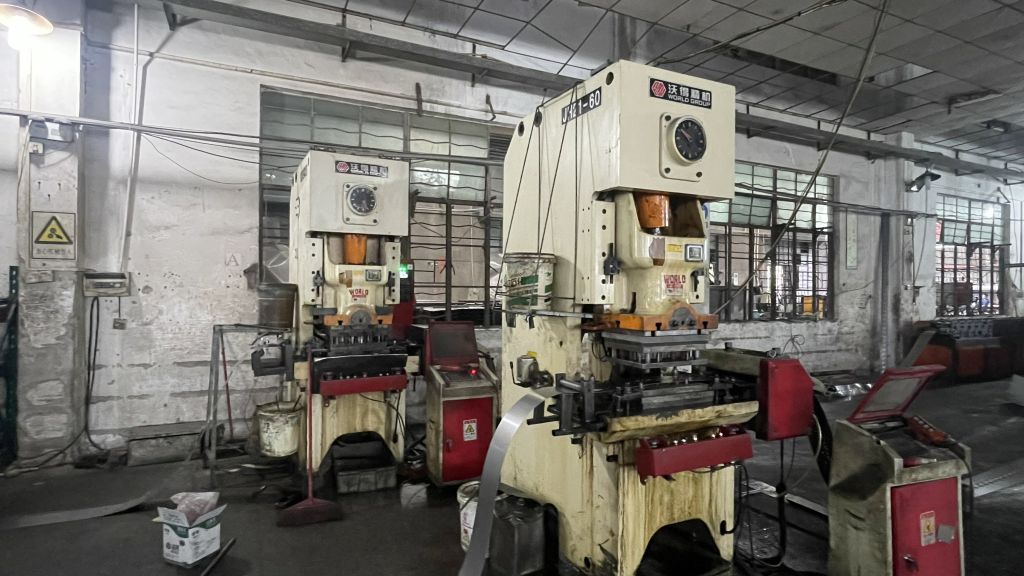
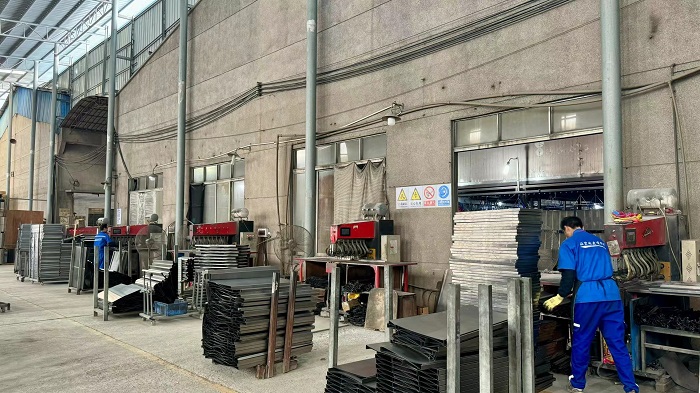
Punching
Punching
Painting
Painting
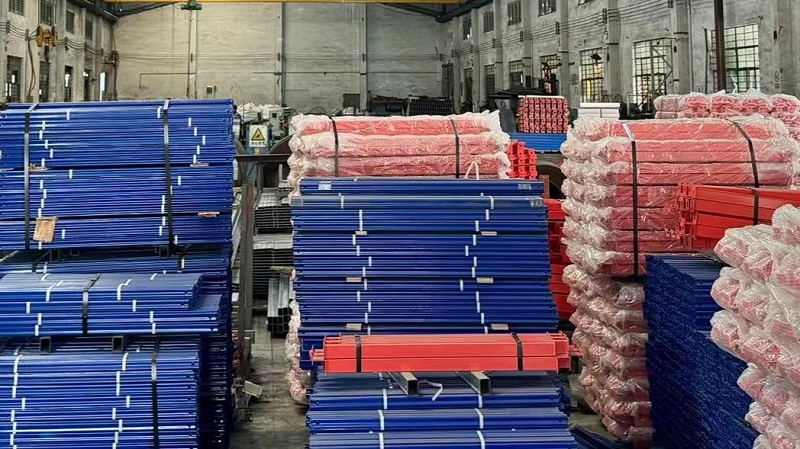
Packaging
Packaging

State-of-the-Art Production Machinery

Stamping Molding Machine
Piercer Machine
Piercer Machine
Welding Machine
Welding Machine
Painting Line
Painting Line
Punching machine
Punching Machine
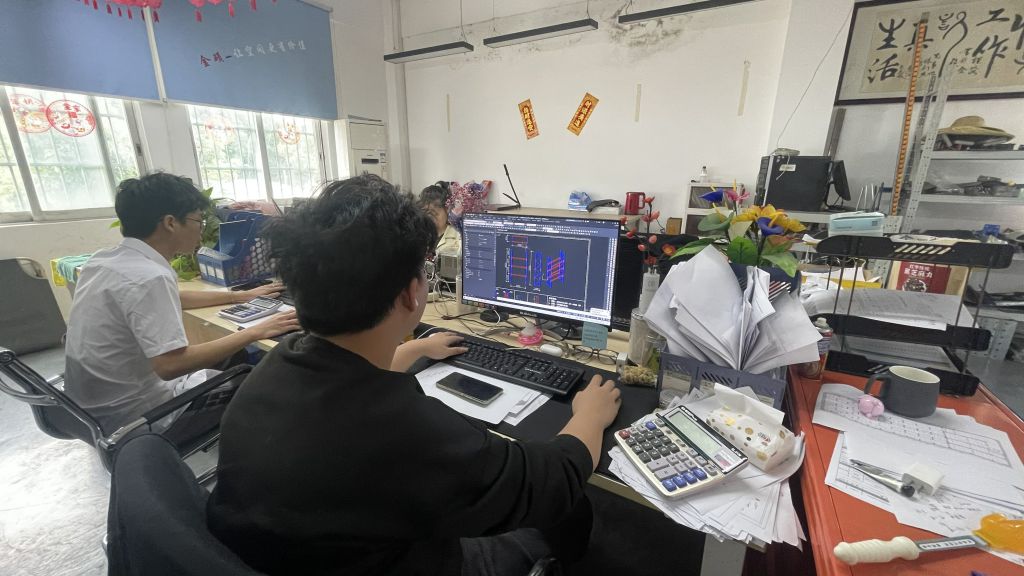
Design process for pallet racks
Pallet Rack Design & Simulation

Heavy-Duty Industrial Platforms & Mezzanines

Multi-tier structural storage systems designed for high load capacity and commercial distribution centers.

Metal Mezzanine Storage Rack

Factory Logistics Warehouse Metal Mezzanine Storage Floor Steel Structure Mezzanine Racking

Inquire Now
Warehouse Steel Rack Pallet Shelves

Warehouse Steel Rack Pallet Rack Shelves for Warehouse 3 Tons Foldable Storage Shelves

Inquire Now
Warehouse Storage Rack Bins

Warehouse Broom Storage Rack Warehouse Shelve Bins Seagrass Storage Shelf Basket

Inquire Now
Heavy Duty Warehouse Shelving System

Best Price Heavy Duty Warehouse Shelving System 1000KG-5000KG Load Capacity

Inquire Now
Metal Storage Rack Adjustable

All-purpose Metal Storage Rack for Garage Kitchen and Warehouse 100-500kg Capacity

Inquire Now
Heavy Duty Metal Shelf

Professional Heavy Duty Metal Shelf 1000KG-5000KG Loading Storage Rack System

Inquire Now
Wholesale Metal Storage Rack

Wholesale Light Duty Metal Storage Rack Multi Tier Boltless Steel Shelving For Warehouse

Inquire Now
Heavy Duty Metal Boltless Rack

4 Tier Heavy Duty Metal Boltless Rack With MDF Board and 4 Tier Adjustable Metal Shelves

Inquire Now

Technical Q&A: Industrial Storage System Specifications

Answers to common structural engineering, procurement, and logistics design questions.

1. What steel grades are standard for industrial racking, and how do they impact safety?
We primarily utilize Q235B and Q355B structural steel. Q355B (similar to ASTM A572 Grade 50) offers a higher yield strength (355 MPa), making it ideal for tall pallet racks and automated storage uprights. Q235B (similar to ASTM A36) is typically used for beam profiles and light-to-medium-duty storage. Selecting the correct steel grade ensures the structure withstands dynamic loads and seismic activity without permanent deflection.
2. How do automated shelving systems handle vertical deformation and floor levelness?
Automated Storage and Retrieval Systems (AS/RS) require strict deflection control. Under full load, vertical deflections are typically limited to L/300 or less. If concrete floors are uneven, adjustable baseplates and high-strength shims are used during installation. Precision levelling ensures that crane masts and shuttle tracks remain aligned, preventing operational errors.
3. What is the difference between RMI and FEM specifications for global markets?
RMI (Rack Manufacturers Institute) standard is the primary design guide in North America, focusing on LRFD (Load and Resistance Factor Design) methods. FEM 10.2.02 is the European standard, which emphasizes limit state design and detailed structural testing of connections. Shenzhen Kimsuk engineers design structures compliant with both regional standards depending on project requirements.
4. Why is electrostatic powder coating preferred over liquid painting?
Electrostatic powder coating delivers a thicker, more durable protective layer. The thermosetting powder is baked at 180°C to 200°C, creating a cross-linked polymer finish. This coating provides excellent resistance to chipping, scratches, and chemicals, outlasting liquid paint in high-traffic logistics environments.
5. How does a custom mezzanine system increase storage density compared to standard racks?
Mezzanines utilize the overhead space of a facility, effectively doubling or tripling the usable floor area. By integrating light-duty shelving on top of a structural steel platform, facilities can separate high-density pallet storage from manual small-item picking areas, streamlining fulfillment workflows.