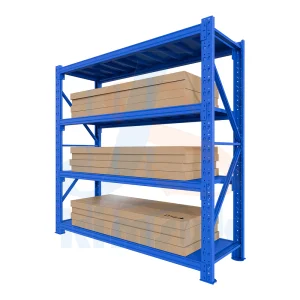
Engineered for high load capacity, maximum durability, and seamless structural adaptability.


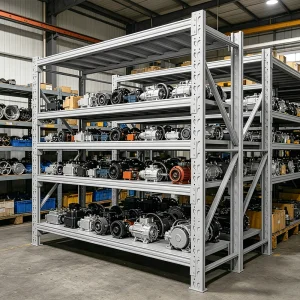

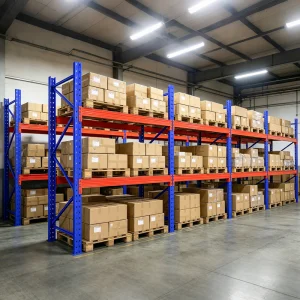
In the era of hyper-optimized global supply chains, industrial warehouse spacing has shifted from simple storage to dynamic logistics asset management. Global enterprises face unprecedented pressures: land acquisition costs are soaring, inventory turnovers are accelerating, and safety parameters have zero tolerance for failure. Standardized shelving often falls short in matching specific seismic conditions, unconventional structural footprints, or high-density vertical requirements. This is where Custom OEM Heavy Duty Rack Factories play an indispensable role.
A high-performing heavy-duty storage system must balance metallurgical composition, dynamic load structural analysis, and compliance with rigorous global safety standards. For global procurement directors, finding a manufacturing partner that combines raw material traceability, advanced CAD/FEM engineering, and scale-ready manufacturing is critical.
Combining 14 years of design intelligence with world-class production processes.
Established in 2016, Shenzhen Kimsuk Storage Equipment Manufacturing Co., Ltd. has established itself as an industry leader in customized logistics storage engineering. With an advanced 18,500㎡ factory and a specialized R&D team consisting of 18 design engineers, we develop storage solutions that optimize floor space, reduce material handling times, and guarantee load-carrying safety under demanding operational conditions.
Our manufacturing ethos centers around vertical integration. From importing certified premium steel coils to executing high-precision punching, automatic robotic welding, and automated electrostatic powder coating, we control the entire lifecycle of our structural racking components. This complete oversight enables us to service logistics enterprises, 3PL giants, manufacturing plants, and e-commerce distribution centers across North America, Europe, Southeast Asia, Australia, and South America.
Our engineering department utilizes CAD, SolidWorks, and ANSYS FEA software to simulate wind loads, seismic events, and maximum structural stress loads, ensuring safety margin parameters exceed 1.5x nominal rating.
With 45 full-time QA inspectors, we execute laser dimensional audits, welding ultrasonic checks, coating thickness verification, and hydraulic press load-bearing tests on every production batch.
Partnering with over 850 verified suppliers of raw steel, custom fasteners, and industrial accessories, we assure material stability, priority logistics routing, and stable pricing models.
An inside look at our 18,500㎡ facility processes, tooling, and fabrication steps.
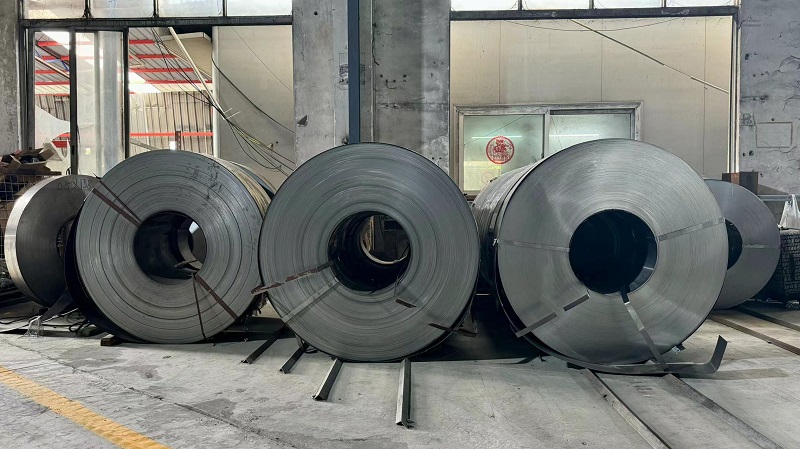
We source premium, certified steel coils (Q235B & Q355B). Every batch undergoes chemical analysis and tensile strength testing before entering fabrication.
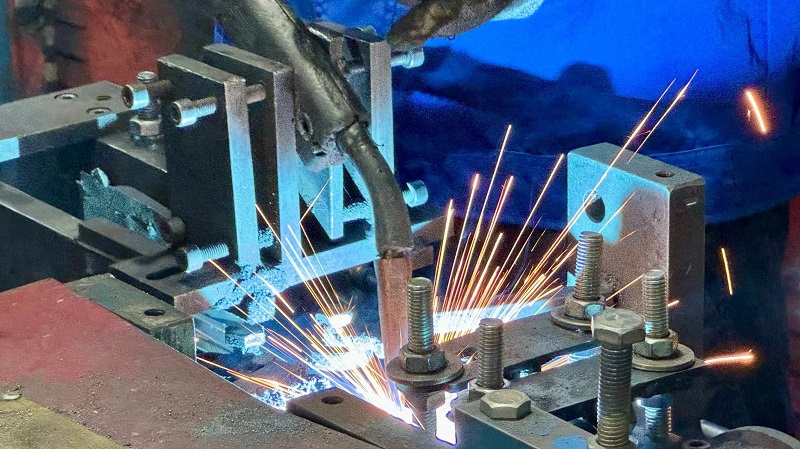
High-speed mechanical stamping units form base plates, connectors, and beam clips with sub-millimeter tolerances to ensure structural integrity.
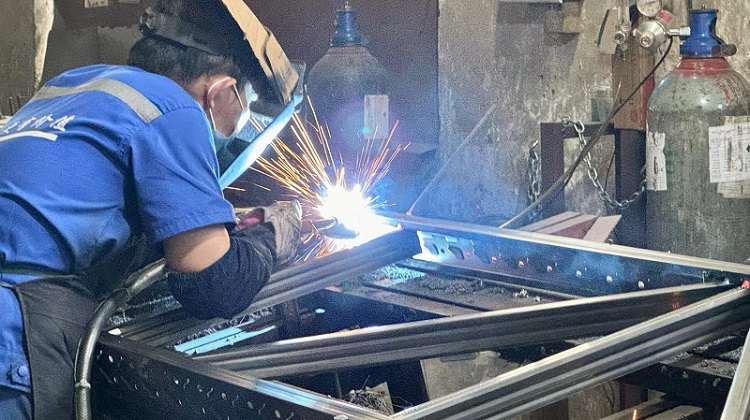
Robotic and manual gas metal arc welding (GMAW/MIG) operations ensure deep weld penetration, eliminating weak points at joint intersections.
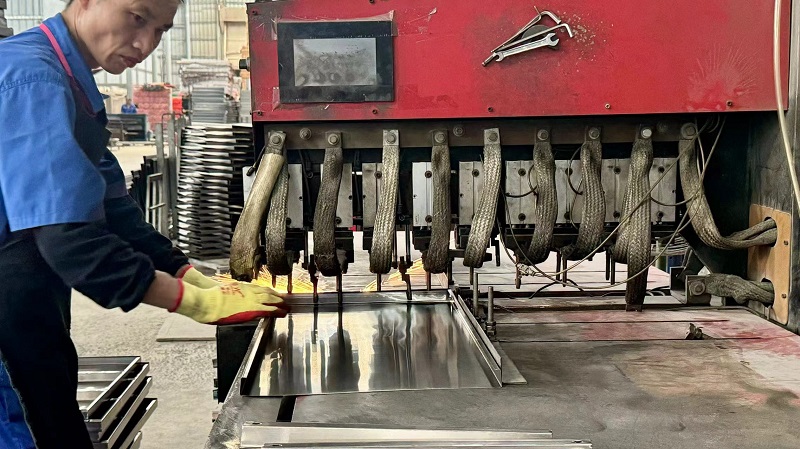
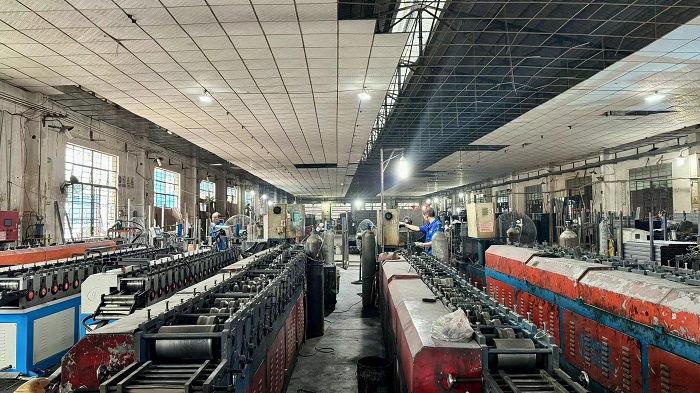
Continuous inline punching lines roll and punch upright frame columns with precise pitch configurations for flexible, adjustable beam positioning.
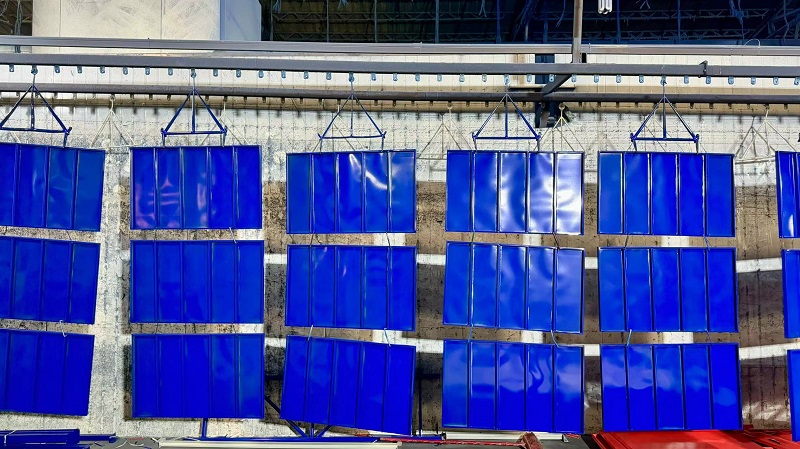
Components are pre-treated through multi-stage acid washing and coated with thermosetting epoxy-polyester powder, cured at 200°C for corrosion resistance.
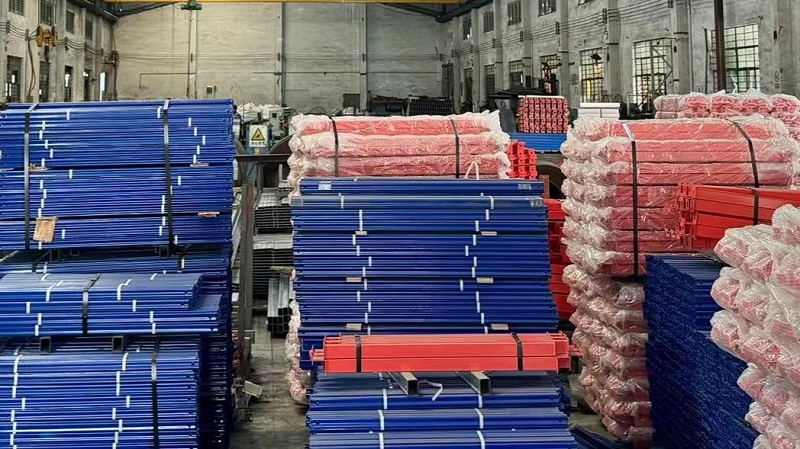
Finished frames and beams are bundled with steel strapping, wrapped in protective foam, and packed to prevent shipping damage during transport.
Equipped with progressive dies, this machine stamps thick-gauge heavy-duty racking connectors and accessories with high repeatability.
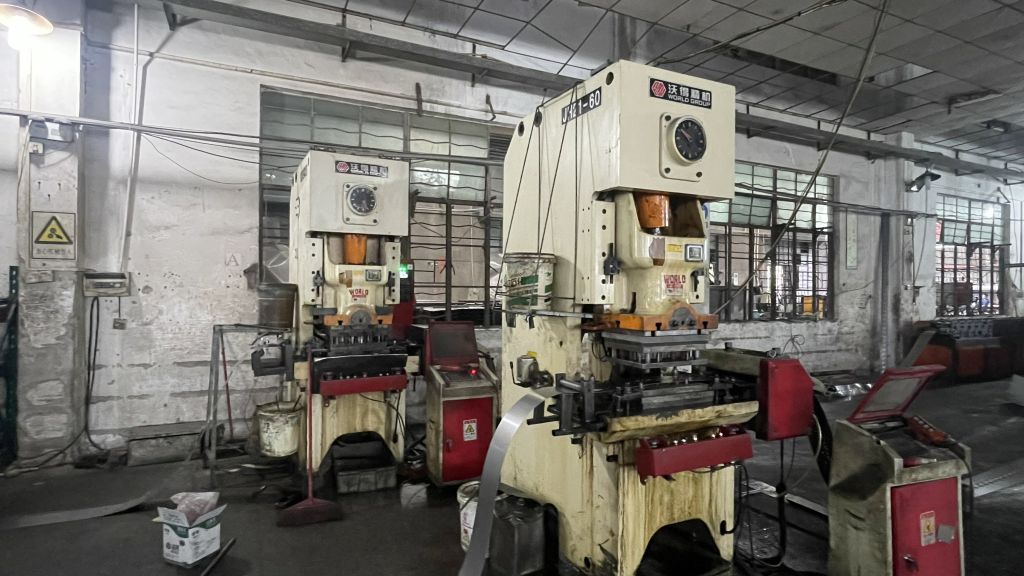
High-tonnage hydraulic piercers pierce clean assembly locking holes across structural members without causing micro-cracking in the steel.
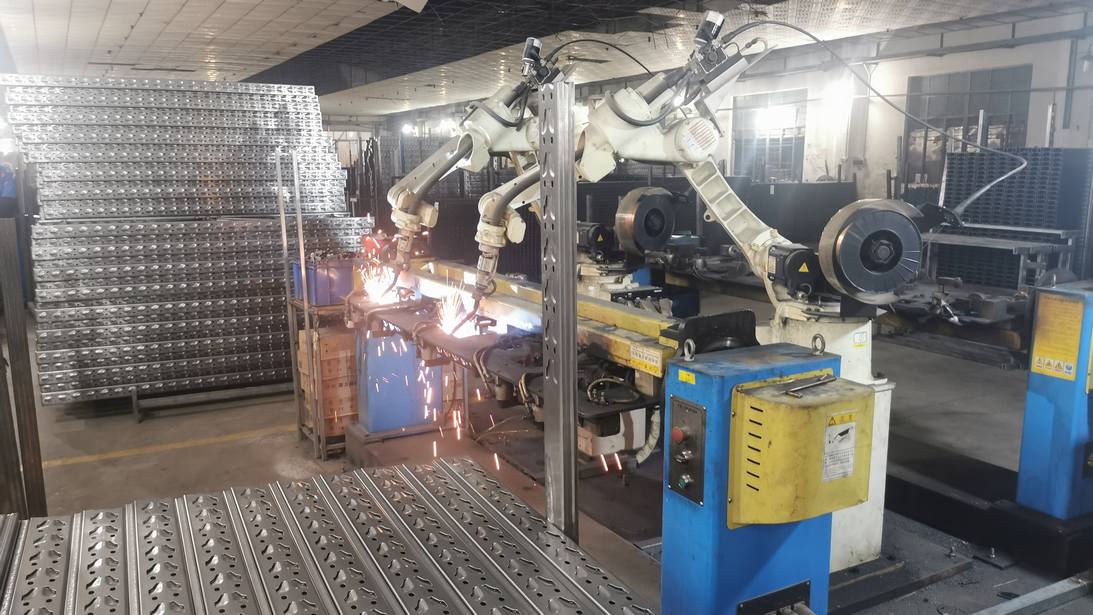
Dual-station MIG welding units run continuous structural welds to prevent localized material failure under dynamic heavy-machinery impacts.
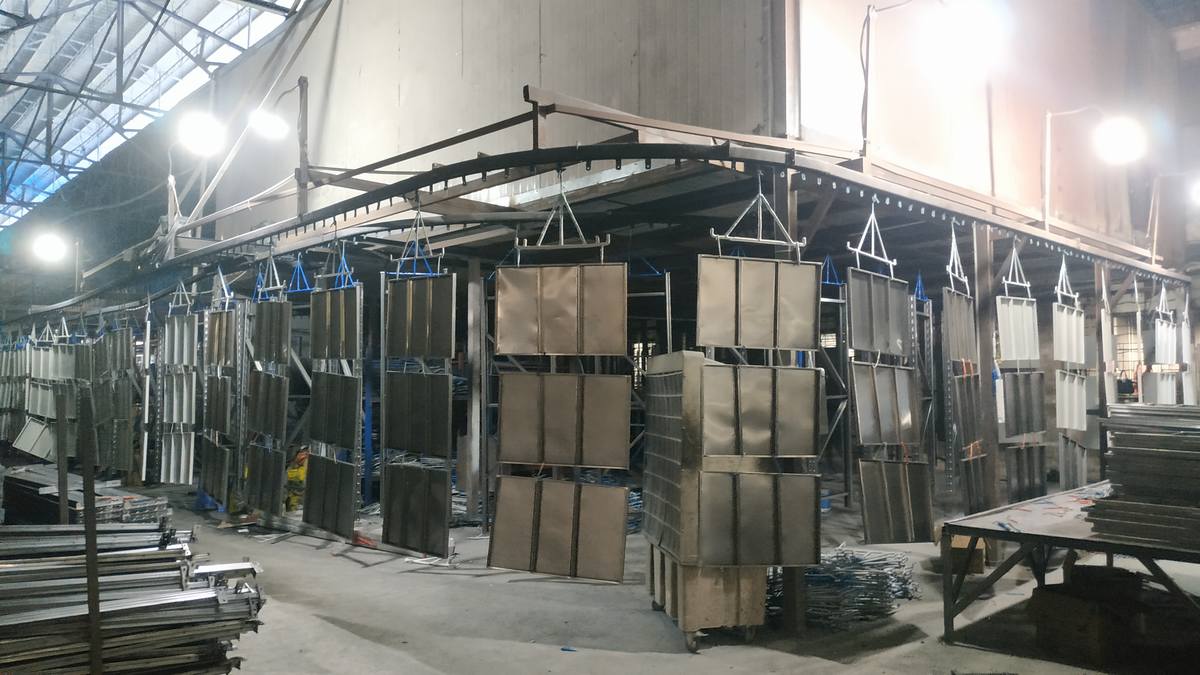
Our overhead conveyor line automates the cleaning, spraying, and curing cycle to ensure a uniform dry-film thickness of 60 to 90 microns.
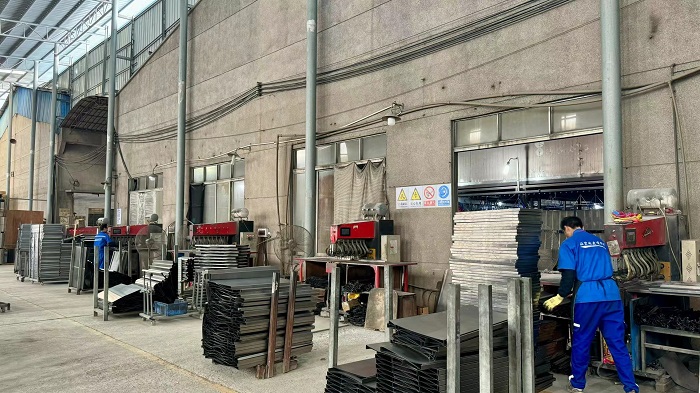
Integrates roll-forming and cold-bending mechanics to shape upright storage profiles from flat coils while preserving the steel's yield strength.
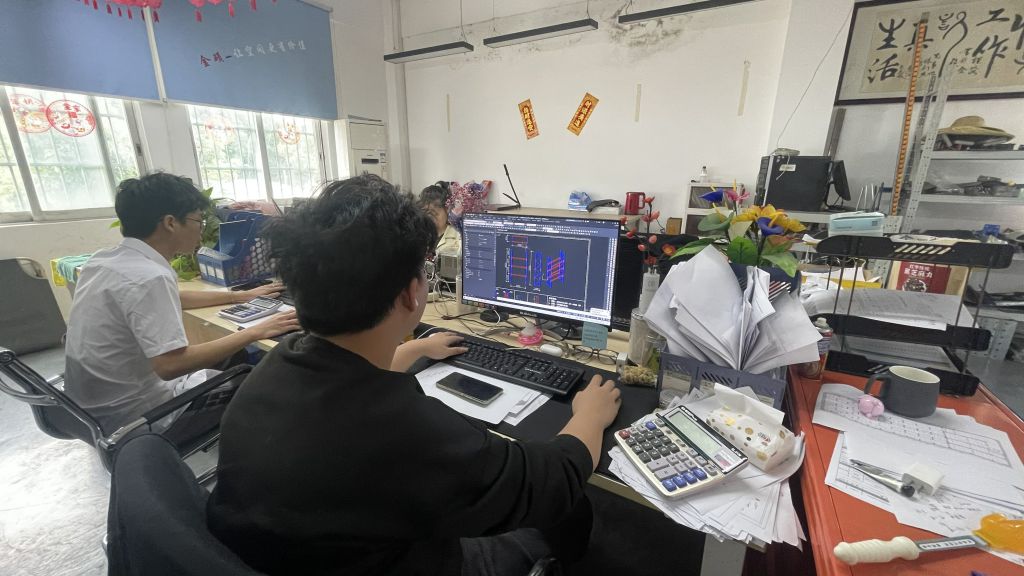
Our design engineers map out physical layouts, calculate load dynamics, and provide precise construction diagrams before manufacturing begins.
Why global enterprise procurement directors centralize heavy structural steel fabrication in our Shenzhen hub.
Our factory is located near major premium steel mills in southern China. This proximity grants us access to direct mill-certified structural steel coils at competitive rates, reducing material lead times and raw shipping overheads.
By leveraging advanced CNC tooling and high-speed robotic welding cells, we achieve high productivity per square meter. These operational efficiencies translate to lower cost-per-pallet position pricing for complex warehouse layouts.
Our in-house tool design shop enables us to modify punch pitches, connector configurations, and frame designs within days, a process that typically takes weeks at Western manufacturing facilities.
Additionally, Kimsuk's proximity to the port of Shenzhen streamlines shipping logistics. With 8 years of export expertise, we handle international Customs clearance, freight forwarding, and optimized container packing, reducing transit damage and port delay risks.
Installing a heavy-duty industrial storage rack requires strict adherence to local building codes, structural fire compliance rules, and seismic parameters. A simple failure to meet code can result in halted operations, insurance denial, or catastrophic collapse hazards.
An industrial racking project does not end when the container arrives at the port. Proper installation and site-specific configuration are critical. Kimsuk Storage provides complete technical assistance to local teams:
1. Detailed Floor Layouts: We model structural spacing based on warehouse floor loading capacities and forklift turning radii.
2. Structural Engineering Packages: We provide 3D CAD models, structural calculations, and material certifications required by local code authorities for building permits.
3. Site Supervision Support: Our engineers offer remote assembly direction and detailed installation manuals to help local contractors mount, anchor, plumb, and align the racking columns.
How our custom OEM racking is deployed across distinct industrial environments.
Designed for sub-zero food and pharmaceutical operations. We utilize specialty low-temperature steel formulations and marine-grade powder coatings that prevent micro-cracking and rust in environments down to -40°C.
High-density multi-level systems configured with selective pallet racking, carton flow tracks, and integrated safety netting. Optimized for high-throughput SKU picking and clean integration with conveyor lines.
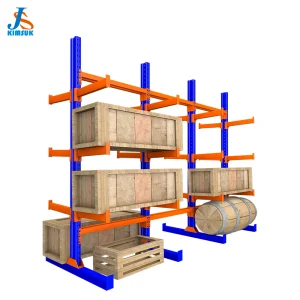
Custom cantilever designs featuring single- or double-sided metal arms. Engineered to support long, heavy steel tubing, lumber, aluminum extrusions, and heavy tooling dies without structural bowing.
The technological forces shaping the future of heavy-duty warehouse storage.
The warehousing sector is undergoing a rapid transition toward automation. The integration of AS/RS (Automated Storage and Retrieval Systems) requires racking manufacturing with tighter dimensional tolerances. While traditional hand-guided forklift systems permit minor misalignments, computer-controlled shuttle cranes and automated guided vehicles (AGVs) demand precise racking alignments down to the millimeter.
As an innovative OEM partner, Kimsuk is actively developing high-tolerance, structural steel designs compatible with automated shuttles. By utilizing CNC laser cutting and high-grade tooling jigs, we ensure that every frame column and beam connection meets the strict specifications of modern automated logistics facilities.
Answers to common technical, compliance, and ordering questions from procurement directors.
Lightweight storage, boltless units, and multi-tier systems for diverse industrial spaces.


 Kimsuk Storage