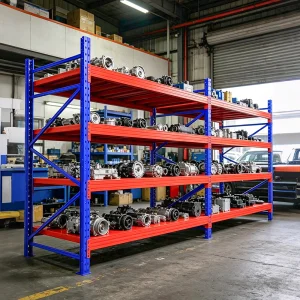
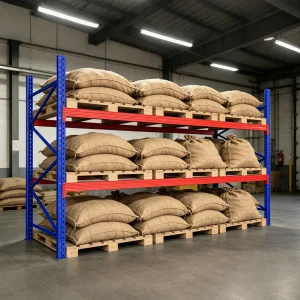
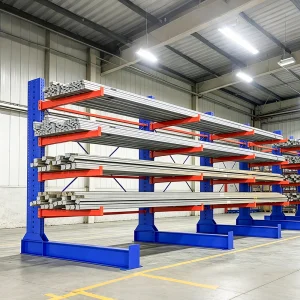
Explore our certified industrial racking systems designed to withstand demanding loading capacities from 1,000kg to 5,000kg per level.


Strategic Insights into Modern Warehouse Optimization, Structural Performance, and High-Density Distribution Logistics.
In an era defined by hyper-optimized supply chains, global e-commerce explosion, and sky-rocketing land prices, industrial warehouse footprint utilization has transitioned from a basic functional requirement to a critical corporate strategy. Today's commercial distribution networks, manufacturing hubs, and cold chain facilities demand vertical space exploitation that maintains safety standards without compromising accessibility. Heavy-duty racking systems act as the structural backbone of this operational transition.
Globally, procurement departments are shifting focus from simply purchasing storage racks to investing in high-integrity, structural engineering solutions. Heavy-duty pallet racks, cantilever configurations, and multi-level mezzanine systems must handle severe dynamic loads, withstand the continuous impact of forklift operations, and satisfy strict seismic parameters (such as RMI, FEM, and EN codes). To achieve this, manufacturers must leverage state-of-the-art roll-forming technologies, precise structural steel calculations, and high-performance powder coating lines to deliver long-term durability.
Organizations looking to establish or retrofit major logistics networks typically encounter complex challenges during structural selection:
A leading global OEM/ODM manufacturer of premium industrial warehouse storage equipment.
Established in 2016, Shenzhen Kimsuk Storage Equipment Manufacturing Co., Ltd. specializes in the design, manufacturing, and global supply of high-quality warehouse storage equipment. With an expansive modern manufacturing facility covering 18,500㎡, we provide professional structural storage solutions for warehouses, factories, logistics hubs, and diverse industrial applications worldwide.
Leveraging 8 years of dedicated export experience and more than 14 years of design and manufacturing expertise, Kimsuk generates an annual export revenue of approximately $12 million. Our extensive product portfolio features heavy-duty pallet racks, cantilever systems, steel mezzanine floors, structural boltless shelving, and highly specialized custom storage systems.
Our manufacturing approach is based on strict, multi-stage quality control. Kimsuk's rigorous inspection protocols cover raw material validation, structural welding analysis, surface coating thickness, dimensional tolerance checks, dynamic load-bearing tests, and final product evaluation. To maintain high structural standards, our 45-member Quality Control department uses precision measuring equipment, including digital laser instruments, hydraulic load testing stations, and digital coating thickness gauges.
By collaborating with over 850 global supply chain partners, we ensure access to premier structural steel coils, high-grade powder coatings, and optimized shipping pathways. Our designs serve logistics firms, automated retail distribution warehouses, advanced manufacturing plants, and industrial contractors across North America, Europe, Southeast Asia, the Middle East, Australia, and South America.
Take an inside look at Kimsuk’s end-to-end manufacturing process, utilizing state-of-the-art machinery and precision engineering workflow.
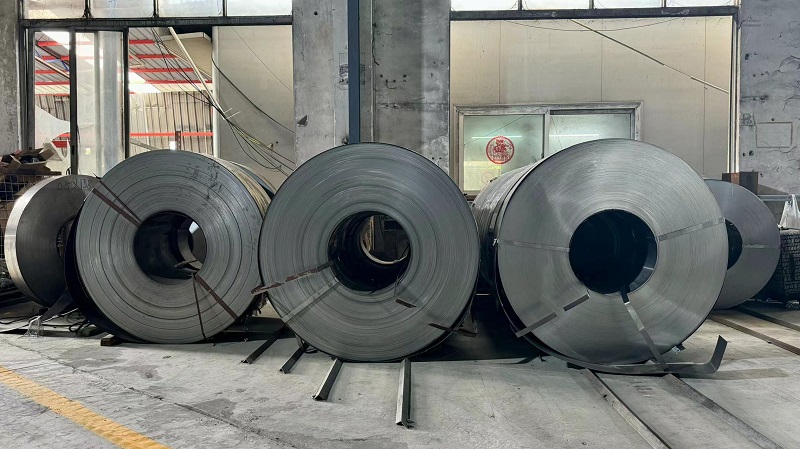
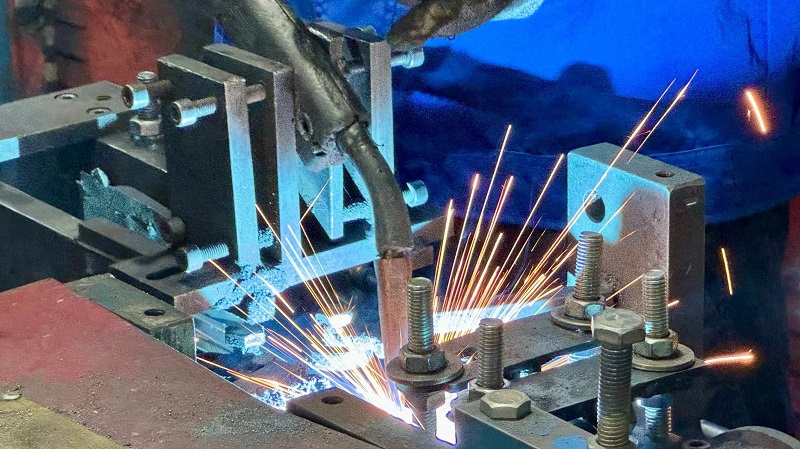
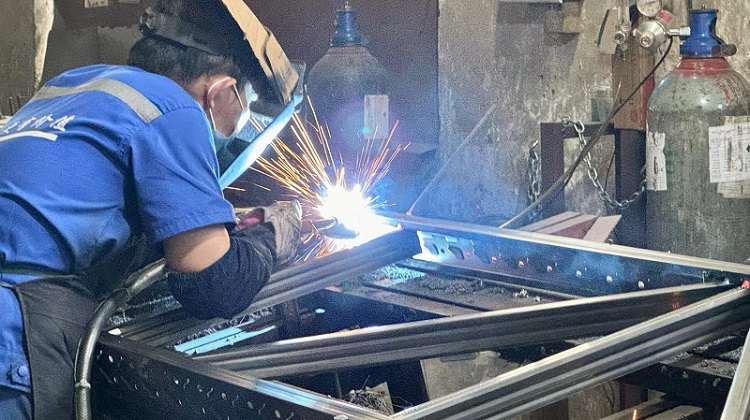
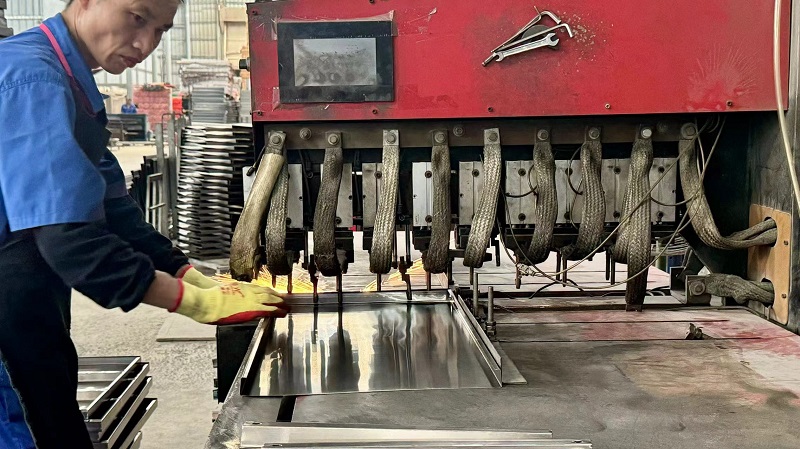
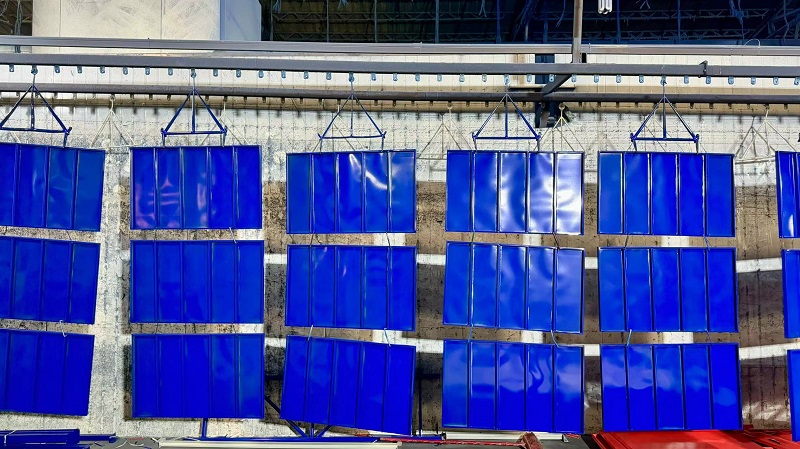
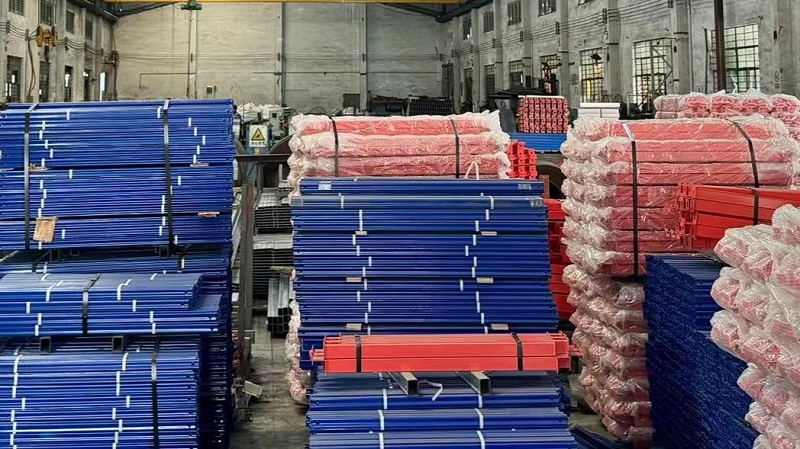
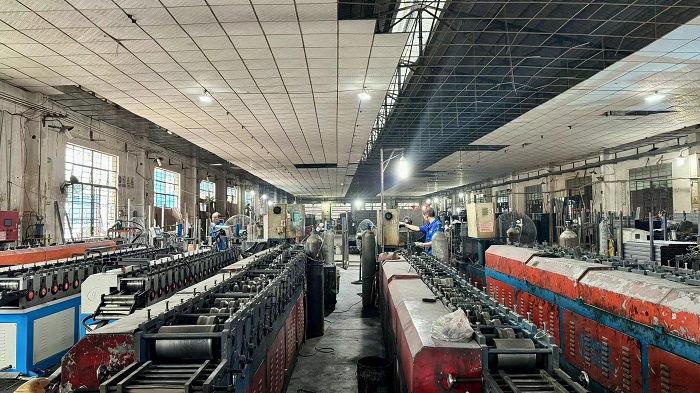
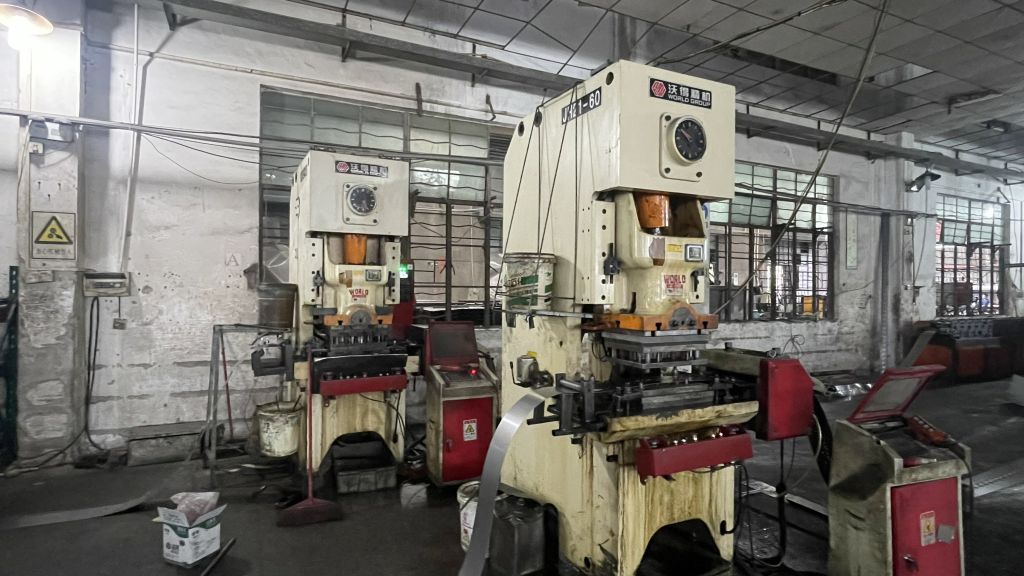
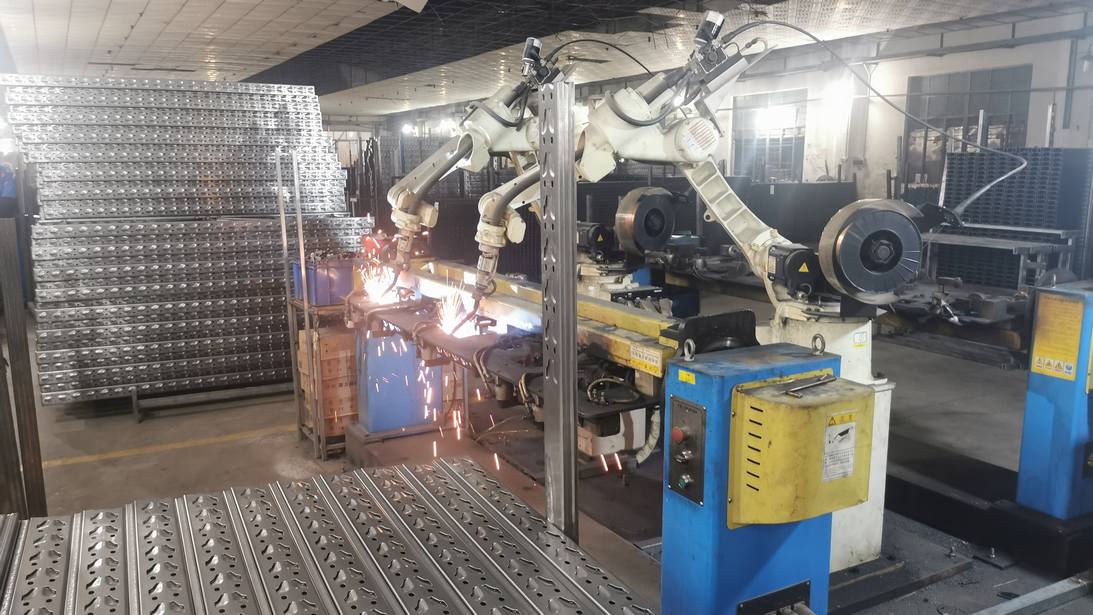
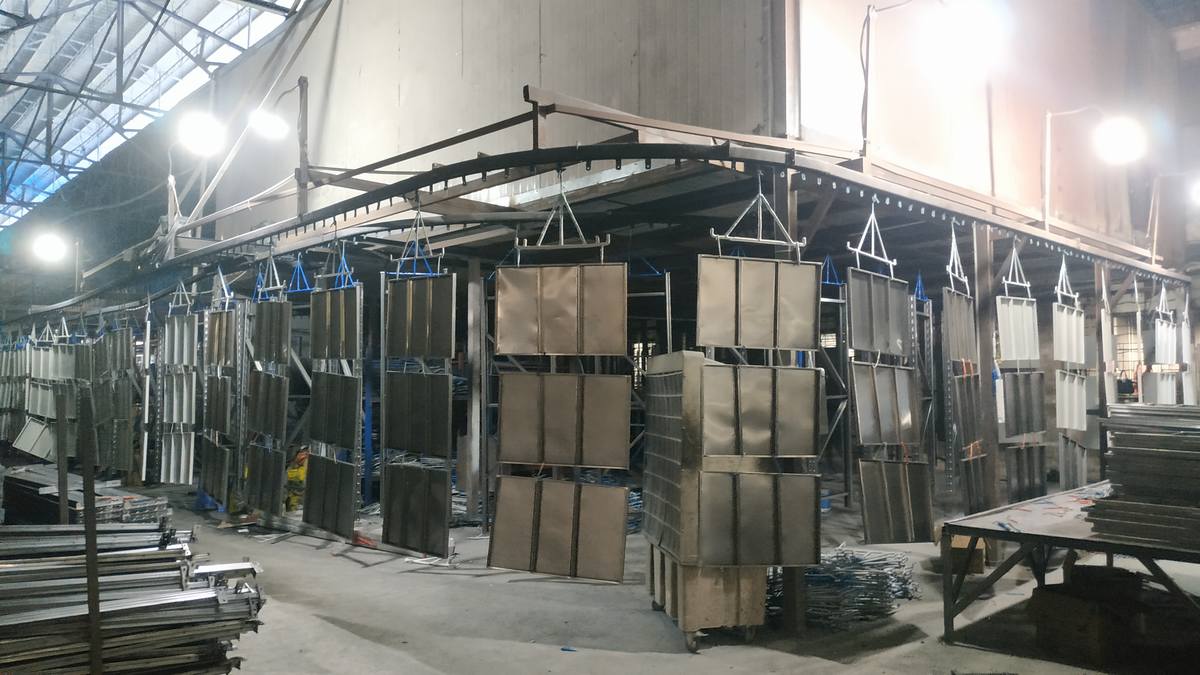
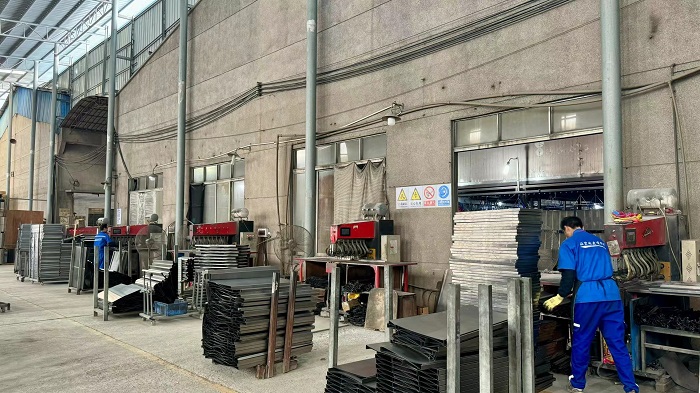
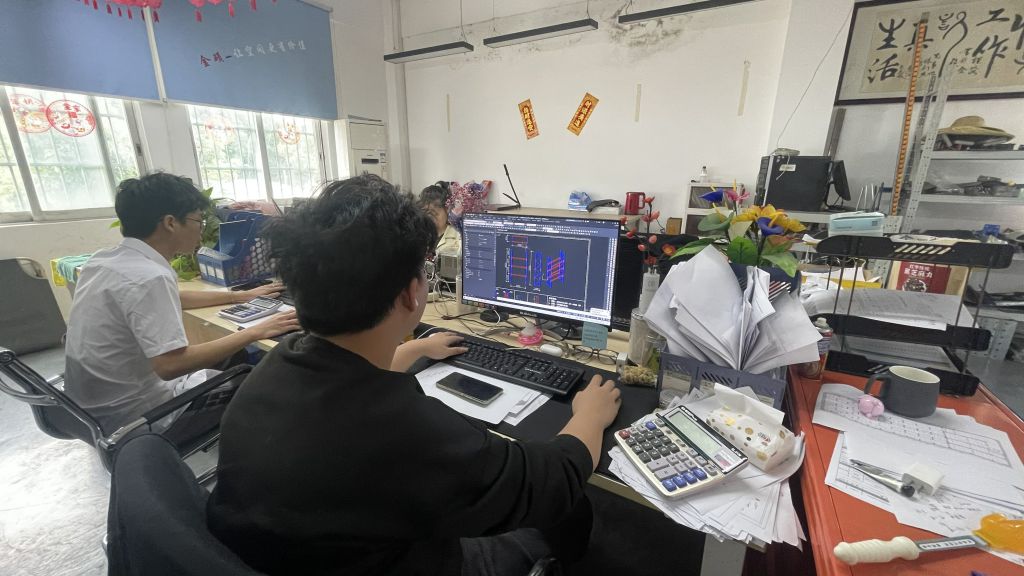
Analyzing the raw material access, automation, and supply chain clusters that drive global cost and engineering efficiency.
Sourcing industrial warehouse racks from China provides significant benefits to procurement managers beyond simple cost reduction. With advanced industrial parks and extensive raw steel networks, factories in regions like Shenzhen and Foshan deliver high quality, rapid delivery turnaround, and deep engineering design support.
China is home to some of the world's most modern structural steel mills. Manufacturers like Kimsuk secure direct allocations of premium hot-rolled and cold-rolled steel coils (such as Q235B and Q355B grades). This guarantees consistent tensile strength, structural stability, and predictability under massive loads.
With advanced, programmable roll-forming machinery, upright columns and box beams are shaped with high dimensional accuracy. Computer-controlled punch lines ensure connector slots are aligned to within micrometers, making on-site assembly fast and straightforward.
Operating automated pre-treatment and electrostatic powder coating lines allows Chinese manufacturers to apply thick, even layers of epoxy-polyester coatings. Baked at high temperatures, this surface treatment provides excellent resistance to scratches, chemical impacts, and rust.
Chinese manufacturers provide comprehensive technical support, utilizing CAD and 3D modeling programs. Engineering teams design custom racking solutions, select appropriate gauges, and simulate loading distribution scenarios before committing to mass production.
How customized racking designs solve space utilization challenges across diverse industrial environments.
No two warehouses are identical. Heavy-duty racking systems must be engineered to match the inventory profile, material handling equipment (MHE), and facility constraints. At Kimsuk, our R&D team customizes structures to support specialized operations around the world:
For modern logistics operations, vertical space is optimized using AS/RS installations that reach heights of over 30 meters. These setups require strict straightness tolerances in the upright frames to prevent automated cranes from colliding with the racks. Kimsuk uses laser-aligned measuring tools during fabrication to meet these tight structural alignment specifications.
Sub-zero temperatures in pharmaceutical and food distribution facilities cause steel to become brittle. Our cold storage solutions utilize specialized steel grades combined with protective epoxy finishes. These systems resist thermal contraction, prevent moisture infiltration, and maintain structural integrity in temperatures down to -30°C.
Standard pallet racks are not suited for storing items like plastic extrusions, timber packs, steel tubes, and structural panels. Custom cantilever racking configurations offer unobstructed fronts with single or double-sided arms. This design simplifies forklift loading and unloading operations for long or unusually shaped materials.
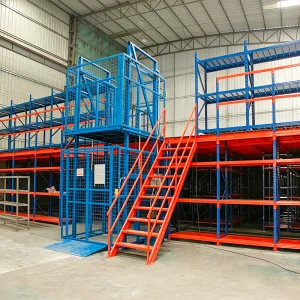
When expanding a building's footprint is not feasible, industrial steel mezzanines double the storage capacity by creating suspended structural levels. Supported by heavy-duty upright frames, these platforms feature anti-slip steel decking, loading gates, and robust safety guardrails to ensure safe and efficient worker access.
Understanding structural standards and loading calculations for high-risk industrial applications.
Evaluating heavy-duty racking systems requires careful consideration of structural engineering principles. Racks are dynamic structures that bear immense weight and must endure forklift impacts and seismic movements. Investing in cheap, uncertified racking solutions risks structural failure, leading to inventory damage and serious safety hazards.
Kimsuk ensures that our engineering designs are verified through Finite Element Analysis (FEA). This software simulates stress distribution, structural deflection, and seismic reactions. By analyzing these models, we optimize steel thicknesses, post profiles, and baseplate dimensions to guarantee long-term stability under full load conditions.
In-depth structural and commercial answers to frequently asked questions from warehouse managers and purchasing directors.
We primarily use Q235B and Q355B high-strength structural carbon steel (equivalent to ASTM A36 and ASTM A572 Grade 50). These materials offer excellent yield strength, ductility, and weldability, which are essential for supporting load capacities up to 5,000kg per level.
Load capacity is calculated using structural engineering principles, accounting for the beam span, vertical spacing between levels, upright post profiles, and steel thickness. We utilize Finite Element Analysis (FEA) to verify these calculations, ensuring a safety factor of at least 1.5 times the maximum rated load.
For standard warehouses, we apply an electrostatic thermosetting epoxy-polyester powder coating (60–80 microns thick). For highly humid, chemical, or outdoor environments, we offer hot-dip galvanized finishes or anti-corrosion primer treatments to prevent rust.
Yes, our engineering team designs systems tailored to localized seismic activity. This includes utilizing wider baseplates, heavy-duty floor anchor bolts, cross-bracing configurations, and thicker upright columns to withstand seismic forces according to regional standards.
Following FEM and RMI guidelines, the maximum allowable vertical deflection for beams under load is L/200 (where L is the span of the beam). For example, a 2700mm beam has a maximum permissible deflection of 13.5mm, ensuring structural safety and stability.
We offer safety accessories, including steel upright protectors, heavy-duty guide rails, and plastic column guards. We also recommend warehouse layouts with adequate aisle spacing to minimize accidental impacts during routine loading operations.
Our standard production time is 20 to 30 days after drawing approval and deposit confirmation. This timeline varies based on order volume, customization requirements, and current factory capacity.
We provide comprehensive installation manuals, structural drawings, and remote technical support. For large-scale projects, we can arrange for experienced installation engineers to guide on-site setup and ensure compliance with safety guidelines.
Explore our heavy-duty cantilever racks, modular shelving, and space-saving options for high-density warehouses.


 Kimsuk Storage