Maximize vertical storage limits, enhance load capacities, and optimize warehouse footprints with our robust, high-performance structural systems.

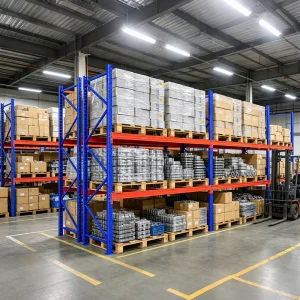
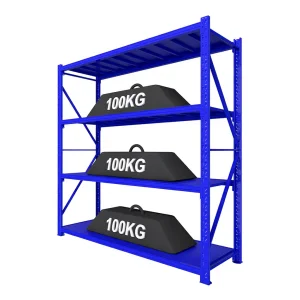
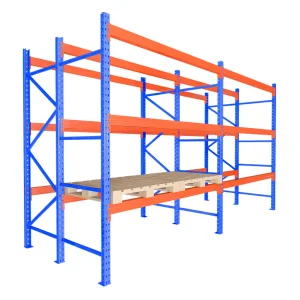

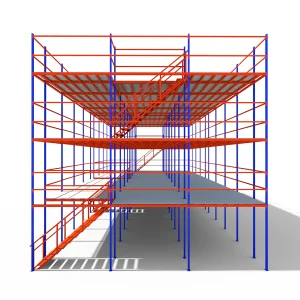
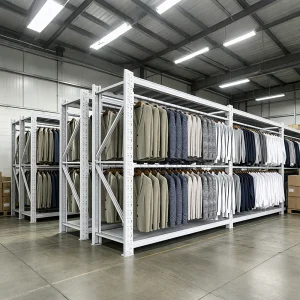

In modern industrial logistics, static storage configurations are no longer sufficient to meet the demands of global distribution networks. Supply chain nodes now require high-density storage that balances optimal floor space usage with rapid throughput rates. This optimization is driven by the transition from traditional Selective Pallet Racking and Drive-In systems to dynamic, automated platforms—specifically the 4-Way Shuttle Automated Storage and Retrieval System (ASRS).
A 4-Way Shuttle system utilizes robotic vehicles that travel in both longitudinal and transverse directions along dedicated rail matrices inside the racking system. This dual-axis mobility allows for direct pallet access across multiple depth configurations without relying on heavy material-handling machinery like reach trucks or stacker cranes. By decoupling the vertical elevation process (handled by specialized pallet lifts) from horizontal transfer mechanisms (handled by the shuttle fleet), this technology eliminates single-point-of-failure liabilities and allows for scalable throughput adjustments.
“By optimizing vertical clearances and automating lane distribution, 4-Way Shuttle technology increases storage density by up to 60% compared to traditional reach truck operations, while reducing energy footprints by more than 35% in temperature-controlled spaces.”
As a leading OEM/ODM exporter, we engineer custom racking systems specifically designed to handle the dynamic loads, tight tolerances, and track structural requirements essential for seamless 4-way robotic shuttle operation.
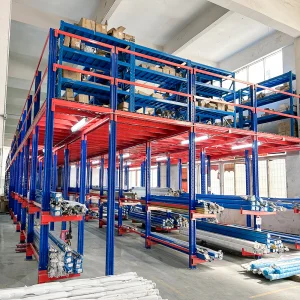
By eliminating access aisles and utilizing a modular grid layout, these systems optimize both footprint and height utilization, supporting high-density configurations up to 25 meters tall.
System throughput is scaled by adjusting the fleet size. Additional shuttle units can be deployed during seasonal peaks and reassigned dynamically through WCS/WMS integrations.
Unlike crane systems where a single mechanical failure halts an entire aisle, a malfunctioning 4-way shuttle can be serviced while other shuttles in the fleet handle the workload.
The engineering landscape of 4-way shuttle storage is rapidly changing. Key developments are focusing on improving performance, system reliability, and software integration to create smarter warehouse environments.
| Technology Domain | Current Standard (Gen-II Platforms) | Next-Gen Integration (Gen-III Future Roadmap) | Operational Advantage |
|---|---|---|---|
| Power & Energy Supply | Traditional Lithium Batteries (Slow Charge Cycles) | Hybrid Supercapacitors + Quick-Inductive Charging | 24/7 continuous operations with zero dedicated idle charging hours |
| Mechanical Profile | 150mm chassis thickness limiting bottom space | Ultra-thin 110mm dynamic chassis construction | Increases overall storage height capacity by adding vertical rack lanes |
| Traffic Controls | Fixed zone control limits via centralized PLC routing | Decentralized Swarm Intelligence (AI-path planning) | Reduces shuttle bottlenecks in high-speed picking zones |
| Maintenance Protocols | Reactive servicing or scheduled calendar maintenance | IoT integrated predictive vibration & heat analysis | Prevents component wear failures before they disrupt operations |
Future designs will also focus on environmental versatility. Shuttles are being optimized to perform reliably in harsh settings, such as sub-zero pharmaceutical cold chain systems (down to -30°C) and hazardous chemical storage facilities requiring explosion-proof (Ex-rated) certifications. As an OEM/ODM provider, Kimsuk works alongside automation engineers to design racking systems that withstand thermal movement and physical wear in these demanding environments.
Founded in 2016, Shenzhen Kimsuk Storage Equipment Manufacturing Co., Ltd. has established itself as an authority in the global storage rack manufacturing industry. Drawing on over 14 years of design and production expertise, we deliver structural shelving and automated racking systems that meet the rigorous requirements of modern logistics operations.
Operating from our modern 18,500m² factory, our production team handles projects with high precision. We support global logistics systems with an annual export value of approximately $12 million. Over 8 years of export experience has enabled us to serve clients across North America, Europe, Southeast Asia, the Middle East, Australia, and South America, maintaining a diverse and reliable global supply chain network.
Our engineering division, consisting of 18 specialists, is dedicated to structural optimization and custom solutions. We ensure all structures are engineered using Finite Element Analysis (FEA) to confirm safety, rigidity, and seismic resilience. Last year alone, we launched more than 120 new products and structural improvements, reflecting our focus on technical innovation and reliability.
Quality assurance is integrated into every step of our process. Our 45-person inspection team checks raw materials, welding quality, paint thickness, and load capacities using advanced laser sensors, coating gauges, and testing rigs. This ensures that every racking component we deliver meets or exceeds international structural standards.
Industrial racking systems for automated vehicles like 4-way shuttles require tighter manufacturing tolerances than standard pallet racks. Even slight deviations in rail alignment or welding profile can cause sensor errors or system disruptions. To achieve this level of precision, we utilize automated, state-of-the-art production machinery at our manufacturing facility.
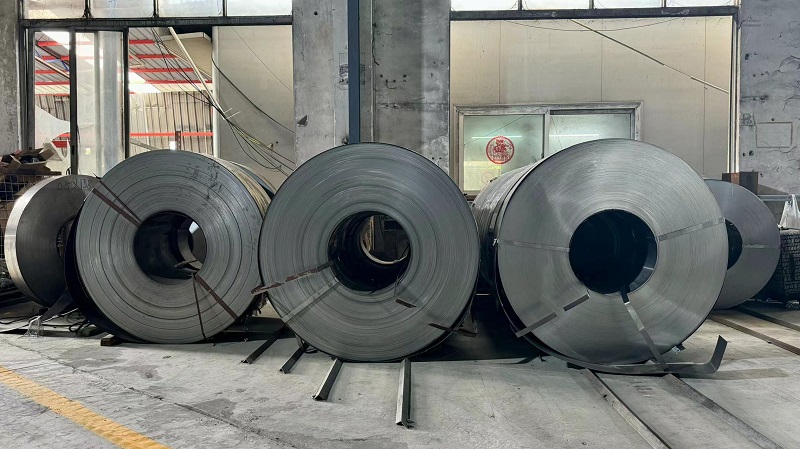
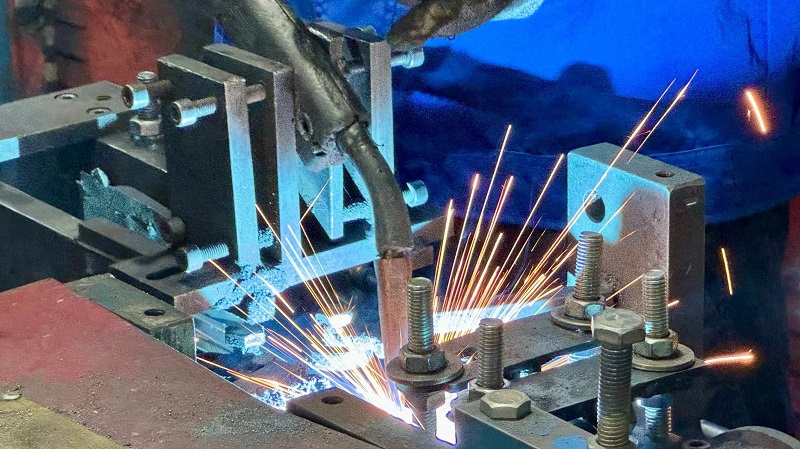
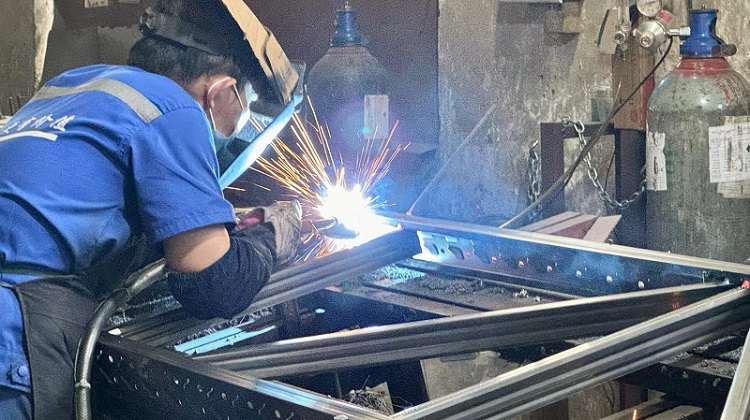
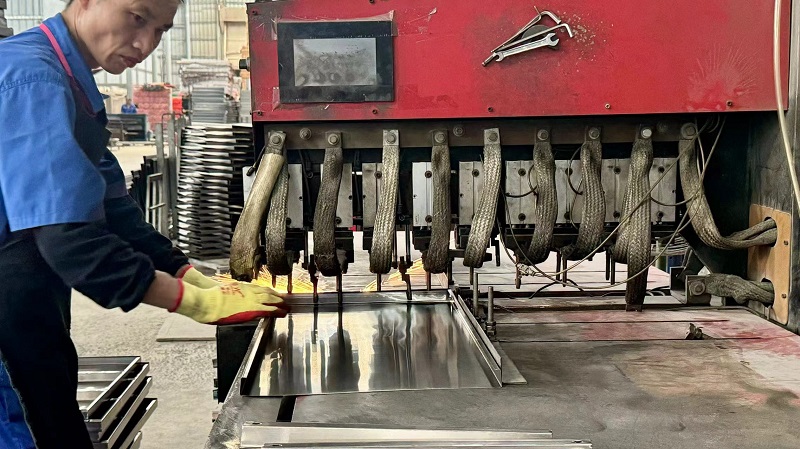
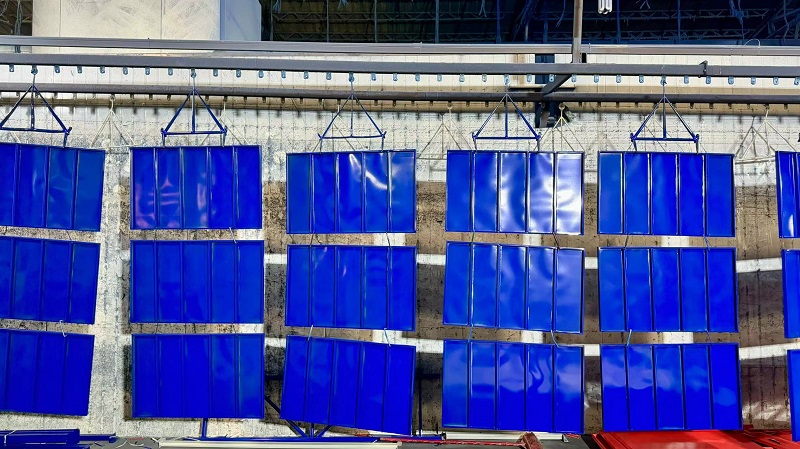
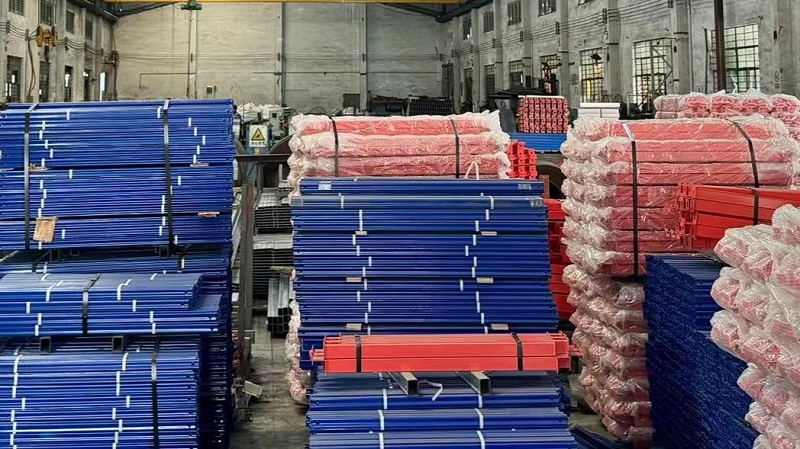
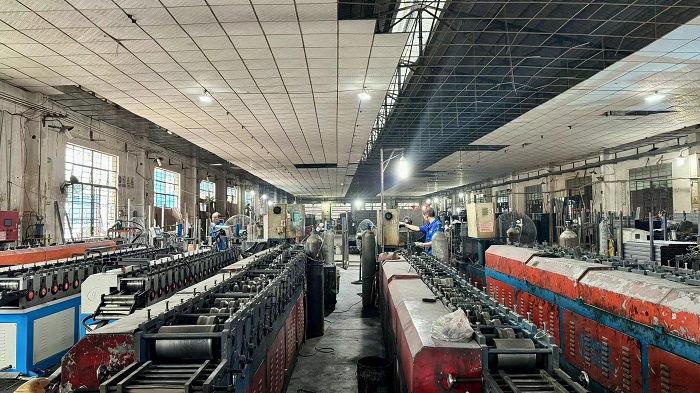
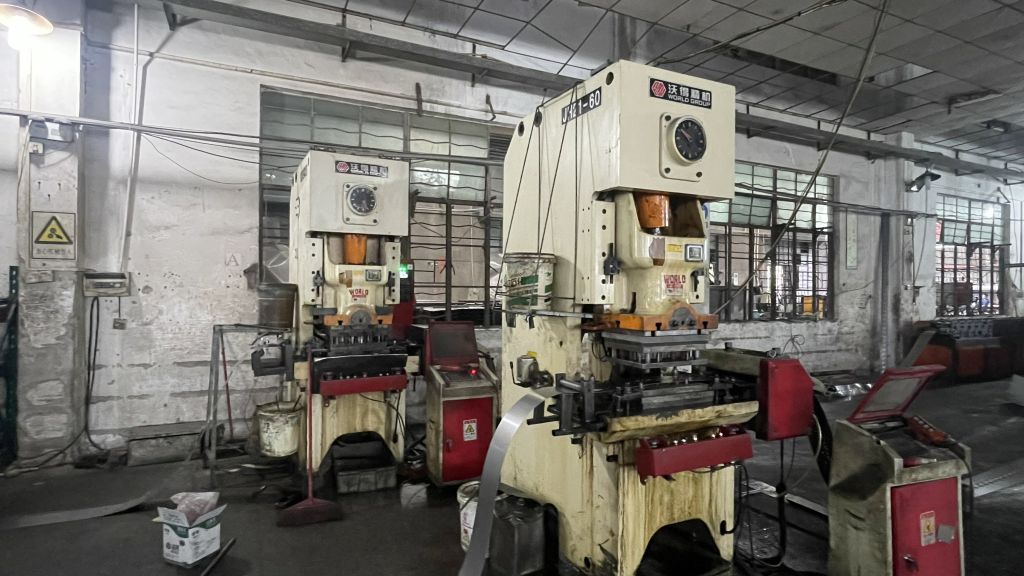
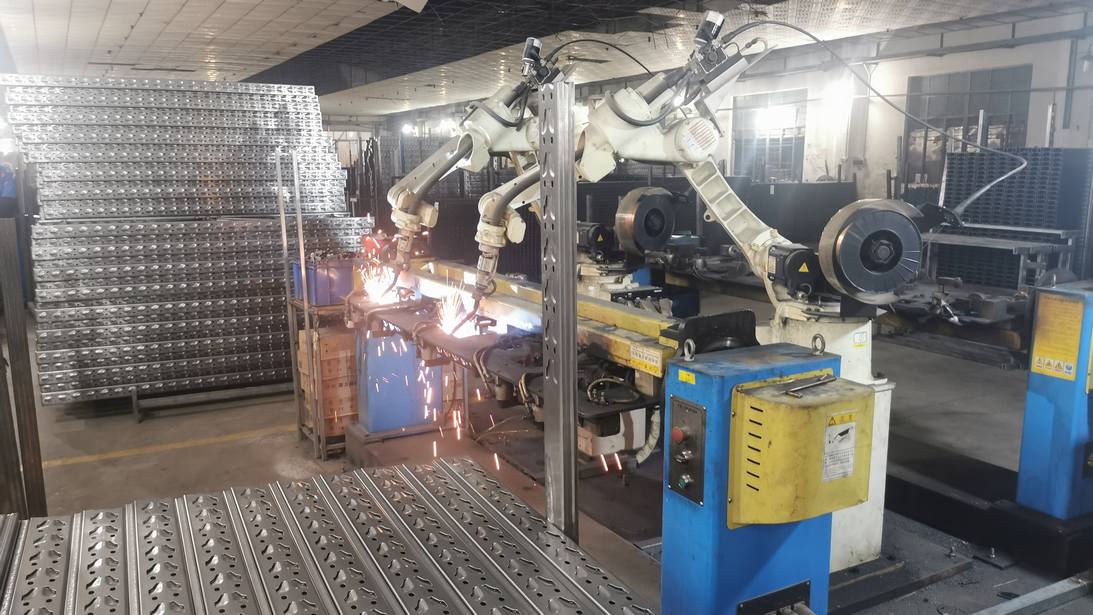
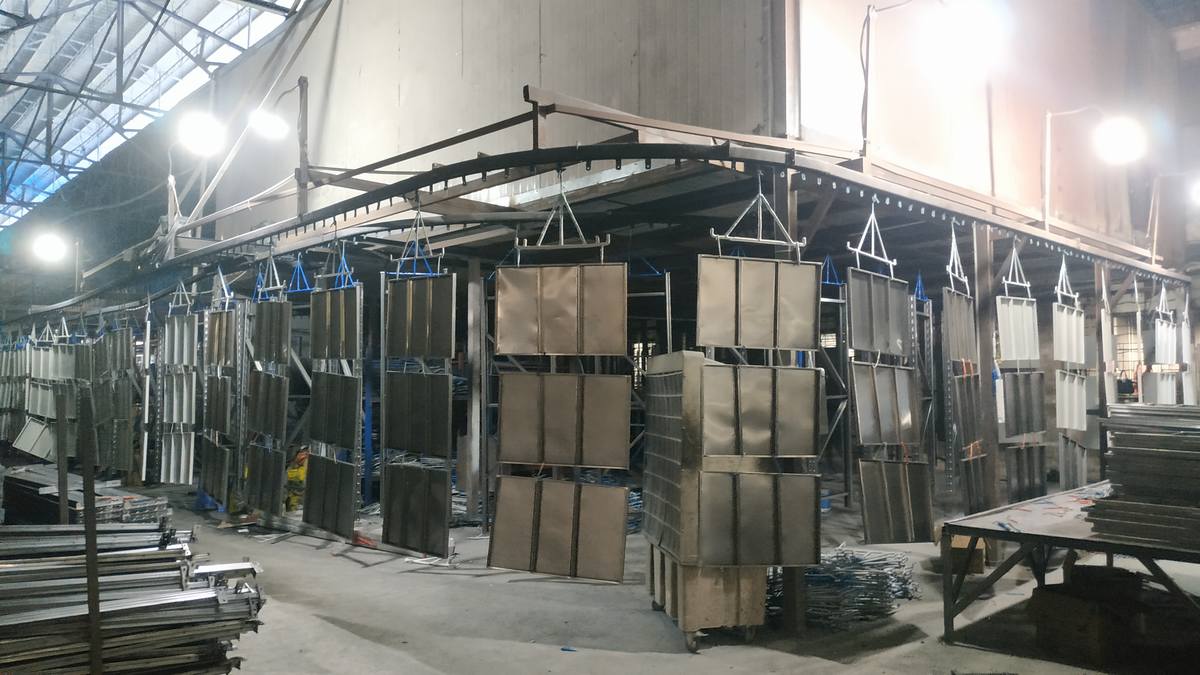
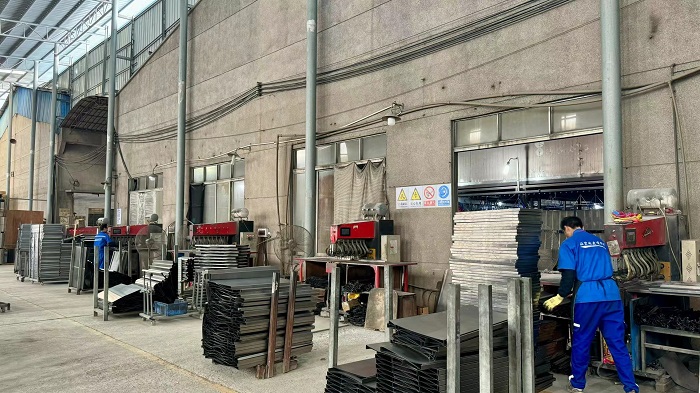
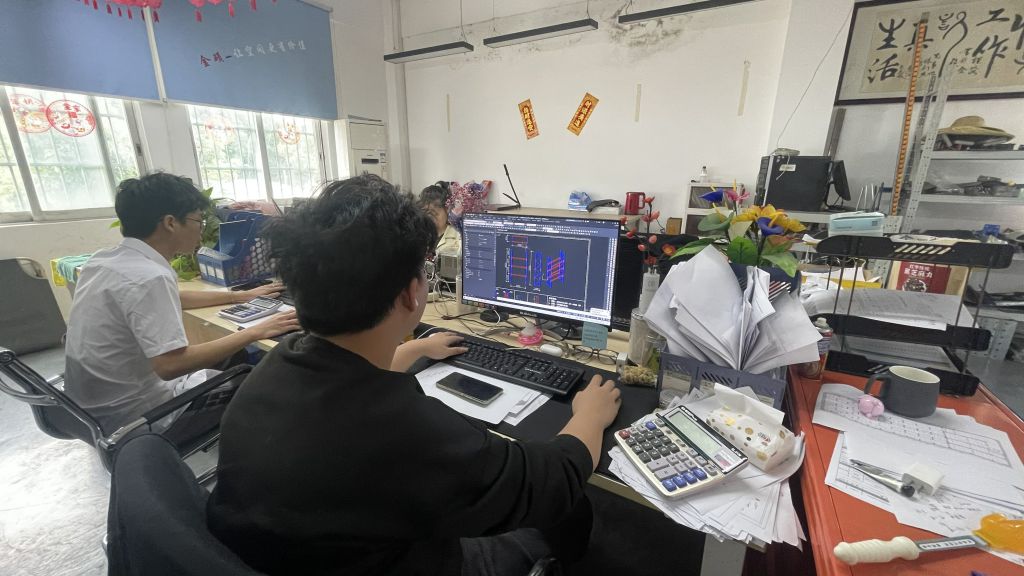
Our structural production starts with high-strength structural carbon steel coils, certified for load capacity and consistency. Using computerized roll-forming and stamping lines, we shape structural upright profiles and shuttle rail guides to precise specifications. Automated multi-head punching systems create clean connector configurations, followed by robotic welding cells that assemble structural bracing, beam columns, and base attachments.
Before finishing, components undergo chemical pre-treatment to clear contaminants. They are then finished on our electrostatic powder coating line, which applies a durable, impact-resistant protective layer. The completed parts are packed securely using specialized cradles and protective strapping to ensure they arrive undamaged at site installations worldwide.
Automated shuttle technology can be customized to resolve specific logistical challenges across different industries:
Maximizes storage density in cold storage zones down to -30°C. By reducing ambient volume, it lowers the energy needed to keep refrigeration systems running.
Combines high-density storage with quick multi-depth shuttle picking to handle variable SKU counts and fast delivery requirements.
Engineered for high load capacities, supporting heavy tooling, sheet metal parts, and raw manufacturing components safely.
Purchasing automated warehouse systems involves careful coordination between structural fabrication, automation partners, and local regulatory requirements. Kimsuk supports this process by ensuring all manufactured components meet key international standards, including ANSI MH16.1 in North America, FEM 10.2.07 codes in Europe, and global ISO 9001 quality management standards.
To help clients manage risk, our engineers provide complete documentation packages, including raw material certificates, weld inspection reports, and Finite Element Analysis (FEA) results. We work closely with automation partners worldwide to coordinate shipment schedules and site deliveries, helping to keep project timelines on track.
We offer customized structural calculations for project locations in active seismic zones. This ensures the structural design is reinforced to meet localized building safety codes, providing peace of mind and long-term durability.
Answers to common structural and technical questions about high-density automated shuttle systems.
Heavy-duty industrial storage solutions engineered for reliable load support, durability, and space optimization.



 Kimsuk Storage
