Engineered for variable cargo loads, maximum warehouse density, and extreme operational durability. Explore our core range of heavy-duty, light-duty, and custom pallet solutions.




The rising demand for rapid order fulfillment, combined with stricter inventory control regulations, has accelerated the global adoption of FIFO (First-In, First-Out) systems.
Modern material handling depends on precise inventory rotation. In food processing, cold-chain distribution, pharmaceuticals, and fast-moving retail sectors, stock freshness and product shelf-life tracking are critical to regulatory compliance. FIFO racking—using gravity flow designs, roller lanes, and specialized deceleration accessories—ensures the oldest stock is retrieved first automatically.
By relying on gravity rather than continuous electrical supply for internal movement, these dynamic setups reduce utility expenses while lowering forklift transit times. Warehouse layouts designed around FIFO systems significantly lower structural operating costs while maintaining high-density storage capacity.
Geographically, North American and European logistics operations are investing in dynamic FIFO flow racking to counter rising land prices. In Asia-Pacific and South America, the rapid growth of cold storage facilities and chemical warehouses has created strong demand for durable, heavy-duty racking designed to perform consistently in harsh, temperature-controlled conditions.
Modern warehouse planners prioritize system scalability and precise steel engineering to protect structural integrity under load. This focus on durability is driving global sourcing shifts toward suppliers who offer custom engineering alongside robust manufacturing processes.
How advanced automation and strict testing protocols guarantee structural integrity and competitive delivery times.
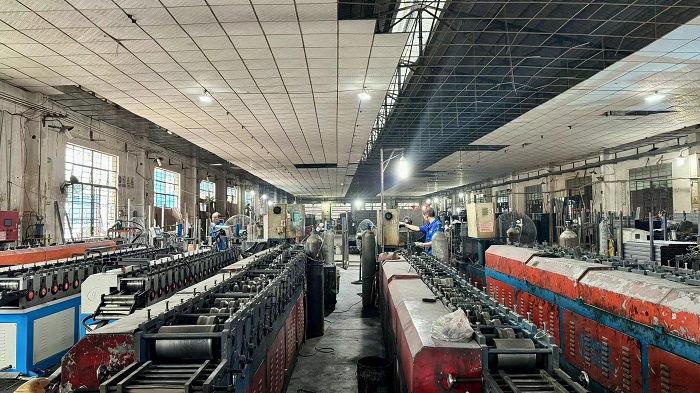
Established in 2016, Shenzhen Kimsuk is a specialized designer, manufacturer, and global exporter of high-grade warehouse storage installations. With an active production facility spanning 18,500㎡, the company manages custom engineering projects for distribution hubs and heavy industrial plants worldwide.
With an annual export revenue of approximately $12 million and over 14 years of design and manufacturing experience, Kimsuk maintains consistent quality through every stage of production. From raw steel selection to final surface treatment, our products are engineered to comply with global structural standards.
45 dedicated inspectors running thickness verification, loading tests, and welding inspections.
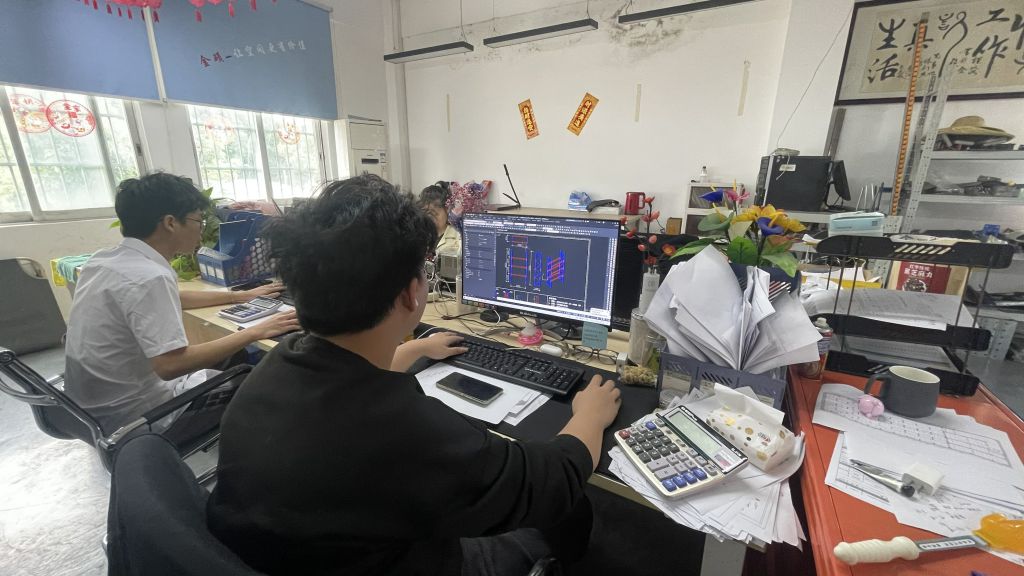
18 professional R&D engineers customizing dimensions, configurations, and seismic loading properties.
Strong partnerships with over 850 raw material and logistics providers ensure stable pricing and production timelines.
We perform systematic inspections using calibrated diagnostic tools to verify structural performance:
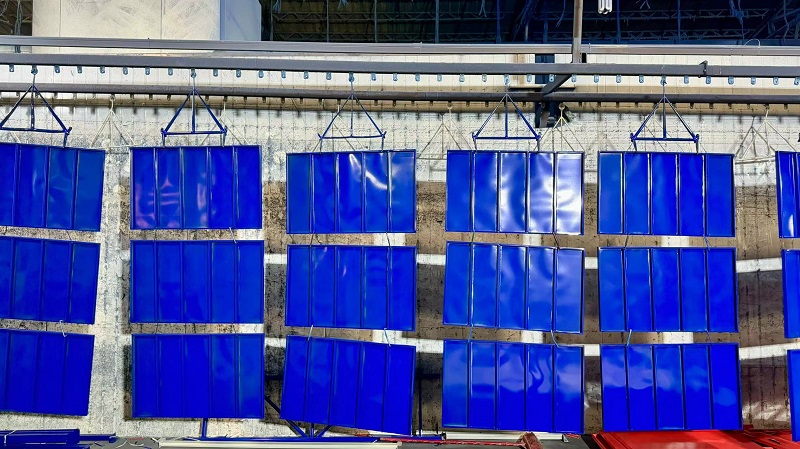
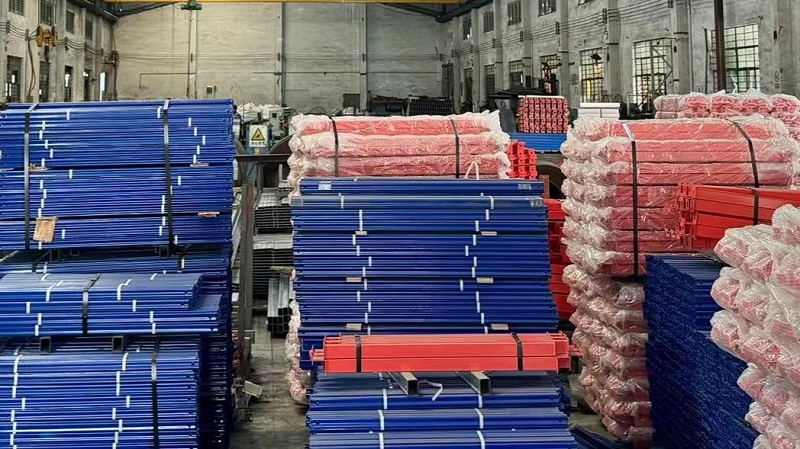
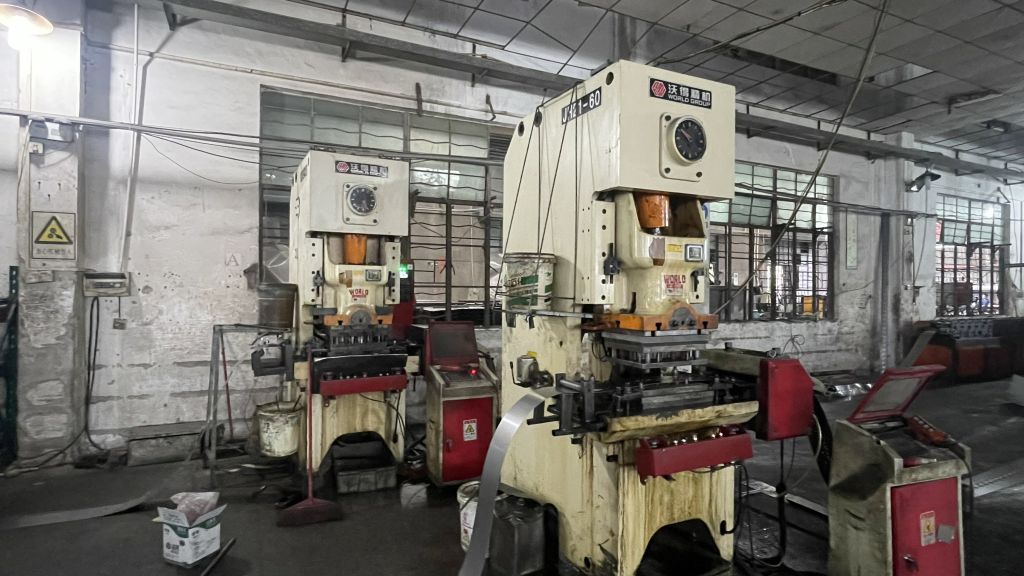
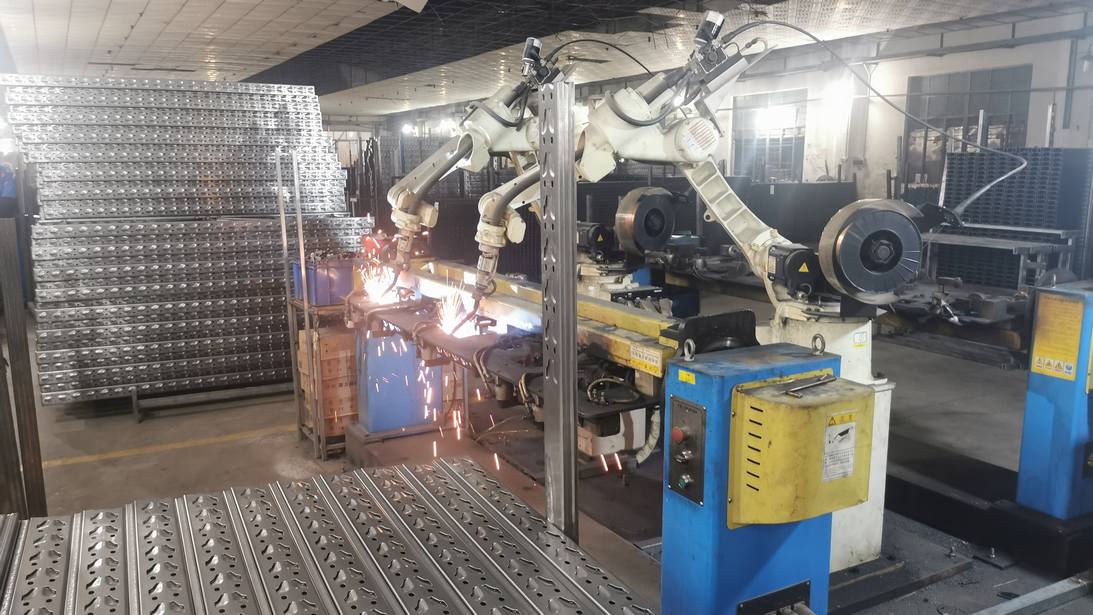
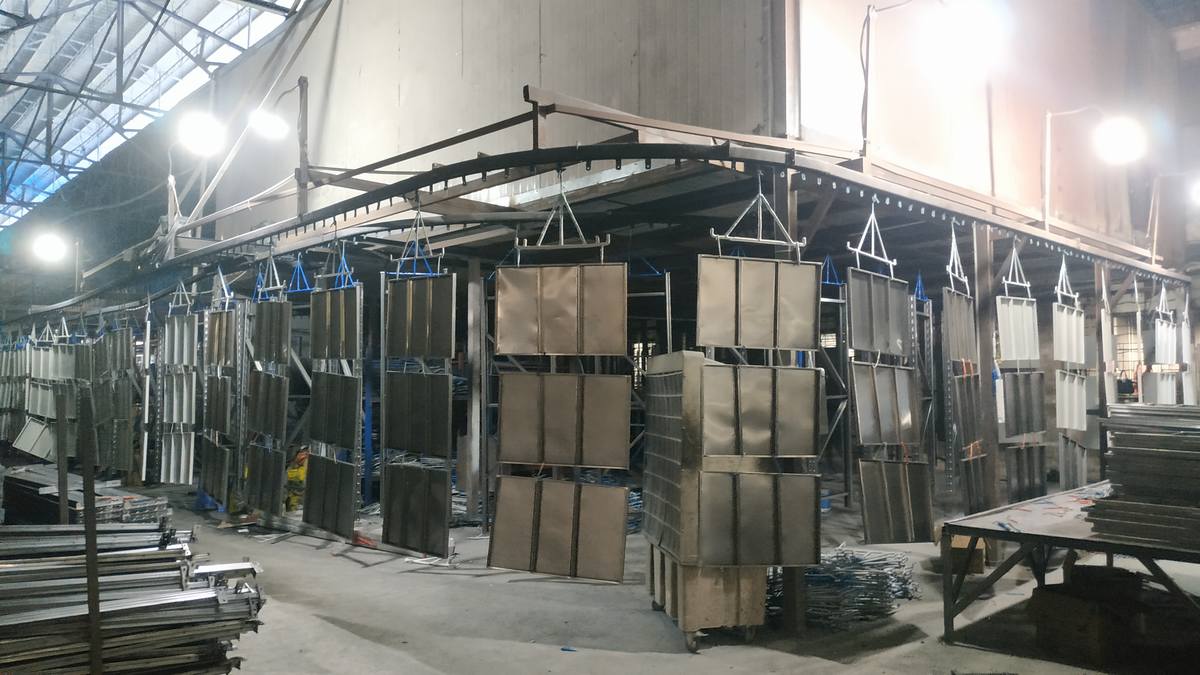
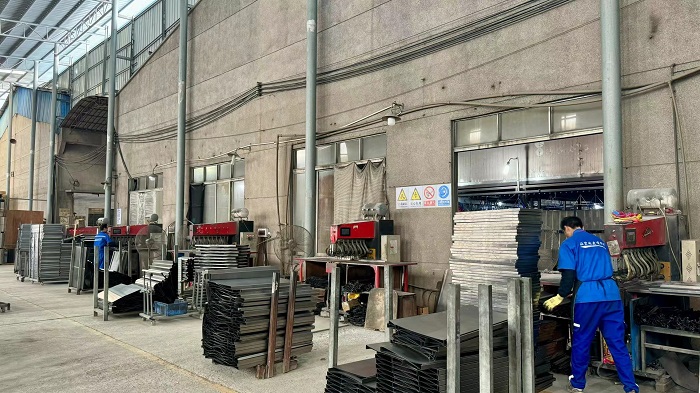
From raw steel profile rolling to automated surface finish application, our manufacturing processes ensure exact tolerances and structural consistency.
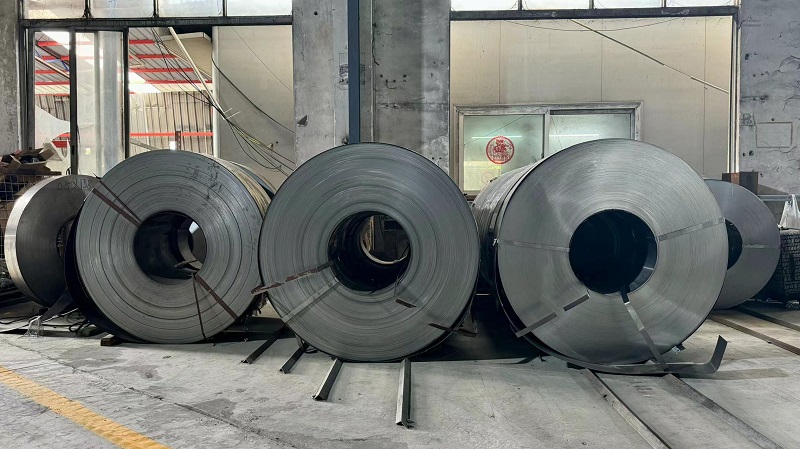
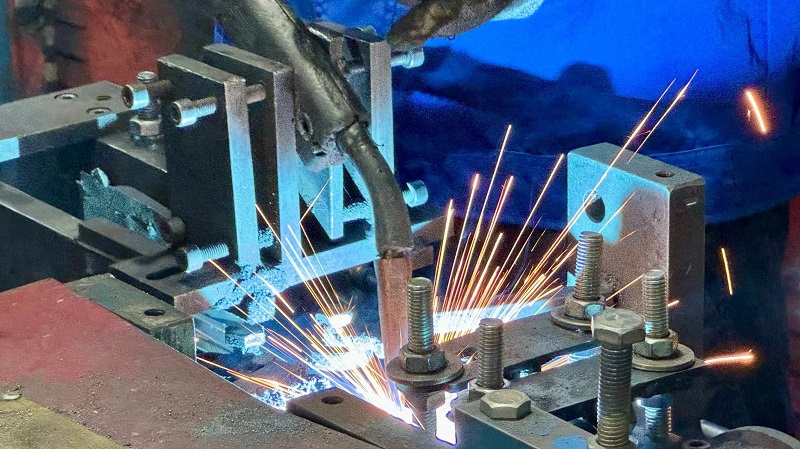
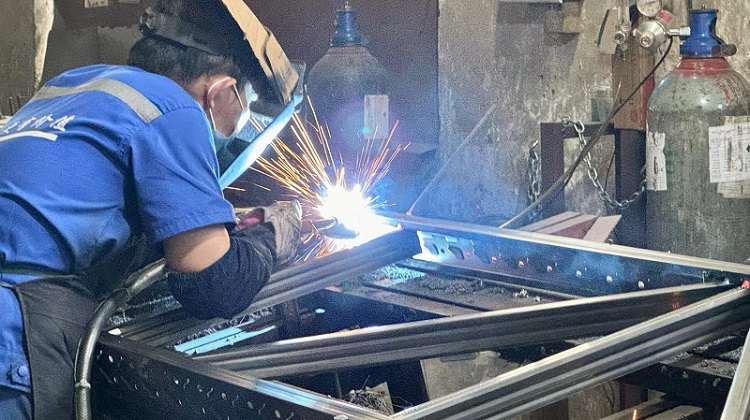
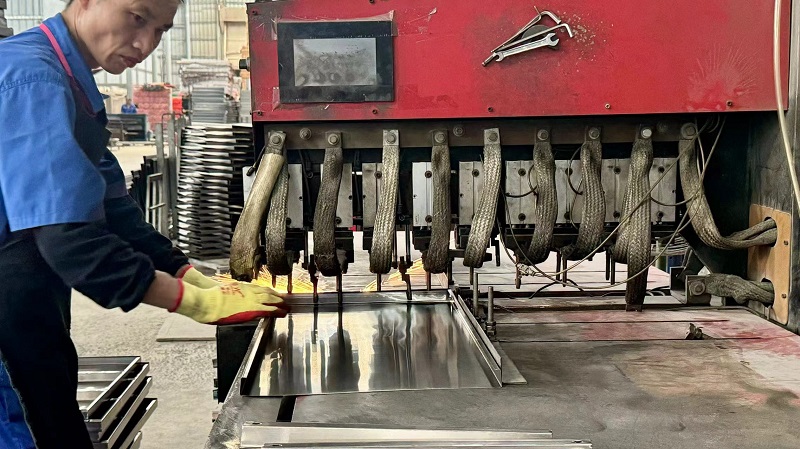
From cleanrooms to high-capacity industrial yards, FIFO systems can be customized to match specific operational and ambient conditions.
Maintains high storage density in temperature-controlled spaces where electricity and cooling costs are high. Maximized structural volume reduces overall thermal energy waste.
Ensures reliable batch and date control, preventing expired products. Our smooth-surface finishes meet strict sanitation requirements.
Delivers component containers directly to assembly points. Improves material flow in lean manufacturing environments without requiring manual handling.
Handles high throughput levels with minimal product damage. Provides dedicated, guided lanes for swift order consolidation and shipping prep.
Selecting the correct storage system depends on your product characteristics, warehouse configuration, and velocity profile.
The shift toward digital, automated logistics hubs has redefined the requirements for structural rack manufacturing.
Modern high-density warehouses increasingly use automated guided vehicles (AGVs) and autonomous mobile robots (AMRs). This transition requires exceptionally tight structural tolerances. Minor deviations in shelf alignment or track pitch can disrupt sensor-guided operations.
As a result, leading exporters use computer-controlled manufacturing, precise punching, and automated welding lines. Advanced laser measuring tools and coordinate measuring machines (CMM) help ensure every component matches the strict dimensional standards required for automated operations.
Corrosion resistance is crucial for facilities operating in high-humidity or sub-zero environments, such as cold food storage. Buyers look for eco-friendly electrostatic powder coatings that protect steel from oxidation without releasing volatile organic compounds (VOCs).
Additionally, structural designs are optimized using finite element analysis (FEA) to maximize load capacity while minimizing material weight. This approach helps reduce the total carbon footprint of manufacturing and shipping large-scale storage systems.
Answers to common structural design and procurement questions for industrial warehouse racking systems.
Heavy-duty systems typically use structural uprights rolled from steel coils with thicknesses ranging from 1.8mm to 3.0mm. The vertical pitch options—such as 50mm, 75mm, or 76.2mm—allow for flexible shelf adjustments while maintaining structural integrity under high loads.
Speed controllers use centrifugal brake rollers integrated along the lane. As a pallet slides down the incline, the internal brakes apply progressive resistance, preventing runaway pallets and keeping descent speeds consistent.
Global installations comply with key regional standards, including EN 15512 (Europe), AS 4084 (Australia), and RMI/ANSI MH16.1 (North America), ensuring proper safety factors, load ratings, and seismic performance.
First, the steel undergoes a multi-stage pre-treatment to remove scale and oils. Then, an electrostatic powder coating is applied and cured in a high-temperature oven, creating a durable barrier against moisture and physical wear.
Customers can customize vertical beam sizes, depth of frames, loading capacities per shelf levels (ranging from 100kg to 5000kg), seismic-resistant floor connections, base plate options, and corporate brand colors.
Standard custom configurations usually ship within 25 to 35 days from technical sign-off. High-volume custom projects may require staged shipping plans depending on the total steel volume and manufacturing schedule.
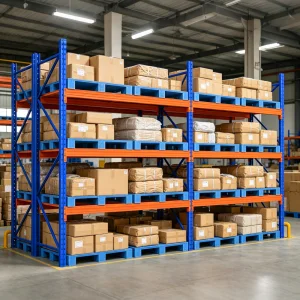
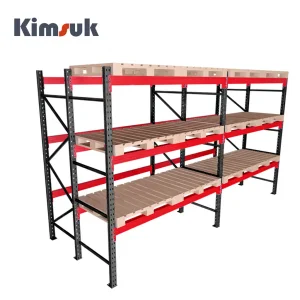
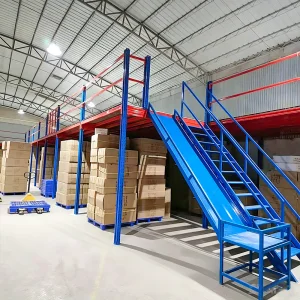
High-load steel systems designed for heavy warehouses, manufacturing facilities, and multi-tier mezzanine layouts.




 Kimsuk Storage