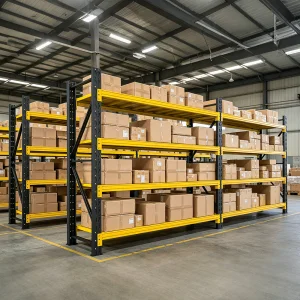
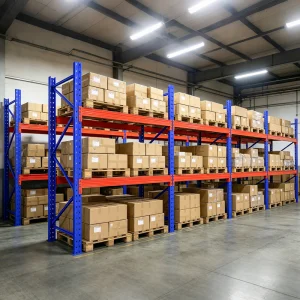
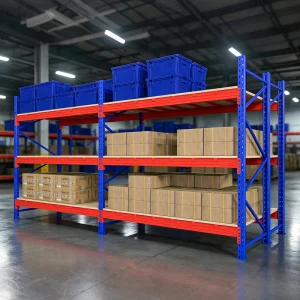
High-load industrial storage solutions designed for structural stability, regional seismic compliance, and optimized vertical space utilization.

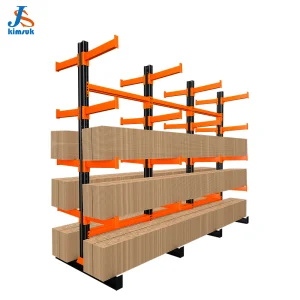


The global logistics, manufacturing, and distribution sectors are facing an unprecedented challenge: skyrocketing urban industrial real estate costs coupled with the rapid escalation of e-commerce SKU profiles. As horizontal space availability shrinks, utilizing the vertical cube through structurally sound utility platforms, multi-tier mezzanines, and high-density industrial racking systems has transitioned from an operational option to a baseline financial necessity.
Modern high-bay logistics facilities, automated distribution centers, and high-throughput production lines require engineering-grade storage configurations. Our heavy-duty systems are designed not simply to contain stock, but to interface directly with automated guided vehicles (AGVs), autonomous mobile robots (AMRs), and sophisticated warehouse management systems (WMS).
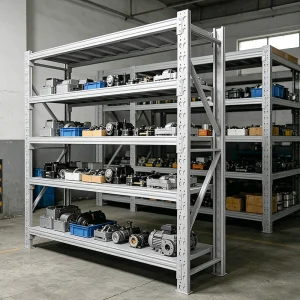
Every structural tier we manufacture incorporates certified Q235B and Q345B steel grades, offering exceptional yield strength and structural elasticity parameters. This engineering focus mitigates structural deflection under intense load configurations, maintaining absolute compliance with local industrial code criteria.
Transitioning from traditional flat storage profiles to custom-configured industrial utility platforms allows facilities to double or triple their usable square footage without modifying the building envelope, yielding a highly favorable return on investment.
Industrial utility platforms and mezzanine racking structures are not generic, one-size-fits-all installations. Operating environments diverge significantly depending on regional microclimates, operational load profiles, structural layouts, and safety parameters:
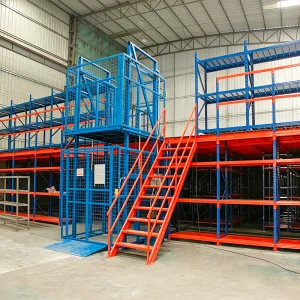
High-density sorting zones requiring multi-tier mezzanine floors to accommodate light-duty shelving networks, conveyor systems, and extensive walkways for manual picking teams. Focuses on safe dynamic floor loading and integrated handrail/stairwell configurations.
Extreme sub-zero zones require special structural consideration. Low temperatures alter the ductility of steel. We utilize specific low-temperature steel formulations and corrosion-resistant powder coatings to prevent structural embrittlement and surface degradation.
Integrating pallet racking with AS/RS cranes and vertical lifters. High-density structures demand tight tolerance limits on upright plumbness and beam deflection, ensuring zero mechanical interference for retrieval units.
The trajectory of industrial utility platforms points toward enhanced modularity, reduced material deadweight, and higher structural yield ratings. Our research team focuses on cold-formed steel engineering pathways, optimizing geometry configurations of upright columns (e.g., teardrop and hexagonal patterns) to improve torsional stiffness. Every design phase utilizes advanced FEA (Finite Element Analysis) simulation to confirm stress patterns, load-bearing margins, and seismic resilience characteristics before actual manufacturing begins.
Operating from Shenzhen, the technological manufacturing capital of China, Shenzhen Kimsuk Storage Equipment Manufacturing Co., Ltd. coordinates a robust raw material supply and logistics network. Backed by over 14 years of design and manufacturing experience, our 18,500㎡ facility optimizes cost and production performance.
Advanced testing using laser dimensional tools, ultrasonic welding detectors, dynamic load-bearing test rigs, and coating thickness gauges.
Strategic partnerships with over 850 raw material and component suppliers ensure pricing stability and raw steel material availability.
Integrated processing lines, including automated punching machinery, multi-stage stamping, precision welding lines, and powder coating systems.
We implement strict quality control procedures throughout the production process. Our quality inspection system includes raw material inspection, welding quality checks, surface treatment inspection, dimensional accuracy testing, load-bearing tests, and final product performance evaluation. Each product undergoes professional inspection using equipment such as laser measurement tools, load testing machines, coating thickness gauges, and precision measuring instruments.
Our quality control team consists of 45 experienced inspectors who ensure every shipment meets international standards and customer requirements. We have established a professional manufacturing and trading system supported by advanced production equipment, experienced engineers, and reliable supply chain management.
From grade-A raw steel coils to the final modular product package, every stage of our production line is carefully verified for consistency and durability.
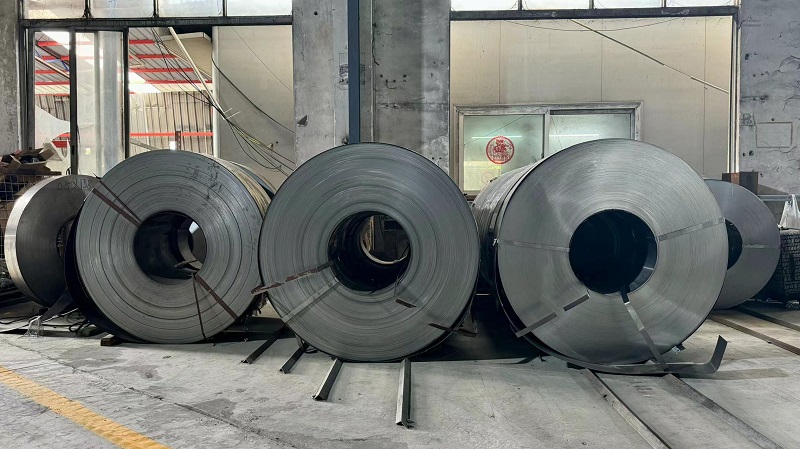
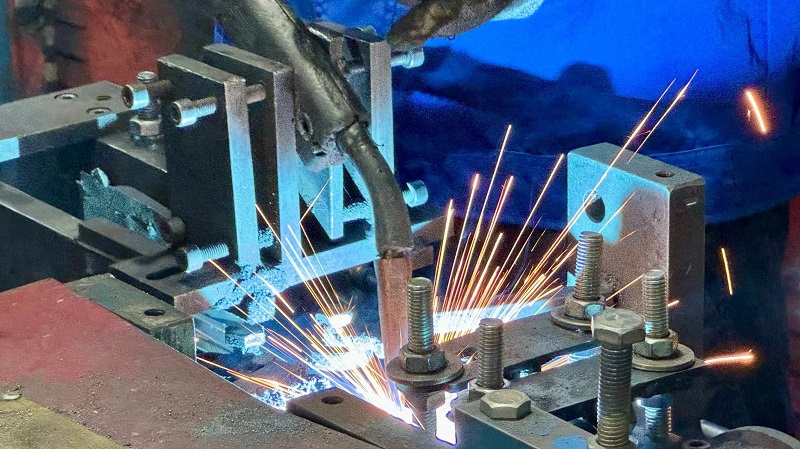
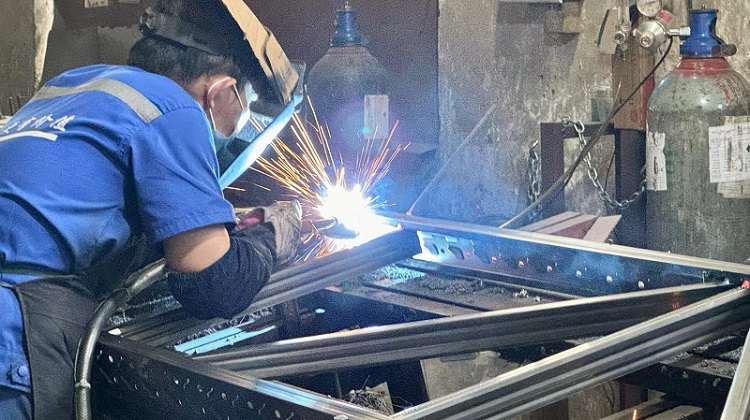
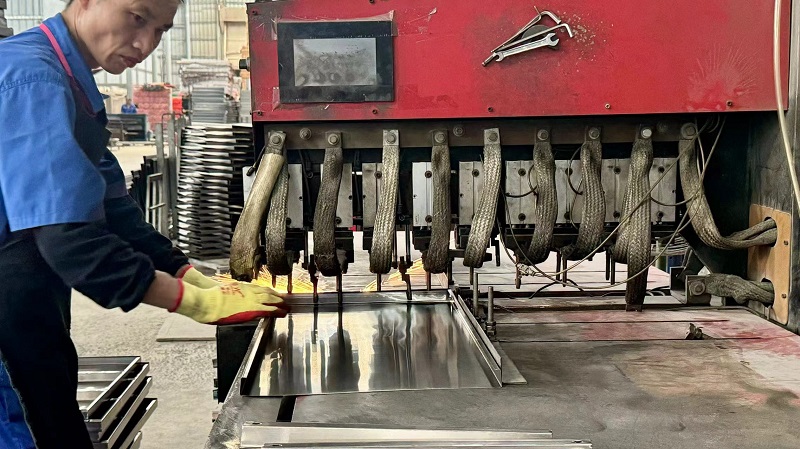
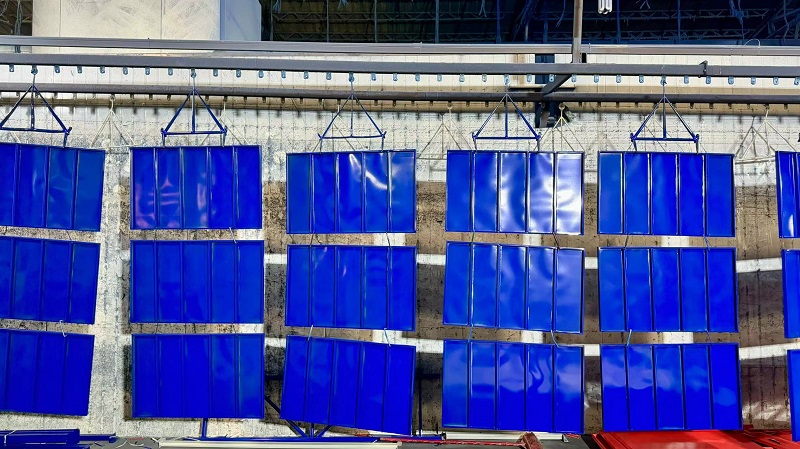
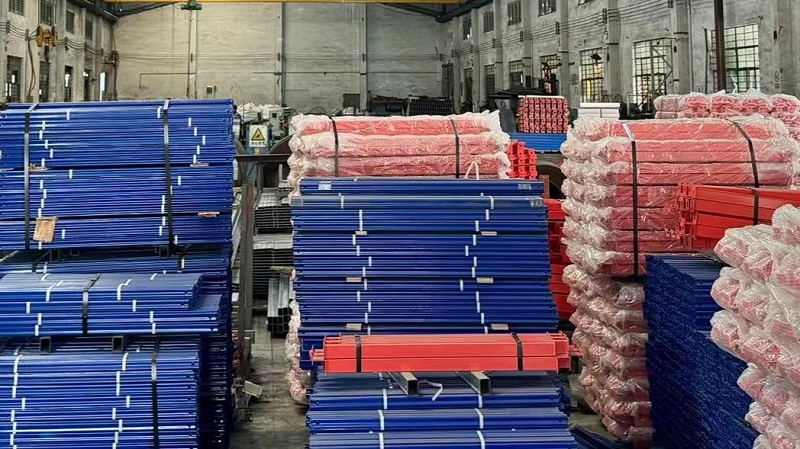
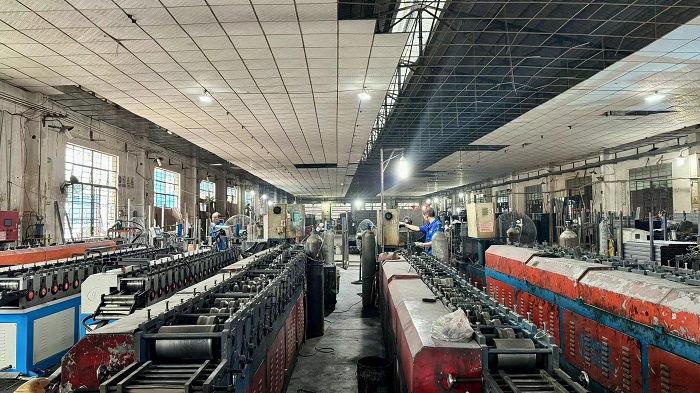
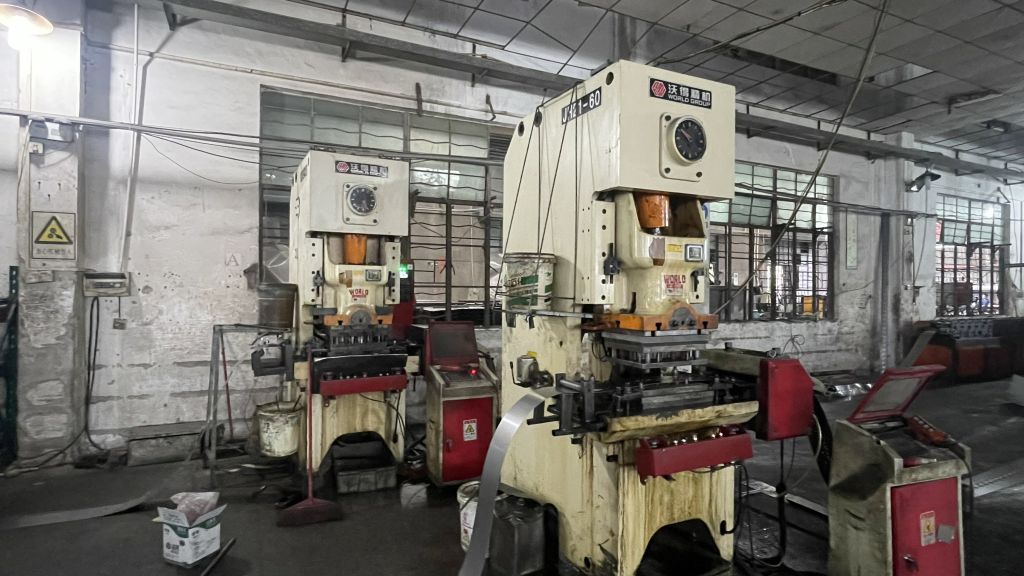
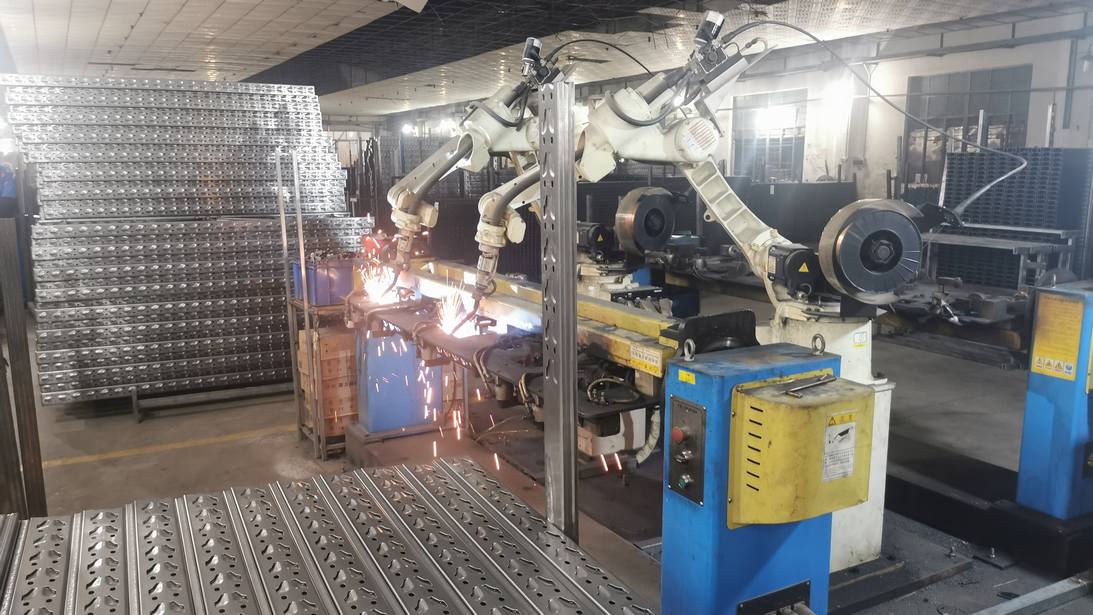
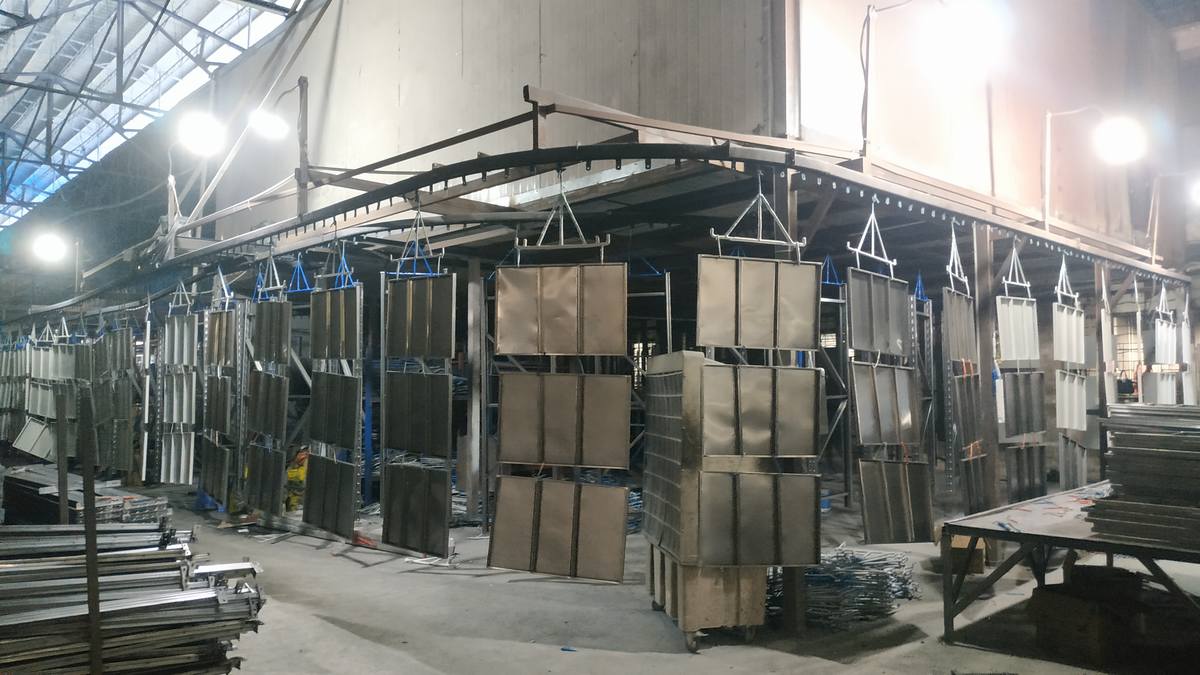
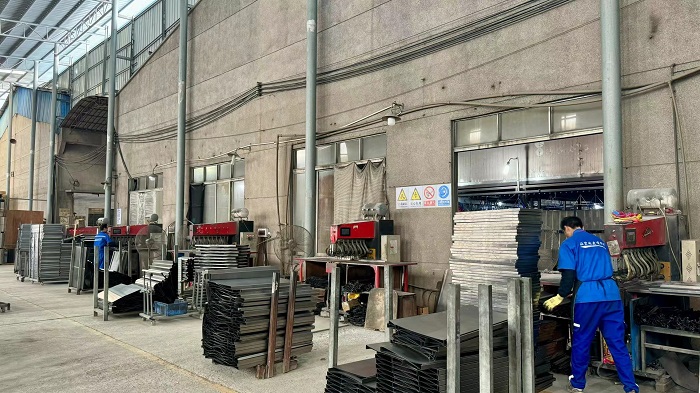
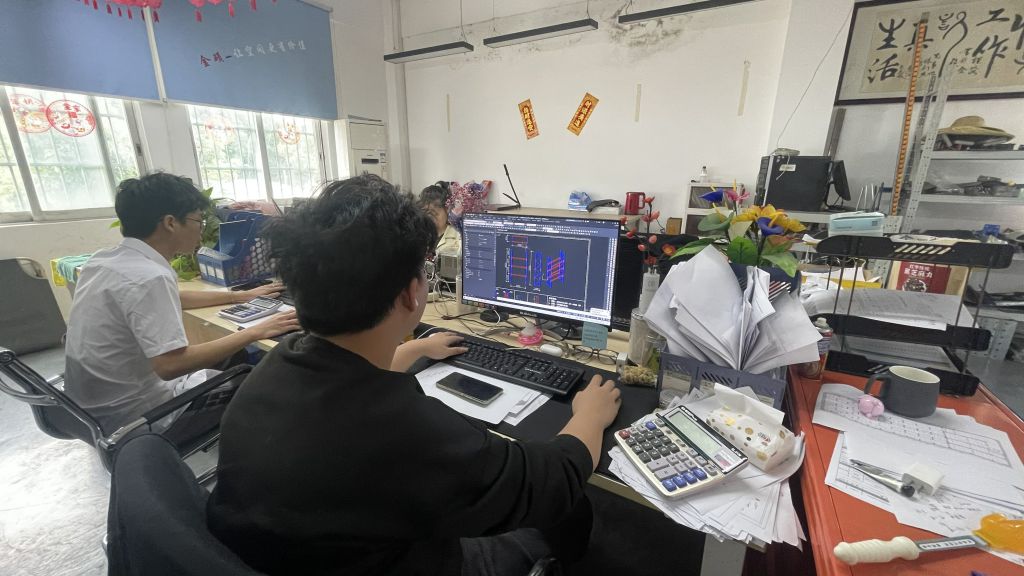
To ensure reliable deployment in international markets including North America, Europe, Australia, and the Middle East, our design configurations align with leading global standards, including the Rack Manufacturers Institute (RMI) standards, FEM 10.2.02 codes, and the Australian AS4084 standard.
Our research and development team, consisting of 18 design engineers, translates client space challenges into optimal physical storage layouts. In the past year alone, we introduced more than 120 structural updates and design improvements. We customize dimensions, load profiles, painting styles, and modular frame elements to fit your warehousing needs.
Technical guidance regarding load values, configuration options, and installation parameters for heavy-duty industrial platforms and storage racking.
Explore our secondary collection of high-capacity storage racks, adjustable shelving units, and anti-corrosion mezzanine systems.


 Kimsuk Storage