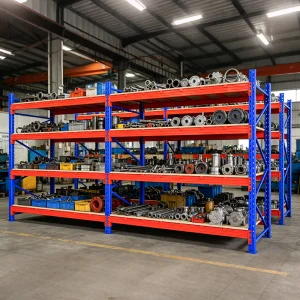
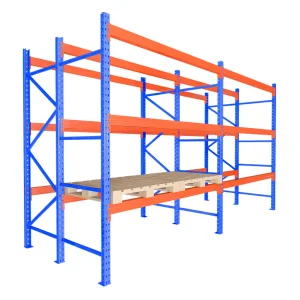
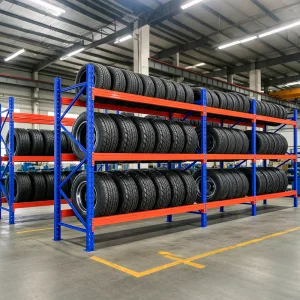
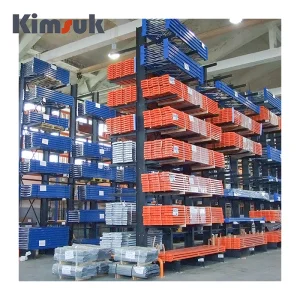
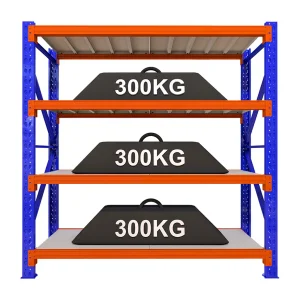
Engineered for high load capacities, rapid throughput, and seamless storage operations.


In modern warehouse management, floor space optimization and stock rotation are the ultimate determinants of operational efficiency. Carton Flow Storage Systems—often recognized as gravity flow or dynamic flow racking—represent a key structural shift from static shelving systems to dynamic, gravity-assisted operations. Engineered with slightly inclined roller tracks, these systems utilize gravity to automatically move boxes, cartons, or split-case items from the replenishment (loading) side to the picking side.
This systematic design establishes a continuous, hard-wired First-In, First-Out (FIFO) stock management sequence. It is highly beneficial for industries dealing with perishable goods, high-velocity SKU portfolios, and fast-moving consumer goods (FMCG). By segregating the replenishment operations from the picking face, carton flow racks minimize worker movement, eliminate forklift interference within picking aisles, and reduce overall labor times by up to 40% compared to traditional static systems.
The global logistics sector is transitioning toward fast, micro-fulfillment operations. This transition drives several technological upgrades in carton flow system manufacturing:
Manufacturers are replacing standard plastic wheels with carbon-steeled dynamic ball-bearing rollers to reduce the rolling friction coefficient below 0.05, facilitating smoother carton transitions.
Dynamic shelf beds are now engineered to drop into standard pallet racking systems without requiring specialized bolting tools, permitting rapid layout adjustments.
Modern flow tracks are designed to integrate Pick-To-Light (PTL) brackets, barcode scanners, and automated sorting conveyor interfaces to optimize item verification.
Enterprise procurement departments must balance technical specifications, safety compliance, and cost efficiency. When sourcing industrial-grade carton flow solutions, global supply chain directors focus on the structural integrity of the racking steel and load capacity margins. Standard configurations require rack structures to handle structural weights ranging from 100kg to over 1000kg per shelf level, demanding strict control over material deflection limits.
Furthermore, dynamic storage systems require robust surface treatments to withstand environmental variations, especially in refrigerated warehouses and food-grade cleanrooms. Epoxy powder coatings or hot-dip galvanized steel finishes are critical to prevent corrosion from humidity and cold-chain temperature cycling. In high-density settings, integrating structural safety accessories—such as impact-resistant load-entry beams, run-out controllers, and guide rails—protects operators and maintains uninterrupted material flow.
Established in 2016, Shenzhen Kimsuk Storage Equipment Manufacturing Co., Ltd. serves as a reliable supplier in the high-density warehouse storage systems market. Backed by 14 years of design and structural steel manufacturing experience, Kimsuk offers comprehensive engineering and fabrication services. Operating an 18,500㎡ production facility, Kimsuk supports supply chains in North America, Europe, Australia, and Southeast Asia.
A key aspect of Kimsuk's technical capability is its rigorous, full-stage Quality Assurance program. Under the supervision of 45 quality inspectors, raw materials are tested for structural strength before entering production. Leveraging laser measurements, high-load test rigs, and precision gauge tools, Kimsuk ensures all flow beds, dynamic rails, and pallet storage racks comply with rigorous international safety and load-bearing requirements.
Every stage of production is verified through strict quality assurance protocols to guarantee load safety.
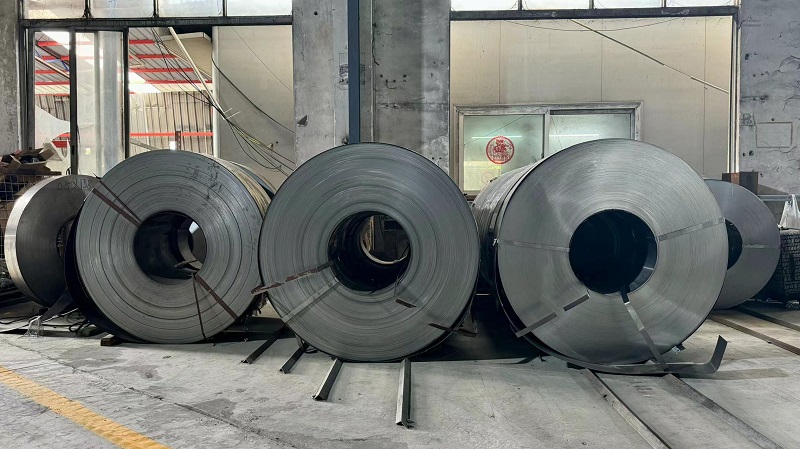
Verified Steel Grades
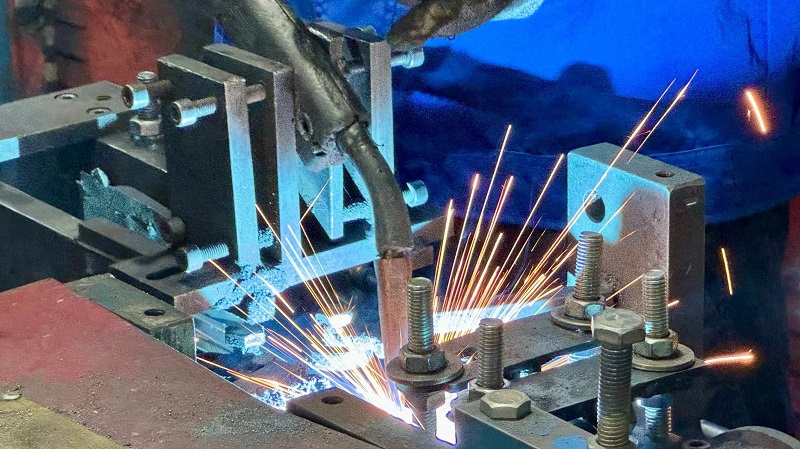
Precision Profiling
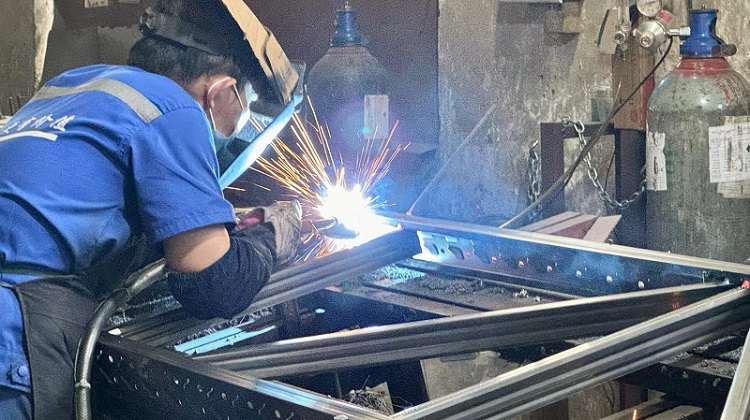
Gas Metal Arc Welding
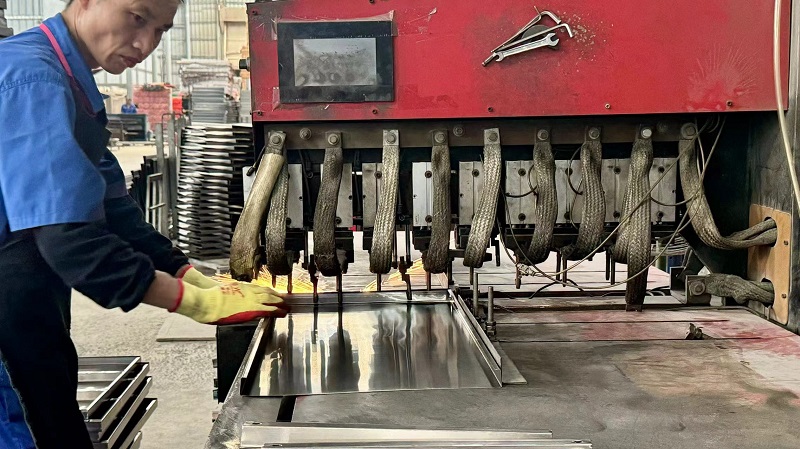
CNC Punch Machinery
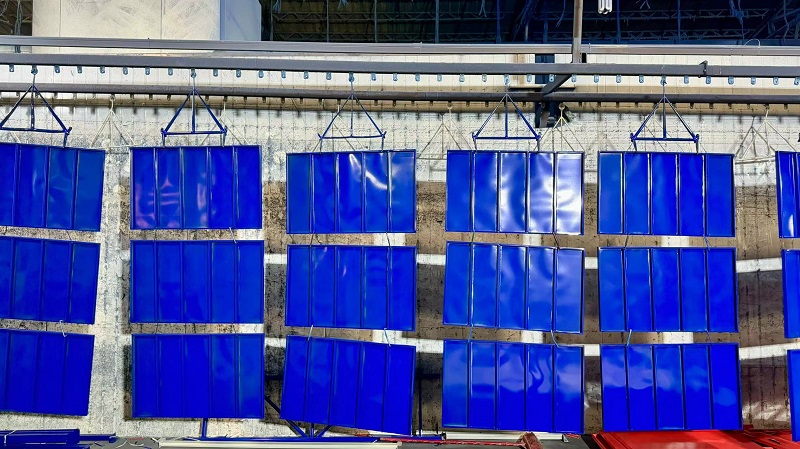
Electrostatic Coating
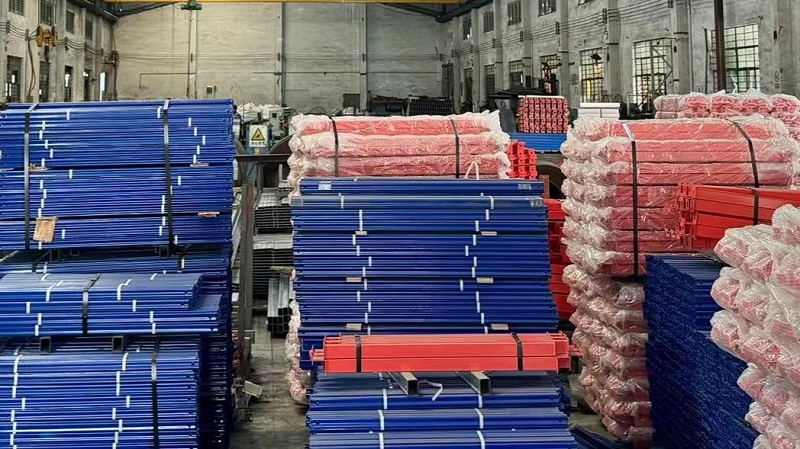
Export Protective Wrap
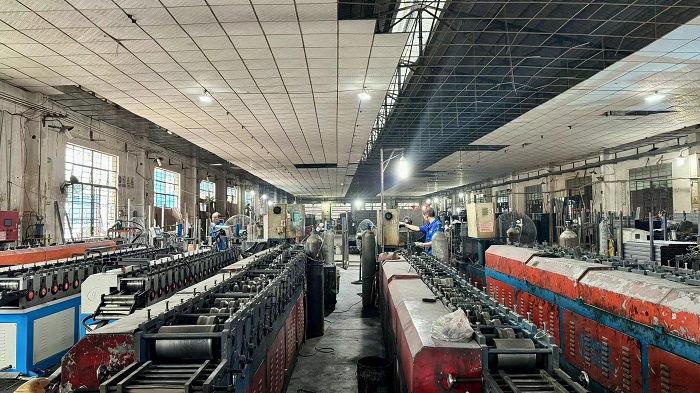
Heavy Metal Forming
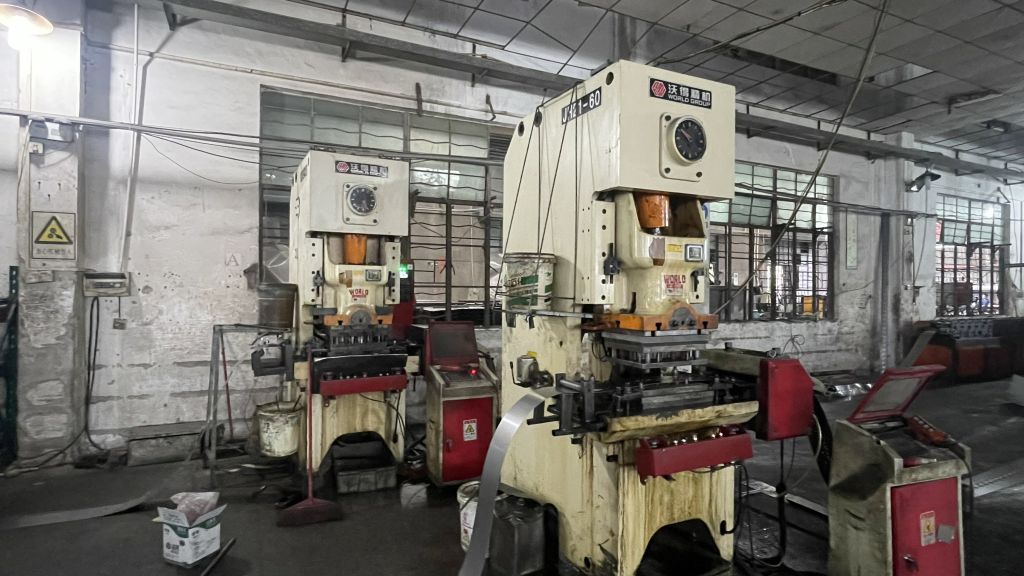
Accurate Punch Holes
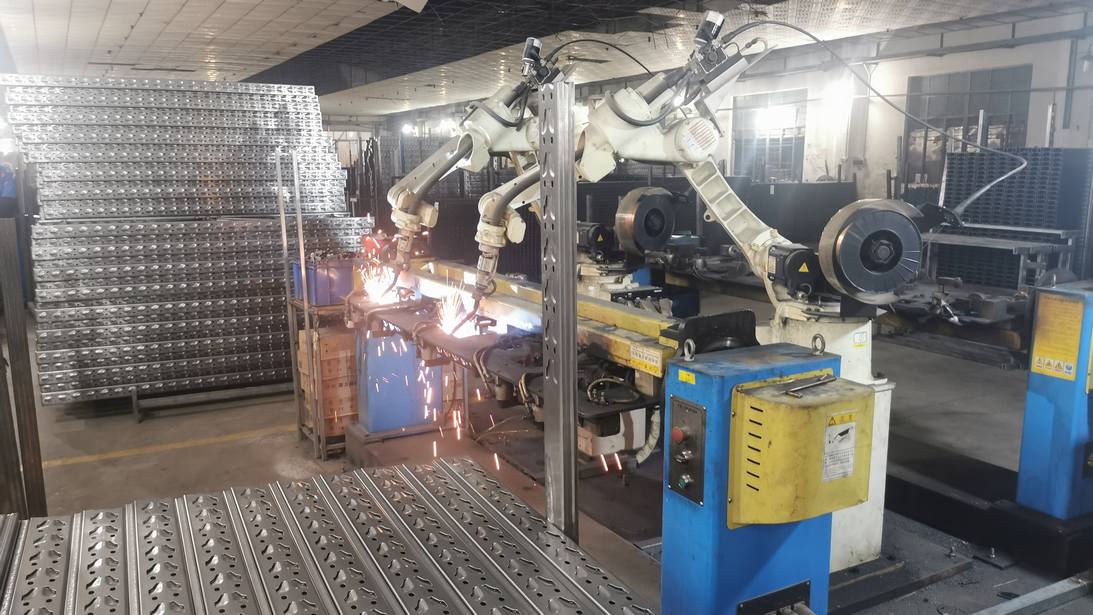
Structural Fusion
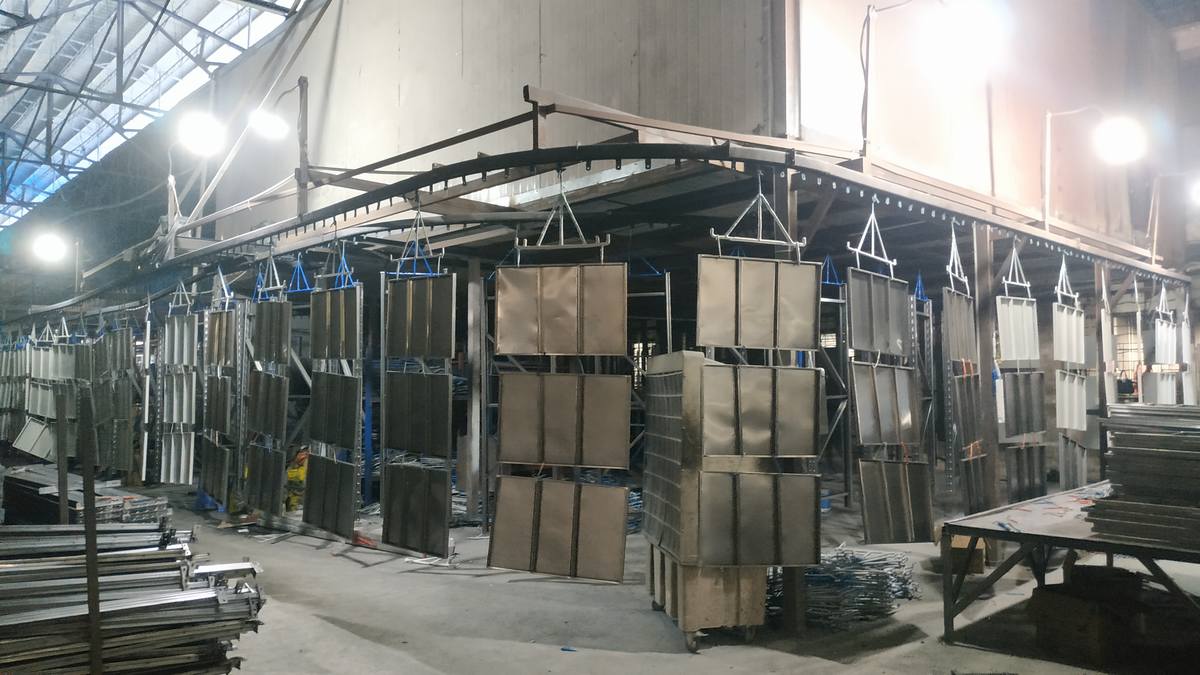
Anti-Corrosion Finish
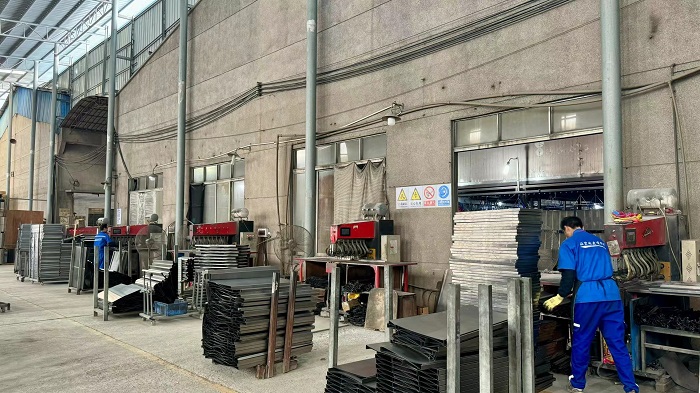
Clean Hole Arrays
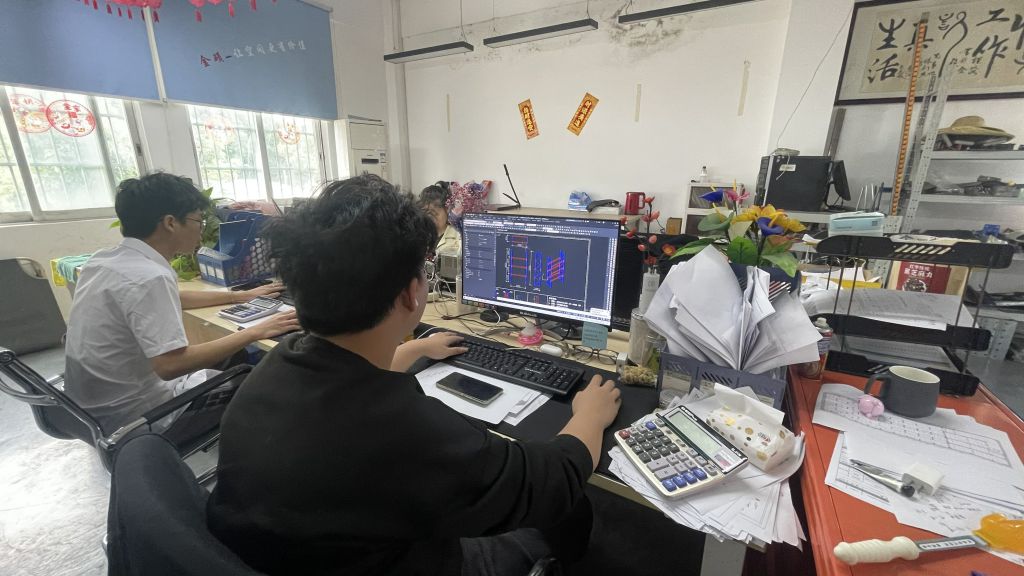
CAD Layout Planning
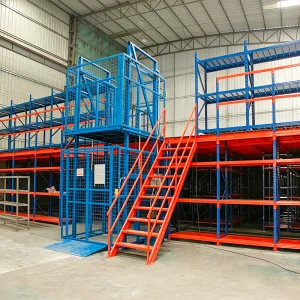
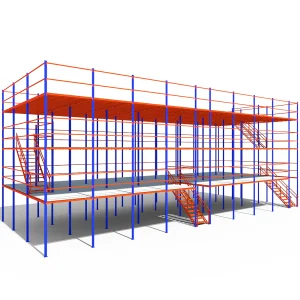
As smart warehousing moves toward automated pick-and-pack solutions, carton flow storage systems serve as a bridge between high-density bulk storage and rapid manual or robotic picking zones. Modern configurations place carton flow racks at the lower tiers of multi-level mezzanine structures or integration platforms, with bulk pallet storage racks occupying upper zones to maximize space utilization.
In highly automated environments, gravity flow racks integrate directly with roller conveyor loops and Autonomous Mobile Robots (AMRs). Replenishers stock the gravity flow beds from the rear forklift aisle. As items flow forward to the pick face, pickers, AGVs, or robotic picking arms retrieve the boxes and transfer them to conveyor belts. This minimizes travel times, isolates work areas, and reduces warehouse traffic density.
The development roadmap for dynamic storage focuses on real-time data tracking and custom engineering. Shenzhen Kimsuk Storage Equipment's R&D department, comprising 18 professional engineers, actively optimizes rack systems to address changing industrial environments. Our current technology roadmap prioritizes several key areas:
Designing dynamic, spring-loaded lane separators and impact-absorbing entry guides to protect flow tracks from wear and damage during high-frequency loading operations.
Developing tool-less, adjust-on-the-fly roller designs to accommodate variable carton shapes, heavy plastic bins, and soft-bottomed containers without system stalling.
Embedding low-energy velocity and weight sensors within flow roller shafts to alert warehouse operators of structural jams or out-of-stock items in real time.
Enterprise racking procurement projects require adherence to localized structural safety codes. Shenzhen Kimsuk Storage Equipment designs systems in compliance with international racking standards, including the Rack Manufacturers Institute (RMI) standards, FEM 10.2.02 guidelines, and standard European CE certifications. This ensures structural calculations for seismic zone compliance and load capacities meet regulatory standards in North America and Western Europe.
To assist global buyers, Kimsuk provides detailed layout planning and structural validation support. Project management assistance includes: 1. CAD Design & Layout Support: Tailored rack and flow track layouts optimized for product sizes and building configurations. 2. Structural Deflection Calculations: Load-bearing calculations showing safety performance under peak capacities. 3. Installation Guidelines: Component numbering and connection diagrams for local installation crews.
Heavy-duty systems built to optimize storage capacity and streamline operations.


 Kimsuk Storage