Top Trusted Cold Storage Racks Supplier & Exporter

High-Density Engineering Solutions, Low-Temperature Metallurgy, and Structural Compliance for Global Cold Chain Warehouses

The Engineering Challenges of Cold Storage Storage Solutions

Why sub-zero warehouse design demands strict metallurgical selections, specialized powder coatings, and precise structural calculations.

In the global supply chain, cold storage logistics represent one of the most capital-intensive and operationally challenging environments. Temperatures ranging from 0°C to -30°C (and even down to -60°C for blast freezers) place immense physical stress not only on refrigeration equipment but also on the structural steel racking systems. At these extreme temperatures, carbon steel undergoes a transition from ductile to brittle behavior, dramatically increasing the risk of structural failure under load.

Low-Temperature Metallurgy

We source certified high-tensile carbon steel (such as Q355D and Q235) that complies with strict impact energy standards (CVN impact test values checked down to -40°C) to prevent brittle failure under heavy dynamic pallet loads.

Corrosion Prevention

Condensation during defrost cycles accelerates oxidation. Our systems are protected with hot-dip galvanized (HDG) coating or specialized antimicrobial, low-temperature resistant powder coatings with thicknesses exceeding 80 microns.

Seismic Design Integrity

Racking structures must withstand static and dynamic forces as well as seismic events. Our engineering calculations comply with RMI (ANSI MH16.1), FEM 10.2.02, and AS4084 standards to ensure maximum safety profiles.

Shenzhen Kimsuk Storage Equipment Manufacturing Co., Ltd.

An Industry Leader in Industrial Racking and Heavy-Duty Storage Innovations Since 2016

Established in 2016, Shenzhen Kimsuk Storage Equipment Manufacturing Co., Ltd. specializes in the design, manufacturing, and global supply of high-quality warehouse storage equipment. With an expansive state-of-the-art factory area of 18,500㎡, we provide professional storage solutions for warehouses, cold storage facilities, factories, logistics centers, and complex industrial applications worldwide.

With an annual export revenue of approximately $12 million and 8 years of dedicated export experience, Kimsuk has accumulated more than 14 years of total industry experience in warehouse racking and storage equipment manufacturing. We implement strict quality control procedures throughout the production process to guarantee that our products meet the high performance, safety, and reliability requirements of our customers.

Our quality inspection system includes raw material inspection, welding quality checks, surface treatment inspection, dimensional accuracy testing, load-bearing tests, and final product performance evaluation. Each product undergoes professional inspection using equipment such as laser measurement tools, load testing machines, coating thickness gauges, and precision measuring instruments to verify that every component conforms to the highest standards.

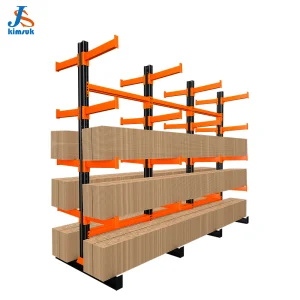
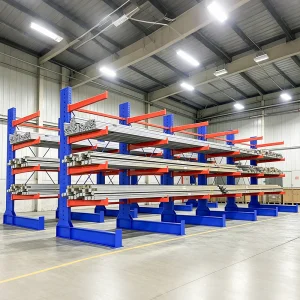
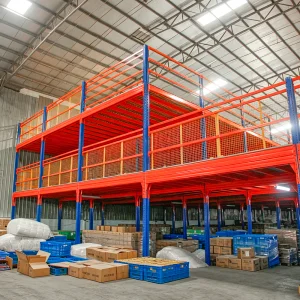
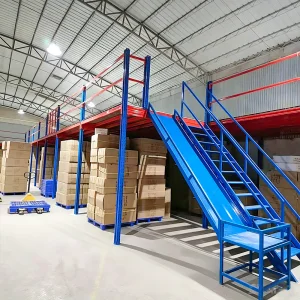
Supported by 18 R&D engineers and 45 experienced inspectors, we supply tailored cold storage designs, pallet racks, cantilever systems, and multi-tier mezzanine floors to markets in North America, Europe, Southeast Asia, the Middle East, Australia, and South America.

18,500㎡
Factory Area
$12M+
Annual Export Revenue
14+ Yrs
Industry Experience
45
QC Inspectors

Localized Support & Global Regulatory Compliance

Ensuring your cold storage racking complies with local building codes, structural mandates, and safety regulations.

Designing and exporting cold storage systems requires deep familiarity with localized building regulations. Every region presents specific challenges, such as the seismic design parameters in North America (RMI standards) or the rigorous safety and execution classes in Europe (EN 1993 Eurocode 3 standards). Failing to meet these local codes can lead to permit delays, insurance cancellations, or catastrophic structural failure.
Stage 1: Technical Alignment and Code Compliance
We analyze local geological and seismic risk profiles. Our engineering team utilizes advanced finite element analysis (FEA) software to simulate maximum load capacity under seismic loads, ensuring alignment with RMI, FEM 10.2.02, and AS4084 regulations.
Stage 2: Material and Corrosion Protection Customization
Depending on humidity levels and clean-room requirements (e.g., in pharmaceutical or food grade facilities), we apply specialized hot-dip galvanized coatings or electrostatic powder finishes that resist flaking, cracking, and moisture intrusion.
Stage 3: Comprehensive Pre-shipment Load Verification
Each batch undergoes static load capacity testing at our facility. Our 45 QC inspectors monitor everything from raw material metallurgical certifications (mill sheets) to precision welding tolerances, providing full quality trace records.
Stage 4: Localized Installation Support & Certification Assistance
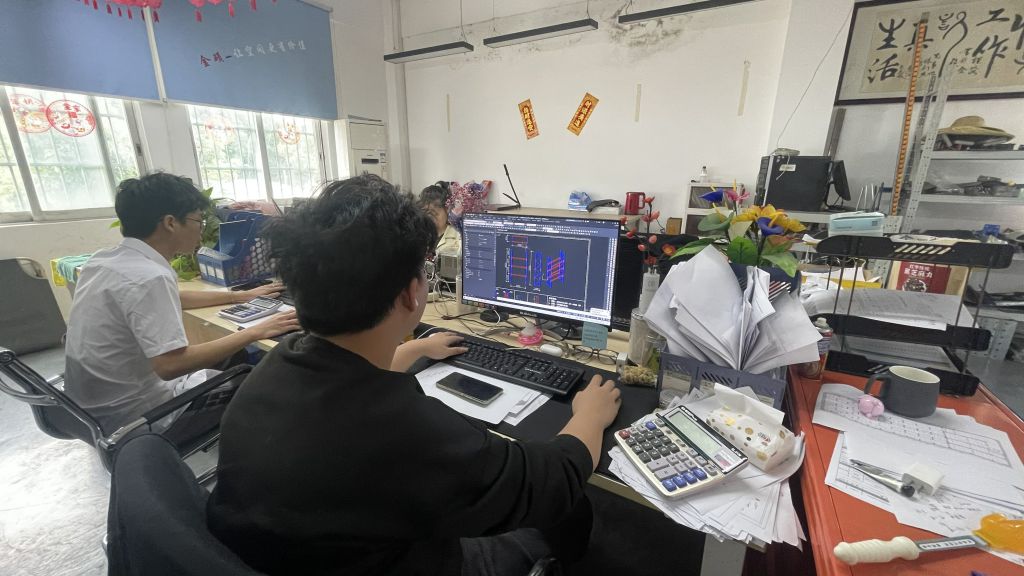
We provide comprehensive structural CAD layouts, 3D BIM assembly drawings, and step-by-step video installation guides. If required, we collaborate with localized structural engineers to secure local municipal sign-offs and safety certificates.

The Kimsuk China Factory Supply Chain Advantage

Leveraging domestic raw material pricing, automated manufacturing, and deep logistics integration for unbeatable cost efficiency.

Tier-1 Steel Partnership

We work directly with major domestic steel manufacturers like BaoSteel and AnSteel. This ensures stable raw material supplies, certified chemical compositions, and competitive base material pricing even during market fluctuations.

Fully Automated Manufacturing

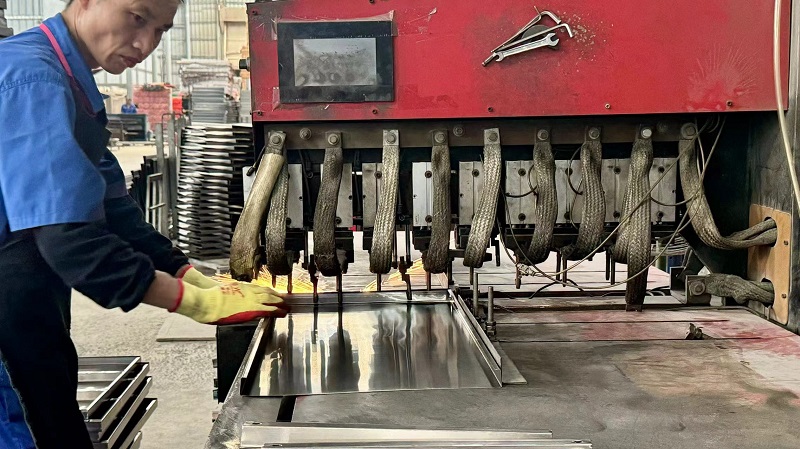
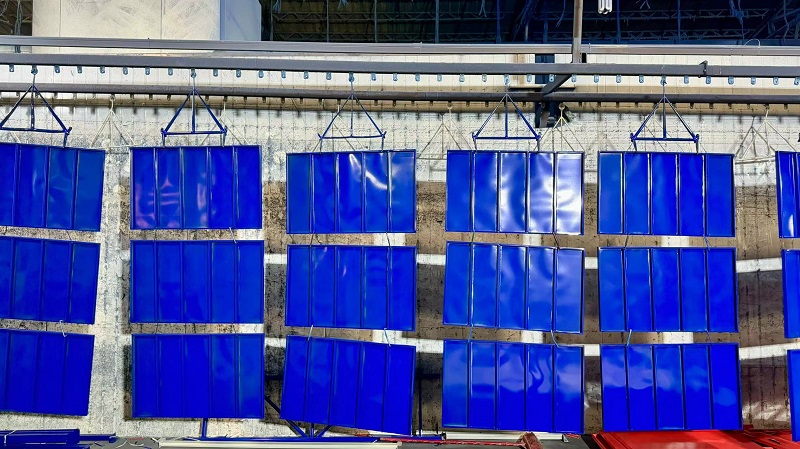
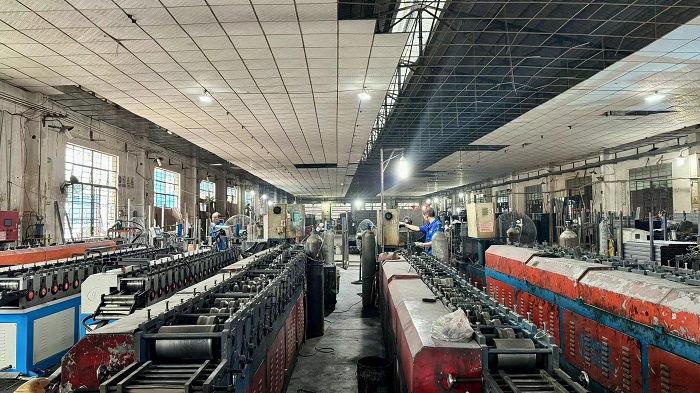
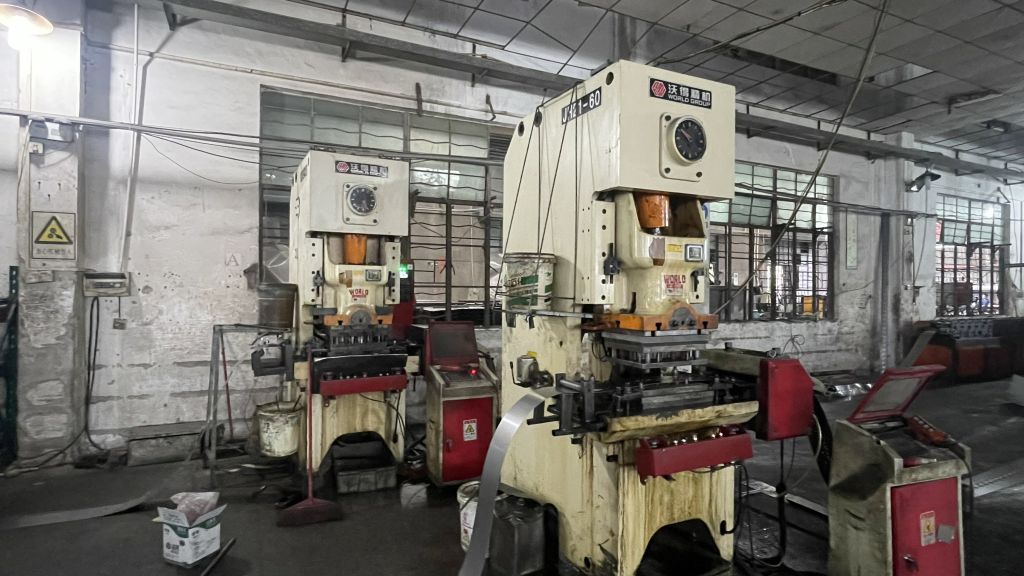
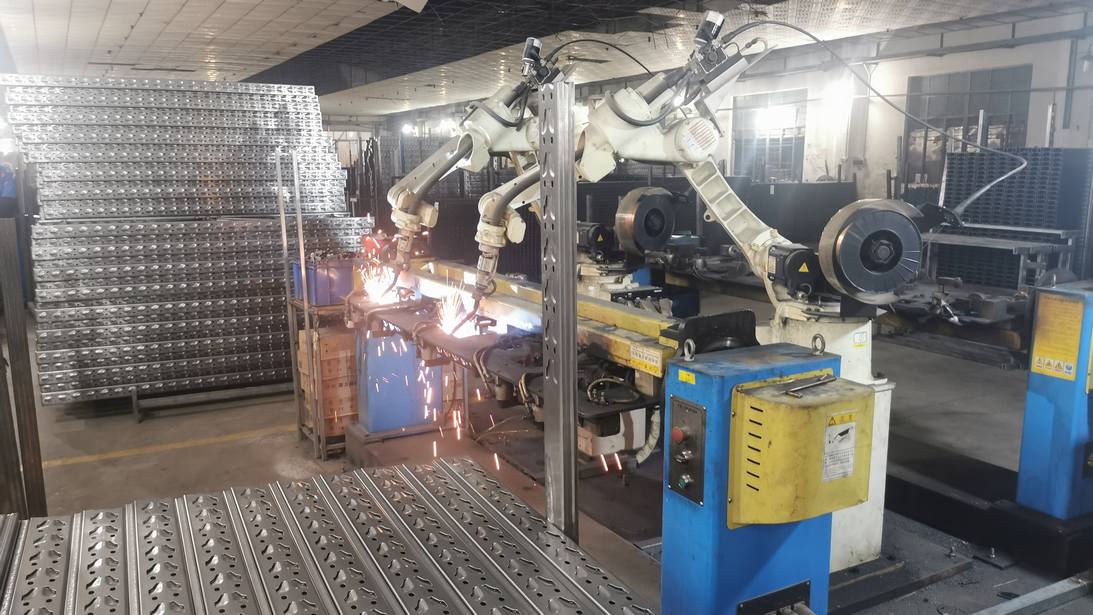
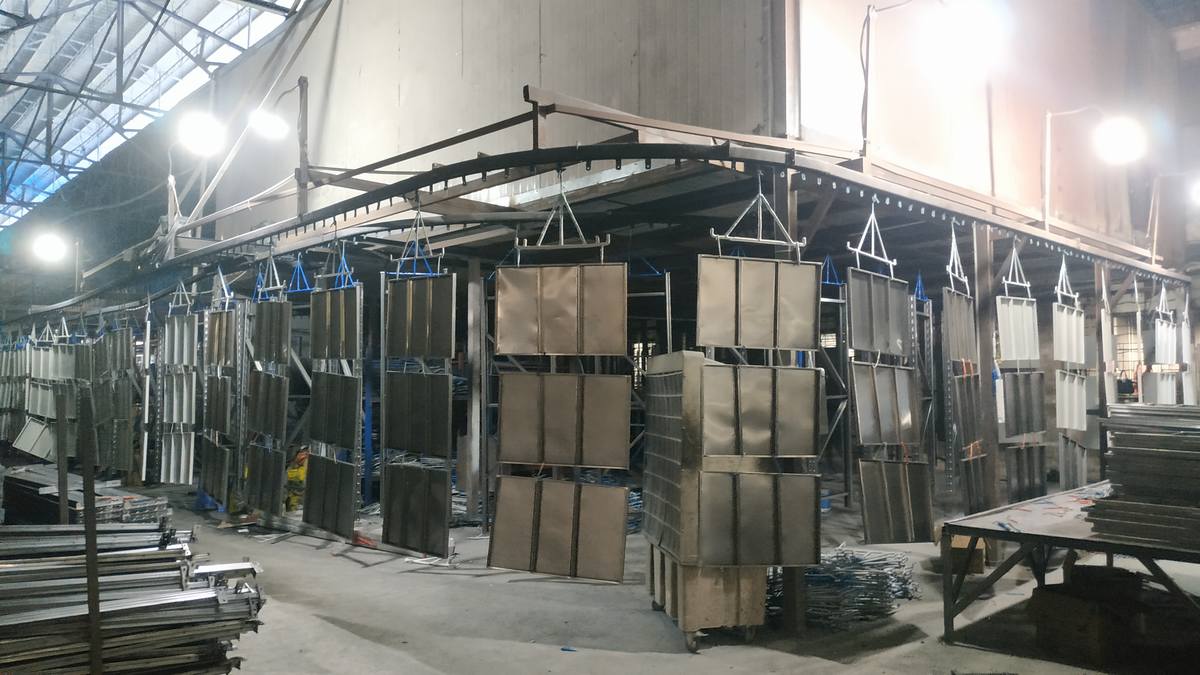
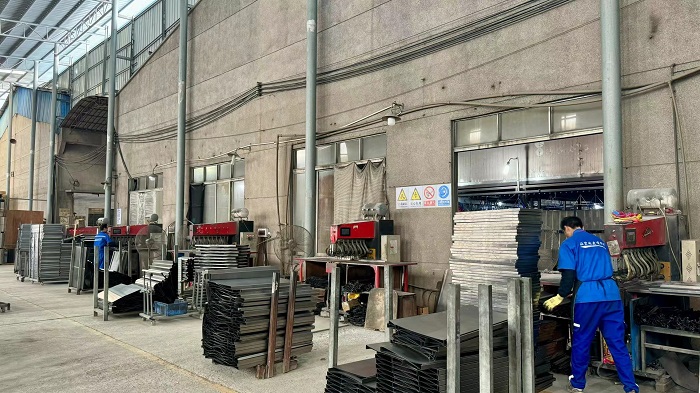
Our 18,500㎡ facility features high-precision CNC punch presses, automated roll-forming production lines, robotic welding stations, and an advanced automated powder coating line to minimize human error and speed up cycles.

Export Logistics Integration

Located in Shenzhen, adjacent to major international container shipping hubs, we offer convenient shipping options, competitive freight rates, and efficient logistics coordinates to destinations globally.

State-of-the-Art Production & Quality Verification

Explore our step-by-step manufacturing and precision testing stages that ensure unmatched product reliability.
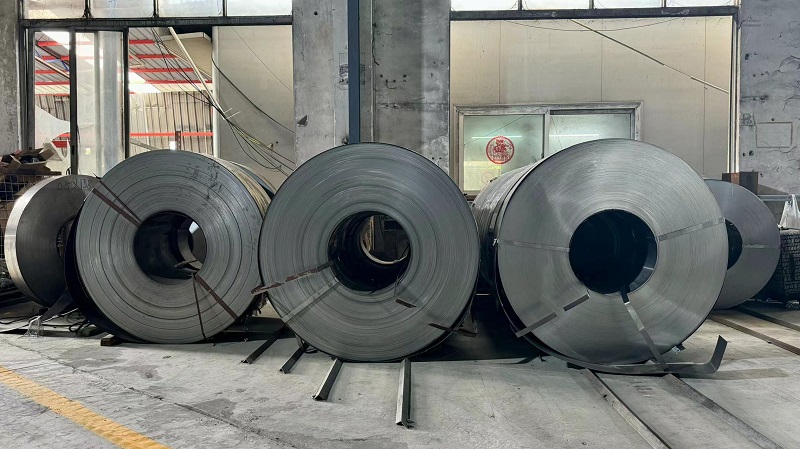
Raw Materials
Raw Materials
Stamping Molding
Stamping Molding
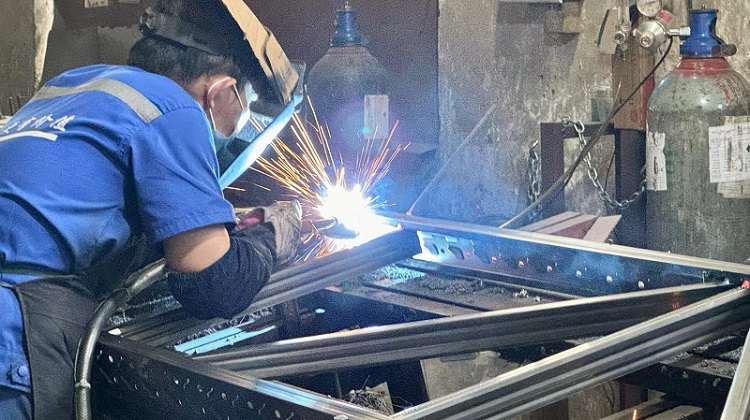
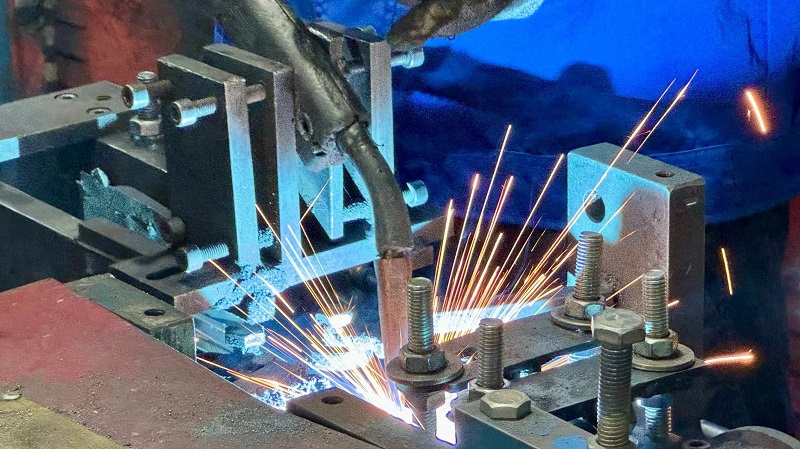
Welding
Welding
Punching
Punching
Painting
Painting
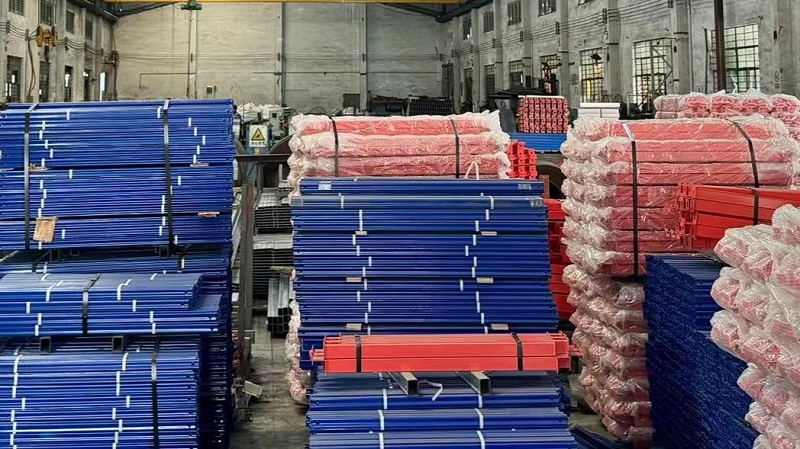
Packaging
Packaging
Stamping Molding Machine
Piercer Machine
Piercer Machine
Welding Machine
Welding Machine
Painting Line
Painting Line
Punching machine
Punching machine
Design process for pallet racks

Key Trends Transforming Cold Chain Storage

How digitalization, automated storage systems, and carbon neutrality goals are reshaping cold chain design.

Rising cooling costs and land prices are pushing cold storage operators to shift away from low-density selective layouts toward ultra-high-density automated storage solutions. To maximize profit, operators must focus on minimizing chilled volume per pallet space. Below are the primary technical trends observed in high-performance cold chain warehouses:

AS/RS Integration

Automated Storage and Retrieval Systems (AS/RS) limit human exposure to freezing temperatures, accelerate throughput, and enable dense multi-level rack storage structures that reach heights of over 40 meters.

Pallet Shuttle Technology

Semi-automated pallet shuttle racking systems allow high-density deep-lane storage with high throughput. Utilizing remote control carts to handle pallets within deep channels helps lower energy and cooling costs.

Thermal Airflow Optimization

Strategic structural arrangements, rack placement, and vertical clearances are designed to facilitate optimal cold air circulation. This reduces hot spots, keeps cooling costs down, and preserves stored inventory.

Frequently Asked Questions

Deep dive technical answers to help you select the ideal structural design, grade, and finish for sub-zero racking systems.

What steel grades are recommended for cold storage warehouses operating below -20°C? +
For temperatures below -20°C, standard commercial carbon steels (like standard Q235B) can become brittle. We recommend low-temperature grade carbon steels such as Q345D or Q355D, which undergo rigorous Charpy V-notch (CVN) impact testing at -20°C or -40°C. These grades maintain high impact energy levels and yield strengths, protecting the structural integrity of the racking system under heavy loading.
How does condensation impact cold storage racks, and how do you prevent corrosion? +
During defrost cycles, moisture condenses on metal frames. If untreated, this can cause rust and degrade structural steel. We recommend hot-dip galvanized (HDG) coating or specialized outdoor-grade electrostatic powder coating. Hot-dip galvanizing provides a thick layer of zinc-iron alloy that protects the steel, even in humid cold storage facilities.
What are the density benefits of Drive-In Racking versus Pallet Shuttle Racking in cold storage? +
Drive-In racking is a cost-effective, high-density LIFO solution, but it requires forklifts to drive inside the racking, which can increase the risk of collision and slow down operation times. Pallet Shuttle systems utilize remote-controlled carts to transport pallets within deep channels. This provides high density, reduces structural damage risks, speeds up retrieval times, and lowers the overall refrigeration volume required.
Can Kimsuk designs accommodate seismic activity in high-risk zones? +
Yes, our engineering team uses advanced structural modeling software to analyze localized seismic parameters, building structures, and floor slab specifications. We design custom baseplates, heavier upright profiles, and specialized bracing configurations that comply with ANSI MH16.1 (RMI) standards or AS4084 regulations for active seismic zones.
What quality assurance documents do you provide for international orders? +
We provide a complete QA pack with every shipment. This includes mill test certificates for steel raw materials, welding certification, powder coating thickness test reports, dimensional inspection logs, and structural load testing certificates. This ensures compliance with local building inspections and safety audits.
How does Kimsuk manage customization for non-standard pallet sizes? +
With our 18-person R&D department, we customize system dimensions, upright profiles, load capacities, beam configurations, and pallet supports. We can adjust the depth, clear height, and channel width to suit specialized plastic pallets, wooden skids, or dynamic containers typical in cold chain operations.