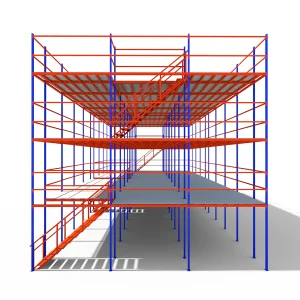
High-capacity systems designed for optimal volume utilization, safe throughput, and ultimate durability.
Unlocking unmatched warehouse utilization rates through gravity-driven, FIFO material handling dynamics.
Modern supply chain logistics operate under razor-thin margins and demanding lead times. As enterprises struggle with high real estate costs and skyrocketing operational expenses, traditional static warehouse racking systems (like Selective or Drive-In Racks) often reach their operational limits. Pallet Flow Storage, also known as Gravity Flow Racking, offers an elegant mechanical solution to these limits. By utilizing a structural pitch combined with high-performance roller tracks, these systems rely on gravity to move pallets along a sloped lane automatically. This design guarantees a strict First-In, First-Out (FIFO) stock rotation strategy.
Globally, logistics hubs are turning to pallet flow manufacturers to design systems that maximize volume utilization. A typical selective racking array provides roughly 40% to 50% floor space utilization. In contrast, heavy-duty pallet flow structures can scale this metric beyond 85%. This creates a dense, solid block of storage lanes with only two access aisles needed—one for loading and one for unloading.
A look at our structural capacity, manufacturing infrastructure, and strict quality control metrics.
Established in 2016, Shenzhen Kimsuk Storage Equipment Manufacturing Co., Ltd. has grown to become a global leader in high-performance storage design and fabrication. Backed by 14 years of team expertise in warehouse racking systems, we build solutions for factories, warehouses, distribution centers, and industrial facilities in North America, Europe, Southeast Asia, the Middle East, Australia, and South America.
We work with more than 850 supply chain partners to secure top-tier raw materials and maintain consistent production cycles. Our facility features a dedicated R&D division staffed by 18 engineering specialists. To keep pace with shifting industry demands, we developed and improved over 120 storage products in the past year alone.
Gravity flow storage requires precise alignment to perform reliably. A minor variance in roll-track slope or steel gauge can cause pallets to hang up or glide too quickly. Kimsuk maintains strict control over every phase of production. Our team conducts raw material inspections, weld assessments, coating thickness tests, dimensional tolerances checks, and physical load tests.
Our quality control inspectors use laser alignment tools, computerized load testers, ultrasonic testers, and digital paint thickness gauges. This detailed approach ensures every system meets international safety standards before shipment.
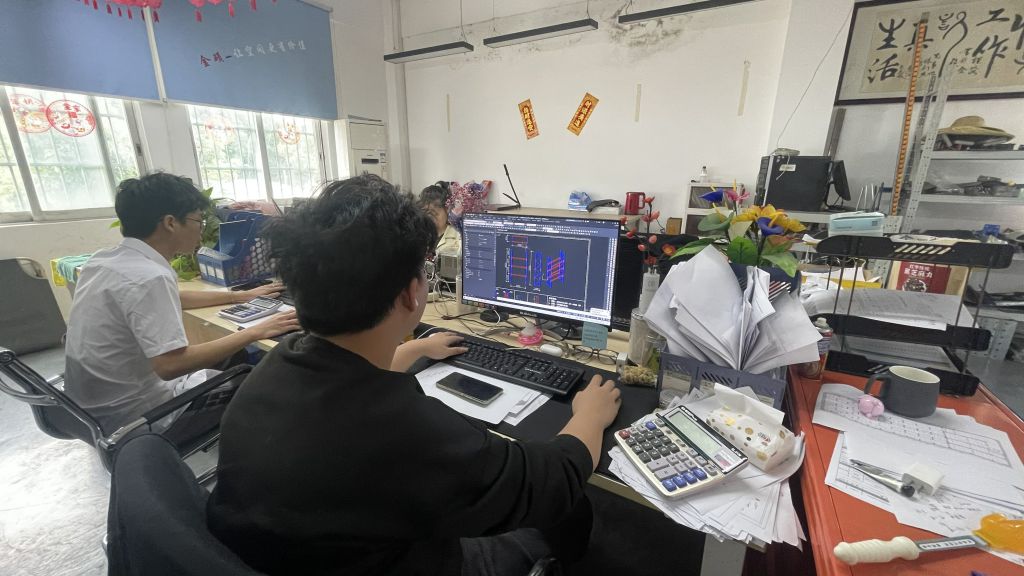
Design Process for Custom Engineered Pallet Racks
Every stage of production is carried out in-house to ensure structural integrity and precise alignment.
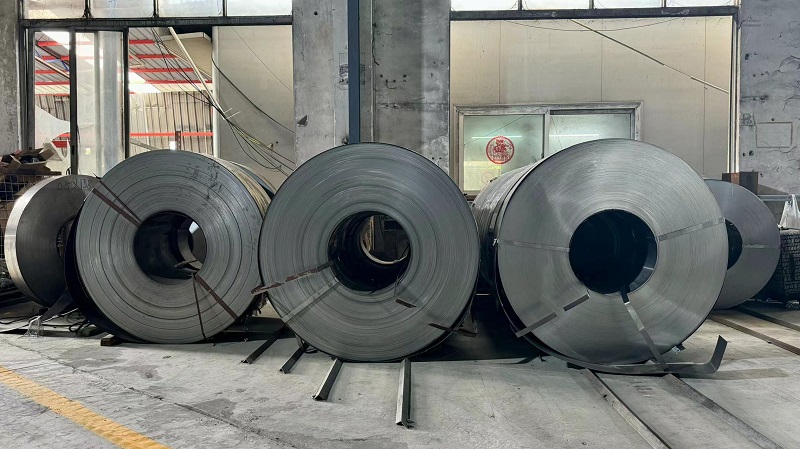
We source high-yield structural steel coils to ensure our upright frames and dynamic beams resist bending under heavy, continuous loads.
Advanced dies shape profile elements to exact dimensions, maintaining dimensional stability across large production volumes.
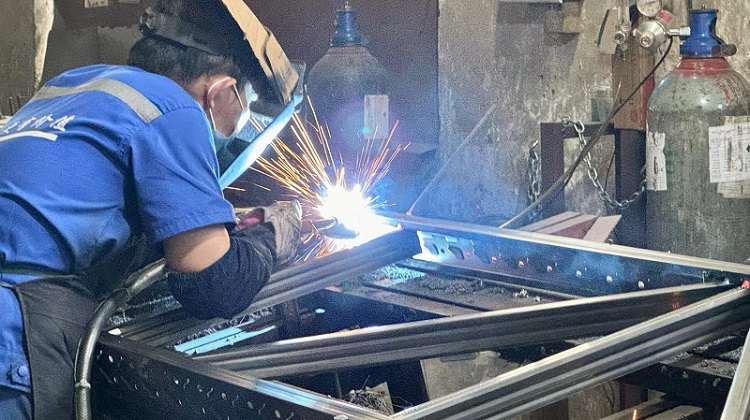
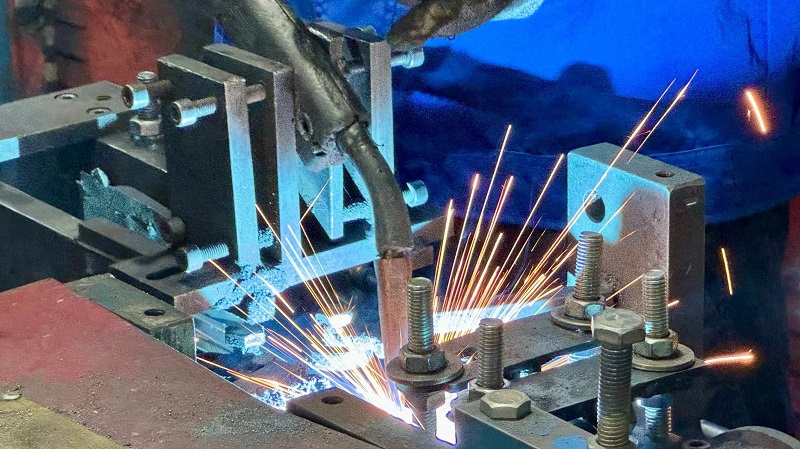
We use computerized, multi-axis welding stations to create deep, clean welds that handle constant dynamic forces over time.
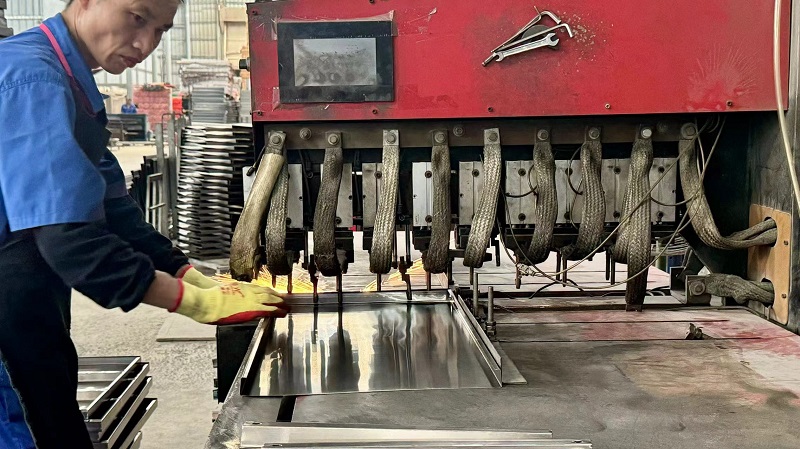
Automated punch systems place connection holes at precise intervals, ensuring simple assembly and flexible height modifications.
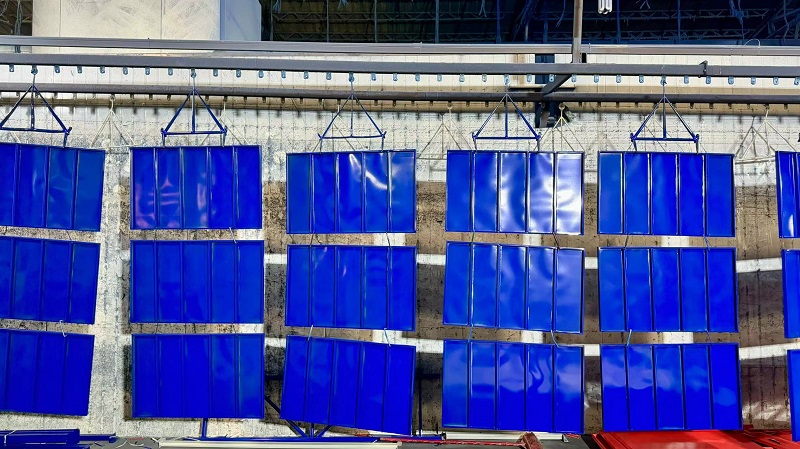
An electrostatic powder coating line applies a durable surface layer that resists corrosion, chipping, and wear in active warehouses.
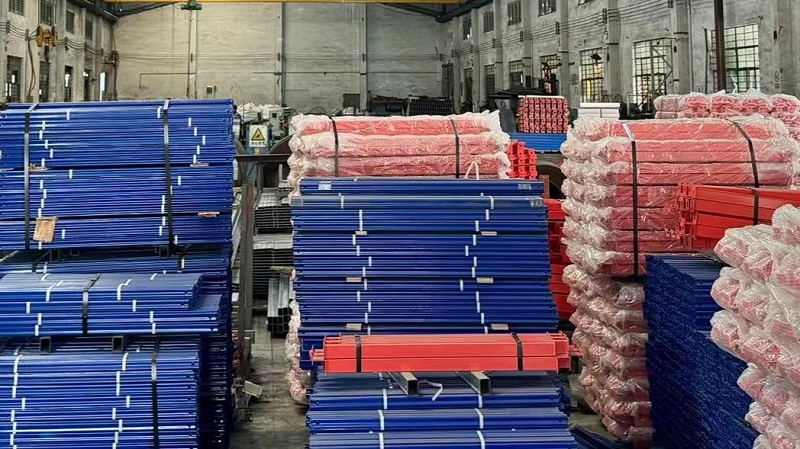
Finished products are carefully wrapped and padded to prevent transit damage during long-distance international shipping.
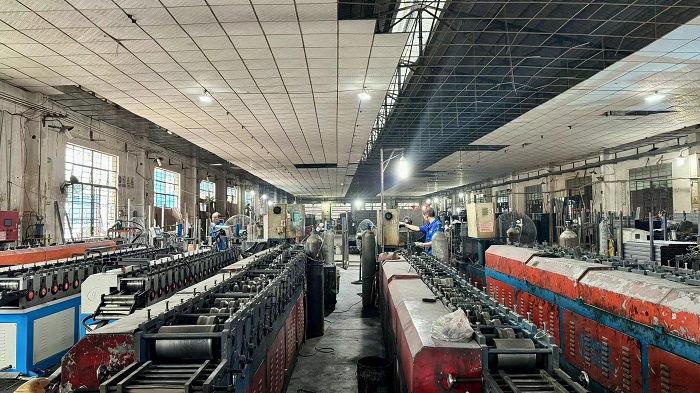
Our heavy-tonnage molding machines press complex profiles, maintaining precise steel geometry throughout the component's length.
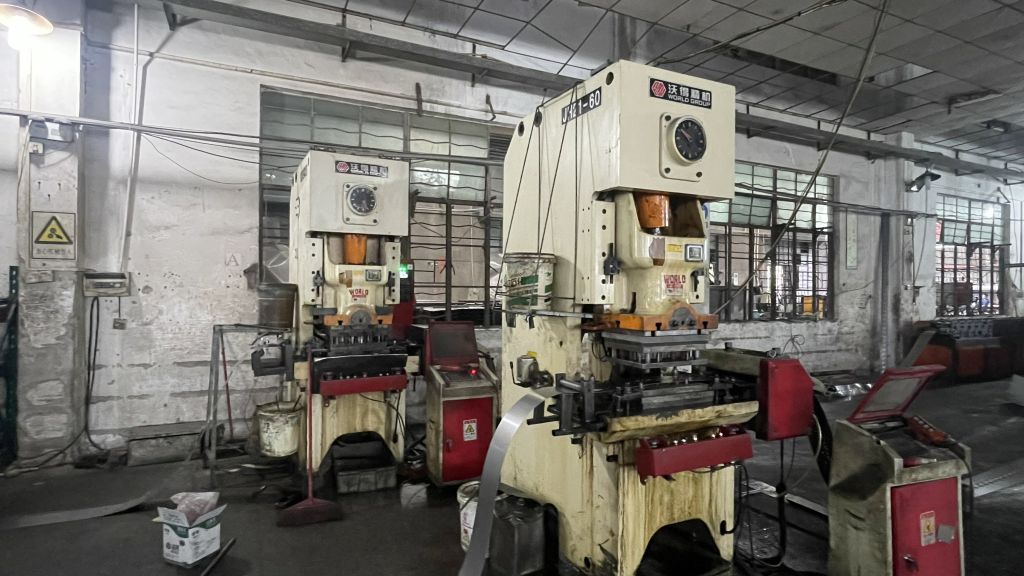
High-speed punching machinery creates accurate positioning slots, ensuring quick alignment and assembly during field installation.
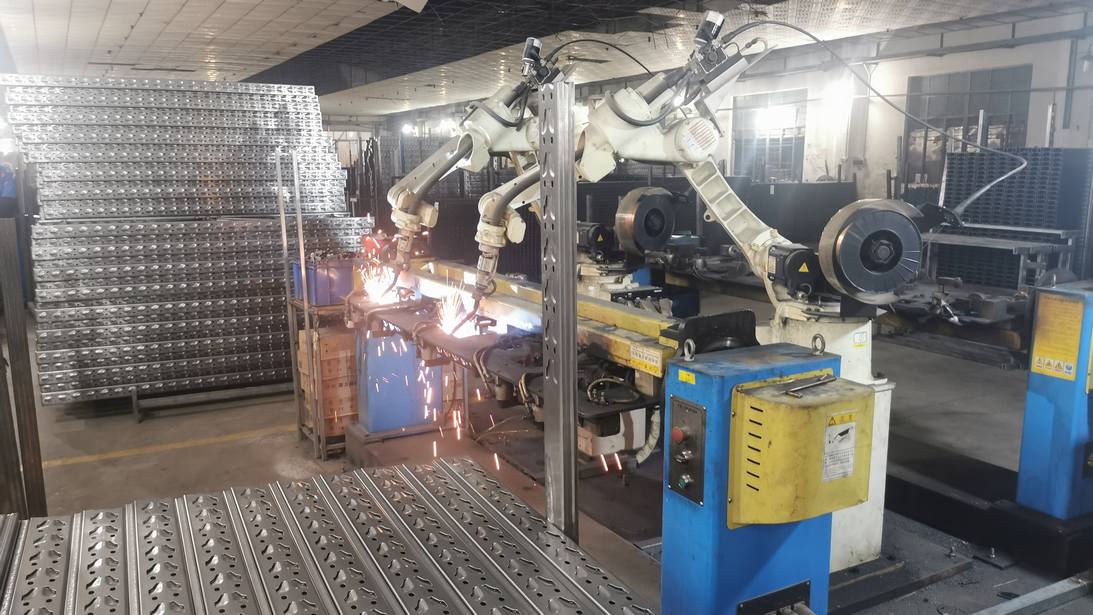
Heavy-duty welding frames secure the dynamic system's critical connections, preventing deformation under fully loaded bays.
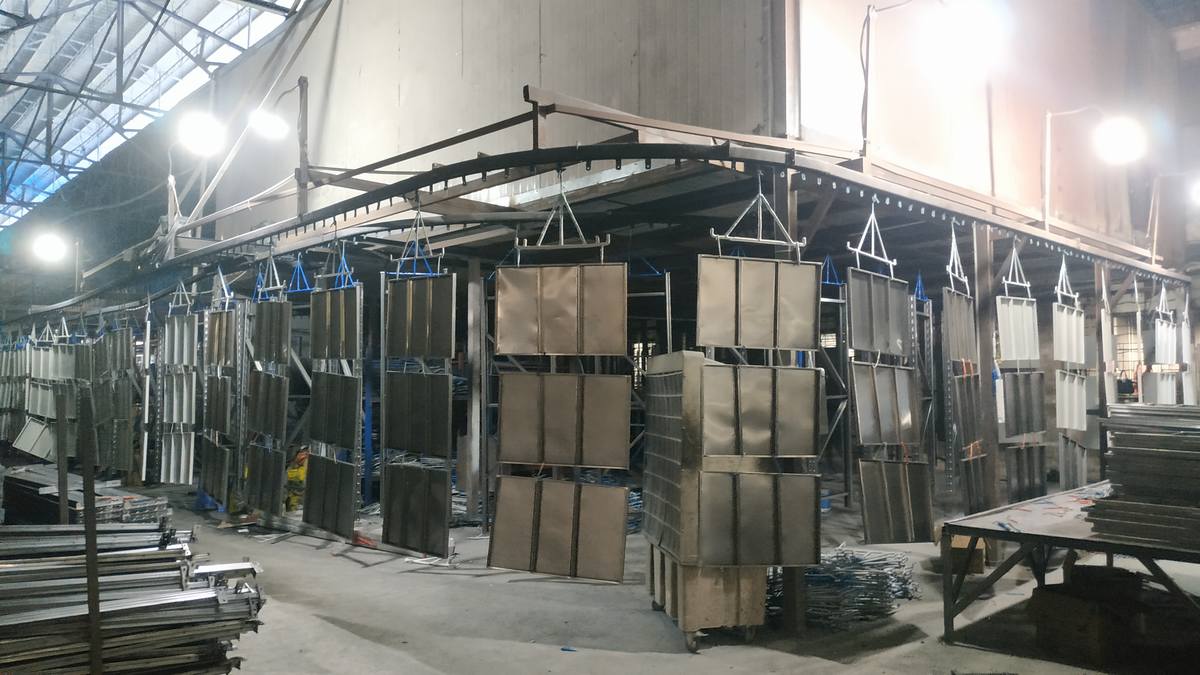
An enclosed coating system provides uniform paint thickness, ensuring corrosion-resistant protection across every corner of the metalwork.
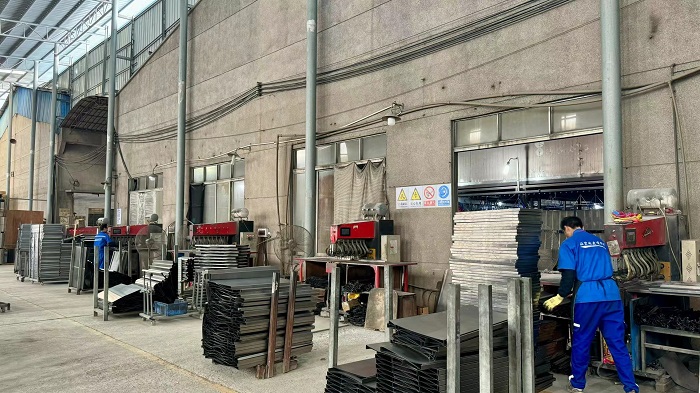
This station runs customized punching cycles, creating unique hole configurations to match specialty connection accessories.
Our structural engineers use CAD software to model stress loading, seismic factors, and optimal pitch values for every system.
The engineering math that governs safe, smooth gravity flow operation.
A reliable pallet flow storage layout relies on balancing five physical factors: slope angle, wheel diameter, braking roller placement, pallet weight variance, and environmental temperature. If the incline is too gentle, pallets may stall mid-lane; if too steep, they can accelerate out of control and strike loading barriers. The standard slope angle for modern dynamic systems ranges between 3.0% and 4.0% (approximately 3.5mm drop per 100mm run).
Designers must calculate roller spacing to prevent pallet sagging, which can cause stalls. As a rule of thumb, a minimum of three rollers must support the bottom of the pallet runners at all times. The formula for maximum roller pitch is:
For a standard 1200mm pallet, this means roller spacing must not exceed 375mm center-to-center. For heavy loads, spacing is reduced to maintain smooth travel.
When travel distances exceed 4 pallets in depth, gravity can accelerate loads to unsafe speeds. Centrifugal brake rollers control this movement. These self-contained components use internal gear assemblies and flyweights to apply braking pressure only when a pallet's speed exceeds 0.25 meters per second, keeping descent speeds safe and uniform.
Adapting dynamic storage layouts to meet the needs of cold-chain, pharmaceutical, and 3PL industries.
Global supply chain networks are shifting from holding safety stock to driving rapid product turnover. This shift increases the demand for dynamic storage solutions. E-commerce businesses, third-party logistics (3PL) centers, and cold-chain distributors require systems that support high throughput, SKU organization, and density.
Additionally, modern environmental standards (such as ESG initiatives) encourage using gravity-driven systems. By replacing electric conveyors with gravity lanes, warehouses reduce electricity use, cut down on wiring requirements, and lower overall maintenance costs.
Ensuring local engineering compliance while preparing for next-generation automated integration.
Working internationally requires meeting regional safety and building standards. Industrial racking is a structural element that must withstand seismic loads and support heavy weights. Shenzhen Kimsuk ensures its products comply with major global design frameworks, including the Rack Manufacturers Institute (RMI) standards in North America, the FEM 10.2.02 guidelines in Europe, and AS4084 requirements in Australia.
Compliance is more than just thickness of the steel profiles; it includes calculations for upright bracing, concrete anchor systems, safety barriers, and seismic baseplates. When installing high-capacity dynamic racks, seismic protection must be designed to withstand local ground accelerations.
Dynamic storage systems are evolving to integrate with automated warehouse vehicles. Tomorrow's distribution centers will combine gravity flow structures with Automated Guided Vehicles (AGVs) and Autonomous Mobile Robots (AMRs). Standard pallet flow designs are being upgraded with precision alignment guides and electronic sensors at loading and unloading points. These additions ensure robot-operated forklifts can retrieve and drop off loads reliably, without human intervention.
Expert answers to common engineering, procurement, and planning questions.
The standard angle for gravity flow lanes ranges between 3.0% and 4.0% (commonly 3.5% or a 7/16-inch drop per foot). This slope ensures most standard wooden pallets move continuously without accelerating to unsafe speeds.
Speed controllers use internal centrifugal brake systems. As a pallet rolls over them, the gears turn faster, causing internal brake pads to press against the outer roller wall. This limits the pallet's speed, preventing hard impacts at the unloading face.
Yes, but they require specific configurations. Plastic pallets with feet or solid bottoms can warp or catch on standard rollers. For these, we design split or triple-roller tracks and space the rollers closer together to ensure smooth movement.
We use automated robotic welding to maintain consistent penetration depth and avoid cold welds. Our QA inspectors check structural welds using non-destructive ultrasonic and load testing equipment.
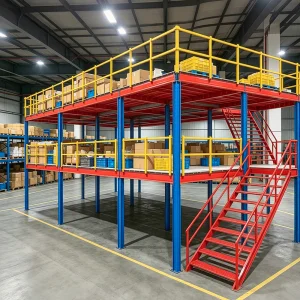
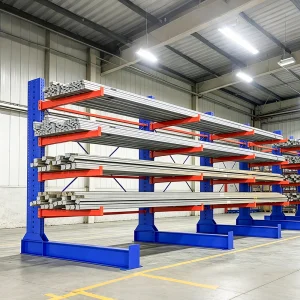
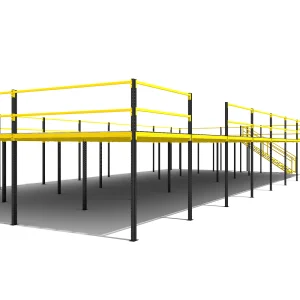
Explore our range of heavy-duty, mezzanine, and cantilever systems built for industrial applications.
 Kimsuk Storage