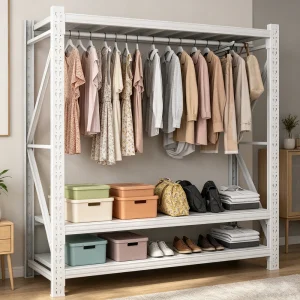
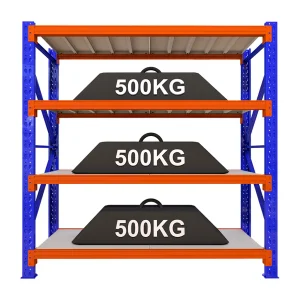
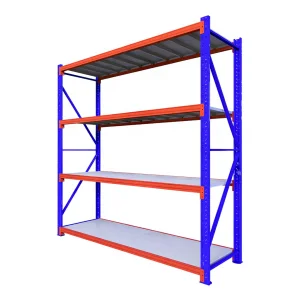
Engineered specifically to support ACT regional logistics infrastructure, retail depots, and government archive centers requiring 100kg to 500kg load classifications.
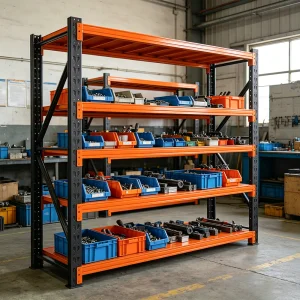


The Australian Capital Territory (ACT), centered around Canberra, represents a unique and rapidly developing industrial hub. Unlike heavy manufacturing regions, Canberra's economy is anchored by public administration, national defense, high-tech security sectors, education, and professional services. This economic profile generates specific spatial challenges: warehouse space is premium, requiring hyper-efficient spatial planning, high-density filing storage, and quick-access logistics hubs in suburban zones such as Fyshwick, Hume, and Mitchell.
As urban sprawl increases and regional supply chain nodes shift closer to consumers, the demand for medium-duty racking systems—specifically configurations capable of carrying 100kg to 500kg per shelf level—has surged. These load classes are optimal for storing complex equipment, commercial goods, archival documents, and electronic inventory. Companies operating in the Canberra market face a dual challenge: optimizing the vertical cube of their facilities to offset high land costs while maintaining strict adherence to rigorous Australian safety standards. The transition toward smart distribution nodes in Canberra necessitates storage platforms that are not only load-optimized but fully configurable to changing inventory profiles.
Industrial procurement managers operating in international supply chains require high predictability, guaranteed load-bearing ratings, and transparent material origins. Sourcing storage infrastructure from overseas factories is often fraught with risk: unpredictable steel grades, inadequate powder coating leading to oxidation, and non-compliance with the updated Australian Standard for steel storage racking (AS 4084.1:2023).
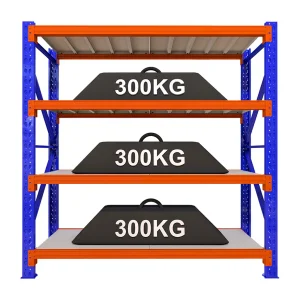
Shenzhen Kimsuk Storage Equipment Manufacturing Co., Ltd. addresses these pain points by offering direct-from-factory solutions that eliminate intermediary markups while maintaining verified structural integrity. By using high-grade, cold-rolled carbon steel (Q235B & Q355B) and implementing robotic multi-pass welding, our storage systems achieve maximum structural stiffness. Our load-bearing configurations are validated through computerized stress-testing machinery, ensuring that when we specify a 100kg-500kg capacity per level, the physical system has a minimum structural safety factor of 1.5, protecting workers and inventory against unforeseen stress.
Designed for modular commercial storage, warehouse expansion, and retail floor back-of-house logistics.


Established in 2016, Shenzhen Kimsuk Storage Equipment Manufacturing Co., Ltd. has developed into a premier global supplier of commercial and industrial racking systems. Spanning an advanced manufacturing facility of 18,500㎡, Kimsuk manages high-volume production with extreme precision. We engineer heavy-duty pallet systems, longspan shelving, cantilever configurations, and tailored structural steel platforms. Backed by an annual export yield exceeding $12 million and 14 years of design and manufacturing experience, our structural products are optimized to satisfy complex global supply chains, specifically catering to regions requiring strict structural verification like Canberra, Australia.
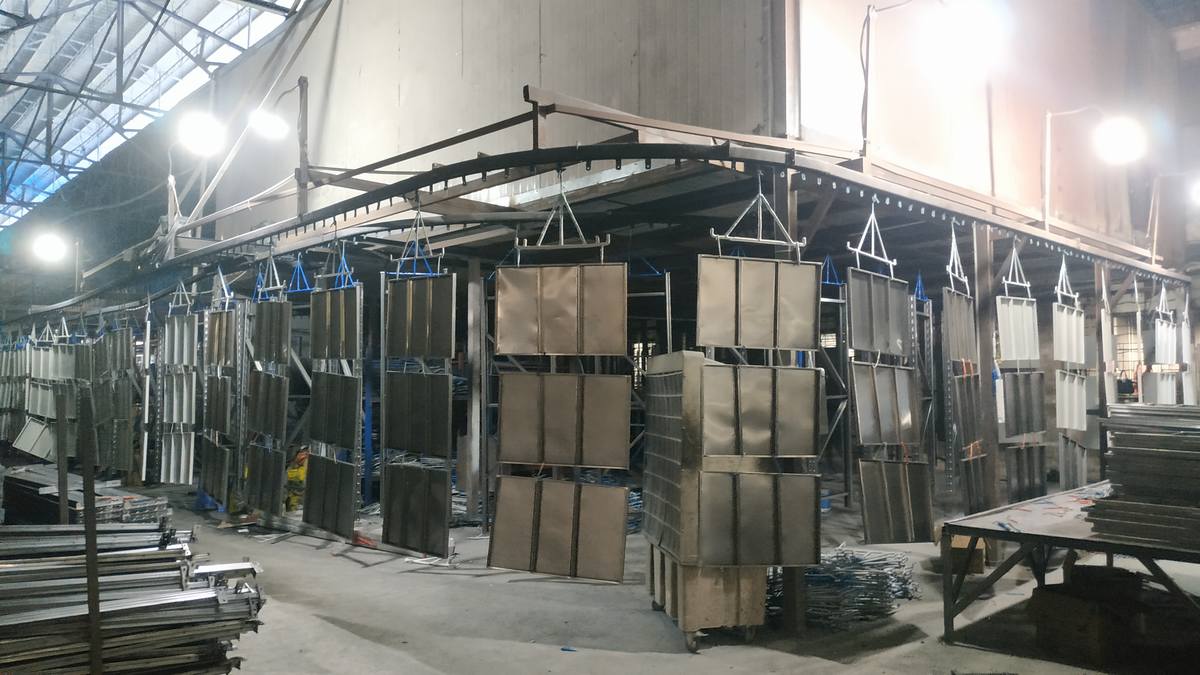
Every component of our racking system undergoes a rigorous, multi-stage fabrication and inspection pipeline to verify load dynamics, dimensional consistency, and coating endurance. Below is our standard manufacturing workflow:
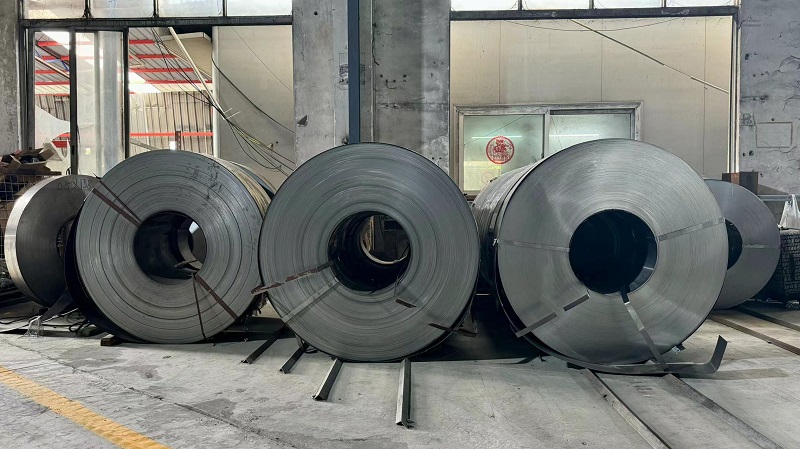
We source top-grade Q235B/Q355B structural carbon steel. Tensile and yield strengths are laboratory tested before processing.
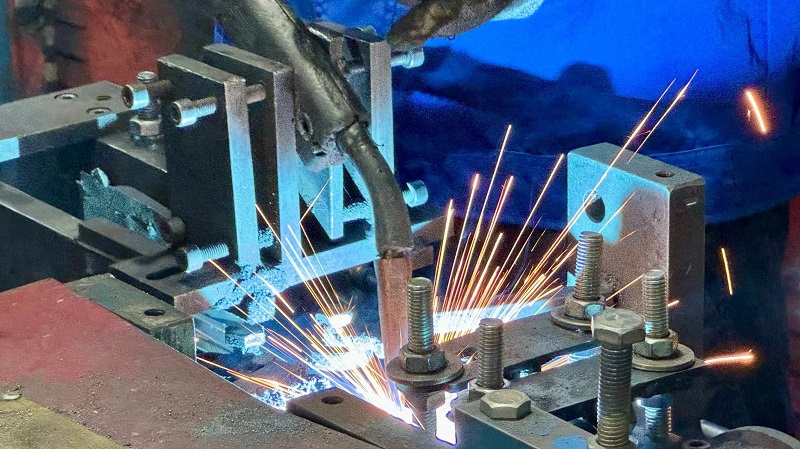
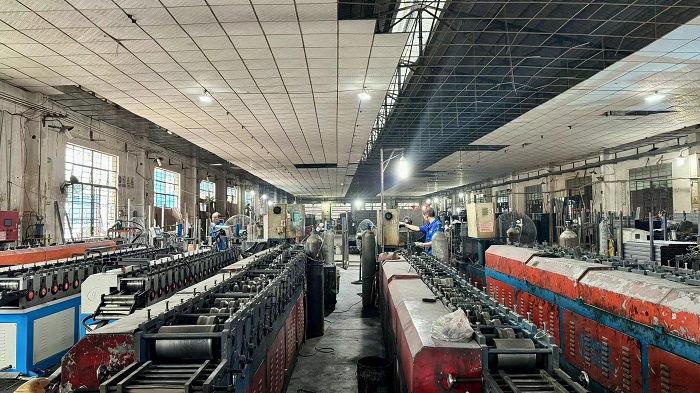
Precision roll-forming lines shape raw sheet steel into rigid upright and beam profiles without micro-fracturing.
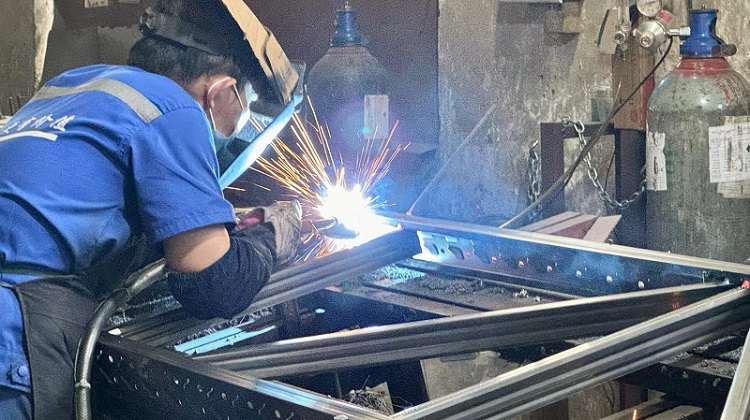
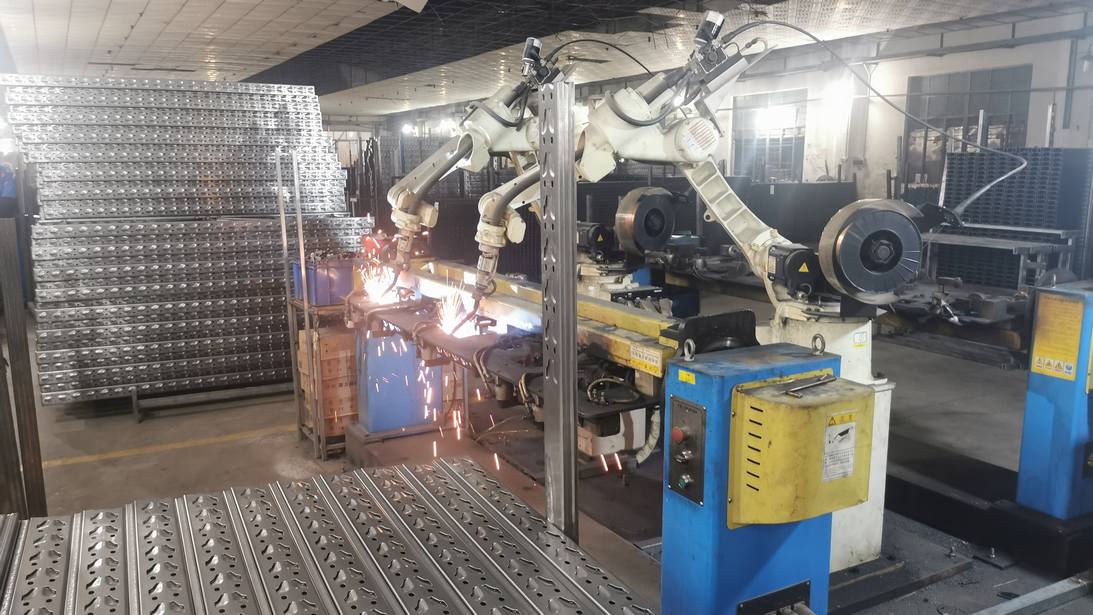
Robotic and manual gas metal arc welding (GMAW) ensures penetration depth and eliminates seam weaknesses.
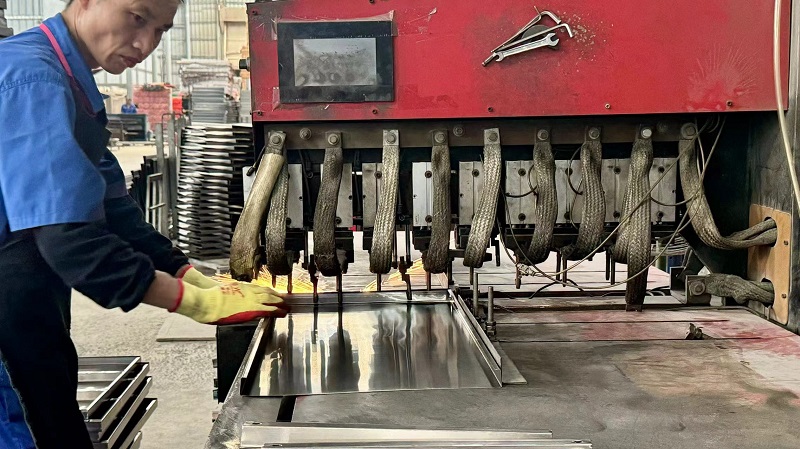
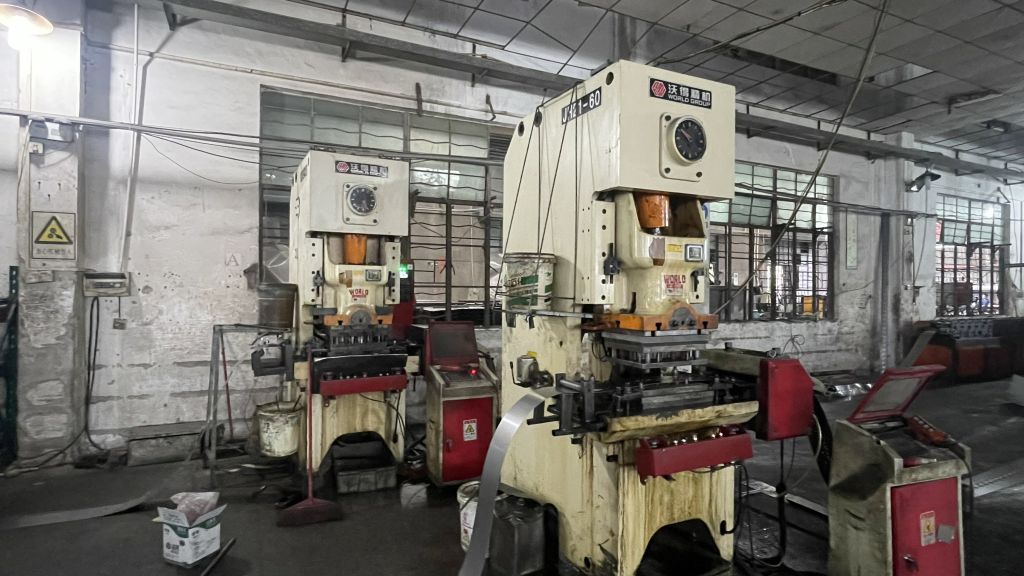
CNC punches create teardrop, butterfly, or hexagonal patterns for modular, boltless beam adjustments.
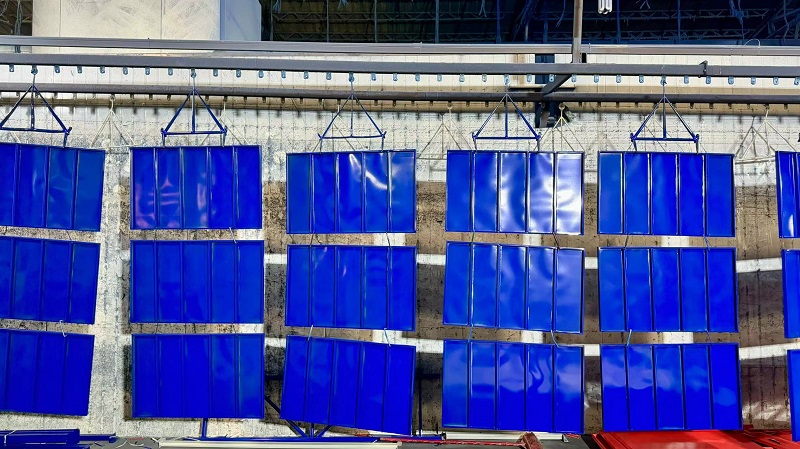
Epoxy-polyester hybrid powder is cured at 200°C, producing a resilient, anti-corrosive, scratch-proof layer.
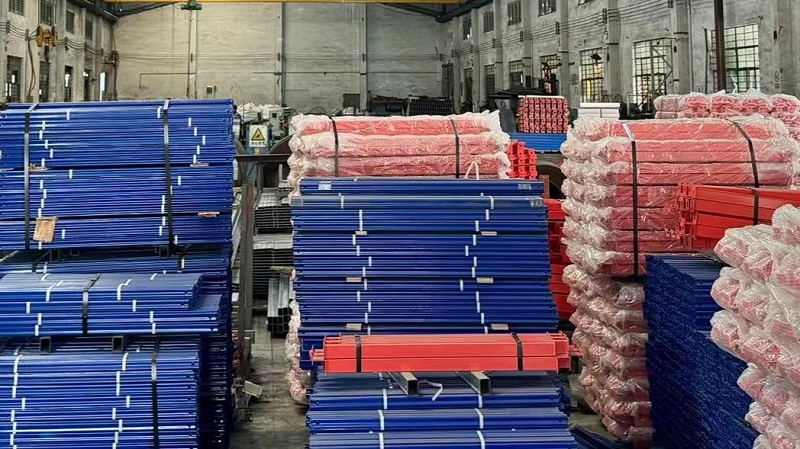
Cardboard inserts, steel strapping, and heavy-duty shrink-wrap protect the components during maritime transit.
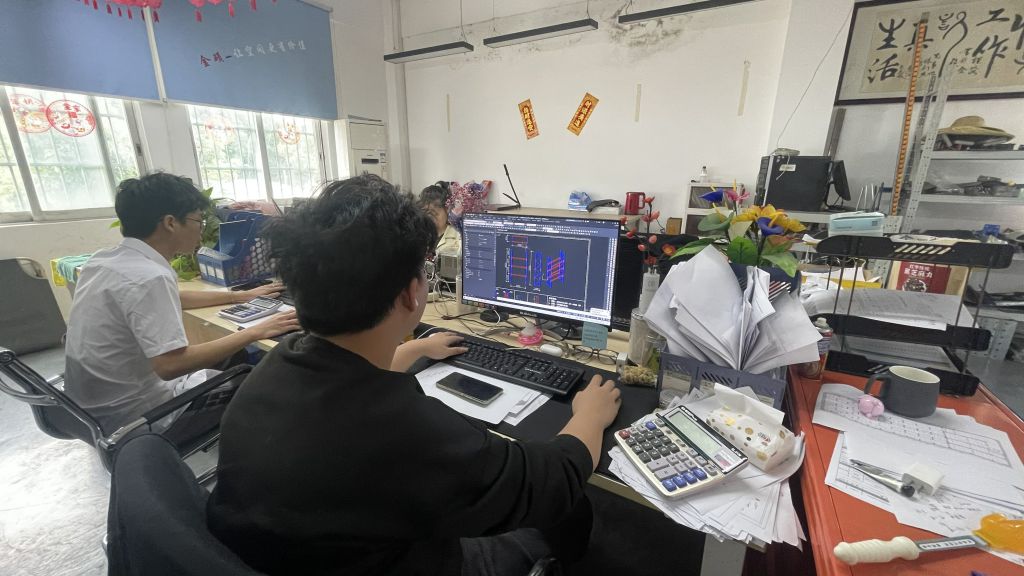
Using advanced FEM analysis and AutoCAD modeling software, our engineering department simulates seismic dynamics, load distribution profiles, and structural deflection under maximum strain to ensure compliance with Australian standard specifications.
The storage and warehousing sector is currently transitioning from passive racking structures to active data-driven platforms. Modern distribution centers in developed markets such as Canberra are increasingly utilizing automated guided vehicles (AGVs), automated storage and retrieval systems (AS/RS), and real-time inventory management IoT sensors.
Shenzhen Kimsuk's technological roadmap aligns with these macro shifts. We are engineering our racking columns to feature higher torsional rigidity, supporting future structural retrofitting for smart shuttles and sensors. Additionally, we are developing micro-fulfillment system modular parts suitable for inner-city logistics and dark stores, allowing local retail operations in Canberra to execute ultra-fast last-mile deliveries.
In Australia, all steel warehouse storage systems must strictly comply with **AS 4084.1-2023 (Steel storage racking - Design)** and **AS 4084.2-2023 (Steel storage racking - Operation and maintenance)**. These standards govern the structural analysis, load testing, tolerances, and mandatory annual safety inspection criteria. Sourcing storage infrastructure that fails to meet these criteria poses a severe legal liability for businesses in the ACT, potentially invalidating commercial insurance.
Our customized storage configurations are fully engineered to meet these standards. We supply our Canberra partners with comprehensive load classification plaques, detailed column deflection parameters, and clear structural installation safety guidelines. By using raw structural steel with fully traceable test certificates, we guarantee our frames resist shear, twist, and point-loading failure under Australia's typical ambient conditions.
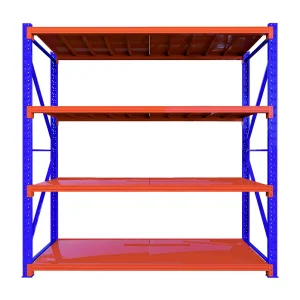
Full warehouse racking systems built for long-term reliability and compliant with standard logistics designs.




 Kimsuk Storage