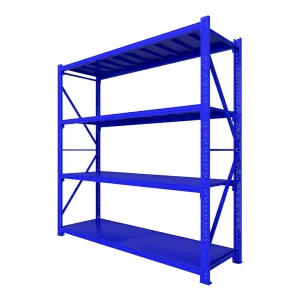
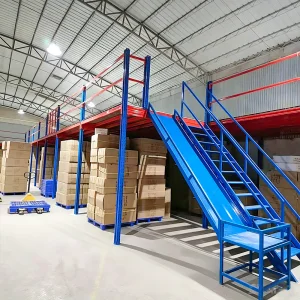
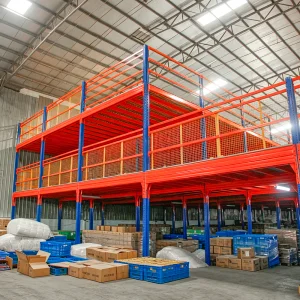
Optimized medium-to-heavy duty configurations engineered to satisfy local industrial building codes and warehouse operations.
The Greater Toronto Area (GTA) stands as Canada’s dominant industrial logistics powerhouse, encompassing over 800 million square feet of industrial inventory. With major supply hubs in Mississauga, Brampton, Vaughan, and Milton, the demand for structural optimization has reached historically high levels. Land scarcity and steep commercial rents are compelling operators to shift from horizontal layouts to high-density vertical solutions.
Within this ecosystem, the 200KG capacity threshold per level represents the critical transition zone between light-duty retail racks and specialized heavy industrial pallet configurations. E-commerce fulfillment networks, third-party logistics providers (3PLs), automotive components warehouses, and pharmaceutical clean rooms rely extensively on 200KG system ratings to house high-turnover, medium-weight inventory.
Local businesses face strict building regulations, including compliance with the Ontario Building Code (OBC), CSA standards (such as CSA A344 for user safety), and structural engineering approvals. Implementing robust, certified racking systems is no longer optional—it is a foundational operational requirement to ensure safety, minimize liabilities, and optimize footprint yields.
Analyzing shifting global purchasing behaviors, the importance of material resilience, and design standardizations.
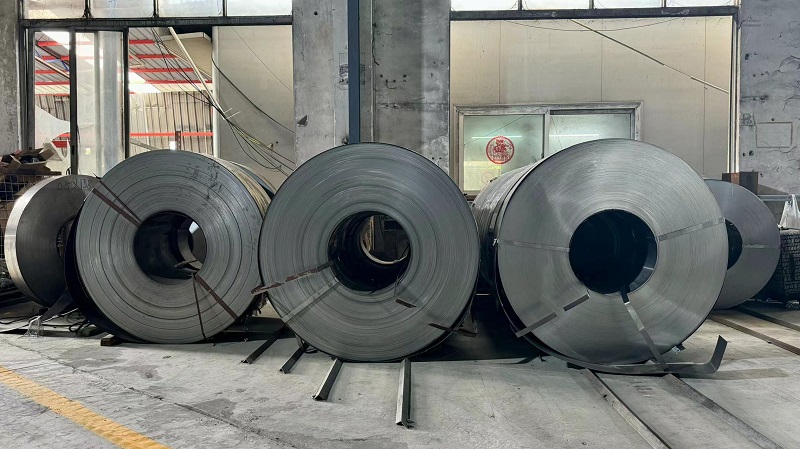
Global logistics standards rely heavily on high-tensile hot-rolled or cold-rolled Q235B equivalent carbon steel. This material guarantees optimized load distribution, reducing buckling probabilities. For Toronto systems, our material profile exceeds general density thresholds to ensure stability under persistent loads.
Modern warehouses do not buy static setups. They buy ecosystems. Modern shelving units must feature custom boltless connection systems, enabling layout updates in hours rather than days. Hook-and-lock post interfaces allow 50mm height adjustment increments without specialized tools.
With global regulations enforcing zero-fatality workspaces, the design standard of load ratings is critical. Kimsuk engineering standards maintain a minimum 1.5x structural safety factor. When we label a system as 200KG, the ultimate collapse threshold exceeds 300KG under ideal load conditions.
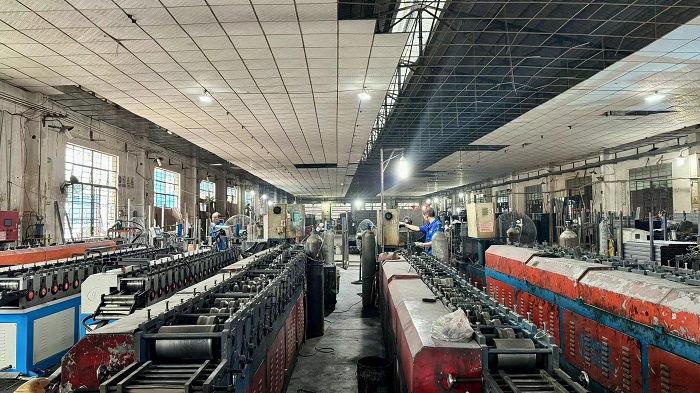
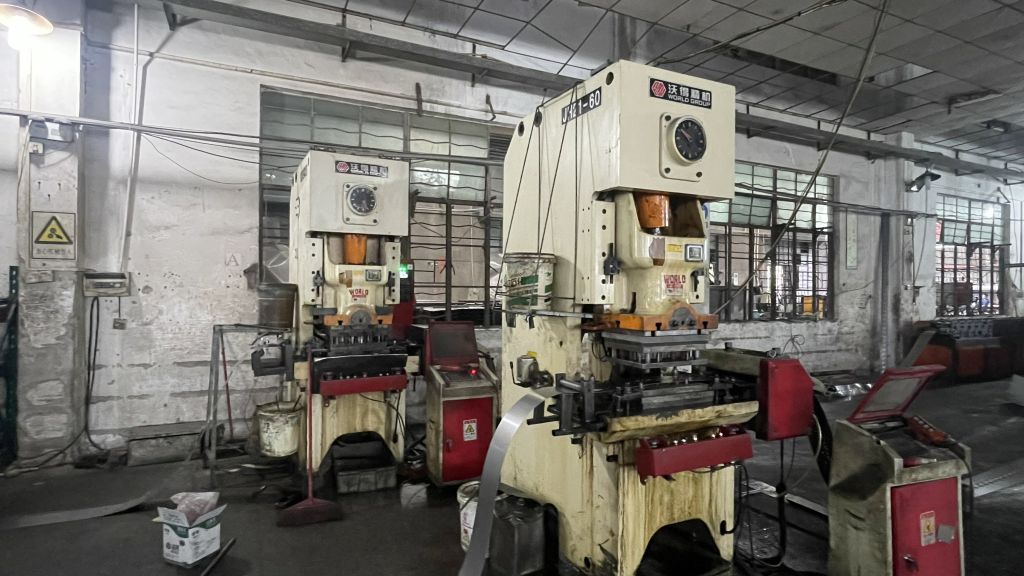
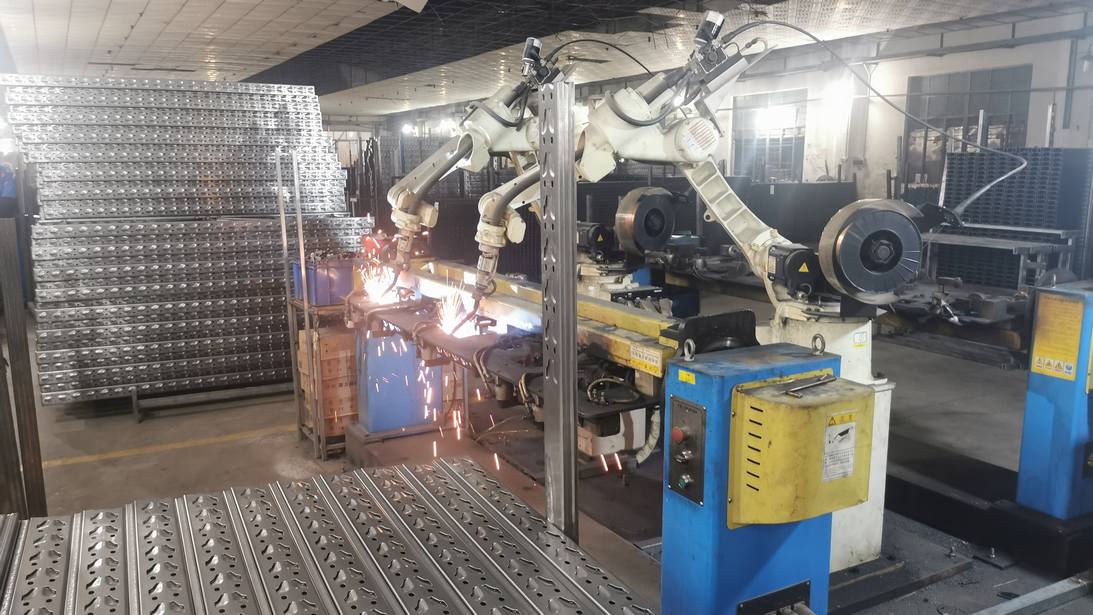
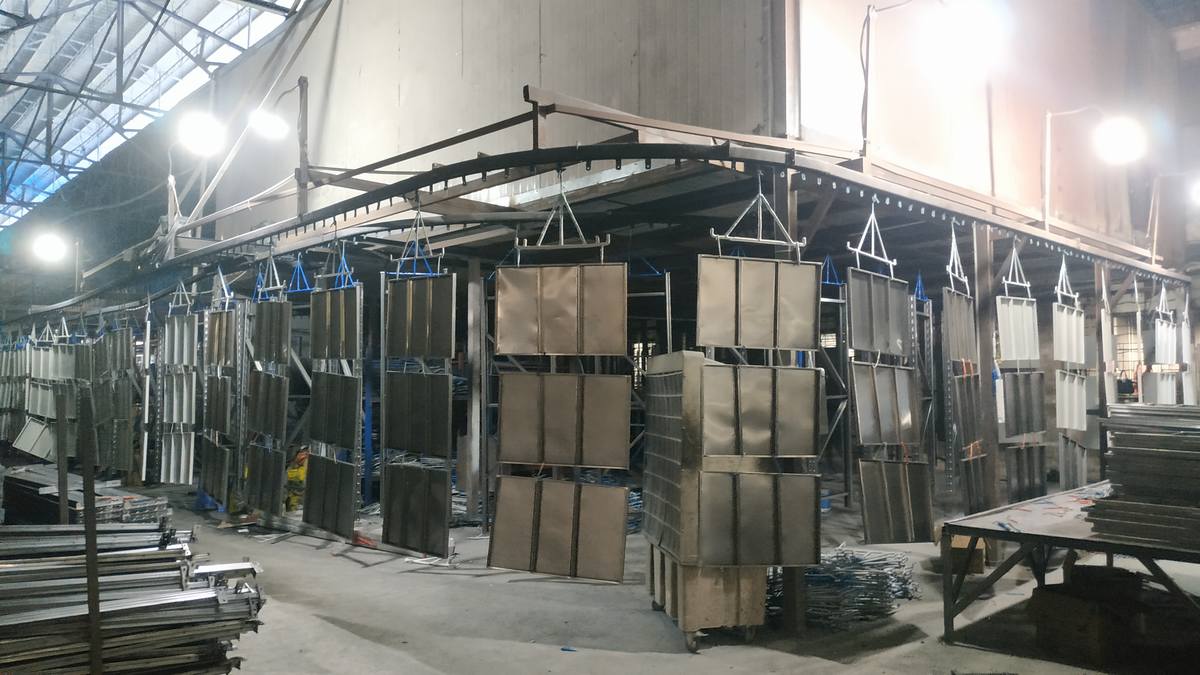
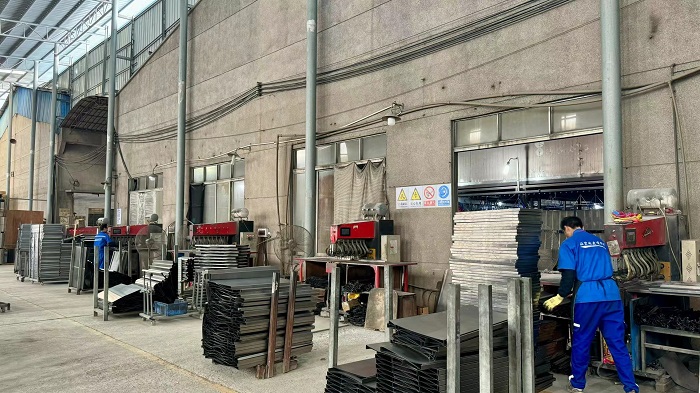
Our 18,500㎡ production facility is built on Industry 4.0 manufacturing processes. By integrating fully automated continuous rolling mills, robotic laser cutting clusters, and high-precision stamping equipment, we ensure that every batch of steel uprights and beams aligns with structural design tolerances within a 0.1mm margin.
Decoupling Sourcing Challenges: For Toronto-based procurement directors, buying from Kimsuk bridges the gap between cost efficiency and quality assurance. Our raw materials are acquired in high volumes from premium state-owned mills, shielding customers from fluctuating local metal pricing. Backed by our robust network of 850+ supply chain partners, we guarantee a stable flow of materials, ensuring consistent delivery schedules even during seasonal container shipping crunches.
Furthermore, our automated electrostatic powder-coating lines produce a clean, scratch-resistant surface finish. This defense layer protects against corrosion in humid or cold environments, ensuring long-term structural integrity and a clean visual presentation in public retail backrooms or commercial distribution warehouses.
Continuous stamping line with specialized CNC punch tooling yields perfectly aligned pitch slots, minimizing assembly misalignment.
45 dedicated inspectors oversee a 6-stage testing protocol. This includes raw chemical composition testing, laser thickness sizing, welding penetration analysis, and load-deflection testing.
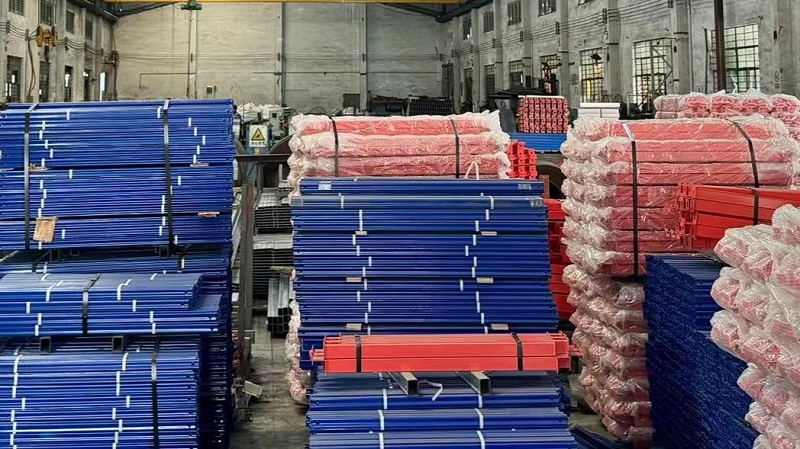
Eight years of export expertise translates into custom marine packaging, clear labeling, and structured container stuffing protocols, protecting cargo on the transit route to Toronto.
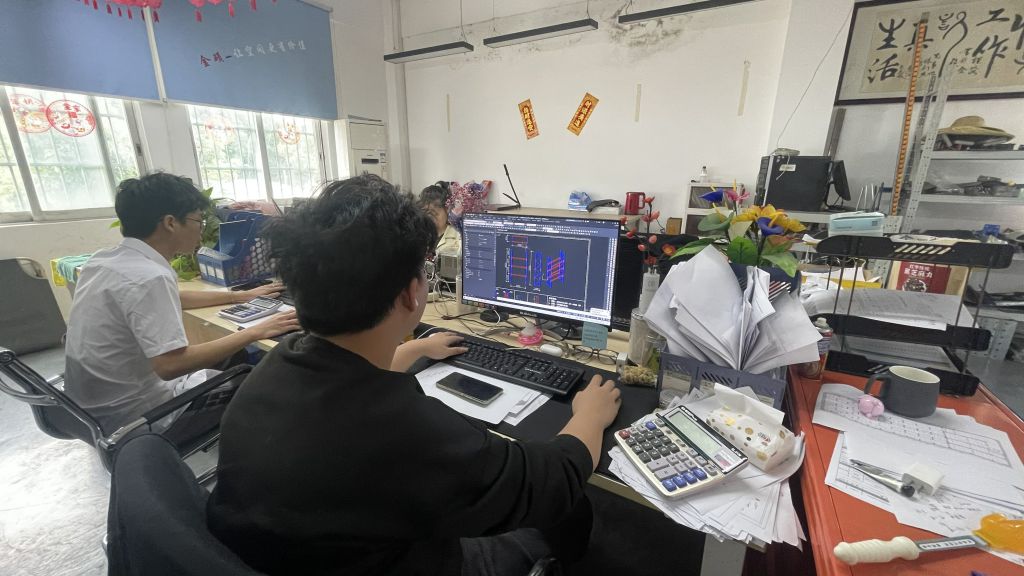
A transparent look into our 18,500㎡ facility processes, ensuring adherence to global warehouse racking specifications.
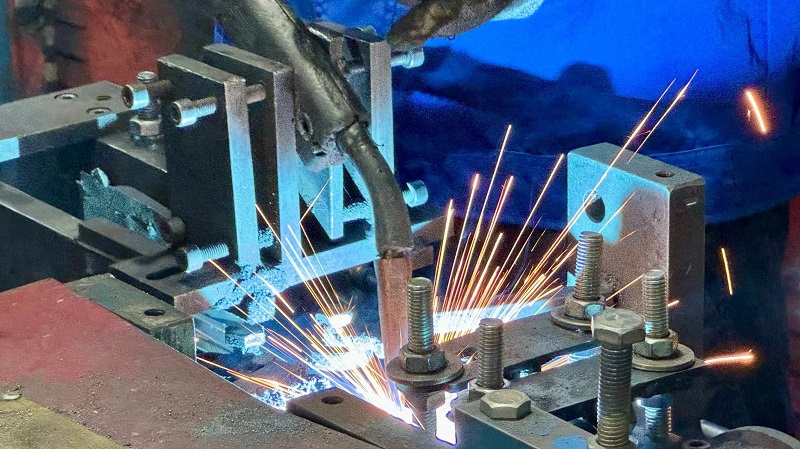
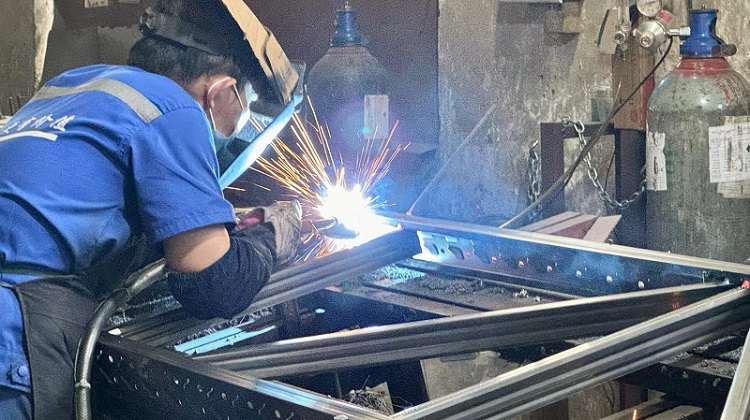
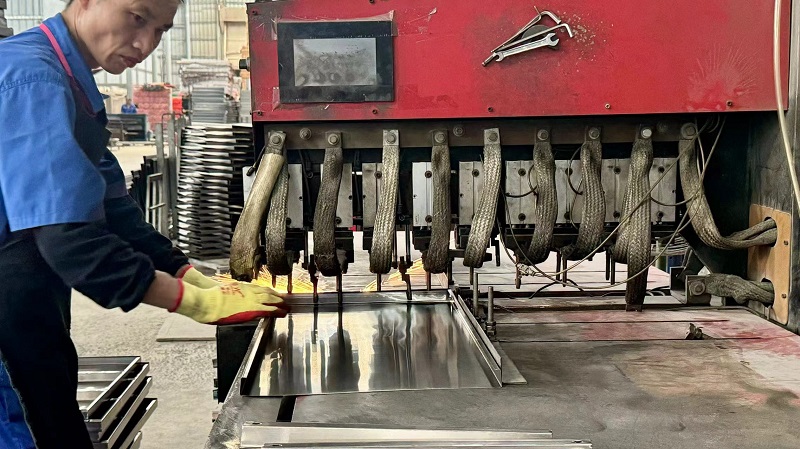
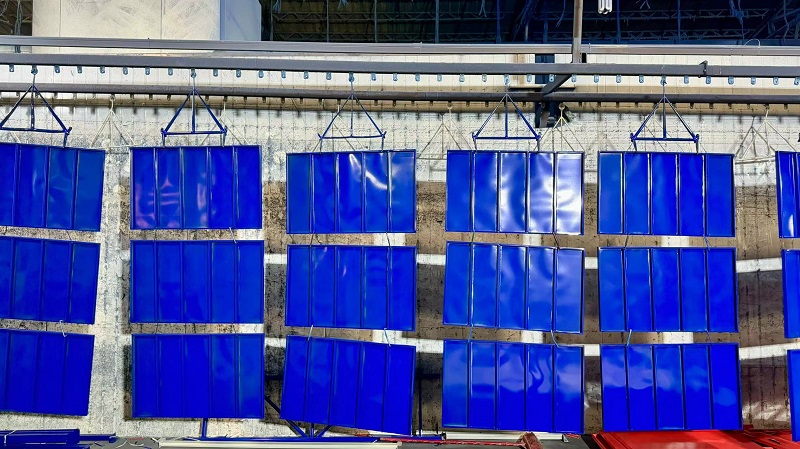
Engineered variants adapted to specific industry environments across the Greater Toronto Area.
Engineered with narrow-aisle access compatibility to handle high-frequency small parcel storage. Fits seamlessly into modern robotic or manual pick routing setups throughout Peel Region.
Constructed with optional galvanized corrosion protection to withstand extreme temperature fluctuations and prevent moisture pooling in cold-chain logistics operations.
Rigid structural profiles engineered to withstand heavy, point-load machinery parts, reducing horizontal beam deflection below structural thresholds.
Explore our certified range of cantilever designs, structural mezzanine systems, and high-load selective platforms.
Key engineering metrics to consider when deploying medium-duty systems within industrial layouts.
The vertical upright columns of the 200KG systems feature a dynamic C-shaped or Omega-shaped roll-formed cross-section. The design incorporates deep structural return flanges, which elevate the system’s resistance to torsional buckling.
We utilize cold-rolled step beams or P-type tube beams to prevent structural rotation under load. Our beams hook into uprights using multi-claw connector pins, secured with an auto-locking safety clip to prevent accidental displacement by forklifts.
Get answers to critical logistical, structural, compliance, and custom engineering questions.
Get a comprehensive engineering assessment, site layout design, and quotation. Speak with our technical sales engineers today.
 Kimsuk Storage