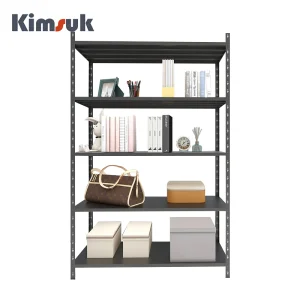
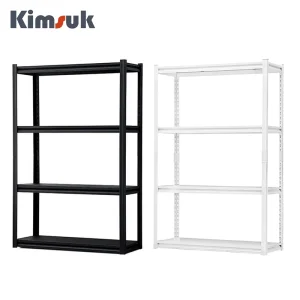
Engineered for high-density storage demands in Cairo, Alexandria, and Suez Canal industrial economic zones.
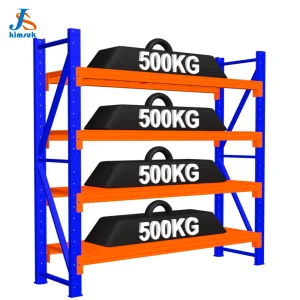
Egypt is currently undergoing a massive economic transformation under its comprehensive Vision 2030 framework. As the primary gateway connecting Europe, Asia, and Africa, Egypt is leveraging its geographical location to emerge as a global logistics powerhouse. The Suez Canal Economic Zone (SCZONE), along with industrial hubs in the 10th of Ramadan City, 6th of October City, and Sadat City, are experiencing unprecedented expansions. This growth has created a high-velocity demand for standardized, heavy-duty warehouse storage solutions capable of handling consistent loads, particularly the critical 500KG per level payload limit.
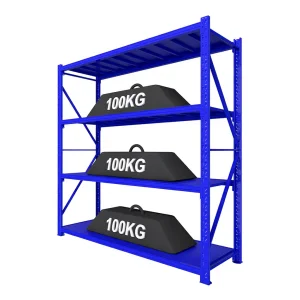
Medium-to-heavy-duty shelving (ranging from 100kg up to 500kg per shelf level) represents the functional backbone of Egyptian automotive parts warehouses, pharmaceutical cold chain facilities, agricultural hubs in the Nile Delta, and expanding e-commerce fulfillment centers serving Cairo and Giza. A load capacity of 500kg per level is the optimal design point for storing medium-density goods without incurring the excessive capital expenses of structural heavy-duty pallet racking systems. It permits high versatility, manual handling integration, and modular adjustment configurations that are crucial for fast-evolving supply chains.
In response to these localized demands, leading global factories have developed customized, heavy-duty storage configurations that align with Egyptian warehouse safety guidelines, high thermal ranges, and variable humidity requirements. For Egyptian procurement managers, purchasing directly from qualified manufacturers ensures that international standards (such as EN 15512 and FEM regulations) are met, securing structural integrity over decades of operational service.
Understanding the engineering principles behind a true 500KG load-rated shelving system is essential for maintaining safety in high-turnover logistics environments. A rack's load rating is not merely a static weight calculation; it is a complex formulation of material science, geometrical beam design, connection lock reliability, and seismic resilience.
High-quality manufacturers utilize cold-rolled steel conforming to Q235B or Q345B grades. Post-cold-forming, the steel undergoes strict checks to ensure uniform wall thickness. Uprights for 500kg systems require a minimum steel thickness of 1.5mm to 2.0mm, configured in a multi-bend profile to optimize the section modulus. This structure resists bending and buckling under localized dynamic loads during replenishment cycles.
The climate in Egypt, especially near major ports like Alexandria, Port Said, and Damietta, exposes structural warehouse steel to corrosive salt air and high temperatures. To prevent oxidation, the steel components undergo a multi-stage pretreatment process (acid pickling, phosphating, and pure water rinsing) followed by an electrostatic thermosetting epoxy powder coating. This results in a durable, scratch-resistant surface with a thickness of ≥60μm, preventing rust and chemical degradation.
Every racking system we design and manufacture adheres to the strict guidelines of the Federation Europeenne de la Manutention (FEM) 10.2.02 and EN 15512. These calculations verify that under a maximum uniform load of 500KG per shelf, the deflection limit does not exceed L/200 (where L is the span of the beam). This engineering precision avoids critical failure points and prevents physical deformation over years of continuous load cycles.
Established in 2016, Shenzhen Kimsuk Storage Equipment Manufacturing Co., Ltd. specializes in the design, manufacturing, and global supply of high-grade warehouse storage equipment. Operating an advanced 18,500㎡ factory, we design and produce professional storage systems tailored for warehouses, distribution centers, and manufacturing plants globally. With over 14 years of design and production expertise, and an annual export revenue reaching $12 million, we possess the scale, technology, and engineering precision to meet the exact requirements of the Egyptian industrial sector.
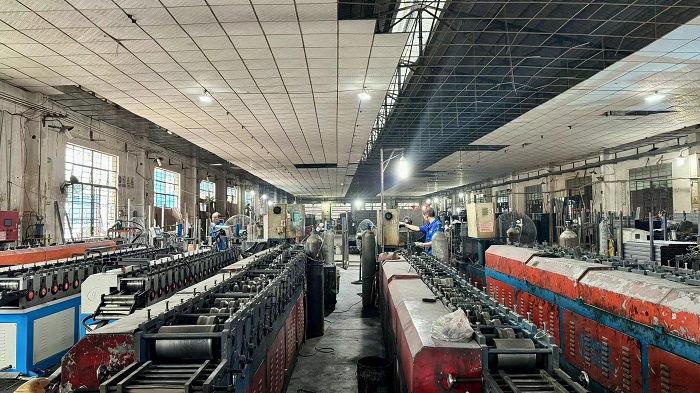
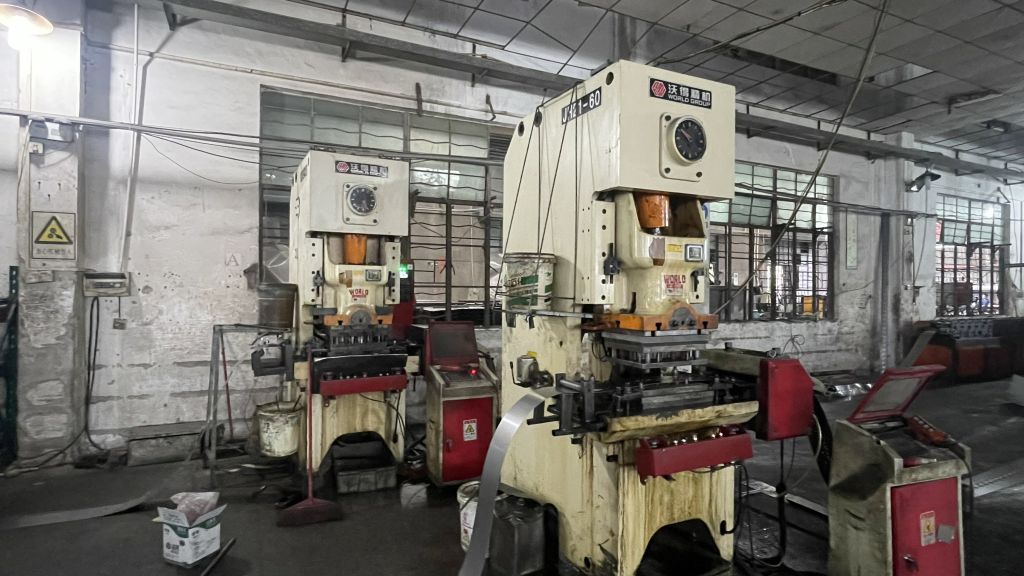
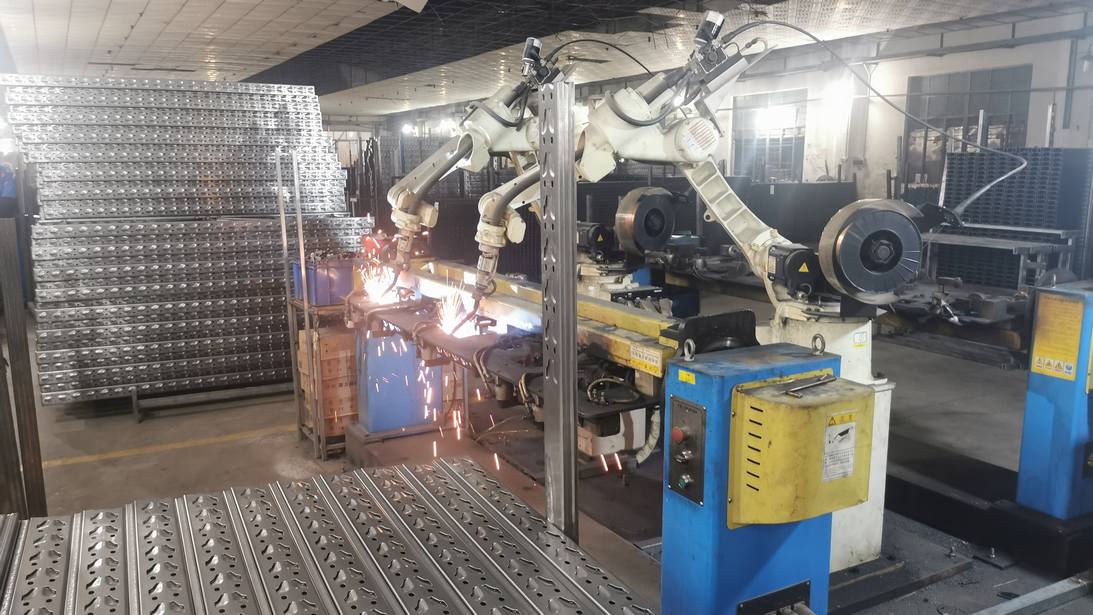
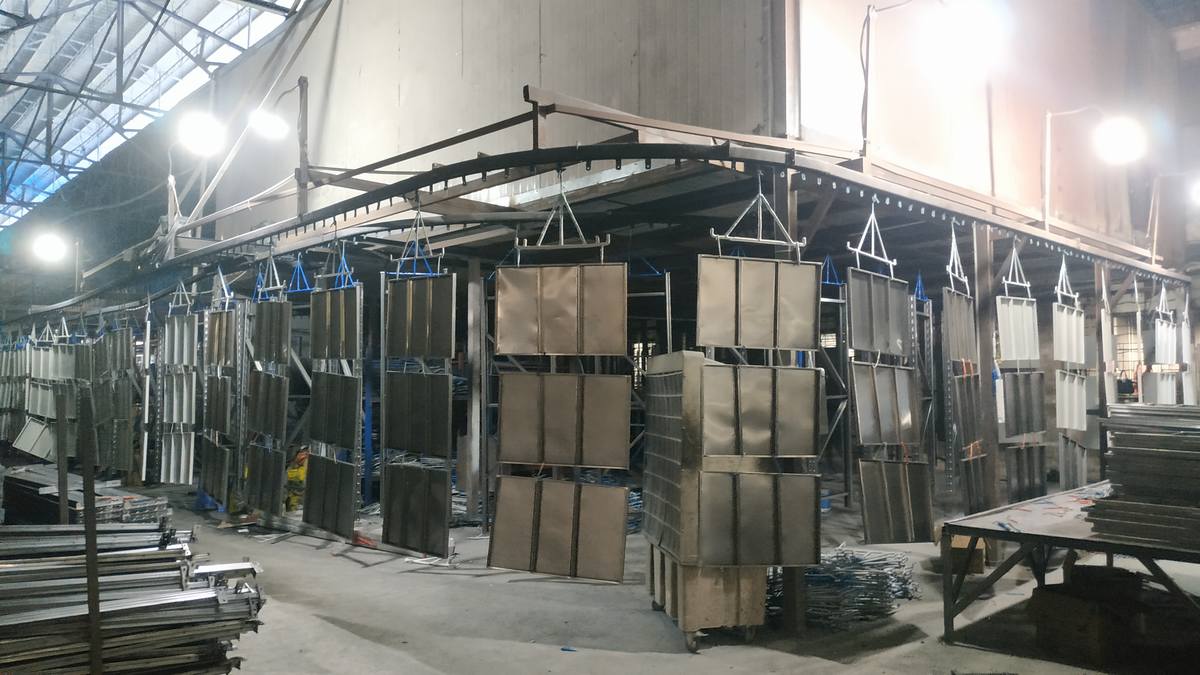
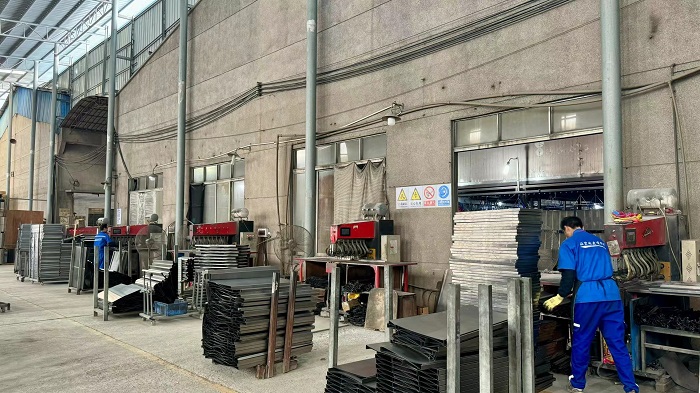
Our comprehensive production process integrates advanced robotics and rigorous QA protocols. We maintain an in-house quality control team of 45 experienced inspectors who oversee every step of production. Our quality checks cover raw material selection, structural dimensional accuracy, welding integrity, load capacity validation, and coating durability. We utilize state-of-the-art diagnostic equipment including laser measurement devices, coating thickness gauges, and heavy-duty load testing platforms.
From high-grade raw steel plates to the final packaged pallets ready for shipment to the port of Alexandria, every step of our manufacturing workflow is precision-managed:
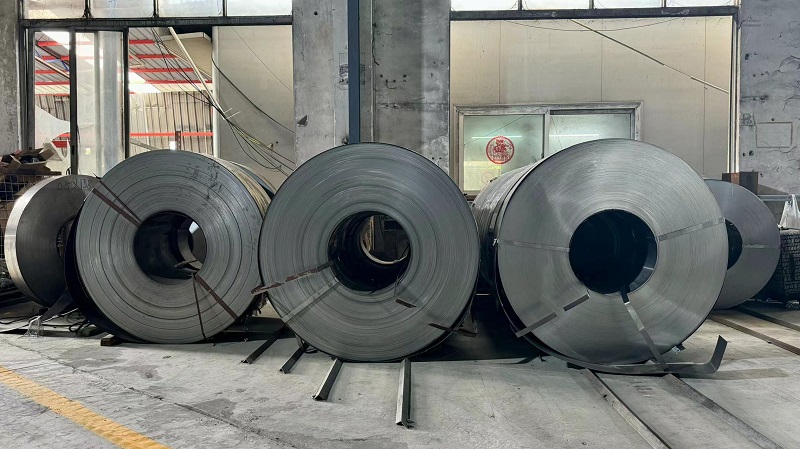
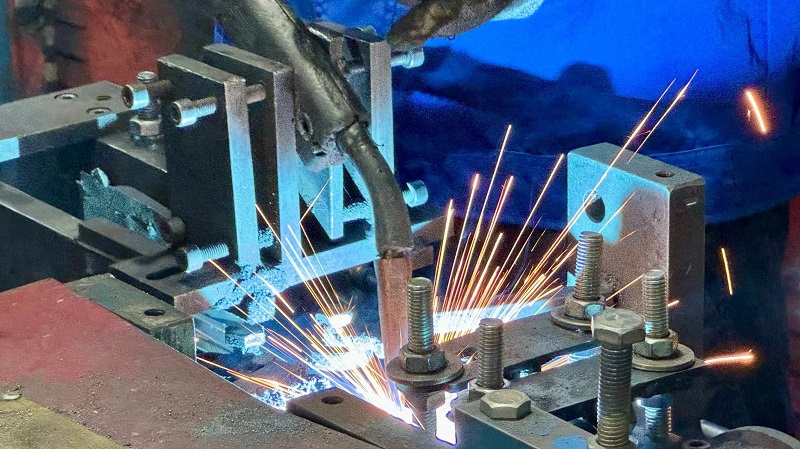
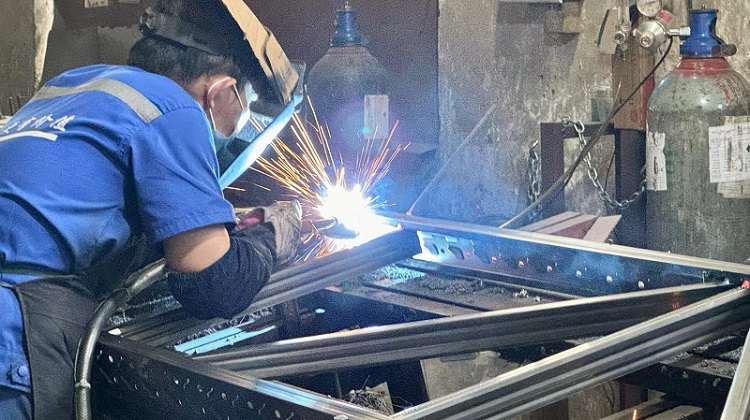
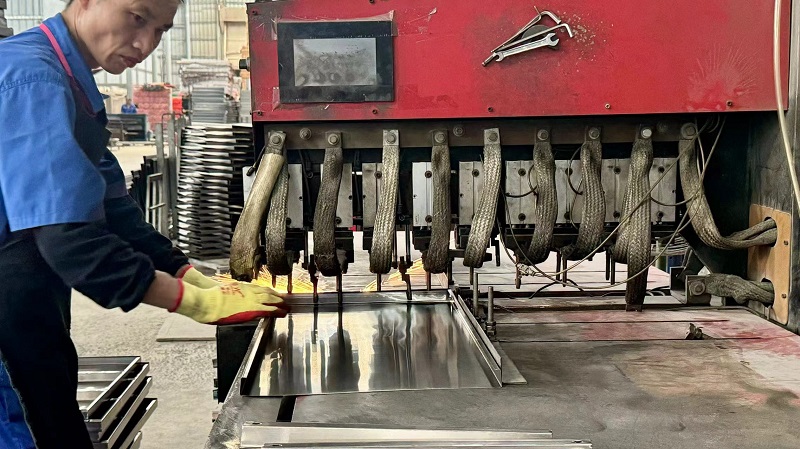
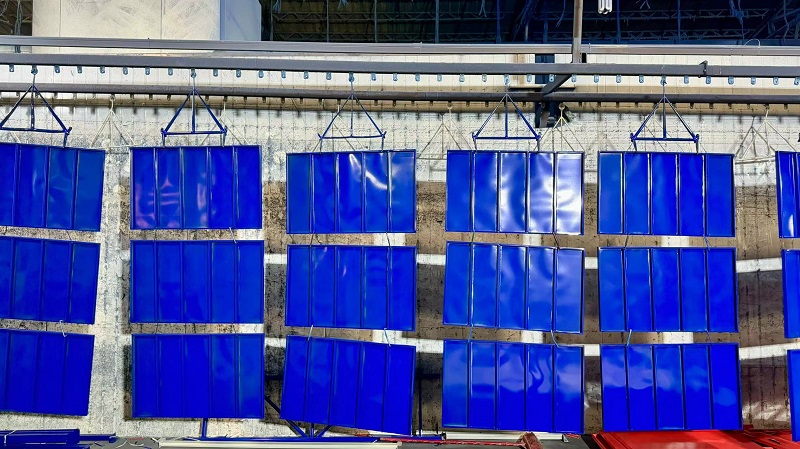
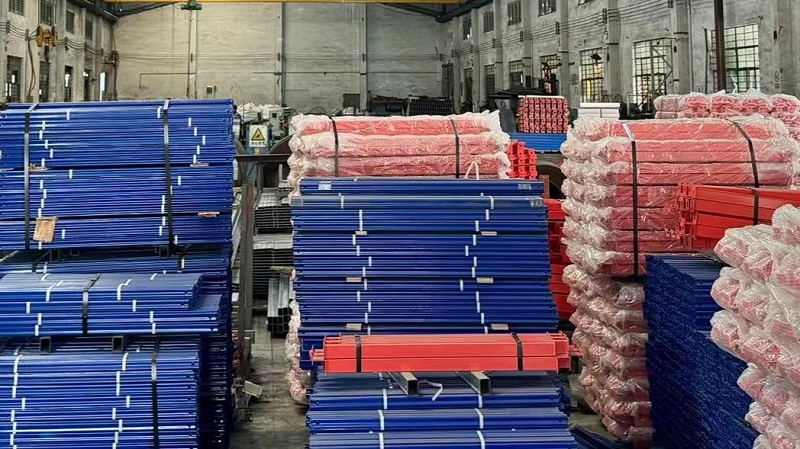
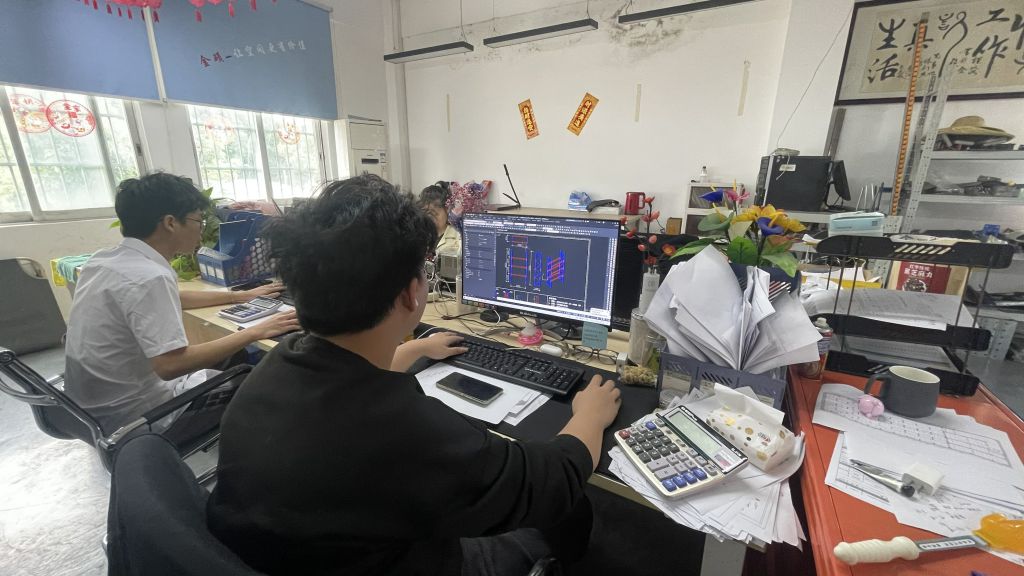
Our facility houses heavy-duty machinery configured to execute highly automated steel production runs with minimal tolerance deviations:
For Egyptian companies, importing industrial hardware requires adherence to strict customs frameworks. Under the Egyptian Customs Authority's unified single-window platform (Nafeza), all ocean freight shipments must register under the Advanced Cargo Information (ACID) system. Importing steel racking systems from non-compliant suppliers can lead to customs holds at ports such as Alexandria or Sokhna.
Shenzhen Kimsuk offers full compliance support to streamline your import process:
We supply verified CAD blueprints, structural calculations, and conformity certificates to ensure a smooth import process.
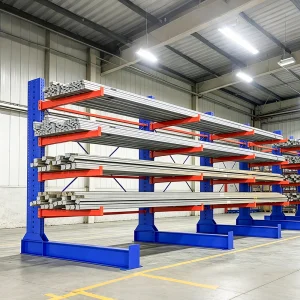
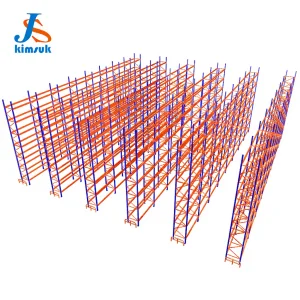
Request Custom Engineering FilesSelect from our range of structural racking systems, custom-engineered for heavy payloads and space optimization.



Detailed technical advice on sourcing, design compliance, and logistical arrangements for importing racking systems into Egypt.
 Kimsuk Storage