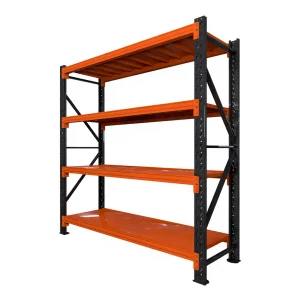
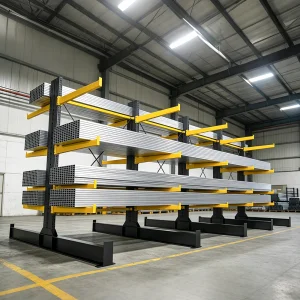
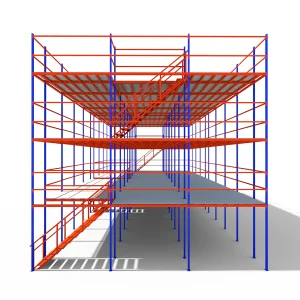
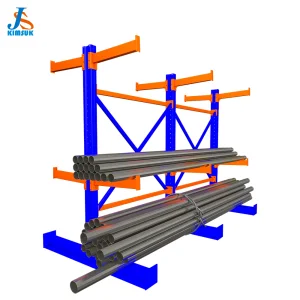
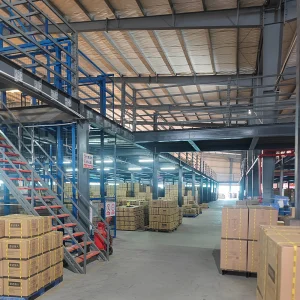
Explore our foundational range of heavy-duty, adjustable storage structures engineered for industrial warehouses, distribution centers, and high-capacity manufacturing facilities.
A comprehensive overview of structural storage dynamics, supply chain fluctuations, and space optimization demands.
In the era of hyper-optimized supply chains and rapid e-commerce expansion, warehouse footprint utilization has evolved from a basic operational metric to a core competitive differentiator. Global commercial and industrial spaces face escalating real estate costs, making 3D volume optimization mandatory. Dynamic, adjustable shelving represents the backbone of this spatial transformation. Unlike fixed shelving installations, modular and adjustable racking frameworks allow logistics operators to recalibrate storage densities dynamically in response to varying product profiles, pallet profiles, and seasonal inventory swings.
From heavy manufacturing facilities in North America holding raw steel billets to high-velocity fulfillment centers in Western Europe handling multi-category SKUs, the demands placed on adjustable systems are rigorous. Racking structures must tolerate extreme static loads, dynamic forklift impacts, and potential seismic activities, all while maintaining absolute safety thresholds in alignment with standards like the Rack Manufacturers Institute (RMI) guidelines in the US and EN 15512 specifications in Europe.
Different industries require diverse configurations of adjustable systems. Heavy industry demands multi-ton load capabilities with cold-formed, roll-formed, or structural steel profiles. E-commerce requires narrow-aisle layout options, integrated mezzanine platforms, and ergonomic shelf levels suitable for manual picking. Meanwhile, chemical and pharmaceutical companies demand highly durable powder-coated or hot-dip galvanized steel surfaces resistant to corrosion, moisture, and chemical exposure. Selecting the appropriate structural grade (e.g., Q235B or Q345B steel) and connection mechanism (such as teardrop slot locks, safety pins, or beam end connectors) determines the operational longevity of the storage infrastructure.
Unrivaled vertical integration, raw material access, and advanced automated engineering capabilities.
The pre-eminence of China-based manufacturers in the global adjustable shelving sector is grounded in raw material access and metallurgical clustering. Chinese manufacturers operate in close proximity to major domestic steel plants, ensuring a continuous supply of certified, structural-grade carbon steel. By minimizing raw material freight distances, production centers can insulate global buyers from the commodity price spikes observed in other manufacturing markets.
Industrial shelving requires absolute dimensional consistency. Column uprights must be punched with precise pitches (typically 50mm, 75mm, or 2 inches) to guarantee that beam adjustment intervals remain uniform over height ranges exceeding 10 meters. Chinese factories utilize multi-stage progressive dies and automated stamping lines to eliminate human error. Upright roll-forming lines operate continuously, converting coil sheet steel into complex, cold-formed open-back profiles with multiple structural folds. These folds increase structural stiffness without adding dead load, maximizing the strength-to-weight ratio.
To ensure durability in high-humidity or sub-zero environments, Chinese manufacturers utilize automated electrostatic powder-coating lines. This process involves a multi-stage pre-treatment wash, including acidic de-greasing, rust removal, and zinc-phosphating. The dry polyester powder is electrostatically applied and cured in bake ovens at temperatures of 180°C to 200°C. This forms a cross-linked polymer coating that resists impacts, scratches, and chemical erosion, outperforming traditional wet paints.
A trusted global supplier of engineered warehouse storage and industrial heavy-duty racking systems.
Established in 2016, Shenzhen Kimsuk Storage Equipment Manufacturing Co., Ltd. specializes in the design, manufacturing, and global supply of high-quality warehouse storage equipment. With an expansive factory area of 18,500㎡, Kimsuk provides professional storage solutions for warehouses, factories, logistics hubs, and complex industrial applications worldwide. Leveraging over 14 years of industry experience and 8 years of direct export experience, Kimsuk has achieved an annual export revenue of approximately $12 million.
The company’s product portfolio includes heavy-duty pallet racks, cantilever racking systems, mezzanine floors, adjustable shelving, and customized structural storage configurations. Our core competency lies in delivering high-capacity storage designs tailored to the specific spatial layouts and load expectations of our global clientele.
Our quality assurance system is staffed by a dedicated team of 45 experienced inspectors who check every production lot using precision equipment, including laser measurement tools, load testing machines, coating thickness gauges, and structural calipers. Backed by 18 R&D engineers, we released over 120 new products last year to support the evolving demands of our logistics and e-commerce partners.
A visual walk-through of our industrial workflow, from raw metal preparation to finished component packaging.
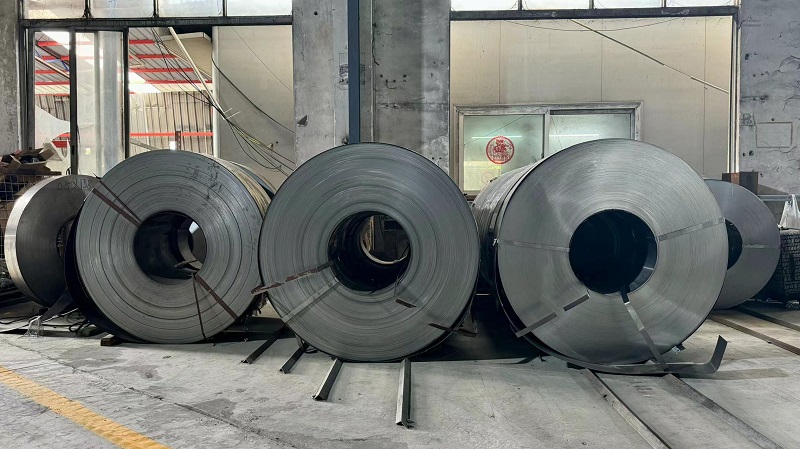
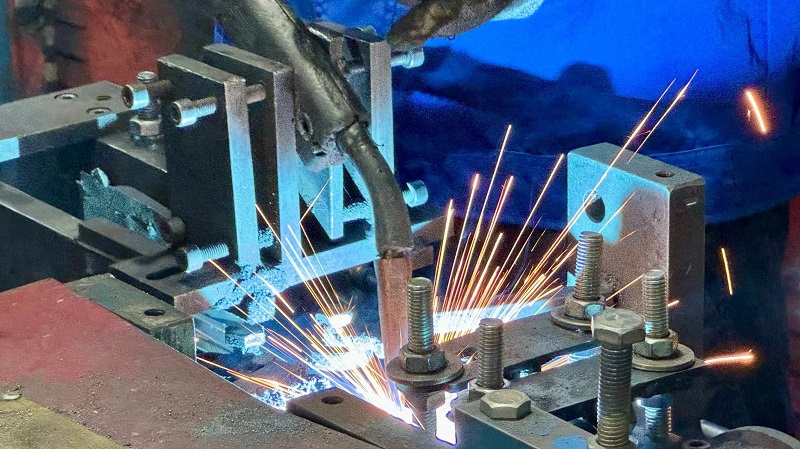
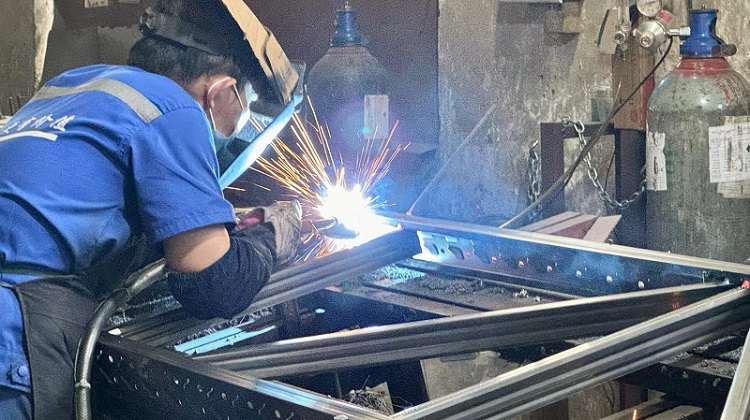
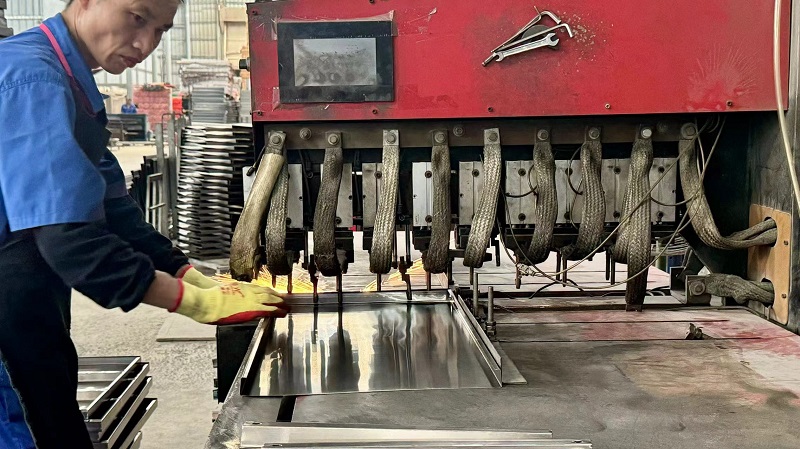
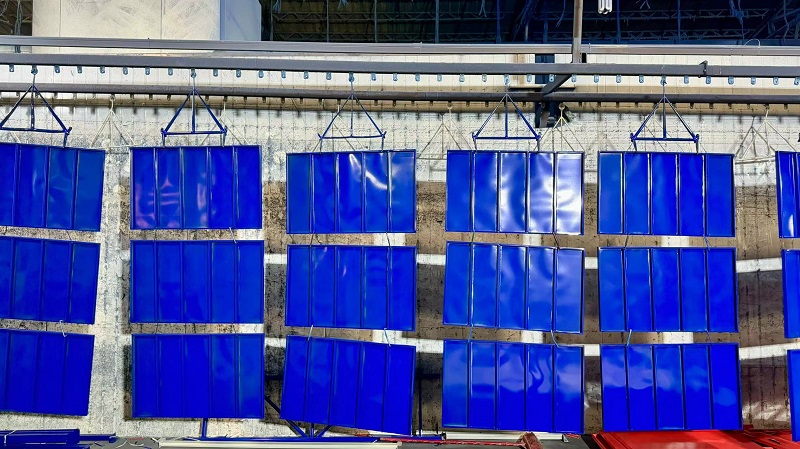
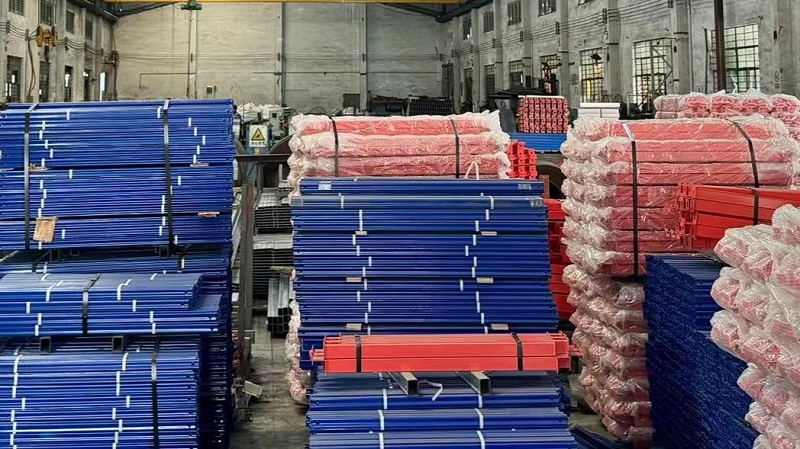
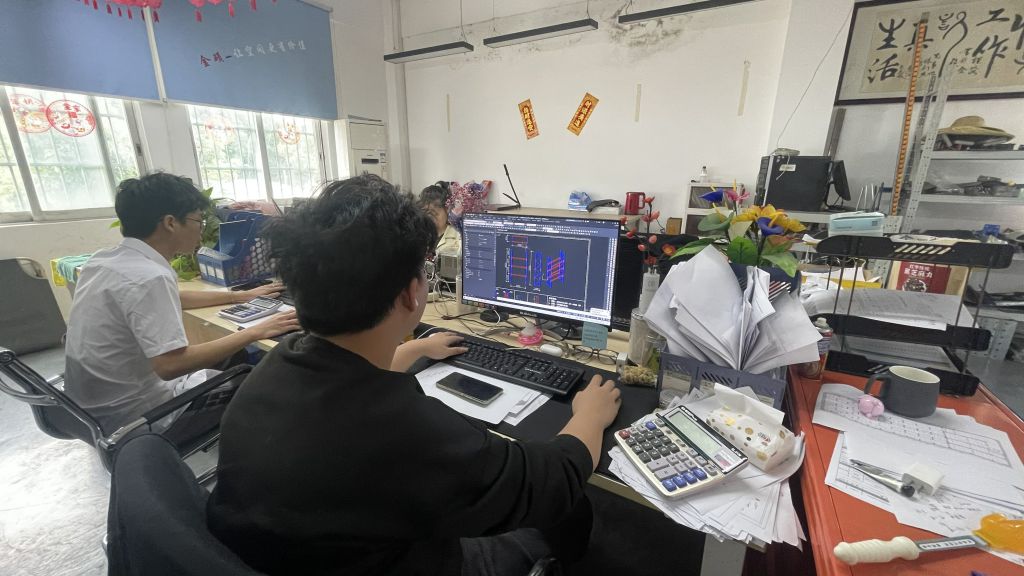
A look at the specialized equipment driving Kimsuk's daily manufacturing efficiency.
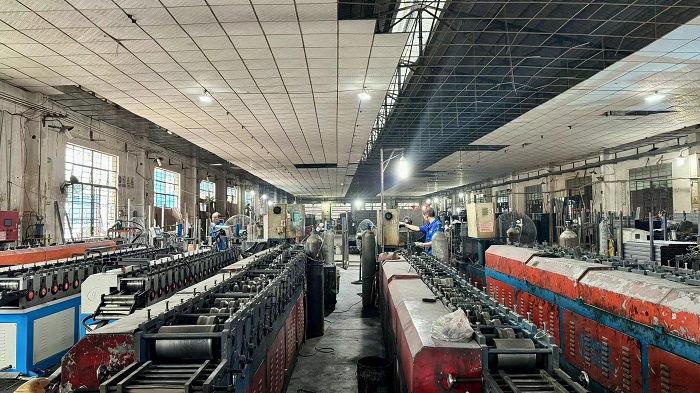
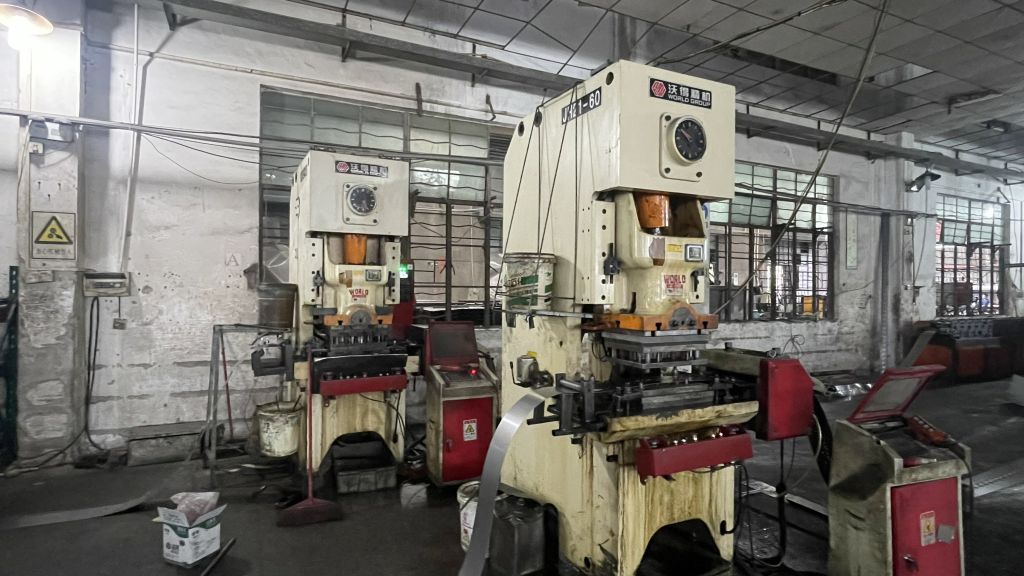
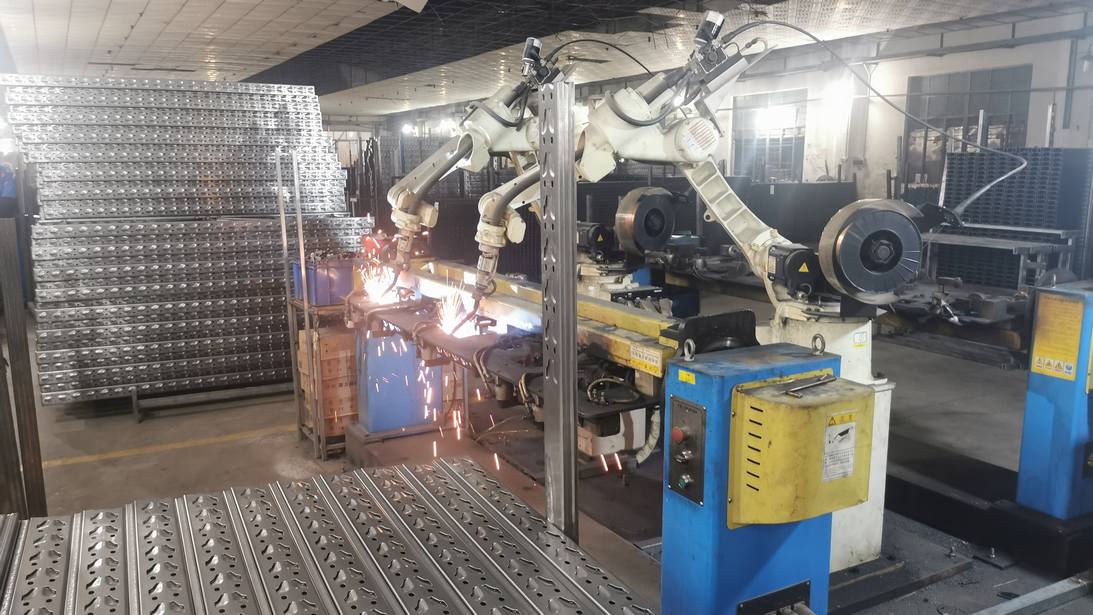
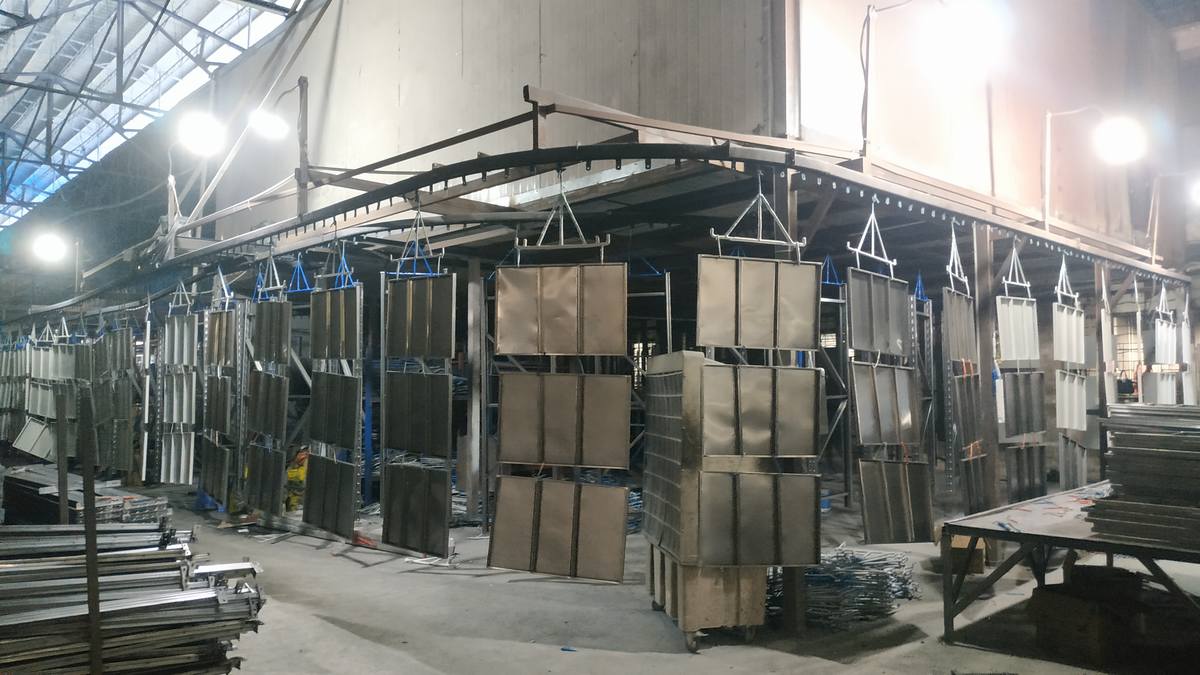
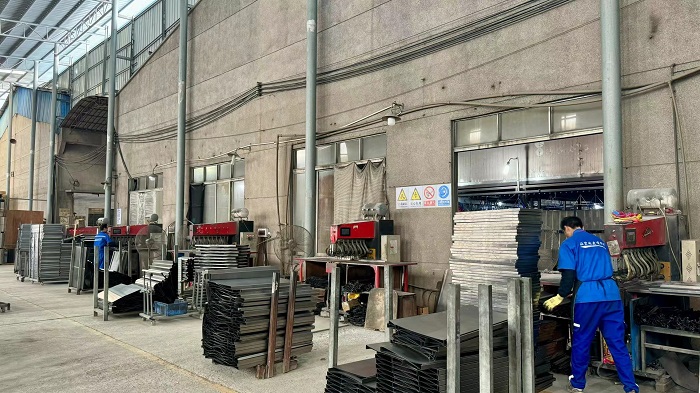
Tailored shelving specifications designed to meet regional storage standards and diverse operational requirements.
In the United States and Canada, rapid-delivery logistics models require high-density storage configurations. Our heavy-duty racking systems are engineered to integrate with selective pallet flow rails and teardrop punching patterns, allowing quick adjustment in 2-inch increments. In cold storage facilities handling perishable goods, we provide hot-dip galvanized and low-temperature powder-coated racks that prevent structural brittleness down to -30°C.
European operations prioritize warehouse verticality and strict safety factors. Kimsuk designs multi-layer steel mezzanine systems and modular shelving units that comply with FEM and EN 15512 structural standards. These configurations maximize safety during manual picking, incorporating integrated steel wire mesh decks, backstop beams, and heavy-duty steel safety gates to protect workers.
With the rapid rise of local e-commerce networks in regions such as Vietnam, Indonesia, and Thailand, warehouses must be constructed and configured within compressed schedules. Our modular, boltless shelving designs enable rapid, solder-free field installations. The customizable load levels handle high-density variations, allowing users to maximize floor space without sacrificing access speed.
The integration of advanced automated racking systems, smart inventory sensors, and green manufacturing materials.
The shift toward full warehouse automation requires structural racking systems to meet much tighter dimensional tolerances. While traditional hand-guided forklift storage can accept slight misalignments, automated crane systems and laser-guided AGVs require beam deflections of less than L/300. As a result, shelving uprights must remain perfectly plumb across their entire height. Chinese factories are adapting to these needs by integrating robotic laser welding and high-precision tooling jigs to manufacture shelves suited for AS/RS deployments.
Global carbon reduction targets are prompting multinational logistics companies to evaluate the environmental footprint of their storage equipment. This is driving a shift toward zero-VOC electrostatic powder coatings and high-strength micro-alloyed steels. These materials allow manufacturers to reduce sheet thickness and weight by 10% to 15% while maintaining the same load capacity, lowering shipping emissions and raw material footprints.
Critical metrics and checkpoints for sourcing industrial shelving from China.
When purchasing heavy-duty steel shelving at wholesale volume, international buyers must look beyond basic unit pricing. To ensure the safety of your personnel and avoid structural failures, incorporate these key performance indicators into your Requests for Quotation (RFQs):
Expert insights on load capacities, engineering specifications, and sourcing parameters.
Discover our range of advanced structural options, including heavy-duty mezzanines, space-saving drawer racks, and custom industrial steel shelving.
 Kimsuk Storage