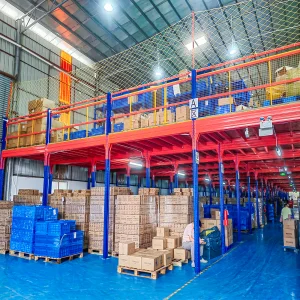
Direct from Kimsuk Storage Manufacturing: High-capacity configurations tailored for industrial environments.




Understanding the systemic shifts toward automated, space-dense, and highly versatile intralogistics ecosystems.
The global warehousing landscape is undergoing a massive spatial compression. Driven by skyrocketing commercial real estate prices, the expansion of e-commerce, and the rapid growth of temperature-controlled cold chains, logistics operators can no longer afford the spatial waste associated with static, wide-aisle storage configurations. This has propelled High-Density Mobile Shelving and Mobile Pallet Racking systems to the forefront of modern material handling strategy.
Historically, mobile shelving was restricted to lightweight office archives and medical record storage. Today, engineering breakthroughs in structural steel metallurgy and computerized control units have successfully scaled mobile shelving technology to support multi-ton heavy industrial applications. By replacing fixed access aisles with a single, dynamically moving aisle, mobile racking systems can reclaim up to 85% of underutilized warehouse floor space or increase storage capacity by nearly 100% within the exact same structural footprint.
In modern industrial facilities, mobile shelving systems are no longer isolated mechanical components. They are fully integrated with Warehouse Management Systems (WMS) and Warehouse Execution Systems (WES). Through Programmable Logic Controllers (PLCs), optical sensor arrays, and RFID tracking, these systems automatically open designated aisles in response to retrieval queues generated by Automated Guided Vehicles (AGVs) or manual forklift operators. This convergence of physical structures with digital orchestration drastically reduces travel times and optimizes cycle efficiencies across the supply chain.
Evaluating critical technical metrics, certifications, and compliance benchmarks for cross-border storage procurement.
Procurement departments and project contractors in Europe, North America, and Australia maintain strict structural performance requirements. Buying mobile shelving and heavy-duty industrial racking systems is not just a commercial transaction; it requires complex civil engineering calculations, compliance verification, and risk management.
Key procurement considerations include:
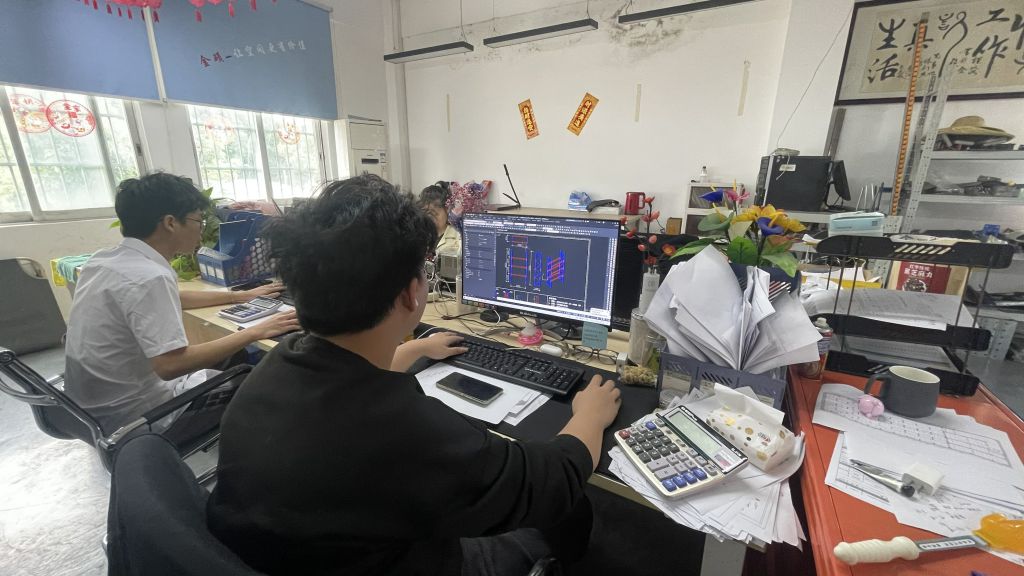
How advanced production automation and geographical logistics advantages translate into structural value for global clients.
Shenzhen, as the manufacturing and hardware tech capital of Southern China, combines rapid design iteration, advanced automation, and seamless access to international shipping routes. China's Industry 4.0 initiative has transformed traditional storage rack fabrication from basic manual welding to fully automated, high-precision roll-forming and robotic welding systems.
This automated ecosystem offers three main structural advantages to global procurement partners:
By using automated, multi-station continuous cold roll-forming mills, China's leading factories maintain tight structural tolerances, keeping profile deviations below 0.5mm. This high level of dimensional accuracy is critical for mobile shelving systems. In these systems, slight deviations in track leveling or upright straightness can increase friction, speed up motor wear, and trigger structural safety sensors during operations.
A trusted global manufacturer supplying advanced storage systems and custom-engineered heavy-duty racking.
Established in 2016, Shenzhen Kimsuk Storage Equipment Manufacturing Co., Ltd. has grown to become a premier designer and global exporter of high-grade warehouse storage solutions. Backed by 14 years of design and manufacturing experience, our team specializes in creating heavy-duty, multi-level pallet racks, mezzanine floors, cantilever systems, and advanced high-density shelving structures.
With an annual export revenue of approximately $12 million and 8 years of direct export experience, we understand the logistical, regulatory, and mechanical challenges of international installations. We serve a diverse range of industries, including third-party logistics providers (3PL), e-commerce fulfillment hubs, heavy industrial manufacturing facilities, automotive parts centers, and retail distributors.
To ensure every structure meets international safety standards, Kimsuk operates a comprehensive quality inspection framework that covers five key stages: raw material validation, welding quality verification, surface treatment thickness testing, dimensional accuracy checks, and final product load testing. Our quality control department is staffed by 45 experienced inspectors who use precision tools, including digital laser meters, ultrasonic weld testers, magnetic coating thickness gauges, and hydraulic load-deflection testing rigs.
To address changing market requirements and space challenges, our R&D team—consisting of 18 professional design engineers—works to improve structural layouts, raw material yield strength ratios, and modular connection brackets. In the past year alone, we launched more than 120 new products and structural improvements, helping clients worldwide maximize storage density and optimize material handling workflows. Our customized services include structural engineering, load calculations, custom profile fabrication, specific powder coat colors, and comprehensive CAD warehouse design layouts.
Step-by-step overview of our automated production line, showing the advanced equipment and machinery used to build every system.
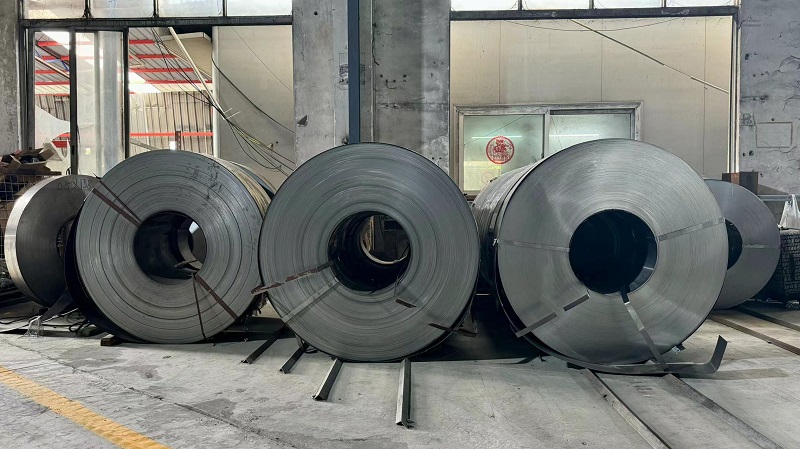
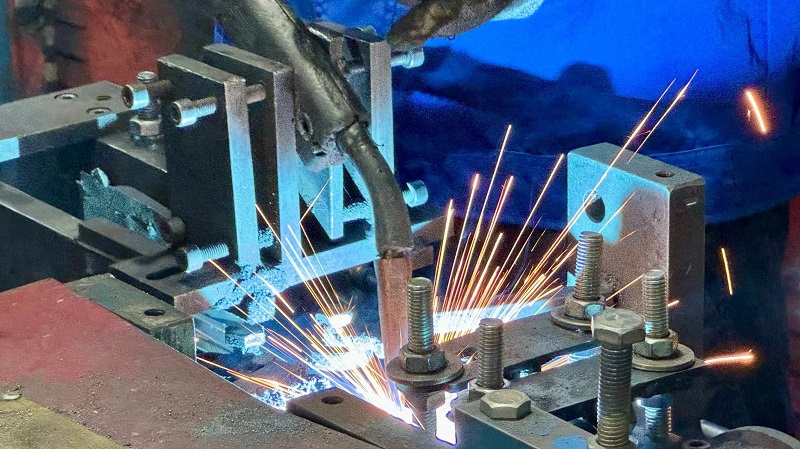
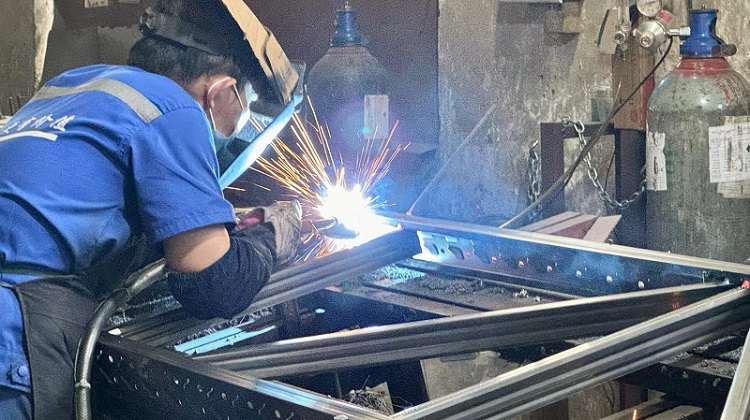
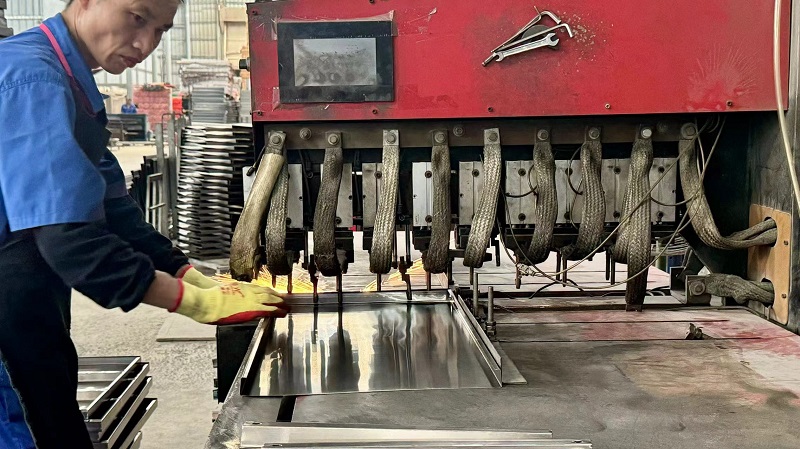
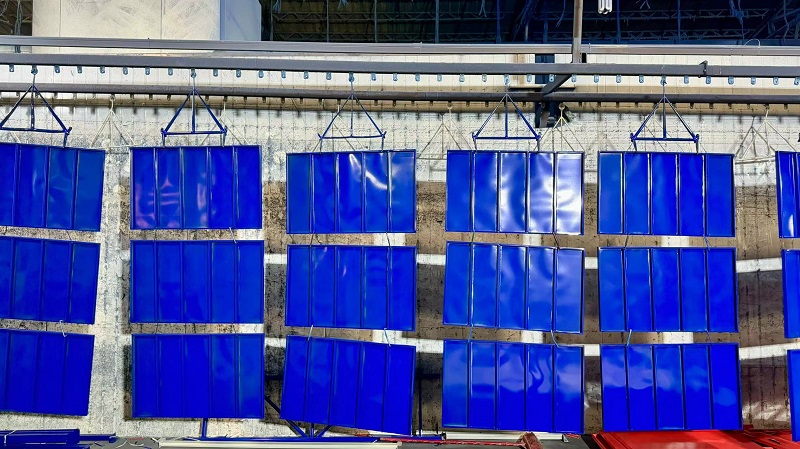
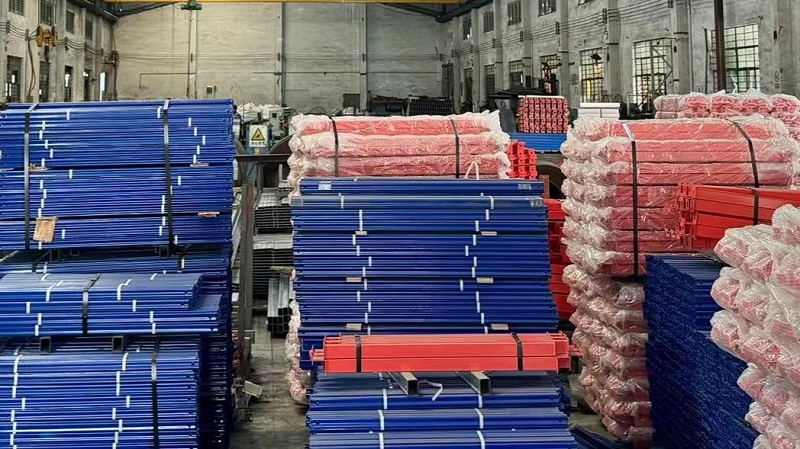
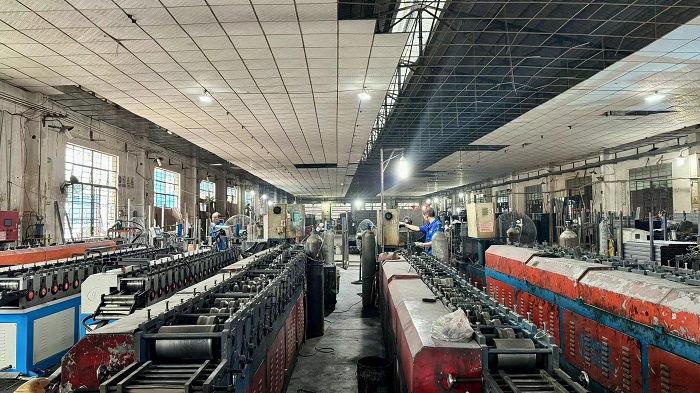
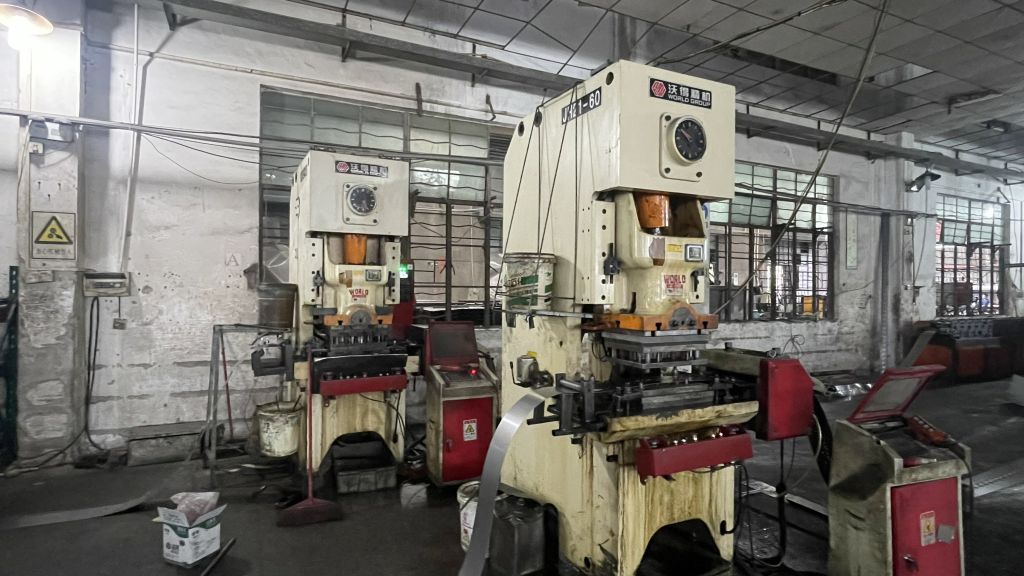
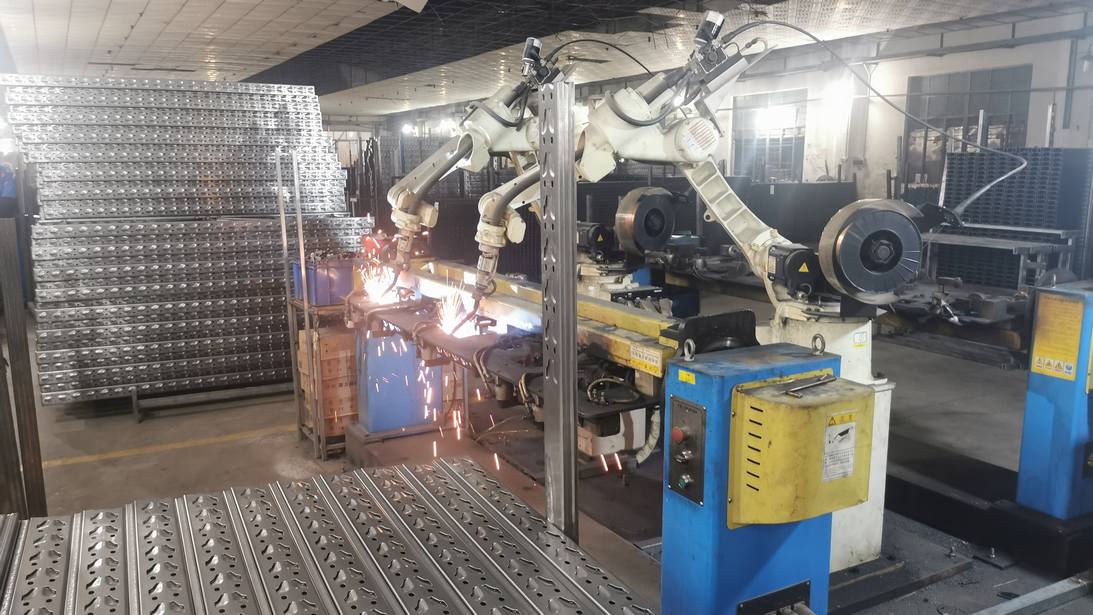
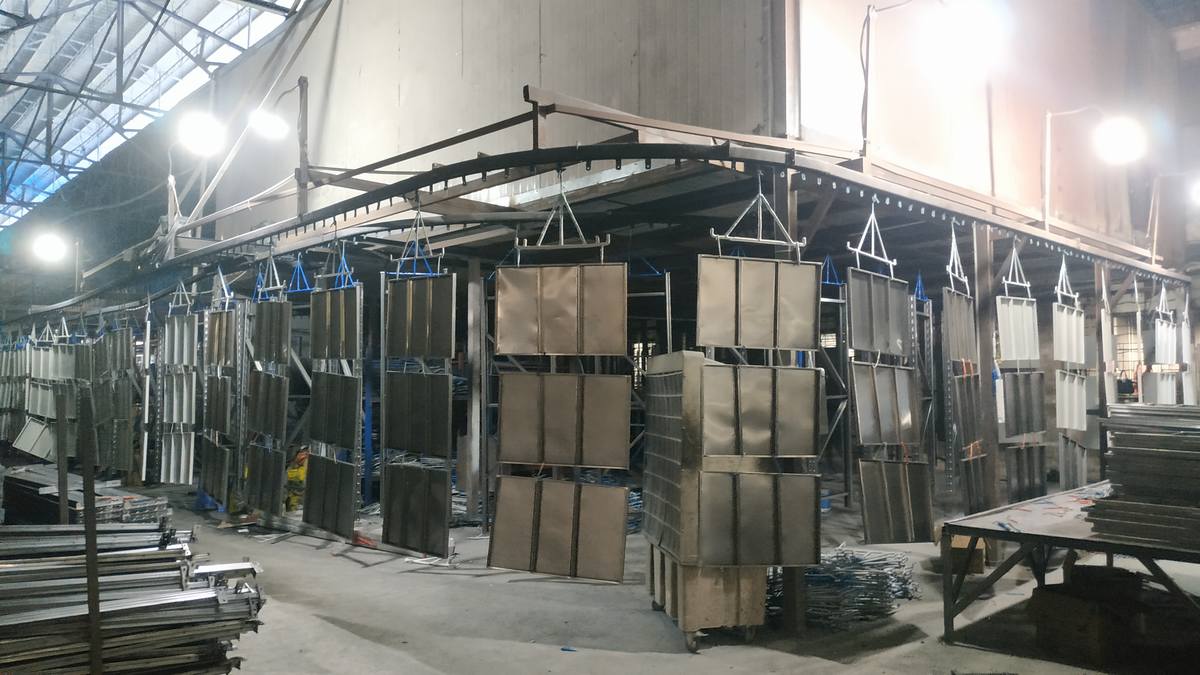
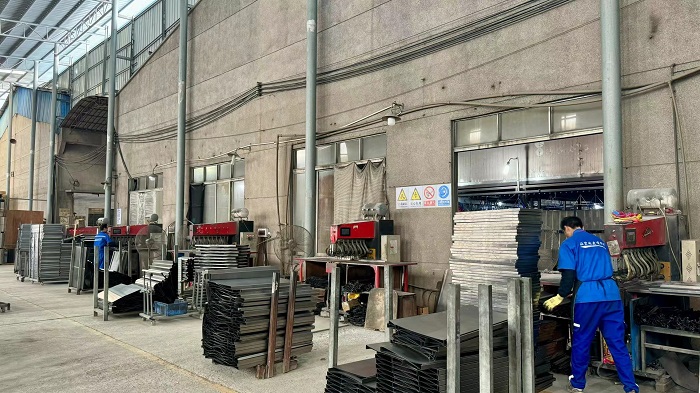
How different industries use mobile shelving and heavy-duty storage configurations to solve their operational challenges.
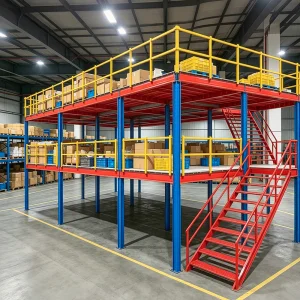
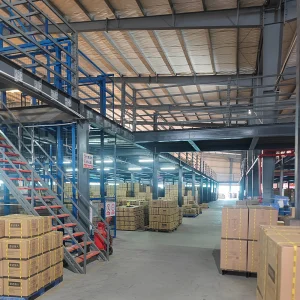
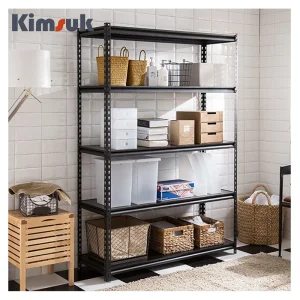
In high-velocity e-commerce environments, space is premium, and pick accuracy is key. By pairing modular steel mezzanine platforms with medium-duty adjustable boltless shelving, e-commerce warehouses can create vertical work zones that separate picking areas from bulk storage. This approach increases storage density and speeds up small-item order fulfillment.
Operating cold storage facilities is expensive because of the constant energy costs of cooling space. Implementing heavy-duty mobile pallet racking systems reduces cooled air volume requirements by minimizing empty space. Keeping racking components condensed reduces thermal loss, yielding significant energy and utility cost savings.
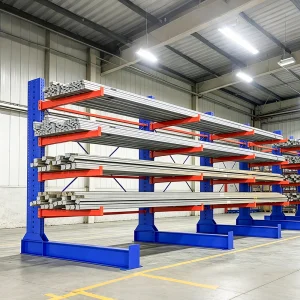
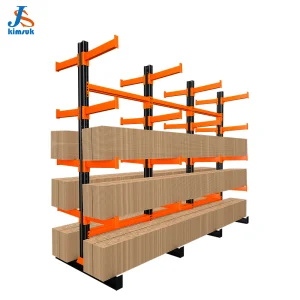
Manufacturing facilities storing raw materials like steel tubes, aluminum extrusions, and heavy sheet metal require strong, high-capacity shelving. Heavy-duty cantilever racks, including telescoping and rollout designs, provide direct crane and forklift access. This improves material handling efficiency and enhances shop floor safety.
Answers to common questions from warehouse managers, safety engineers, and procurement directors.
Explore our wide selection of adjustable, boltless, and cantilever shelving systems designed for flexible operations.



 Kimsuk Storage