



In the era of rapid logistics expansion, global supply chain optimization, and soaring industrial real estate costs, optimizing spatial footprints has migrated from a operational concern to a core boardroom strategy. Motorized mobile storage systems represent the cutting edge of this evolution.
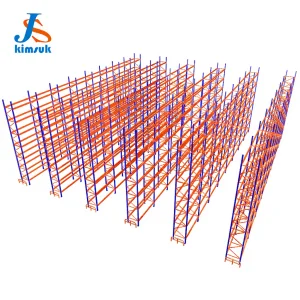
Traditional static racking requires dedicated aisles between every single row, leaving up to 60% of potential storage volumes completely unused as empty operational space. By contrast, a motorized mobile storage system—often referred to as mobile pallet racking—consolidates this structure. By mounting heavy-duty racks onto electronically driven mobile bases that move along floor-embedded tracks, these systems dynamically open a single aisle only when and where it is needed. This structural transformation can increase storage capacity by up to 100% within the same physical footprint, or conversely, slash the required warehouse space by half.
As premier China wholesale motorized mobile storage manufacturers, companies like Shenzhen Kimsuk Storage Equipment Manufacturing Co., Ltd. are bridging the gap between mechanical structural integrity and automated control systems. By designing systems built on heavy-duty structural engineering, powered by high-performance electrical drives, and managed through intelligent programmable logic controllers (PLCs), Chinese manufacturing hubs deliver premium-tier industrial infrastructure to global logistics pipelines. This whitepaper analyzes the manufacturing capabilities, technical integrations, and strategic economic benefits of sourcing motorized mobile storage from China.
Established in 2016, Shenzhen Kimsuk Storage Equipment Manufacturing Co., Ltd. specializes in the design, manufacturing, and global supply of high-quality warehouse storage equipment. With an expansive production facility spanning 18,500 square meters, we deliver robust engineering and manufacturing solutions tailored to the needs of modern logistics centers, manufacturing facilities, and heavy industrial operations worldwide.
Backed by over 14 years of internal industry experience in warehouse racking and structural steel design, and 8 years of dedicated export logistics, Kimsuk generates an annual export revenue of approximately $12 million. Our diversified portfolio spans pallet racks, heavy-duty shelving, cantilever racks, steel mezzanine structures, and bespoke motorized mobile racking systems engineered for high-density environments.
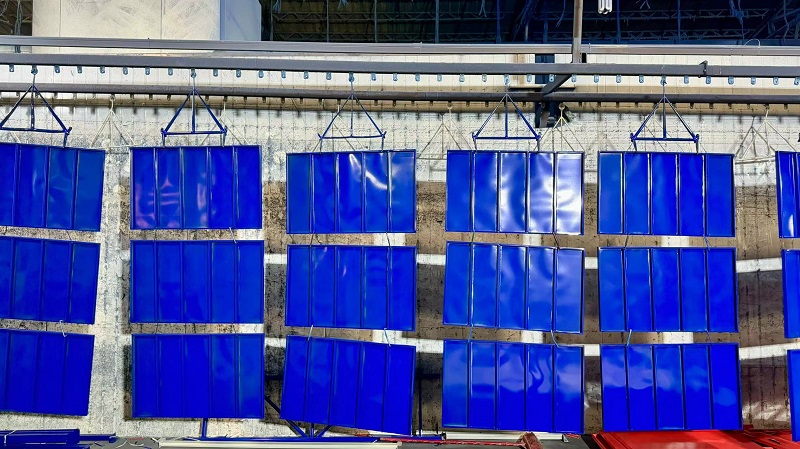
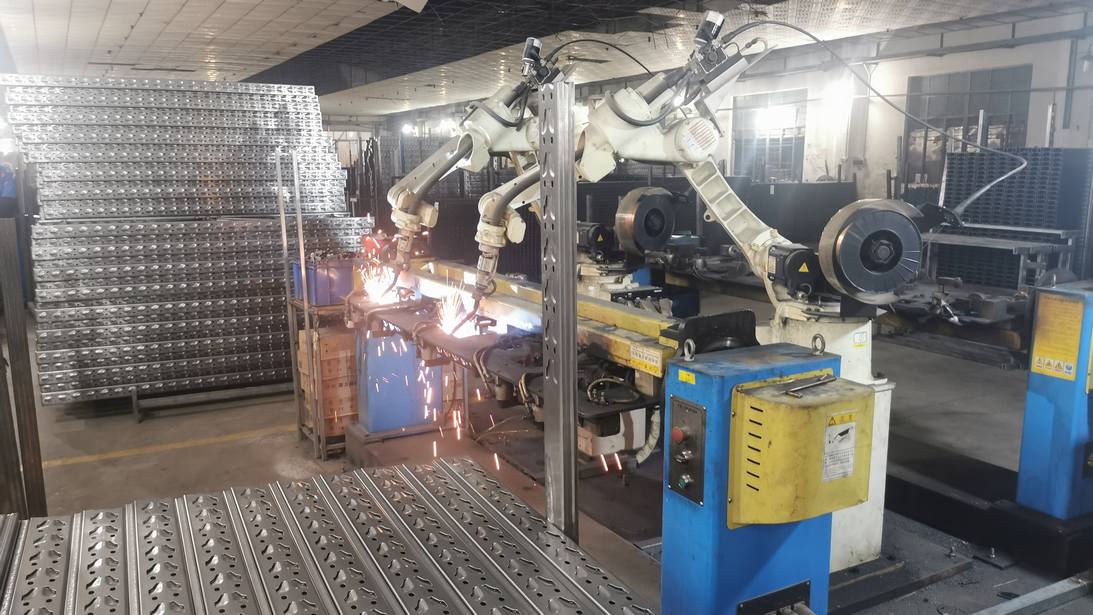
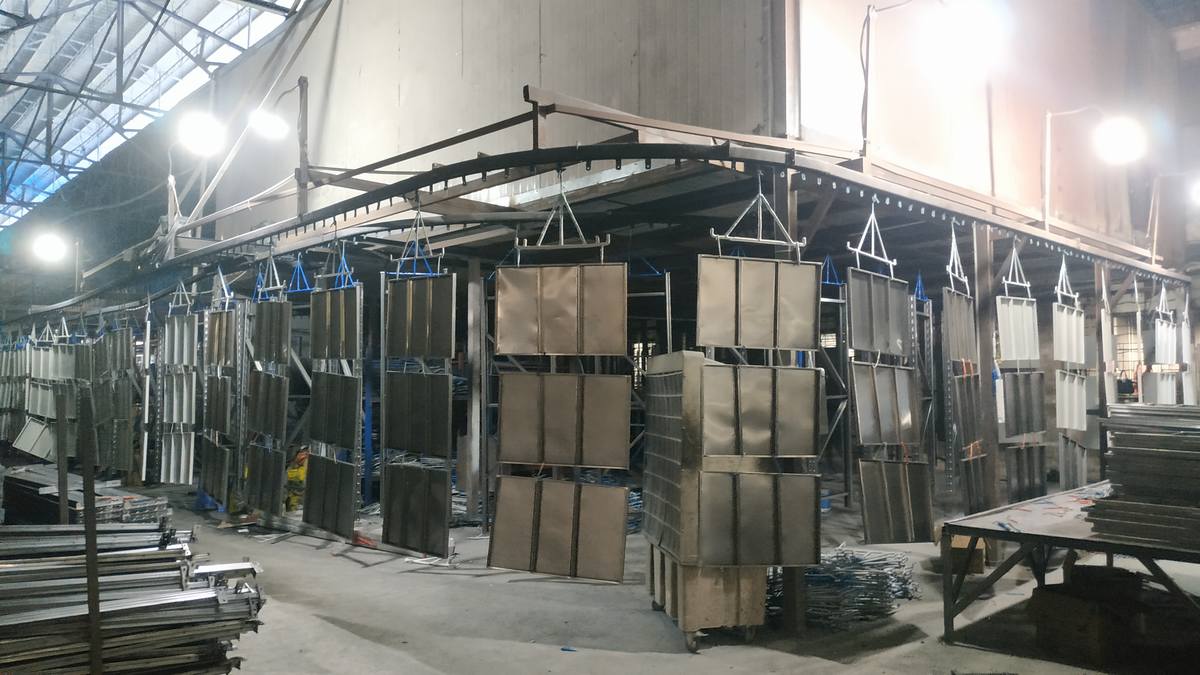
We execute strict quality control procedures at every step of our manufacturing cycle. Our systematic quality inspection framework covers raw material metallurgy analysis, structural welding precision, automated electrostatic powder coating thickness, dimensional accuracy testing, structural load deflection modeling, and end-to-end performance runs of moving parts. Utilizing high-precision laser measurement tools, dynamic load testers, and advanced coating thickness gauges, our team of 45 dedicated QC inspectors guarantees that every structure complies with international safety regulations and high-stress durability profiles.
Factory Footprint
Industry Expertise
QC Specialists
Supply Chain Partners
China's manufacturing ecosystem combines advanced metallurgy, robotic manufacturing, rapid prototyping, and software integration to deliver unbeatable advantages in high-density storage manufacturing.
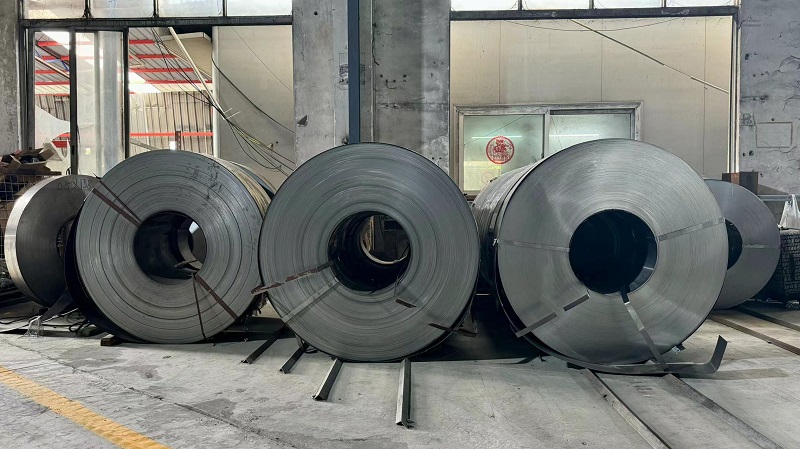
Chinese manufacturers benefit from direct access to domestic raw steel production. Heavy-duty structures utilize premium Q235B and Q355B structural steel, optimizing structural tensile strength and load-bearing performance. Close coordination with raw steel suppliers keeps material costs stable and allows for rapid volume scaling.
Motorized mobile storage relies heavily on mechanical reliability and precise automation. China's mature industrial IoT, motor, and controller sectors provide Chinese factories with direct access to high-performance, CE-certified variable-frequency motor drives, programmable logic controllers (PLCs), and safety sensor arrays.
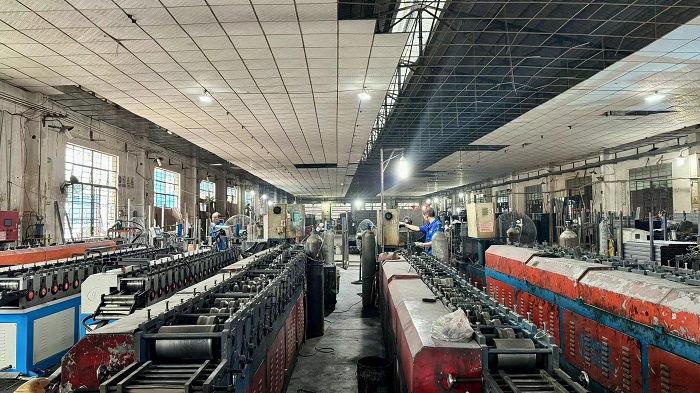
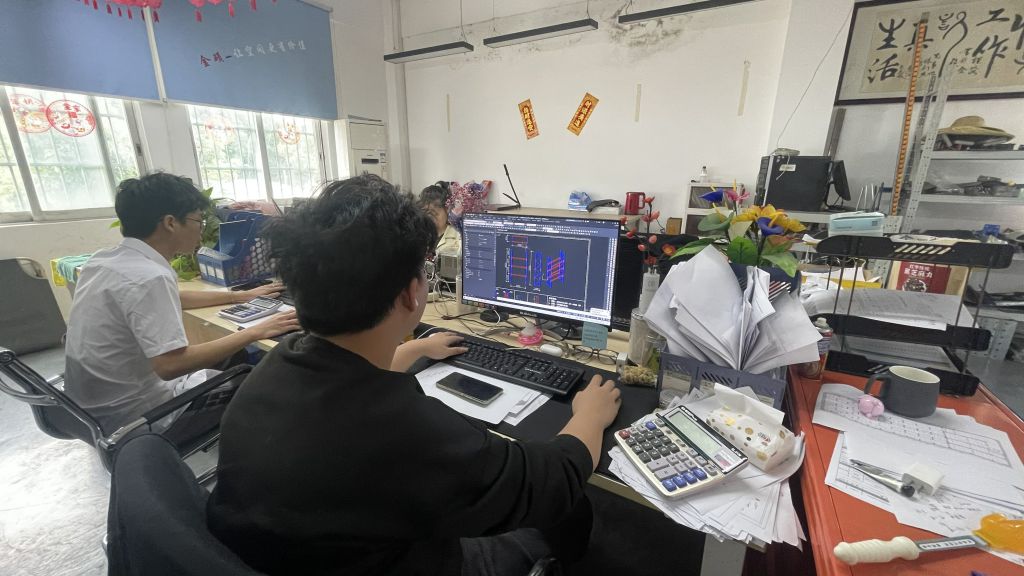
Leveraging vast manufacturing floor spaces, Chinese producers can easily run high-volume output while simultaneously offering customized system engineering. From bespoke rail dimensions and seismic engineering options to specialized cold-chain powder formulations, systems are built to meet European (EN) and American (RMI) regulatory standards.
Motorized mobile storage isn't just about steel; it is a complex, synchronized mechatronic system. High-performance design requires addressing critical engineering parameters:
Each mobile rack cluster is linked to a centralized PLC control system. Operators interact via an HMI (Human-Machine Interface) touch panel or through RF-linked warehouse management systems (WMS). Features like soft-start and soft-stop acceleration controls prevent sudden movements that could destabilize pallets, ensuring smooth, controlled transit along floor guides.
Safety is critical in automated heavy racking. Our motorized mobile configurations feature multi-layered safety mechanisms:
• Photoelectric Light Barriers: Positioned at the entry of active corridors, instantly halting movement if a forklift or worker enters the zone.
• Mechanical Emergency Bumpers: Located at the base of the mobile carriages, stopping motion upon physical contact.
• Manual Emergency Push-buttons: Affixed to every rack face for direct human intervention.
Furthermore, floor rail installation requires precision engineering. Rails must be embedded and leveled to tolerances within fractions of a millimeter per meter to prevent structural stress and premature wear on drive wheels. Properly designed structural bases distribute static loads of up to 24 tons per bay and dynamic horizontal loads during motion, guaranteeing decades of reliable service.
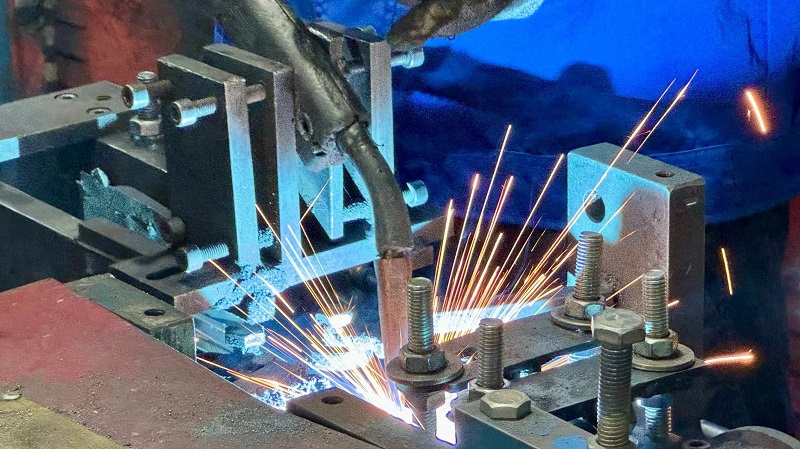
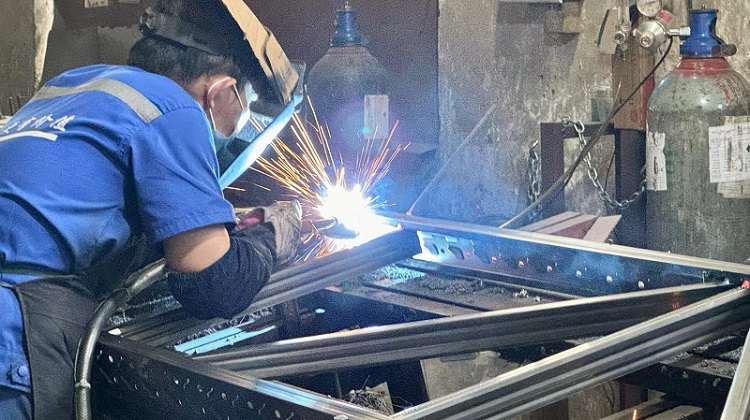
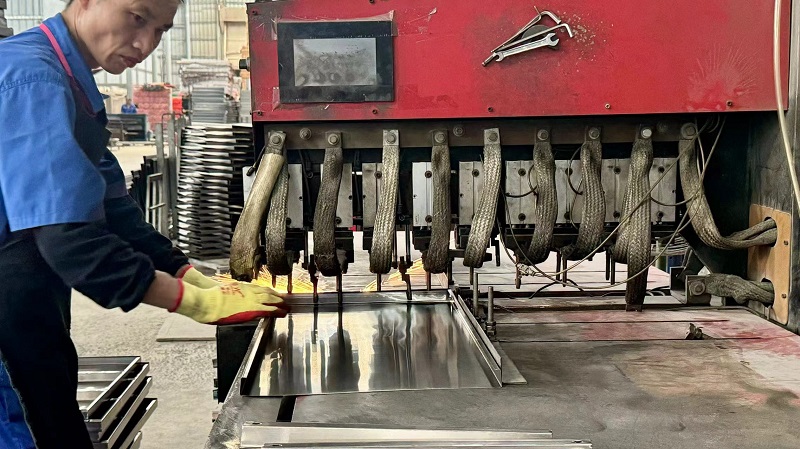
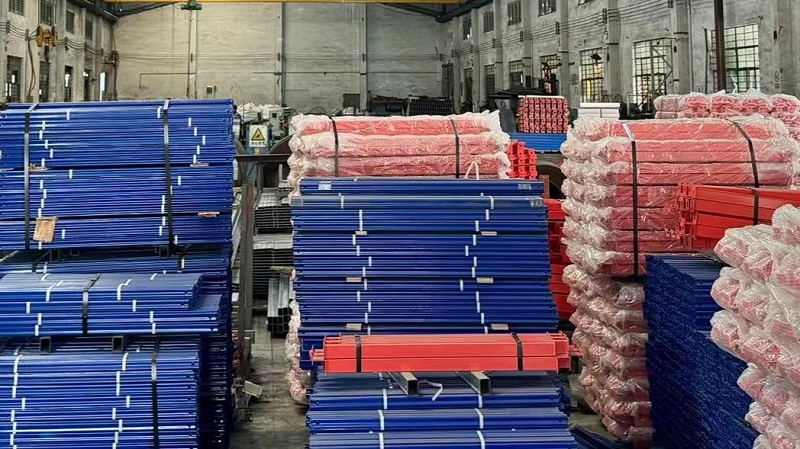
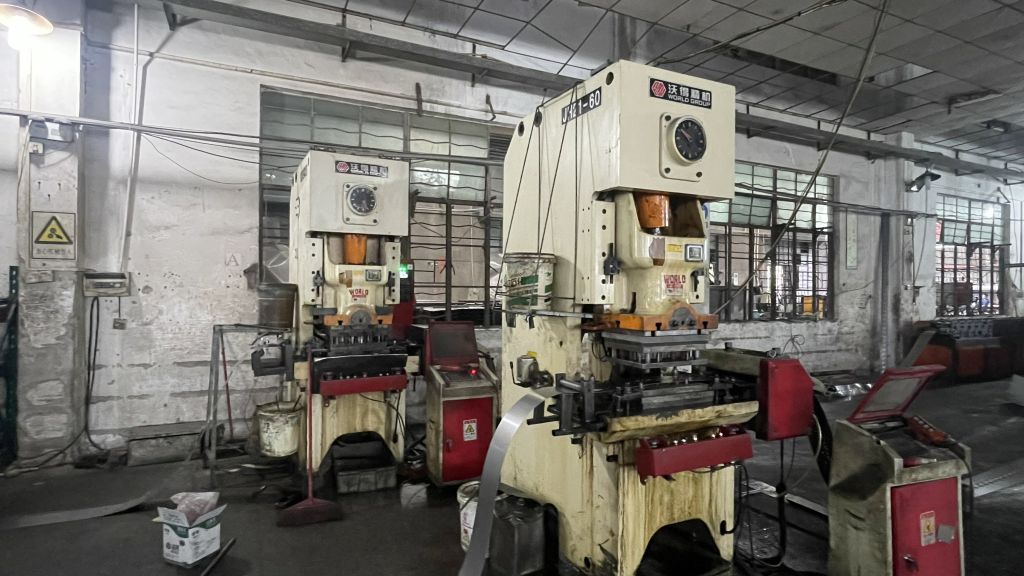
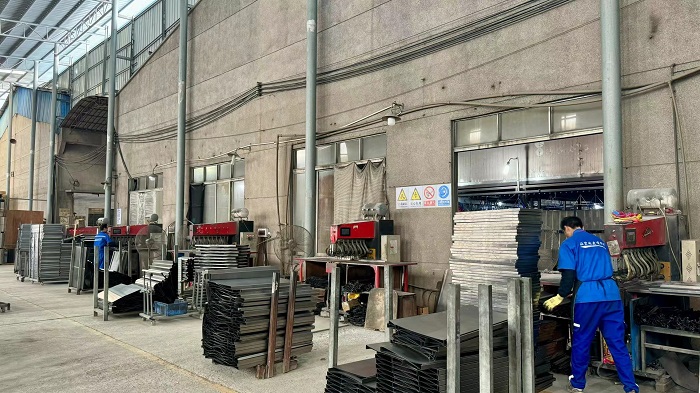
Every mobile racking element is manufactured using automated production equipment. Here is a look inside our specialized manufacturing steps:
As global logistics networks demand increased efficiency, motorized storage is adapting to key industrial trends:
Cold storage facilities face high operational costs due to refrigeration energy usage. By eliminating empty aisles, motorized mobile racks maximize refrigerated volumes, cutting energy overhead by up to 40% per pallet. Electrical setups feature low-temperature components, specialized grease, and IP65 condensation-resistant enclosures rated down to -25°C.
Fast-moving retail models rely on dynamic space utilization. Motorized racking systems interface with local WMS platforms, pre-opening picking corridors based on upcoming orders to minimize crane and forklift travel times. When combined with automated guided vehicles (AGVs), the system creates a fully autonomous retrieval flow.
Looking ahead, we see key shifts that define our development focus:
• Eco-Friendly Regeneration: Regenerative brake configurations feed kinetic energy back into the warehouse power grid.
• Predictive Maintenance IoT: Built-in diagnostic sensors monitor motor heat, drive wheel wear, and frame deflection in real time, notifying maintenance crews before failures occur.
• Flexible Modular Relocation: Bolt-together mobile frames simplify rail re-routing and facility moves, reducing total lifetime cost of ownership.
Procuring large-scale mobile storage systems requires balancing lead times, structural engineering approvals, and shipping logistics.
1. Structural Calculations & Local Codes: Every project must conform to local building and seismic requirements. Our engineering team provides comprehensive calculations to speed up local permit approvals.
2. Quality Auditing and Factory Inspection: Verify the raw steel certificate and welding compliance (such as ISO 3834 or AWS standards). Customers can utilize third-party inspectors like SGS or Bureau Veritas to audit weld quality and coating thickness prior to container loading.
3. Logistics, Packaging, and Delivery: Moving parts require robust packaging. Rail elements and long uprights are packed in heavy-duty steel crates to prevent transit distortion. Every shipment includes clear assembly labeling and electrical schematics to simplify on-site installation.




 Kimsuk Storage