Explore our core selection of heavy-duty, boltless, adjustable, and specialized storage configurations designed to maximize volumetric efficiency.
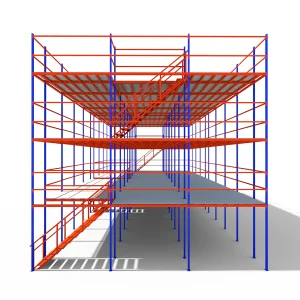


Analyzing the pivotal role of Selective Racking in high-throughput fulfillment hubs, regional distribution centers (RDCs), and localized manufacturing environments.
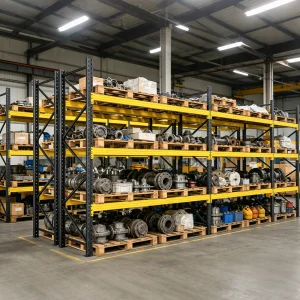
In modern industrial logistics, storage density cannot be calculated in isolation from retrieval speed. As e-commerce and rapid global sourcing put pressure on lead times, Selective Pallet Racking (SPR) remains the ultimate baseline for warehouse design. By offering 100% immediate accessibility to every single pallet position without displacement, SPR acts as the cardiovascular system of the distribution center.
Unlike dynamic systems (such as Drive-in or Push-back), selective systems do not suffer from the LIFO (Last-In, First-Out) restriction. This makes them highly suited for warehouses handling fragmented, high-SKU product portfolios. Furthermore, custom OEM designs enable engineers to optimize frame height, depth, and column spacing to perfectly match standard material handling equipment (MHE) like reach trucks, articulated VNA (Very Narrow Aisle) forklifts, and AGVs.
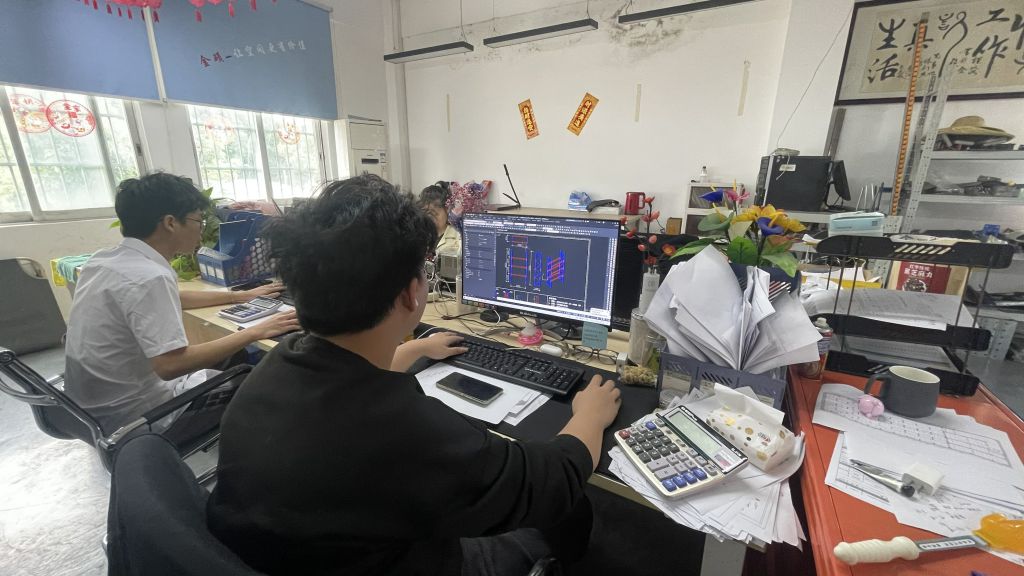
A trusted global supplier specializing in the research, design, and structural fabrication of heavy-duty industrial racking solutions since 2016.
Established in 2016, Shenzhen Kimsuk Storage Equipment Manufacturing Co., Ltd. specializes in the design, manufacturing, and global supply of high-quality warehouse storage systems. Operating from our advanced 18,500㎡ factory, we engineer tailored industrial shelving and pallet racking systems designed to withstand heavy static and dynamic loads in high-traffic distribution hubs worldwide.
With an annual export revenue of approximately $12 million and 8 years of export history, Kimsuk is built upon a foundation of more than 14 years of design and manufacturing experience. Our global project catalog spans across North America, Europe, Southeast Asia, the Middle East, Australia, and South America, supported by a network of more than 850 strategic supply chain partners.
We pride ourselves on an engineering-first philosophy. Our R&D department features 18 professional structural engineers who design layout proposals using advanced finite element analysis (FEA). Over the past year, we have introduced 120 new storage system upgrades, ensuring compatibility with evolving automation frameworks like AS/RS and AMR technologies.
Quality reliability is maintained through rigorous multi-stage inspection. Our quality assurance team of 45 experienced inspectors covers raw material vetting, precision cold-roll forming, robotic weld integrity, and epoxy powder coating thickness. Using high-precision tools such as laser measurement systems, ultrasonic weld testers, and automated load-bearing test rigs, we confirm that all industrial structures comply with CE certifications and global warehouse safety standards.
From initial design planning to delivery and remote installation guidance, Kimsuk provides turnkey storage infrastructure solutions built for durability and long-term investment return.
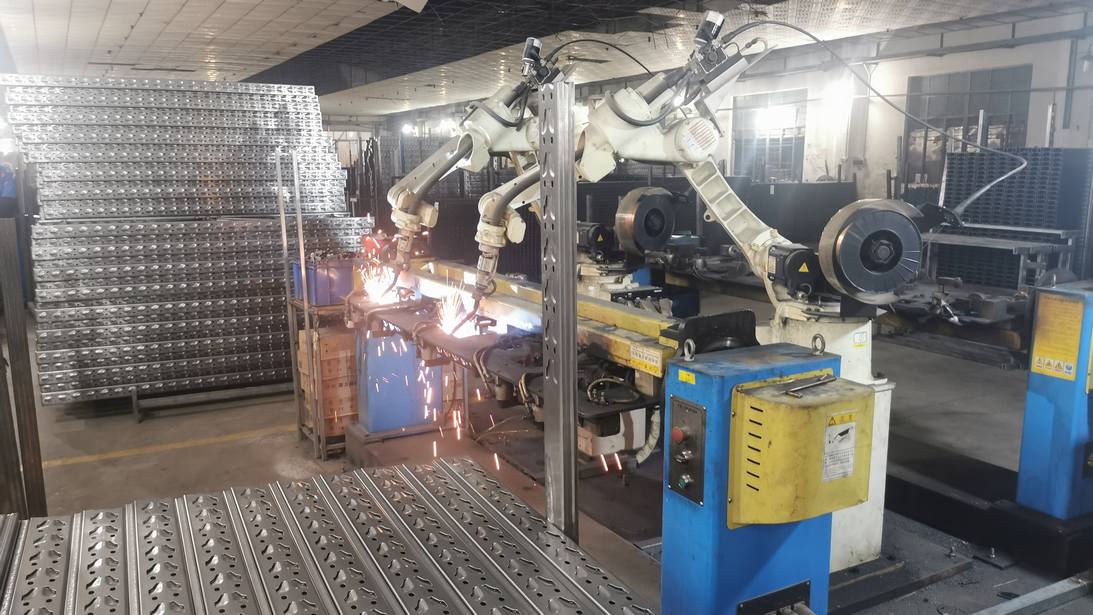
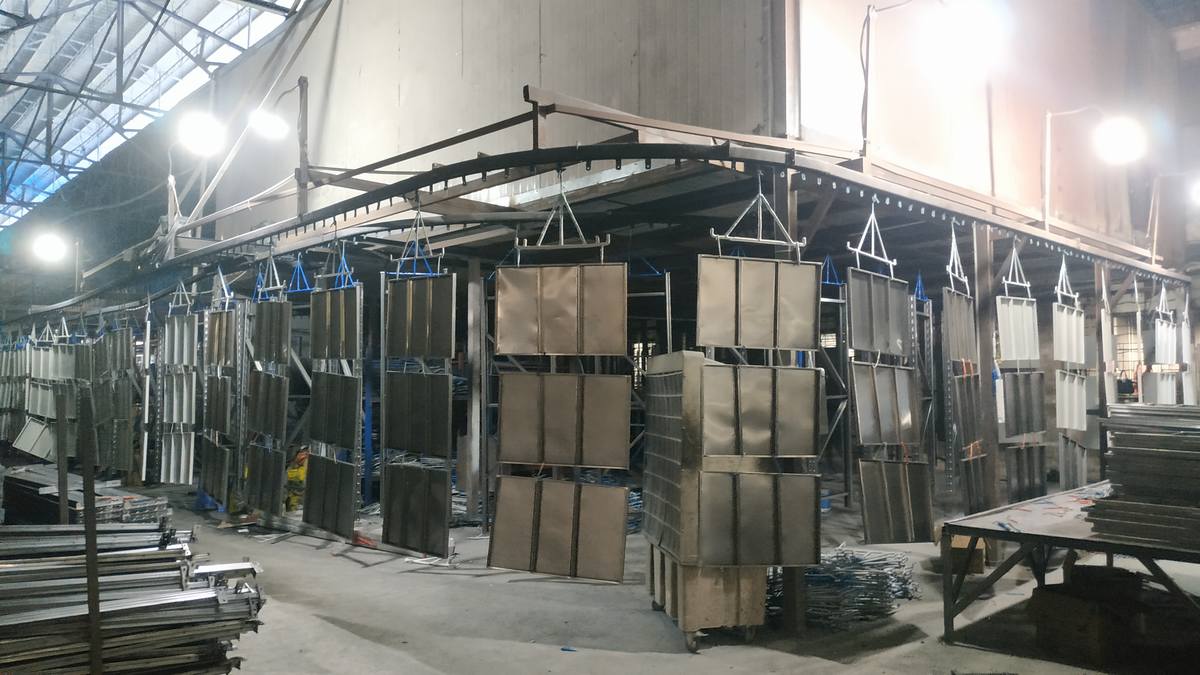
Explore the specialized machinery and manufacturing steps involved in transforming raw structural steel into high-capacity selective racking systems.
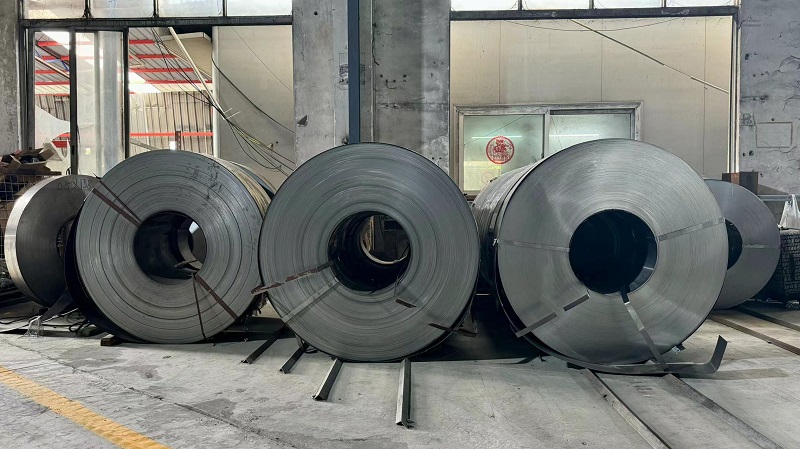
Raw Materials
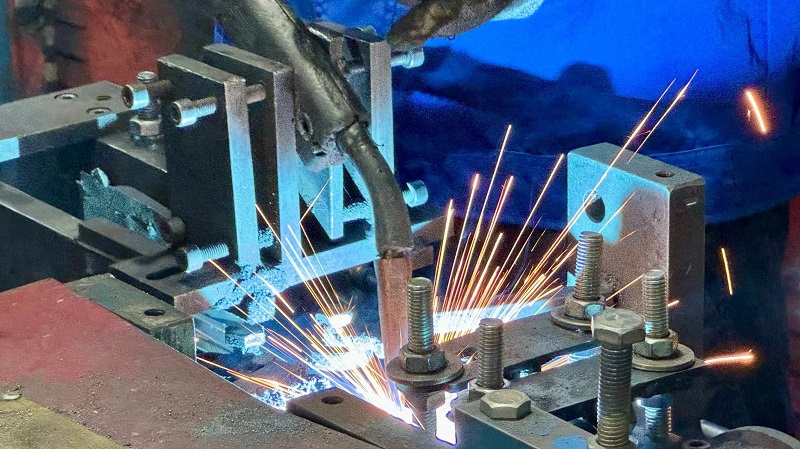
Stamping Molding
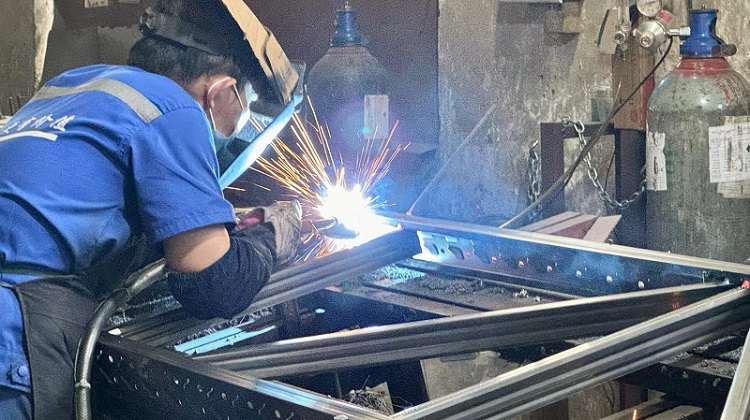
Welding
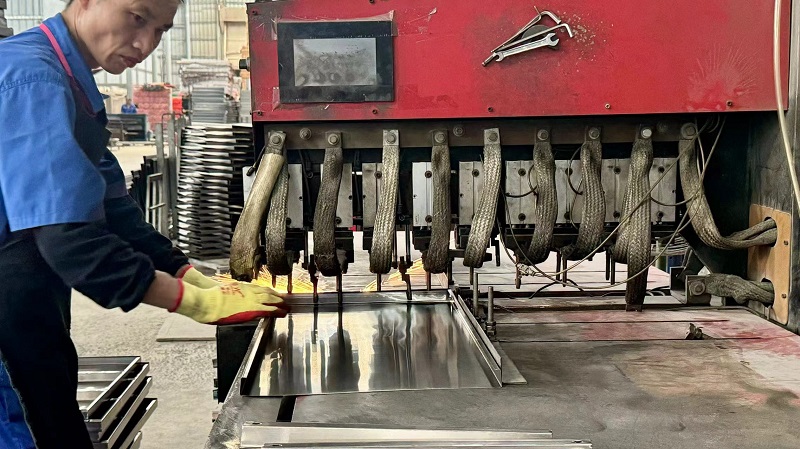
Punching
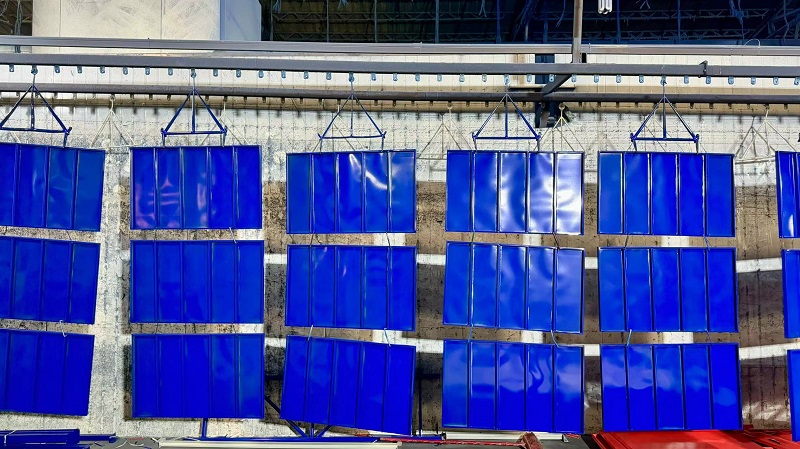
Painting
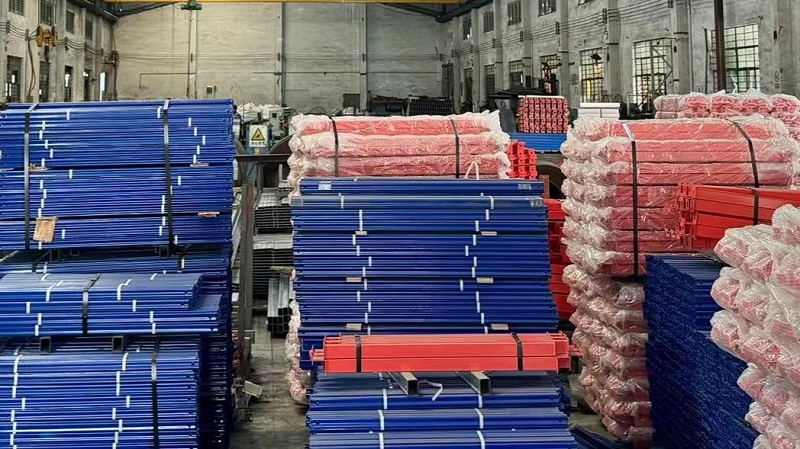
Packaging
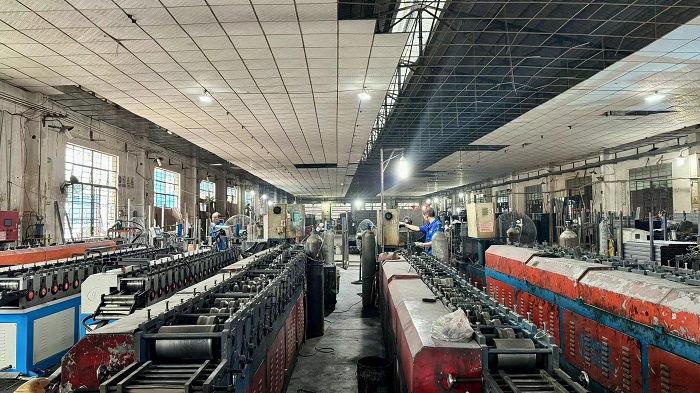
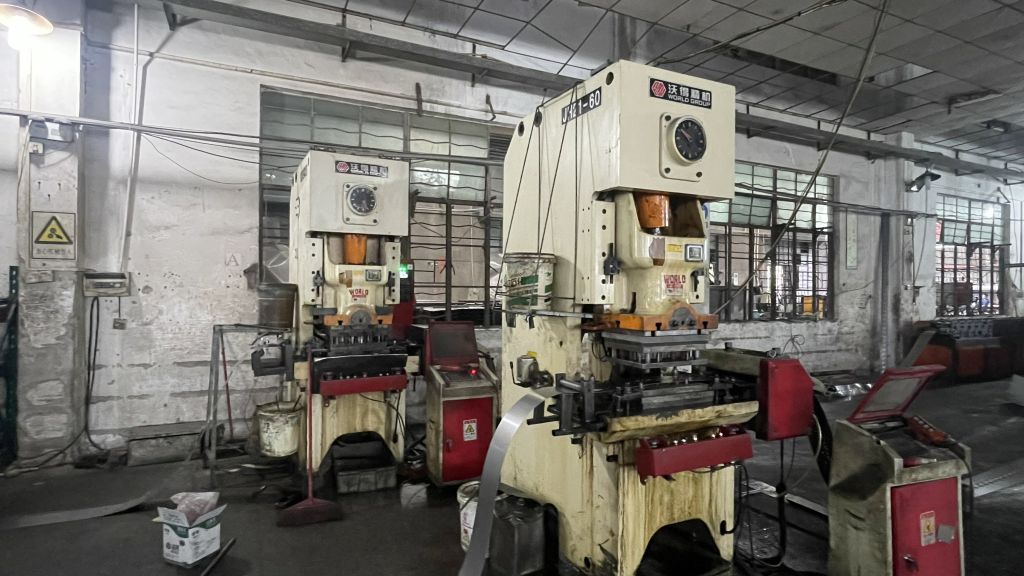
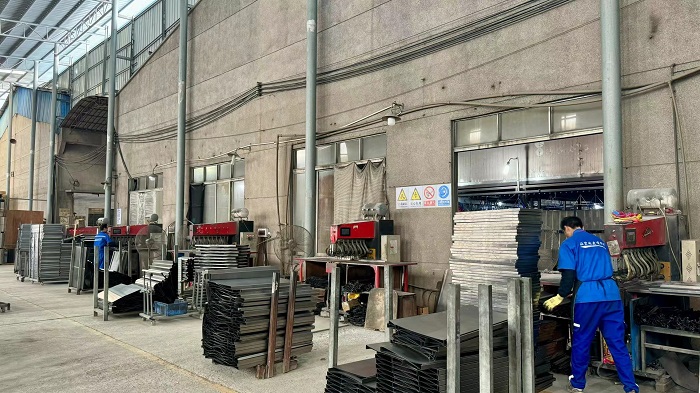
Understanding the industrial advantages of partnering with Shenzhen-based manufacturers like Kimsuk to optimize procurement costs and ensure quality standards.
Our proximity to high-grade steel suppliers in Southern China ensures consistent access to raw Q235B and Q355B structural steel, maintaining pricing stability during volatile global market shifts.
Using automated cold-roll forming, multi-point robotic welding, and electrostatic powder coating lines allows us to maintain strict dimensional tolerances while scaling capacity up to 15,000 tons annually.
Located in Shenzhen, we leverage adjacent deep-water container terminals (Yantian, Shekou) and Foshan logistics corridors. This proximity minimizes inland freight transit times and lowers overall shipping costs.
Exploring the shift toward high-density automation, eco-responsible materials, and advanced structural safety parameters.
Selective pallet racking is no longer a standalone manual storage solution. Modern facilities require racking configurations to feature high structural tolerances (within millimeters) to support automated storage and retrieval systems (AS/RS), autonomous mobile robots (AMRs), and automatic guided forklifts. Even minor deflections under load can disrupt optical sensors, making high-precision engineering critical for automated warehouse designs.
With cold chain storage and harsh industrial environments on the rise, high-grade electrostatic powder coatings have become standard practice. Anti-microbial, corrosion-resistant, and high-impact finishes protect structural steel columns from fork truck impacts, moisture buildup, and chemical exposure, extending operational lifespan.
Warehouses are increasingly built in high-seismic zones across the Americas and the Pacific Rim. Standard structural frames are shifting toward heavy-duty, boltless, moment-resisting beam connections. Using thickened footplates, high-ductile steel, and custom-engineered anchor points ensures structural stability and personnel safety during seismic activity.
Kimsuk's R&D department addresses these requirements by integrating state-of-the-art structural calculation software. This allows us to adjust base plate thickness, column profiles, and bracing configurations to align with RMI (Rack Manufacturers Institute) and FEM European design standards.
Industrial selective racking can be optimized for specific operational layouts, temperature profiles, and product weights.
Designed to operate at temperatures down to -30°C. We use low-temperature resistant steel grades and powder coatings to prevent embrittlement and rust. The high selectivity of SPR supports rapid FIFO handling of perishable items.
Designed for dense, heavy loads. We configure our systems with specialized tire racks, cantilevered arms, and wire mesh decking to support irregular components, sheet metals, and heavy stamping dies up to 5,000kg per tier.
Tailored for high SKU counts. We combine selective pallet racks with integrated pick-module mezzanines, enabling hand-stacking options, carton flow tracks, and multi-tier picking aisles within a unified layout.
An overview of standard design parameters, material grades, and load capacities for heavy-duty selective racking systems.
| Parameter | Standard Specification | Customized (OEM) Range |
|---|---|---|
| Material Grade | Q235B Carbon Structural Steel | Q345B, Q355B High-Strength Steel |
| Upright Profile Sections | 80x60mm, 90x70mm, 100x70mm, 120x95mm | Custom roll-formed dynamic profiles |
| Upright Thickness | 1.8mm, 2.0mm, 2.3mm, 2.5mm | Up to 3.0mm for heavy industrial applications |
| Beam Load Capacity | 1,000kg - 3,000kg / level | Up to 5,000kg / level (reinforced boxed beams) |
| Surface Treatment | Electrostatic Powder Coated (RAL colors) | Hot-dip galvanized (corrosion-resistant) |
| Vertical Adjustability Pitch | 50mm, 75mm, 76.2mm (3 inches) | Custom punching styles (teardrop, hex) |
| Regulatory Standards | ISO9001, CE Certification | FEM 10.2.02, RMI Compliance design templates |
Technical guidance and sourcing support for logistics procurement officers, engineers, and facility managers.
Roll-formed racking is fabricated from sheet metal coils through cold-rolling machines, resulting in a lightweight, cost-effective system that is adjustable via drop-in connections. Structural steel racking is manufactured from hot-rolled channel steel, offering higher impact resistance and load capacity. This makes it suitable for high-traffic environments, food distribution facilities, and heavy-duty manufacturing centers.
We employ 45 dedicated inspectors running a multi-stage testing process. This includes verifying steel mill sheets, testing weld penetration with ultrasonic devices, measuring powder coating thickness, and performing load-bearing testing using dedicated hydraulic rigs.
Yes, our engineering team uses specialized software to calculate local seismic load requirements, such as those defined by AS4084 in Australia or RMI guidelines in North America. We customize footplates, column profiles, and cross-bracing patterns to ensure structural safety.
Standard manufacturing lead times range from 20 to 30 days following design confirmation and receipt of deposit. Lead times may vary depending on project scale, structural specifications, and steel profiles.
Review our extended range of heavy-duty, boltless, cantilevered, and mezzanine systems designed to optimize vertical warehouse space.
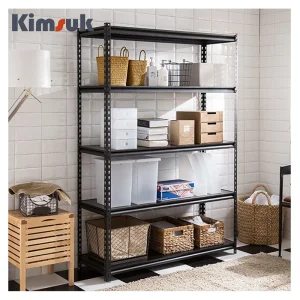
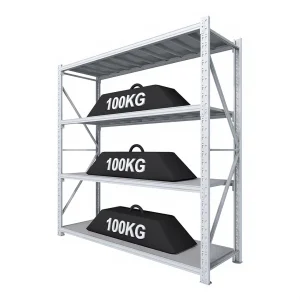


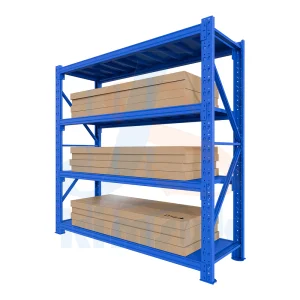

 Kimsuk Storage