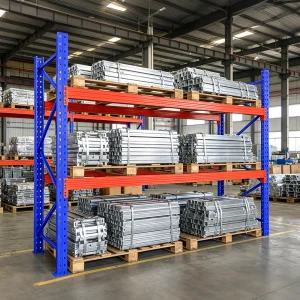
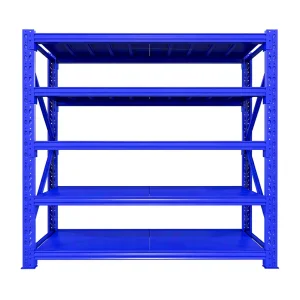
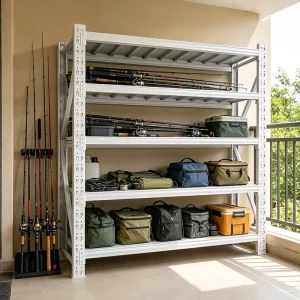
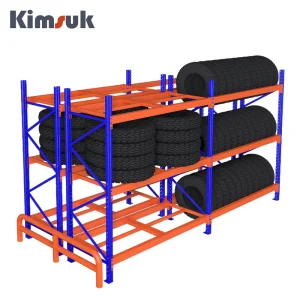
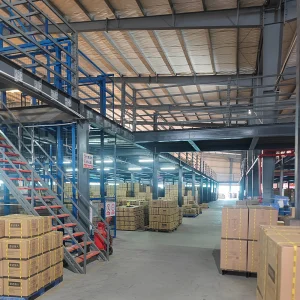
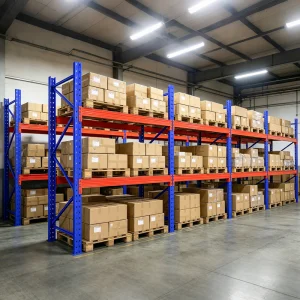
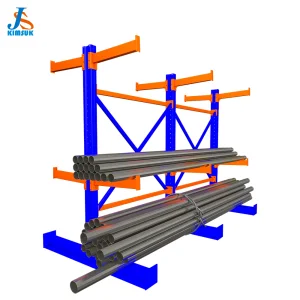
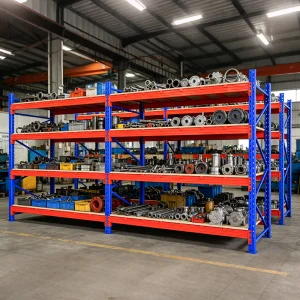
Engineered to deliver optimal load distribution, space utilization, and rugged structural dependability.
Global supply chains are experiencing unprecedented structural pressure. High urban land costs, shifts toward dynamic, high-density warehousing, and requirements for fast throughput are making conventional, floor-based storage layouts obsolete. As a premium manufacturer and exporter of heavy-duty racking, Shenzhen Kimsuk Storage Equipment Manufacturing Co., Ltd. provides specialized OEM/ODM services, ensuring that industrial enterprises worldwide can systematically maximize their spatial envelope while preserving operational adaptability.
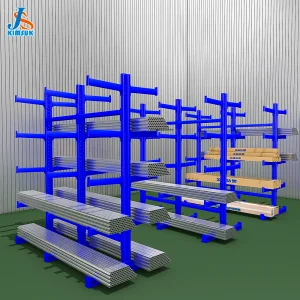
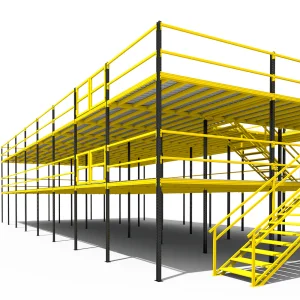
Industrial stacking systems constitute the structural backbone of modern factories, distribution centers, and cold storage sites. From structural cantilever arms configured for heavy pipe profiles to complex, multi-tiered mezzanine assemblies, our systems balance spatial efficiency with accessibility. High-quality stacking is not simply about high vertical placement; it is a meticulous engineering framework that handles dynamic load distribution, structural integrity, seismic safety, and durable corrosion protection.
Our organization builds upon a robust foundation of material science and structural engineering. Under strict compliance guidelines (such as AS4084, FEM 10.2.02, and RMI standards), every storage rack profile we produce undergoes strict strain, load, and fatigue testing. By leveraging cold-rolled structural steel grades like Q235B and Q345B, our stacking systems deliver consistent yield strength under extreme operational loads.
With more than 14 years of professional industry experience and 8 years of export history, we serve as a reliable partner for logistics specialists, global infrastructure projects, and procurement leads. Our manufacturing workflows are validated by a 45-inspector quality control team, ensuring our systems reliably support loads ranging from 100 kg to over 5,000 kg per level.
A comprehensive overview of our production stages, precision tooling, and structural engineering workflows.
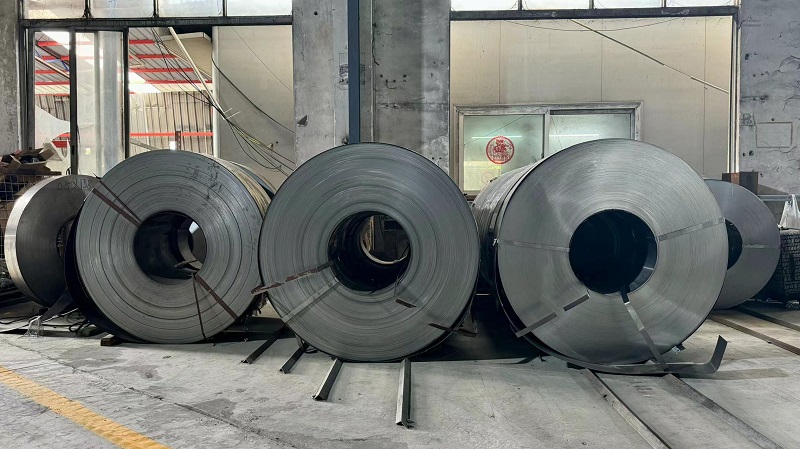
Strict incoming verification of Q235B/Q345B carbon steel coils and sheets, checking mechanical properties and yield strength.
High-speed press machinery and precise metal forming tooling convert steel sheets into reliable racking connectors and upright base plates.
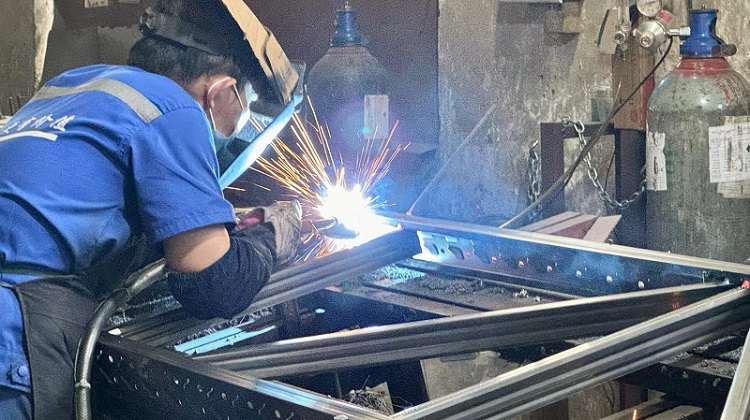
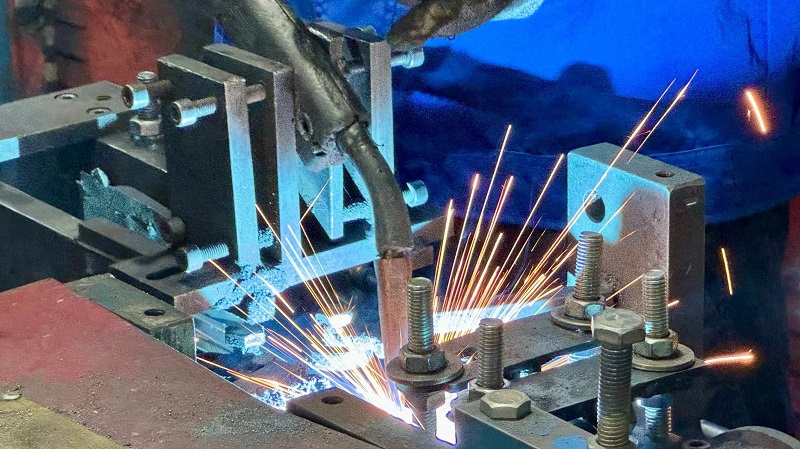
Robotic and manual gas metal arc welding (GMAW/MIG) ensure deep-penetration weld joints for maximum load capacity.
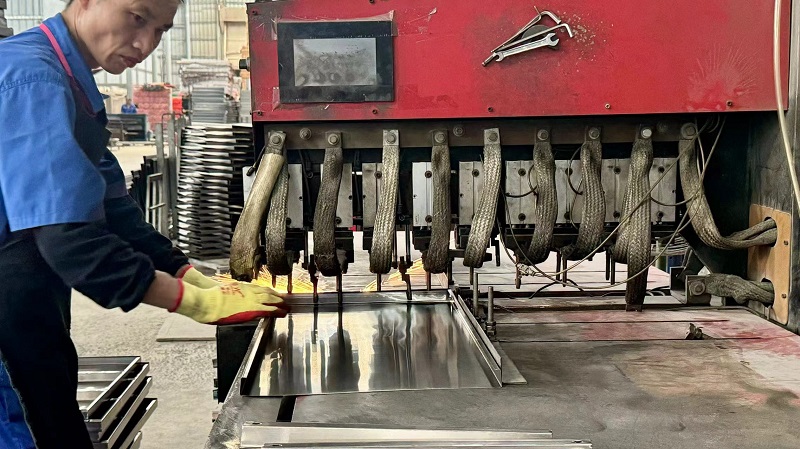
Automated punch lines produce consistent pitch hole designs along the upright columns, allowing flexible shelf height adjustments.
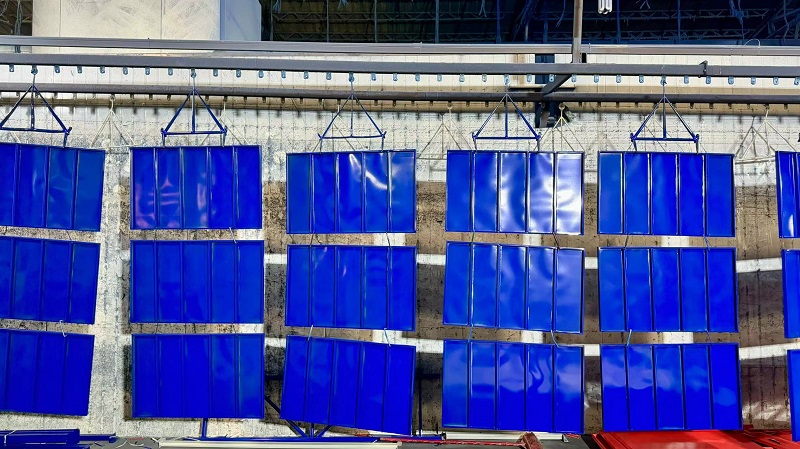
Electrostatic powder coating lines apply high-adhesion polyester coatings, cured at 200°C for exceptional wear and corrosion resistance.
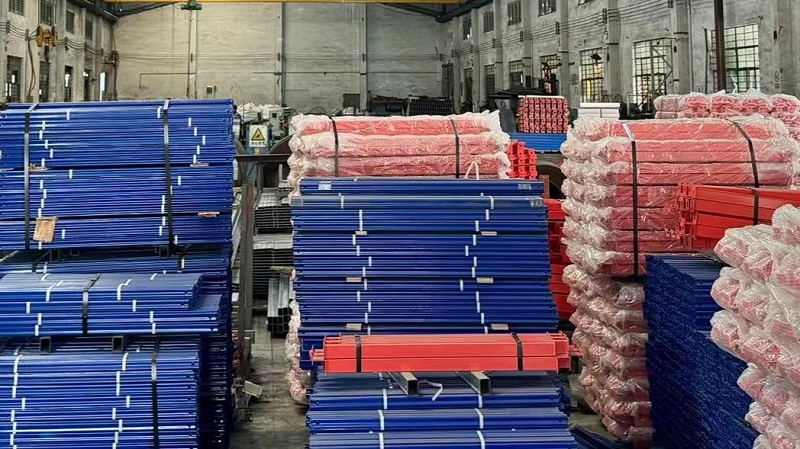
Components are wrapped with air bubble film and secured with steel bands to prevent structural damage during international shipping.
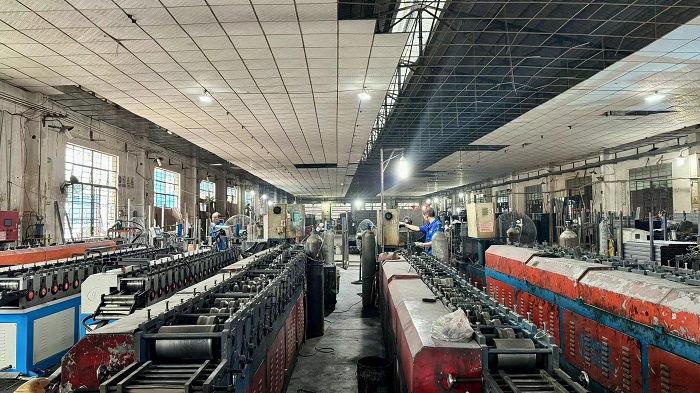
Heavy industrial cold forming and stamping equipment for uniform, repeatable metal components.
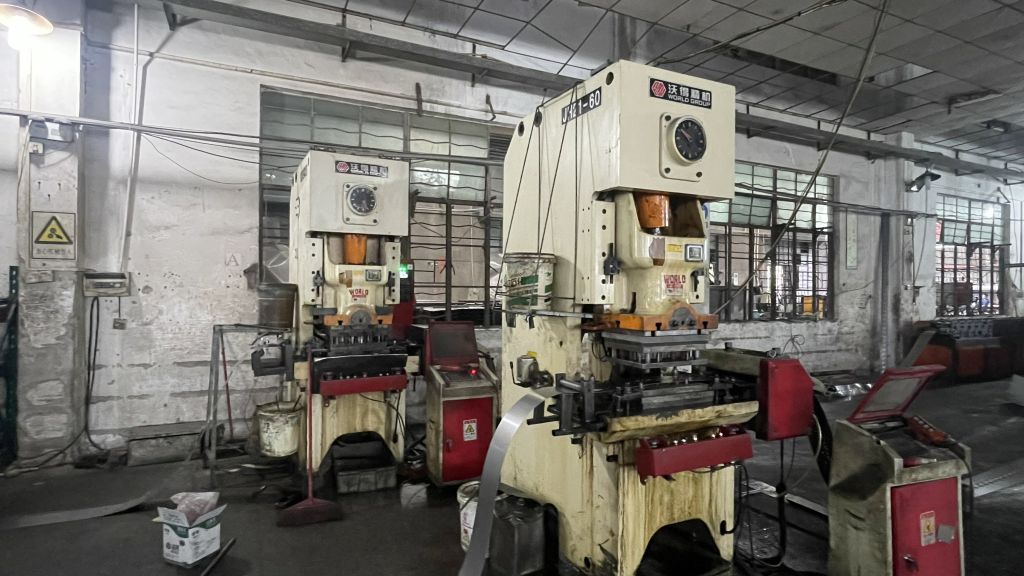
Specialized piercing and slotting machinery ensuring structural alignments down to 0.1mm tolerances.
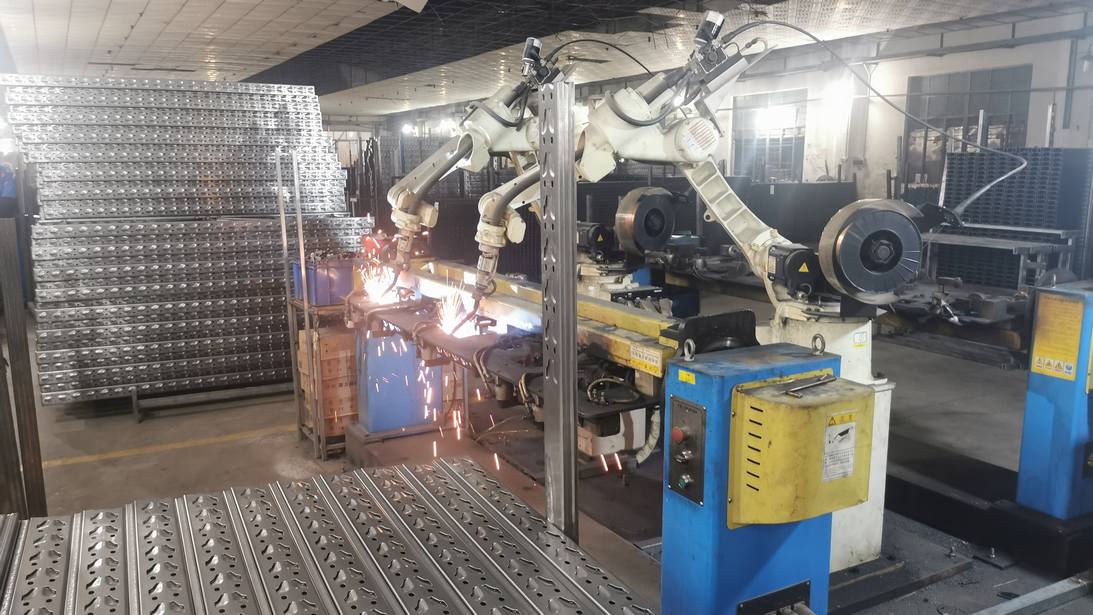
Heavy-duty welding infrastructure designed to yield penetration-proof joint beads for safety certification.
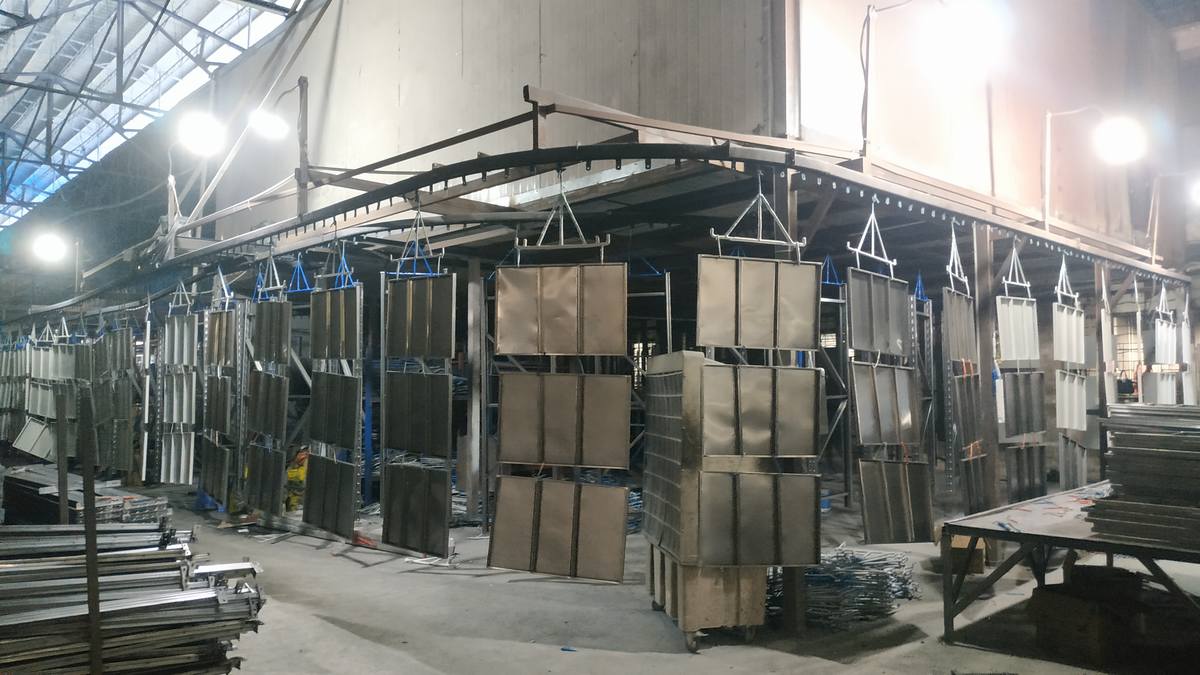
Fully automated multi-stage washing, powder application, and curing line for uniform surface protection.
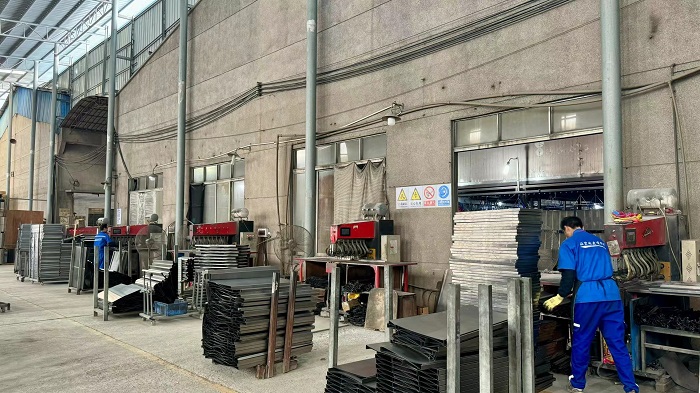
Multi-ton capacity mechanical punch machines that form structural hook openings and bolt configurations.
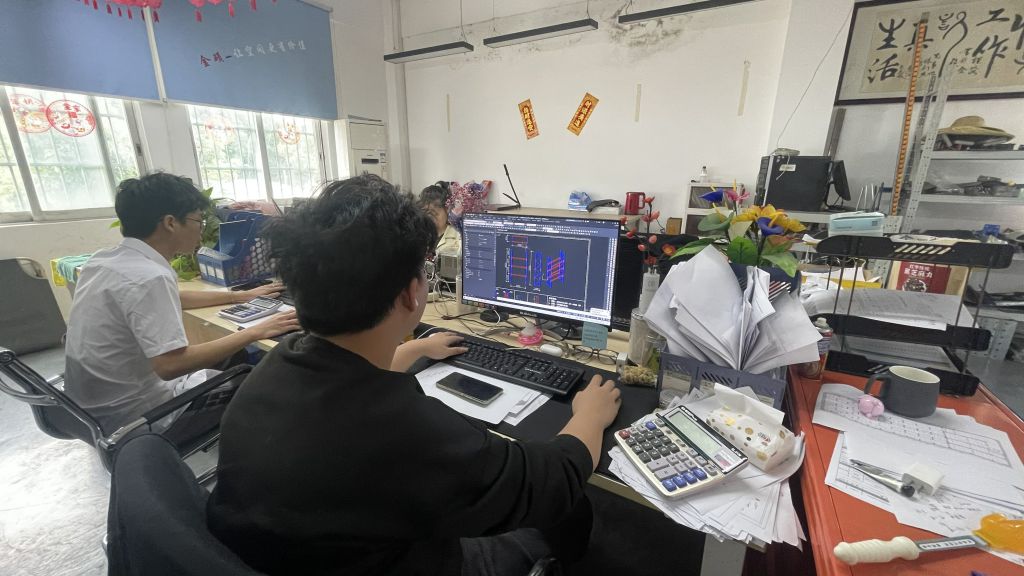
Finite Element Analysis (FEA) models stress profiles and structural load margins before physical fabrication begins.
Warehousing structures must adapt to the growing integration of Autonomous Mobile Robots (AMRs) and Automated Storage and Retrieval Systems (ASRS). Standard floor configurations are increasingly combined with high-bay pallet systems. Selecting proper cold-rolled upright profiles and connector assemblies is critical for maintaining long-term structural alignment.
Shenzhen and Foshan stand as premier global clusters for advanced metal fabrication. Direct proximity to steel mills allows us to source premium structural steel under tight control parameters. This location enables rapid prototyping, cost-competitive manufacturing, and efficient ocean shipping via South China's deepwater ports.
In seismically active areas, industrial storage racks must withstand lateral forces. We custom-engineer widened baseplates, heavy duty concrete anchor arrangements, and specialized cross-bracing frameworks. This design helps dissipate kinetic energy, protecting personnel, inventory, and building integrity.
At Shenzhen Kimsuk, we approach OEM/ODM customization through a structured design and validation process. Our dedicated R&D team of 18 professional engineers focuses on product innovation and structural optimization. By analyzing the customer's space layout, warehouse floor conditions, handling equipment, and pallet dimensions, we develop customized layouts that optimize throughput and density.
In the past year alone, our engineering department launched over 120 new products and structural improvements. Key custom options include:
Modern material handling is evolving from passive static iron frames to integrated, intelligent warehouse assets. Our development roadmap centers on three key innovation areas:
1. Smart Structural Monitoring: Integrating strain-gauge sensors within highly loaded upright structures to monitor mechanical stress in real time. This system helps identify structural anomalies and alert warehouse managers of forklift impact damage before failures occur.
2. Automation-Ready Tolerances: Modern ASRS cranes operate with tight positional tolerances. We manufacture racking systems with strict dimensional accuracy, using laser measurements to ensure smooth integration with automated handling equipment.
3. Advanced High-Strength Materials: Testing ultra-high-strength steel alloys to reduce total component weight while keeping required load-bearing limits. This approach lowers raw material consumption and shipping footprint.
A primary challenge for global industrial procurement is ensuring racking systems comply with regional building codes and safety regulations. Kimsuk addresses this by building systems that meet international design standards:
We back this structural design with thorough quality testing. Our 45-inspector quality control team performs raw material tensile tests, ultrasonic weld checks, paint thickness audits, and physical loading tests to confirm every structural component conforms to the design specifications.
Addressing the core technical, logistical, and customization questions of engineering leads and procurement departments.
Engineered layouts designed for space efficiency, durability, and reliable load support.
 Kimsuk Storage