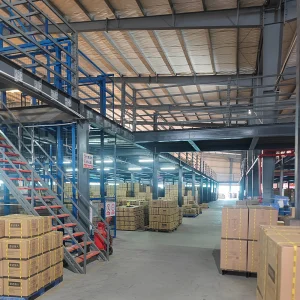
Engineered for high load capacity, extreme durability, and rapid component assembly.
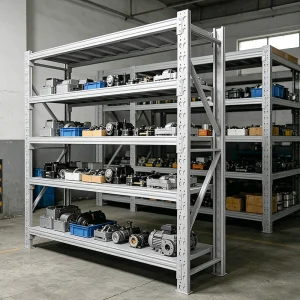

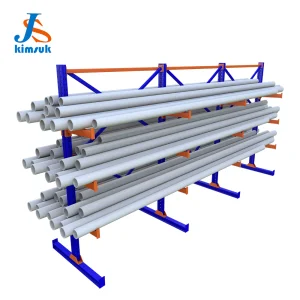
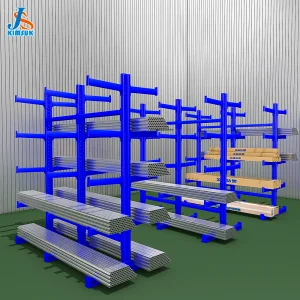
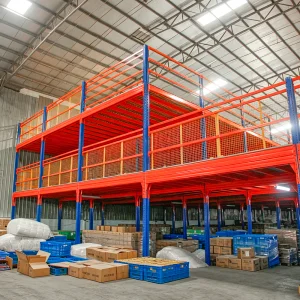
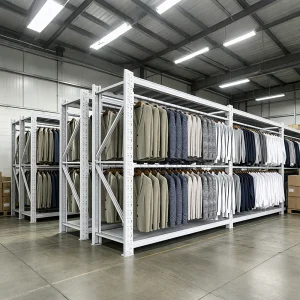
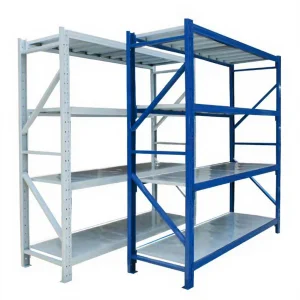
Modern logistics environments demand high structural flexibility without sacrificing integrity. Traditional racking systems rely on nut-and-bolt fast connections which, under repetitive structural load displacement, are prone to loosening and requiring localized torque validation checks. Boltless racking system dynamics eliminate threaded hardware completely, utilizing a high-precision, cold-formed mechanical taper or interlocking rivet-and-keyhole socket configuration.
As vertical load is applied, the downward gravitational force acts as a self-tightening wedge, securing the horizontal beams deep into the post profile slots. This mechanical behavior significantly reduces shear stress concentrations typically found on bolt shafts, shifting the load path to a broader compressive surface area along the structural upright. The result is a highly rigid, modular configuration capable of withstanding dynamic lateral loading forces.
Industrial Design & Rack Manufacturing Expertise
Modernized, ISO-Certified Production Complex
Dedicated Quality Control Inspectors & Engineers
Global Industrial Material Supply Chain Partners
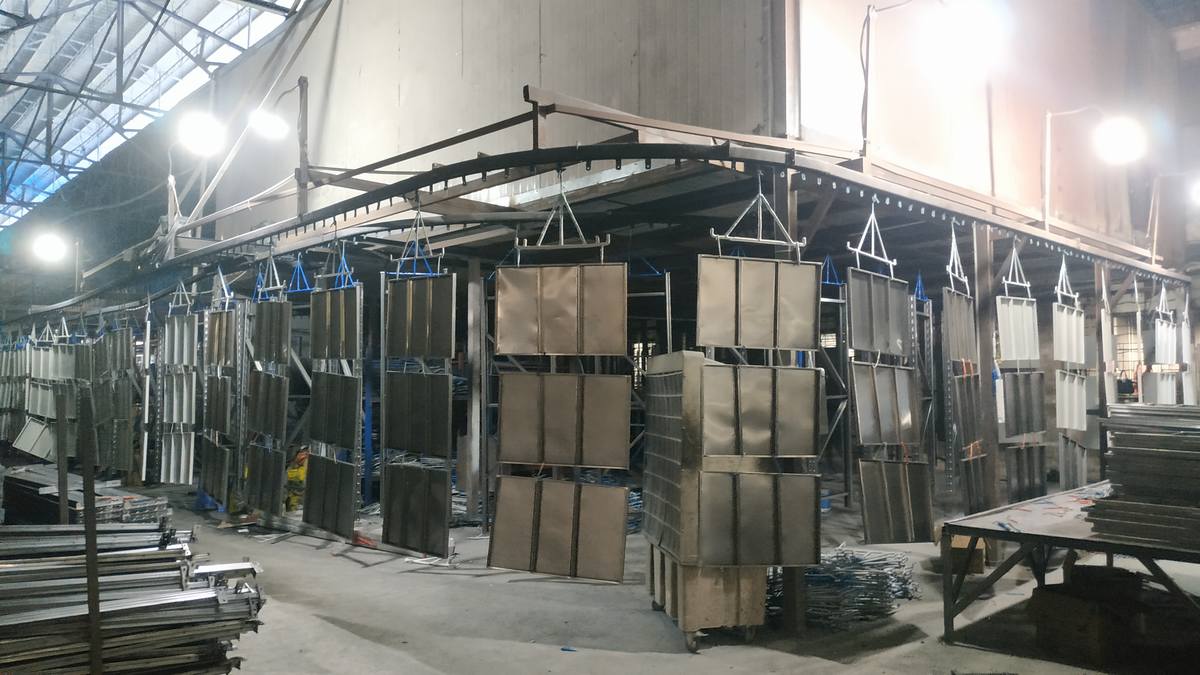
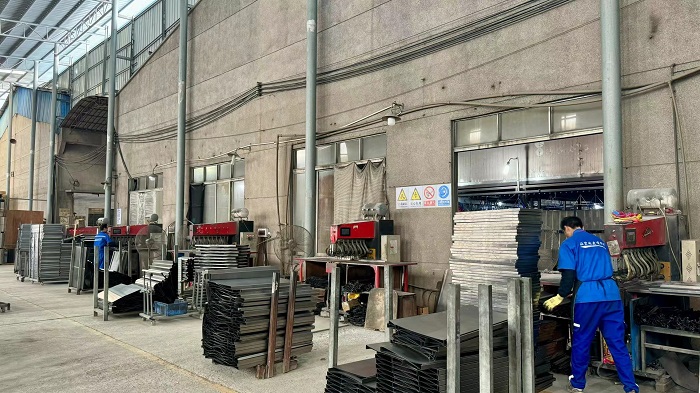
Step-by-step documentation of our advanced mechanical stamping, automated welding, and precision surface treatment processes.
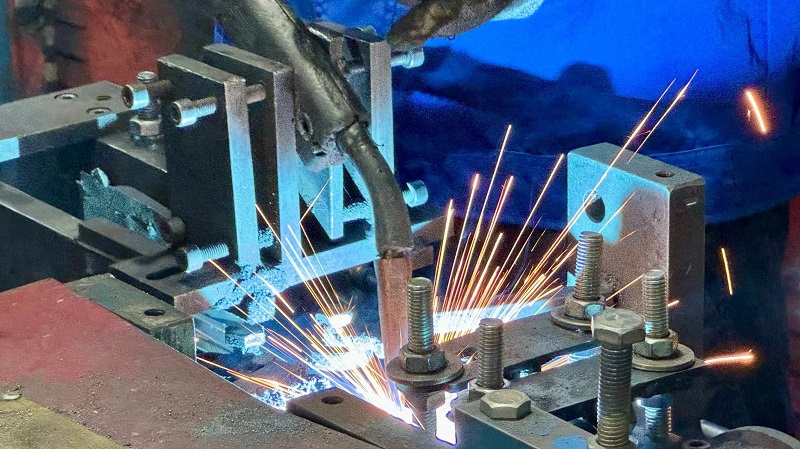
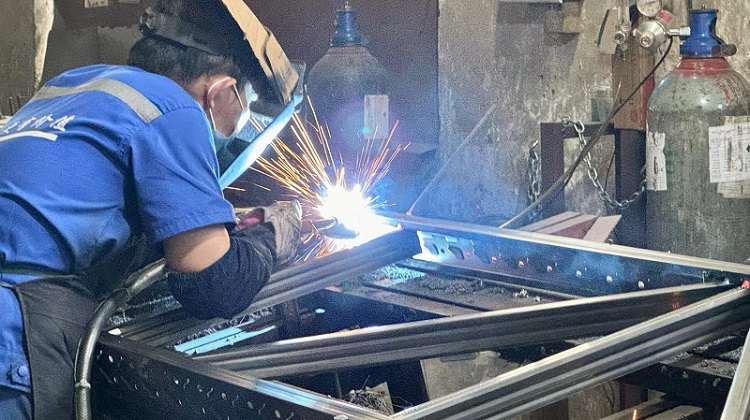
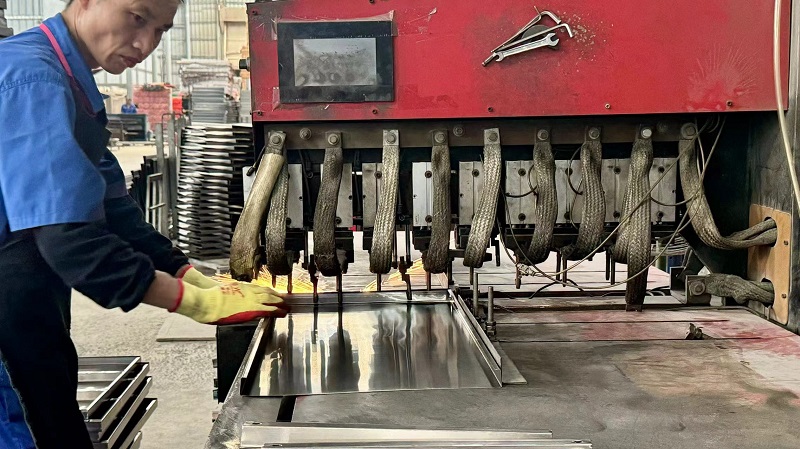
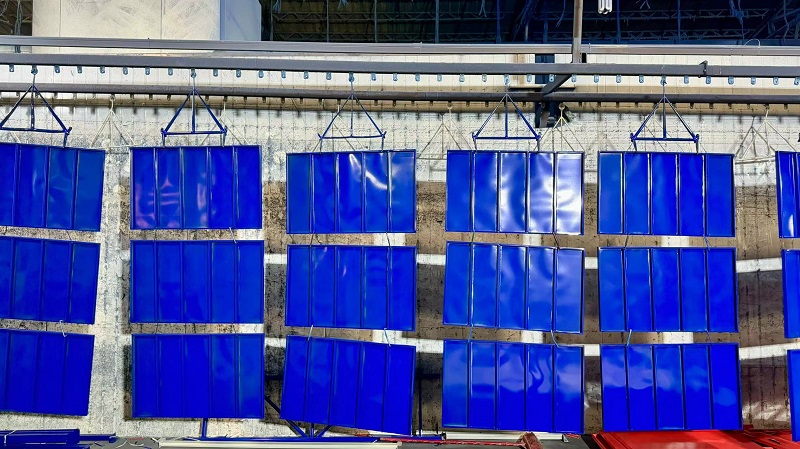
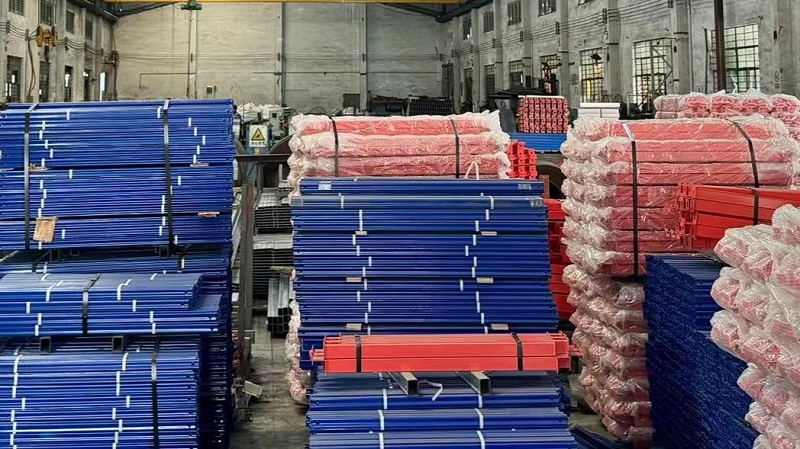
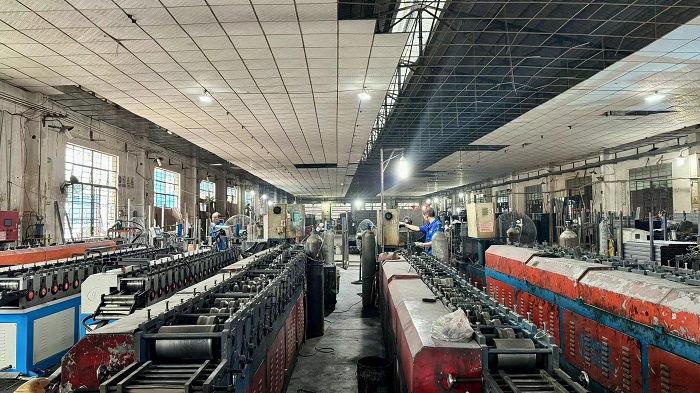
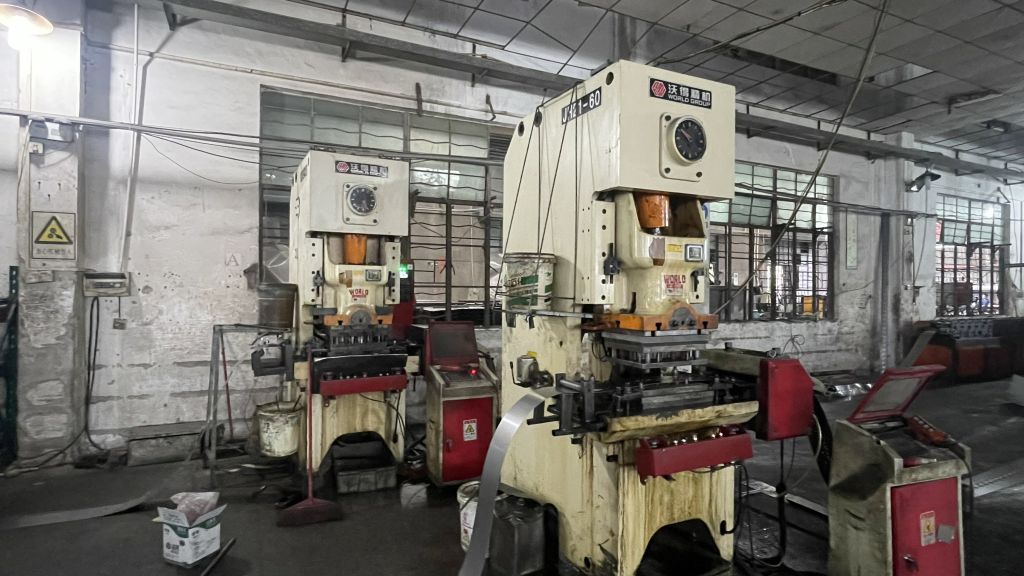
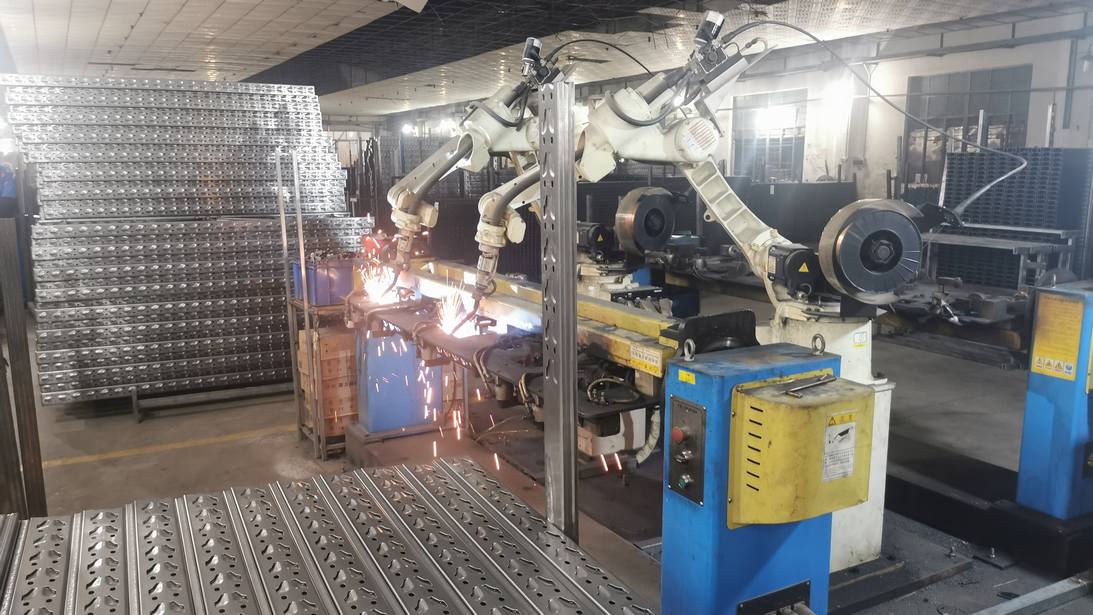
Why modern operations are moving from welded solutions to boltless high-density layouts.
Global freight and logistics costs fluctuate significantly. Lightweight, modular boltless panels and frames allow for compact nesting during shipping, reducing ocean cargo volumes by up to 45% compared to pre-assembled welded systems.
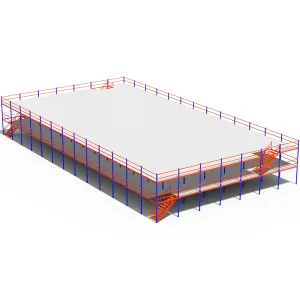
As commercial warehouse rental rates hit record highs across North America and Europe, optimizing vertical space is critical. High-rise industrial platforms and customized design multi-level attic mezzanines maximize cube utilization effectively.
Under international building code mandates (IBC), storage facilities must incorporate seismic configurations. Modern boltless connectors are designed to absorb dynamic shear forces and deflect seismic shock loads without structural collapse.
Storage systems must comply with distinct localized operating parameters and environmental conditions across global jurisdictions:
North America: High demand for boltless racking systems engineered to RMI standards, primarily for cold-storage fulfillment centers and dynamic retail inventory setups.
European Union: Strict conformity to EN 15512 standards. There is a strong preference for zinc-plated, galvanized finishes to prevent surface oxidization in high-humidity facilities.
Australia & Oceania: Racking layouts must satisfy the rigid AS 4084 guidelines, requiring specialized post protector shields and heavy-duty seismic baseplate anchoring systems.
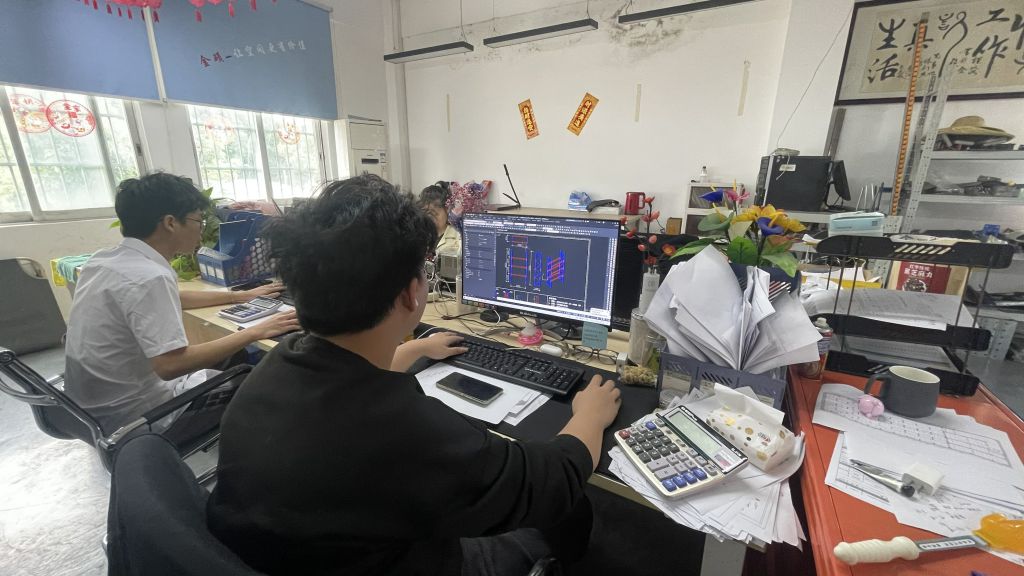
At Shenzhen Kimsuk Storage Equipment Manufacturing Co., Ltd., we combine CAD design modeling with actual destructive weight testing to confirm mechanical integrity. Every load-bearing upright profile is shaped from premium Q235 cold-rolled high-tensile steel, which is processed on our automated stamping lines to ensure a consistent dimensional tolerance of ±0.05mm.
Our quality inspection workflow involves checking coating thickness with digital magnetic-induction gauges, testing weld penetration depth using ultrasonic non-destructive testing (NDT), and loading structural shelf elements to their design capacity limit to confirm safety margins.
How Kimsuk utilizes local material networks and advanced automation to deliver cost-effective logistics systems.
By using automated punching machines and high-speed CNC roll-forming lines, we reduce steel structural waste and ensure precise interlocking tolerance. This level of process repeatability keeps production output consistent for large-scale multi-tier configurations.
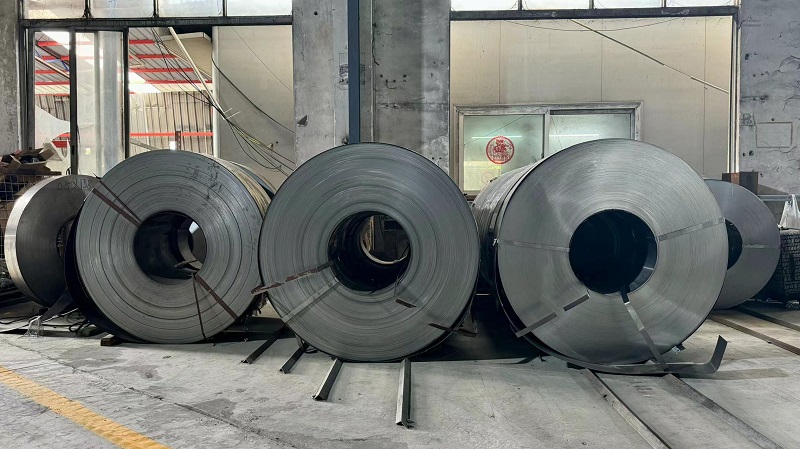
Our long-term partnerships with over 850 verified local raw material and hot-rolled coil providers give us access to high-grade steel profiles even during market supply volatility, securing stable pricing and predictable production timelines.
Located in the Shenzhen-Foshan manufacturing hub, our facility has direct access to three major deep-water ports (Shenzhen Yantian, Shekou, and Guangzhou Nansha), facilitating fast export operations to global markets.
The next generation of industrial racking systems is moving beyond passive steel support towards smart, adaptive storage infrastructure. Over the next three years, Kimsuk's research and development roadmap focuses on:
We provide full-service engineering support for warehouse design, ranging from raw layout concepts to compliance validation. Our engineers use advanced software tools like SolidWorks and AutoCAD to build complete facility mockups, verifying that layout clearances, load capacities, and seismic designs comply with local building regulations.
Every export shipment includes comprehensive technical documentation, detailed structural load rating plates, and step-by-step layout guides to simplify the local building approval and assembly processes.
Clear, direct answers to common engineering, ordering, and installation questions.
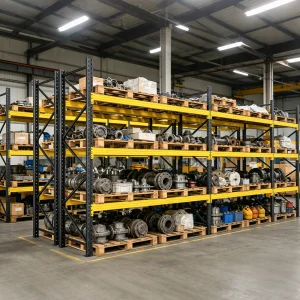
Optimize large-scale warehouse volumes with heavy-duty structural designs.


 Kimsuk Storage