Engineered high-density cantilever structural designs optimizing warehouse footprint under demanding floor-load requirements.

Why structural calculations, land premium optimization, and seismic resilience govern industrial racking exports to Japan.
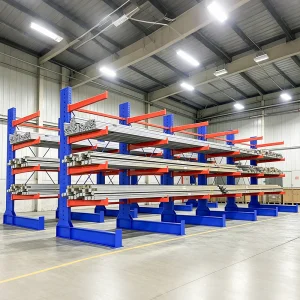
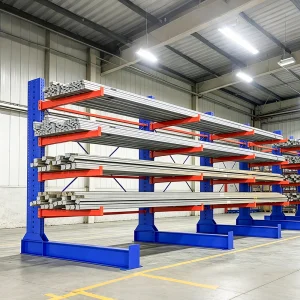
Operating in a country that experiences high seismic activity requires warehouse infrastructure to adhere to stringent building codes. Heavy cantilever storage structures exported to Japan must feature enhanced seismic resilience. This includes certified welding parameters (complying with AWS or equivalent Japanese standards), high-tensile structural steel (such as Q355B or JIS equivalent structural steels), and customized heavy-duty baseplates. Baseplates are secured with heavy-duty chemical anchors directly into high-strength concrete foundations to prevent sliding or collapse during seismic events.
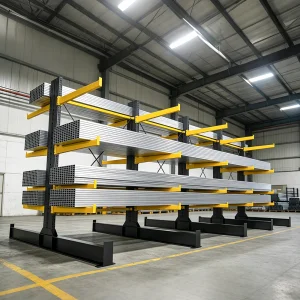
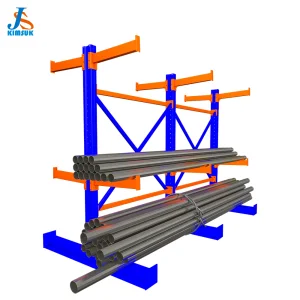
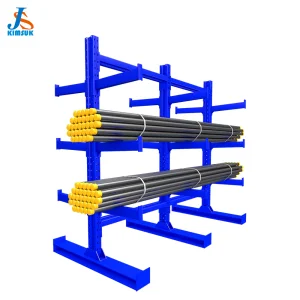
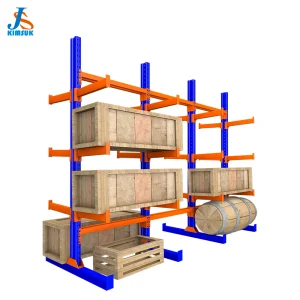
Whether for raw material distribution in Aichi Prefecture or logistics centers handling machinery parts along Tokyo Bay, single-sided and double-sided cantilever systems must interface seamlessly with material handling equipment (MHE) such as side-loaders and multi-directional reach trucks. Our designs implement precision arm alignment and optional guide-rail systems to facilitate faster transit times and prevent column deflection, thereby maximizing the safety of forklift operators working in tight, narrow aisles.
How digitalization and structural engineering advancements are transforming raw material storage worldwide.
A look into our mechanical testing, high-tensile metallurgy, and custom design processes.
We utilize advanced structural analysis software to simulate load stress distribution, horizontal deflection, and seismic acceleration. This ensures that every arm and column connection matches the exact load requirements specified by our clients.
Our QC laboratories perform physical load tests using high-precision load cells and laser deflection trackers. This validates structural integrity, assuring that cantilever arms do not deform under full loading capacity.
We offer hot-dip galvanized (HDG) coating options for outdoor storage yards or high-humidity coastal port facilities. This coating resists corrosion from salt air and harsh industrial atmospheric pollutants.
Our R&D team, consisting of 18 highly specialized design engineers, works closely with structural engineers to offer tailored steel configurations. We refine rack designs by selecting the optimal column heights, arm dimensions, upright profiles, and horizontal/diagonal bracing systems. This structural optimization translates to reduced material costs and enhanced safety, giving Japanese logistics operators total confidence in their daily warehouse operations.
Engineered options tailored for specialized applications, including automotive tire storage and rolling heavy-duty racks.
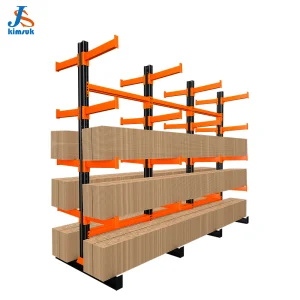


An established global leader in premium warehouse racking design, manufacturing, and QA inspection.
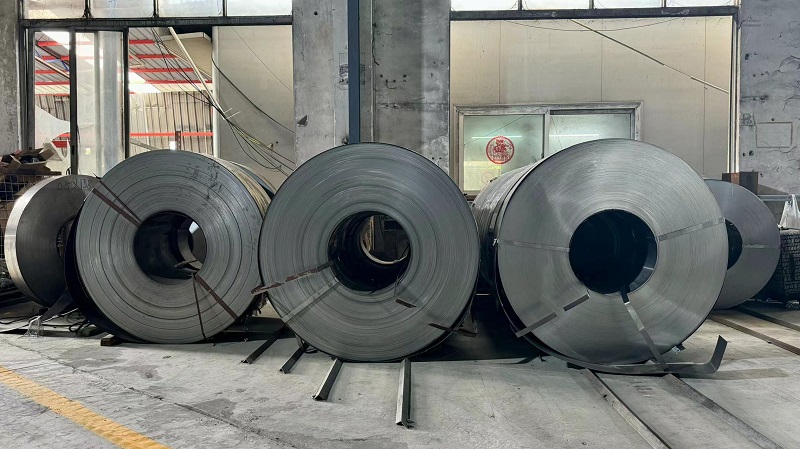
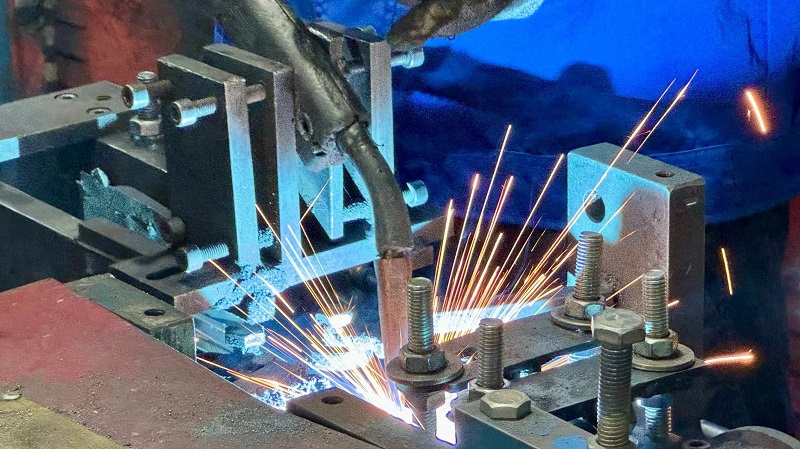
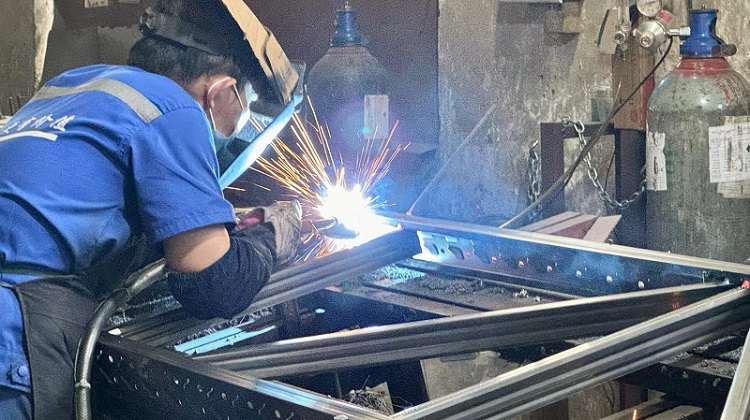
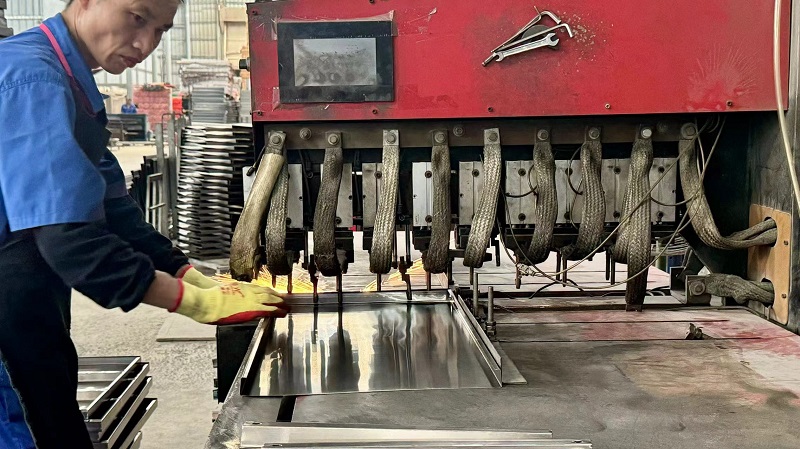
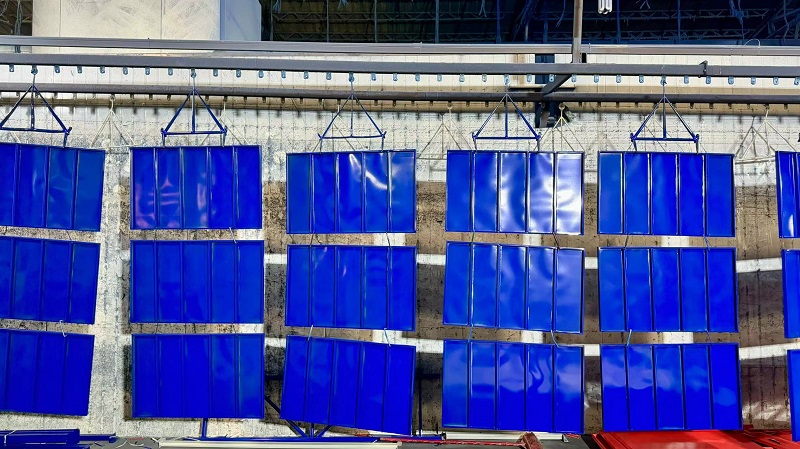
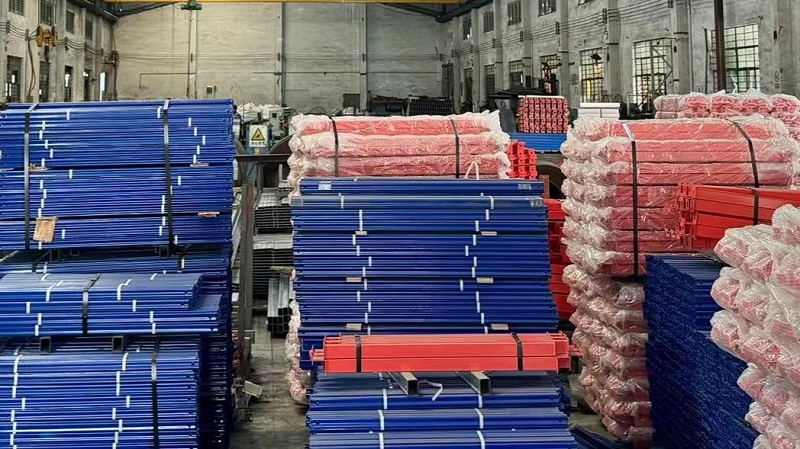
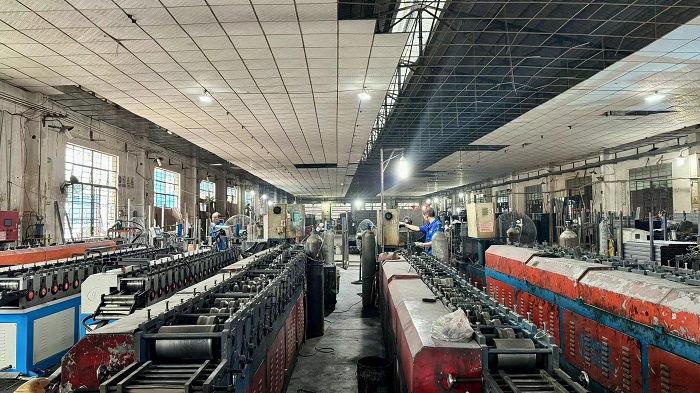
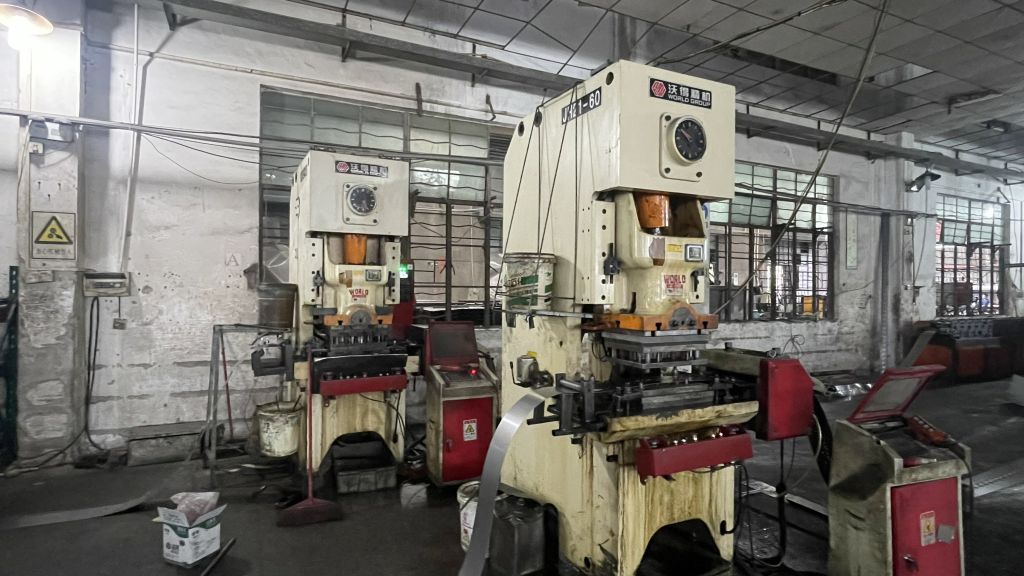
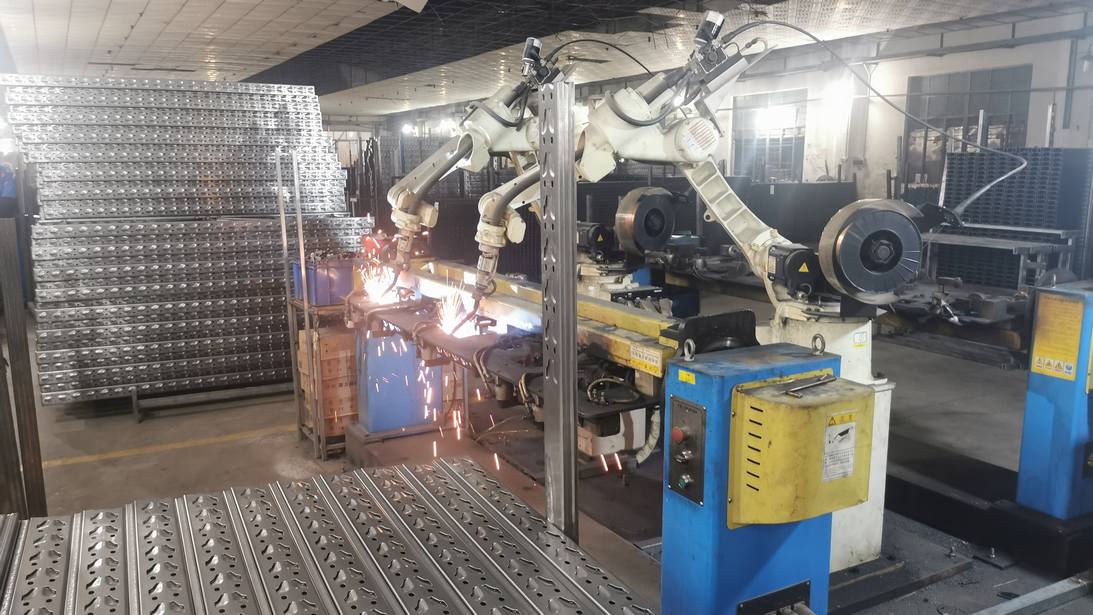
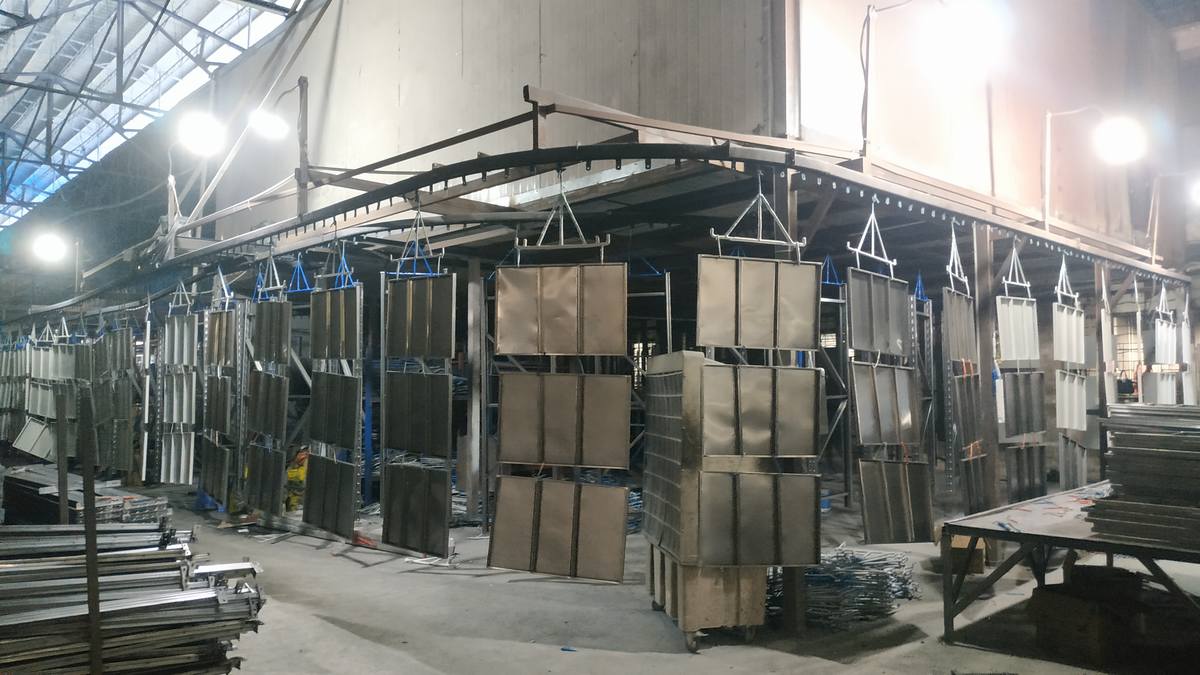
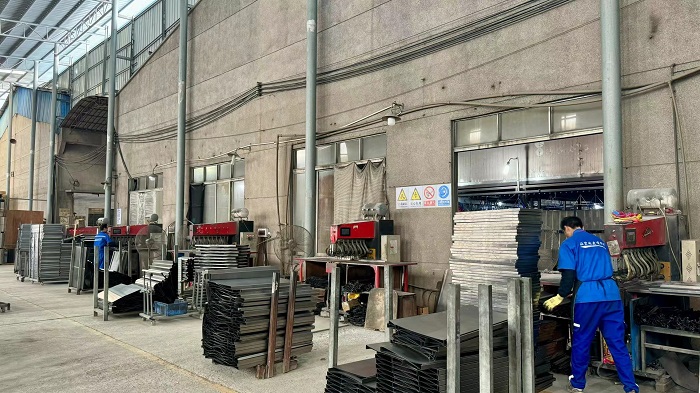
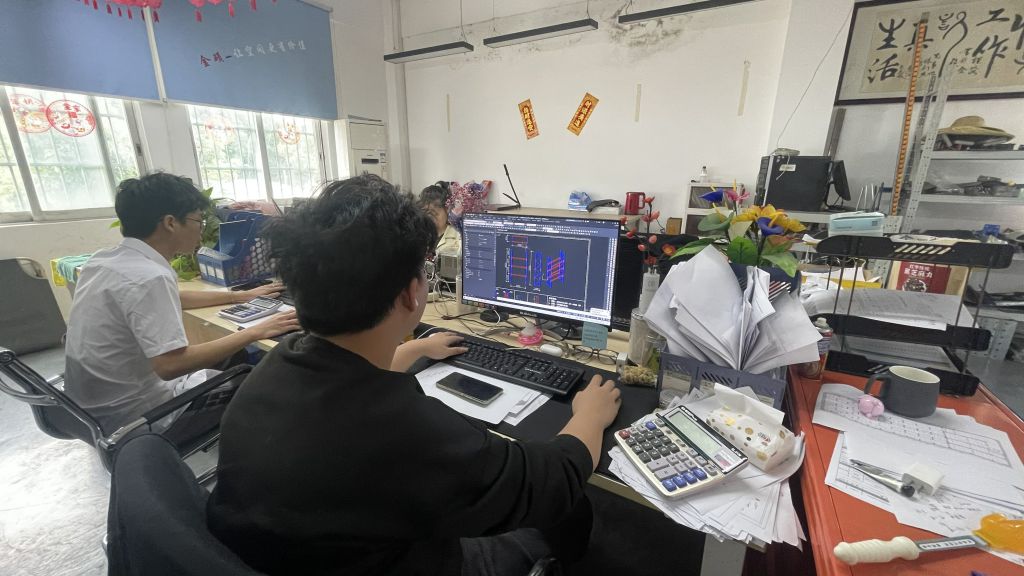
Bespoke racking solutions engineered for reliability, safety, and maximum space efficiency.
Japan's structural safety standards (defined by the Building Standard Law and Japanese Industrial Standards) require racking systems to withstand vertical load and horizontal acceleration forces. Our engineering department designs customized cross-bracing and structural upright columns to counter seismic forces. We calculate the safety factor using physical load limits, guaranteeing stable storage even during earthquake-induced sway.
By replacing standard racking with custom-configured cantilever structures, warehouses can realize up to a 60% increase in storage capacity. We optimize forklift corridor dimensions and implement space-saving double-sided columns to turn unutilized vertical spaces into high-density storage bays for long, heavy cargo.
Technical answers regarding compliance, importing, installation, and custom engineering for Japan.
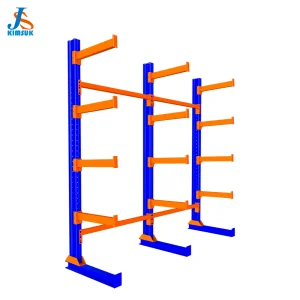
Explore our wider range of single-sided, double-sided, and dynamic telescopic rack systems designed for Japan.


 Kimsuk Storage