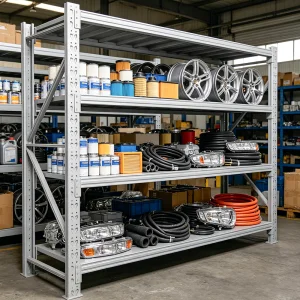
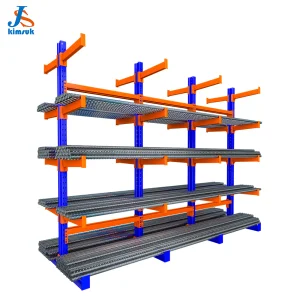
Engineered to integrate seamlessly with Autonomous Mobile Robots (AMRs), Automated Guided Vehicles (AGVs), and high-reach shuttle systems in modern Melbourne logistics parks.
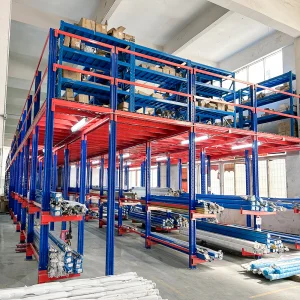

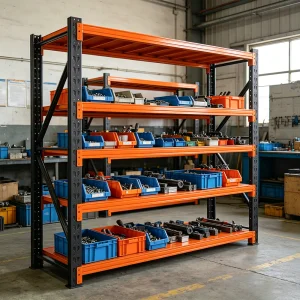
As Victoria's premier import-export gateway and transport hub, Greater Melbourne—stretching from the logistics clusters in Truganina, Derrimut, and Altona in the west, to the manufacturing strongholds of Dandenong South and Campbellfield—is undergoing a rapid transformation. With the Port of Melbourne handling record container throughput, companies face critical challenges: soaring urban land rents, labor constraints, and the urgent need for same-day fulfillment capabilities.
To remain competitive, Tier-1 and Tier-2 logistics providers are migrating from legacy manual operations to automated configurations. This transition is not merely about introducing Autonomous Mobile Robots (AMRs) or Automated Guided Vehicles (AGVs) onto the warehouse floor. Rather, it requires a complete rethinking of physical warehouse racking architecture. Robotic systems demand structural tolerances far tighter than manual operations. For example, standard pallet racking installed for manual forklifts allows a deflection limit of L/200; however, laser-guided AGVs and automated shuttle units frequently require tolerances under L/300 or L/400 to prevent sensor misalignment or lifting faults.
Our solutions target these specific structural tolerances. By integrating premium Q235B or Q355B high-tensile steel structural racking platforms, we provide Melbourne warehouse operators with the foundational stability needed for next-generation automated picking, sorting, and palletizing systems. Whether you are running a cold-storage facility in Truganina or a heavy machinery hub in Dandenong, our designs ensure compatibility with all major AMR and automated forklift brands operating globally.
When transitioning to automated fleets, structural tolerances and surface engineering dictate operational success.
Robotic guidance systems rely on millimetric precision. Standard steel racking structures can sway slightly under dynamic loads. We design customized heavy-duty upright profiles with reinforced bracing to ensure deflection rates align strictly with robot manufacturer thresholds, preventing automated picking faults.
Every industrial storage structure exported to Melbourne complies with Australia's recently updated racking safety code, AS 4084-2023. Our engineering processes are backed by finite element analysis (FEA) to confirm stability, seismic loading resistance for Victoria, and reliable multi-tier structural design.
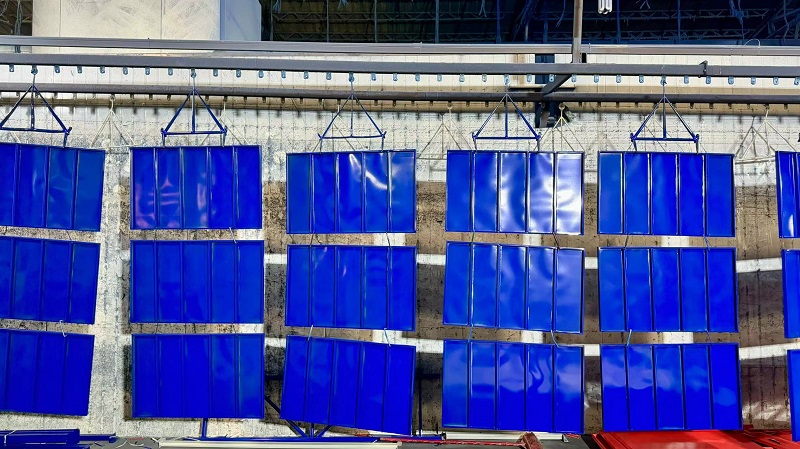
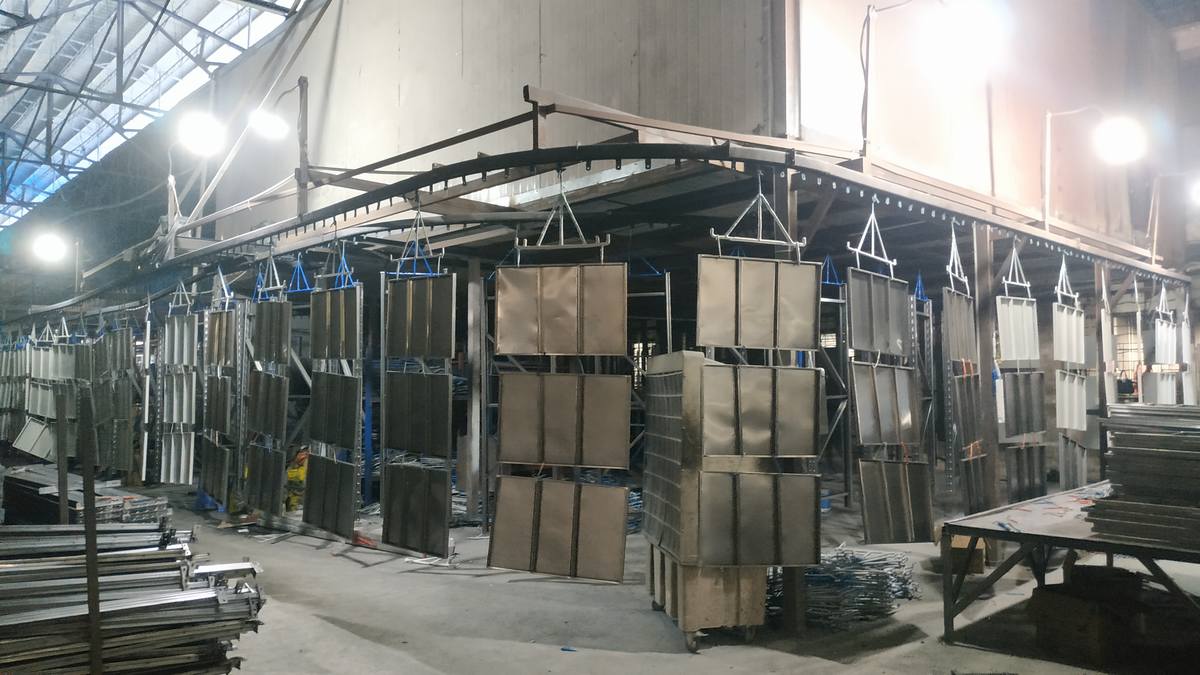
Our structures feature localized design integrations including sensor brackets, safety net backstops, and customized baseplates. High-wear components are coated with high-durability electrostatic thermosetting powder coatings to resist continuous scraping from automated chassis.
Engineered for warehouse managers and logistics coordinators seeking to scale their vertical storage capacity safely.
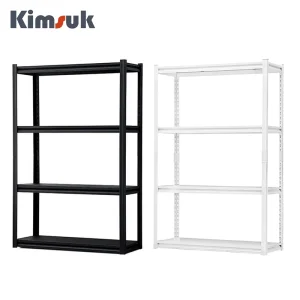
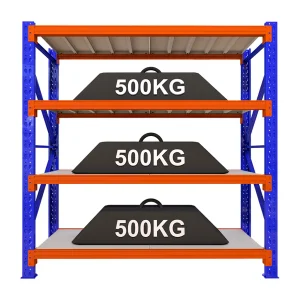

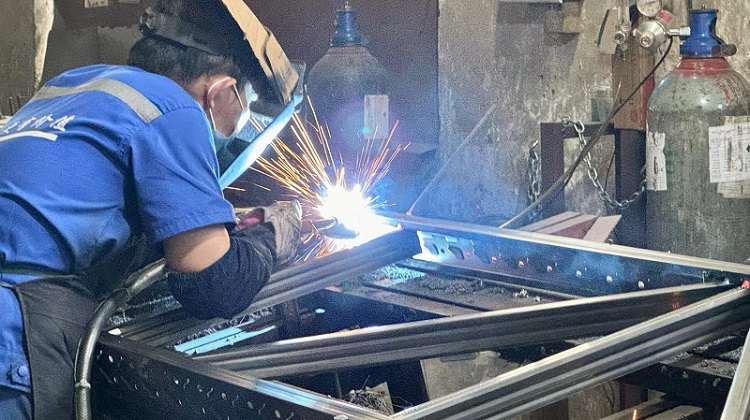
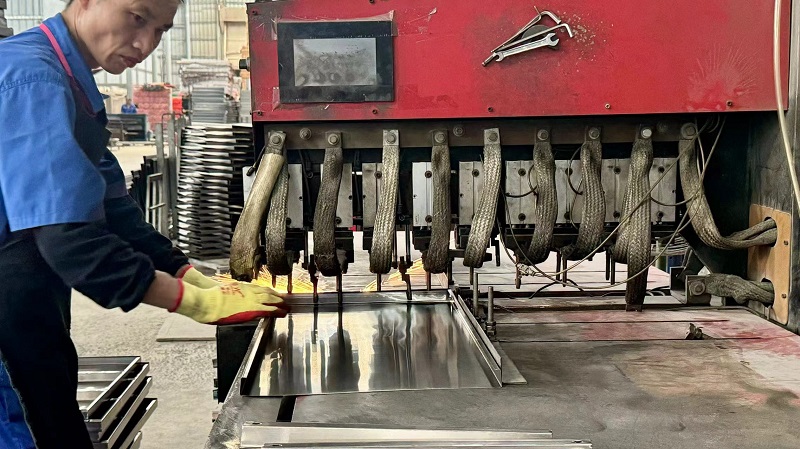
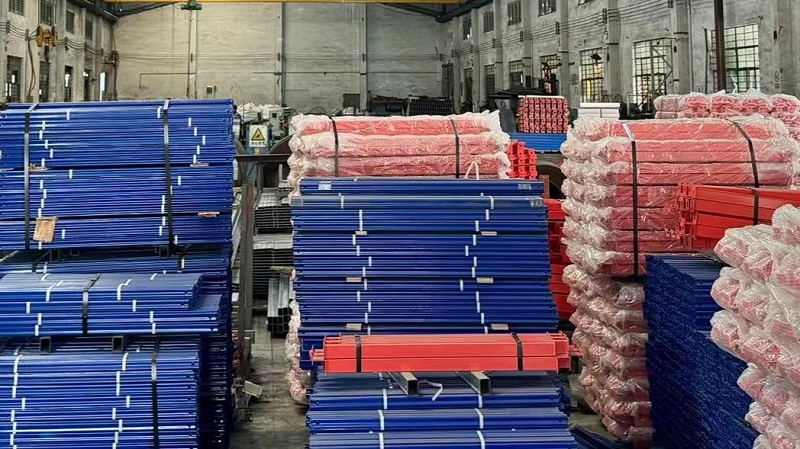
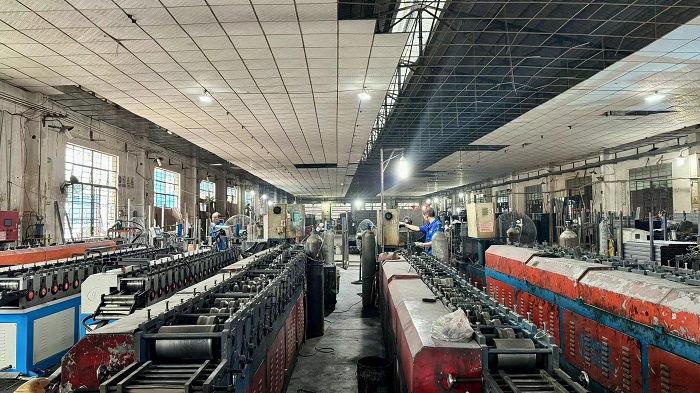
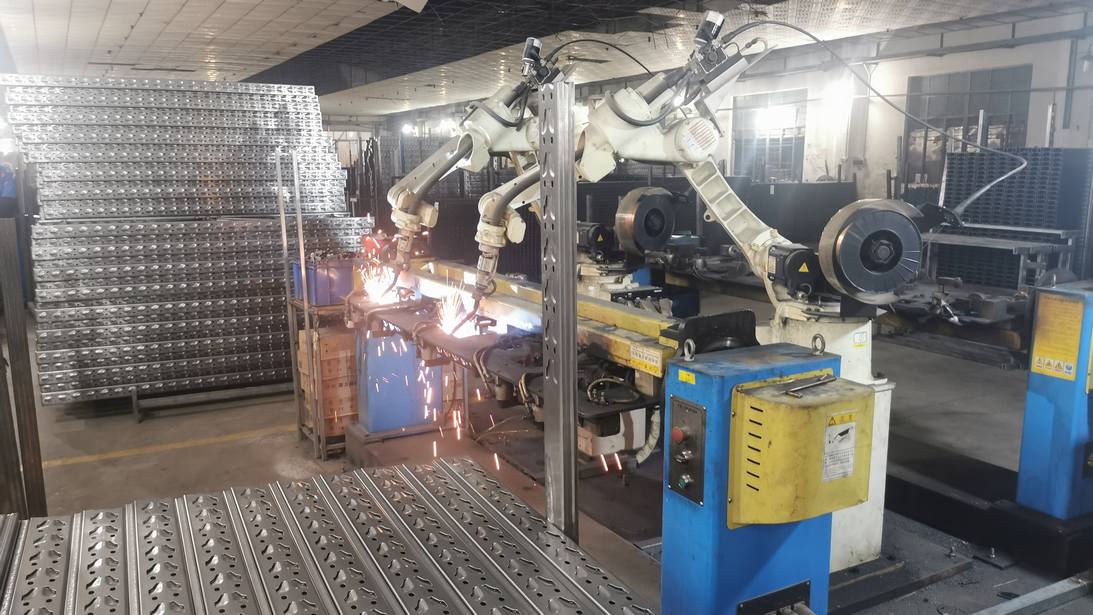
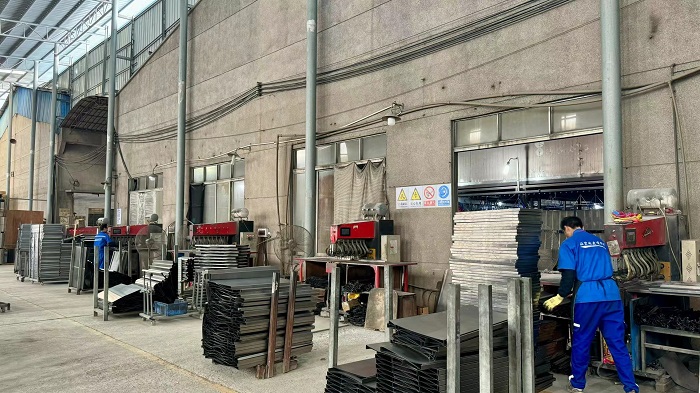
Established in 2016, Shenzhen Kimsuk Storage Equipment Manufacturing Co., Ltd. specializes in the design, manufacturing, and global supply of high-grade warehouse storage infrastructure. Operating from an expansive 18,500㎡ facility, we construct reliable, precision-engineered pallet racking and mezzanine configurations designed to handle the heavy demands of modern automated logistics centers.
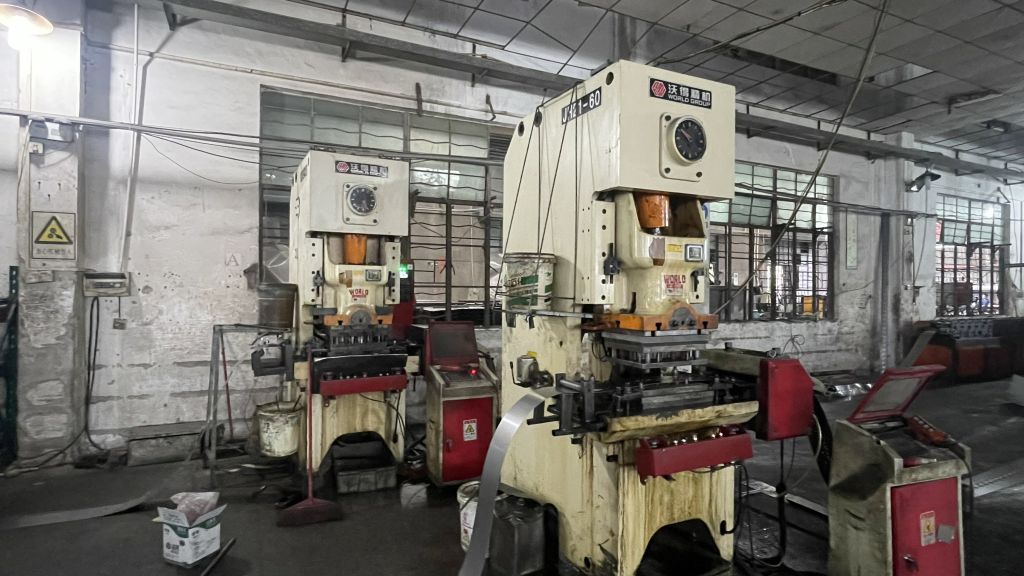
With an annual export revenue of approximately $12 million and 14 years of total industry experience, Kimsuk implements a rigorous QC system to guarantee the structural integrity of every manufactured unit. Our facility houses dedicated testing equipment, including laser measurement devices, coating thickness gauges, and heavy load testing machinery. Led by 18 R&D engineers and 45 experienced inspectors, we ensure our steel products align with global logistics requirements.
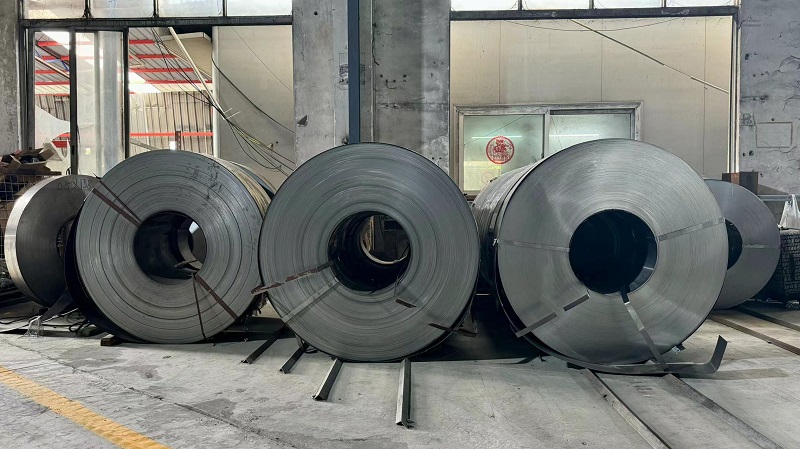
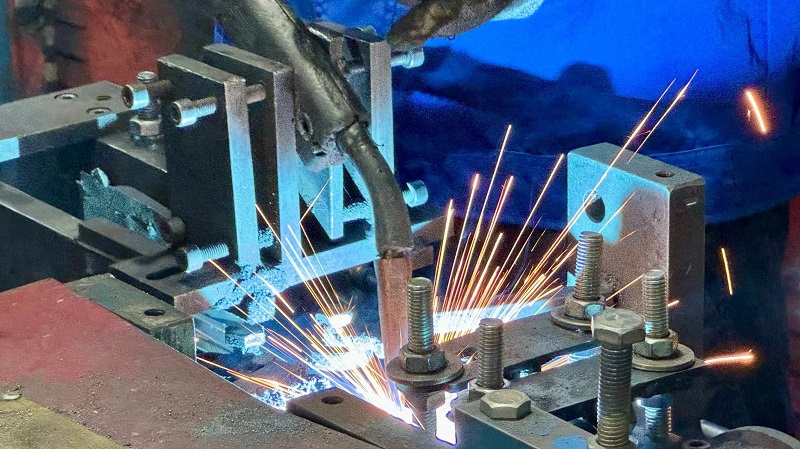
The convergence of artificial intelligence, robotic mobility, and high-density industrial fabrication is shifting the warehouse landscape. Over the next five years, storage structures will transition from passive physical assets to dynamic components of automated systems. Our research and development focuses on three primary pillars:
We are developing high-tolerance, multi-directional shuttle racking tracks that allow automated carts to transition between levels without needing vertical elevators, cutting cycle times by up to 35%.
Future structural uprights will feature embedded load-strain gauges. If a forklift collides with an upright or an AMR experiences an overload event, structural data is sent directly to management software, mitigating risk.
To support corporate ESG goals, we are transitioning to low-emission powder coatings and sourcing structural steel containing up to 45% recycled materials, helping Melbourne operations minimize their carbon footprints.
Crucial guidelines for Melbourne supply chain executives and logistics project managers.
All racking components shipped to Melbourne are designed and engineered in compliance with AS 4084-2023. Our steel manufacturing process utilizes premium certified Q235B and Q355B structural steel, and we perform finite element analysis to ensure every layout matches target load capacities and local seismic regulations.
While manual systems allow upright deviations up to 10-15mm over the height of a rack, AMR-driven systems require structural variances under 3-5mm. Our manufacturing lines run specialized stamping and punch tooling to deliver precision alignment within ±0.5mm tolerances.
Typically, production takes 20 to 30 days depending on system customization. Maritime shipping from Shenzhen port to the Port of Melbourne takes approximately 18 to 22 days, backed by sea freight tracking for on-site container planning.
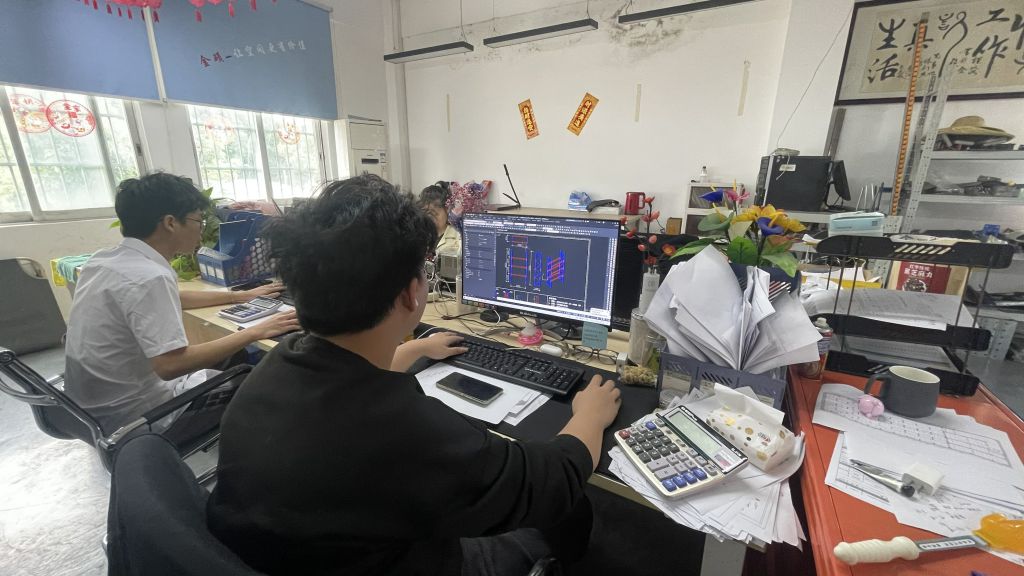
Yes. We provide complete CAD design support. Our engineering department can customize overall dimensions, load capabilities, and finishing colors to match your corporate branding or the warning indicators required for automated workzones.
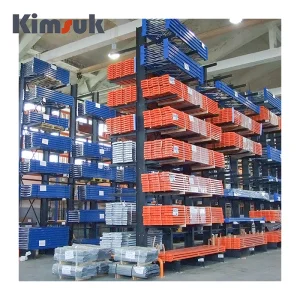
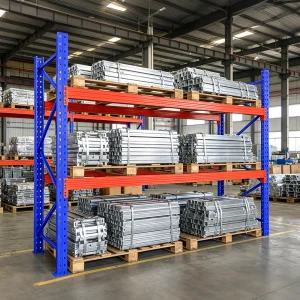
High-durability racking configurations optimized for automated picking and heavy-capacity payloads.


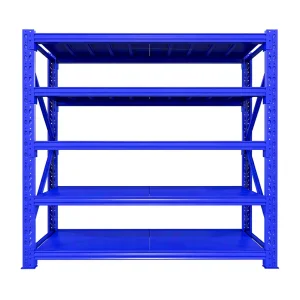
Connect with our structural design team to request custom layout drafts and loading computations for your local operations.
Request Custom Structural Racking Quote Kimsuk Storage