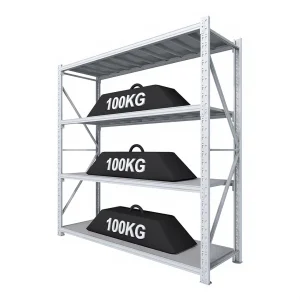
Explore our state-of-the-art heavy-duty storage racks engineered for global logistics, e-commerce, and industrial supply chains.
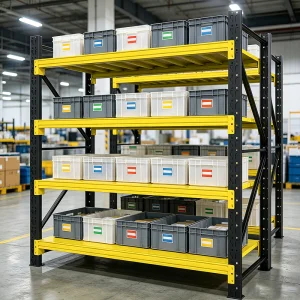
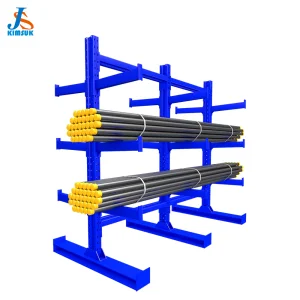
An in-depth analysis of high-density material handling, structural integrity, and supply chain logistics optimization.
In the contemporary landscape of global logistics, retail fulfillment, and heavy manufacturing, the design and integration of industrial storage solutions represent a fundamental element of operational productivity. The exponential rise of e-commerce, coupled with the systemic shift toward automated material handling, has necessitated a parallel evolution in structural racking frameworks. Hanging racks, cantilever systems, and heavy-duty selective pallet structures are no longer treated as passive assets; they are dynamic components that dictate the throughput speed, storage density, and structural safety parameters of modern supply chains.
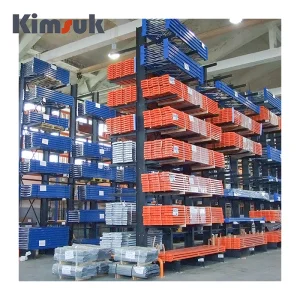
On a global scale, corporations are under intense pressure to maximize spatial efficiency. As urbanization drives land valuation upward, industrial facilities are expanding vertically rather than horizontally. This structural pivot requires racking systems with unprecedented load capacities, tight tolerances, and superior resilience against seismic and structural stresses. From e-commerce apparel distribution hubs demanding high-capacity garment hanging systems to heavy manufacturing yards requiring 6-meter-high cantilever structures for raw steel panels and timber, custom-designed racking systems form the backbone of modern material management.
Procuring logistics infrastructure at an enterprise level introduces complex operational risks. International buyers from retail chains, distribution networks, and logistics providers consistently face major bottlenecks:
A premier global supplier with 14 years of heavy-duty industrial racking expertise.
Established in 2016, Shenzhen Kimsuk Storage Equipment Manufacturing Co., Ltd. stands as a leading global manufacturer specializing in high-performance warehouse storage equipment. Backed by 14 years of design and manufacturing experience, our enterprise facilitates the structural foundation of major retail distributors, e-commerce giants, 3PL providers, and heavy industrial contractors globally.
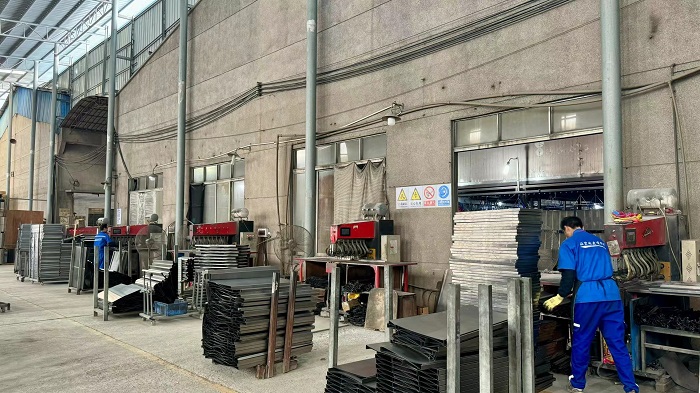
Our expansive 18,500㎡ production facility is engineered for continuous structural steel fabrication. We maintain a reliable network of over 850 supply chain partners, ensuring uninterrupted access to premium-grade raw steel, advanced chemical treatments, and high-strength fasteners. This robust logistics network allows Kimsuk to sustain an annual export revenue of $12 million, reliably exporting high-capacity pallet racks, cantilever systems, and structural mezzanines to North America, Europe, Australia, the Middle East, and Southeast Asia.
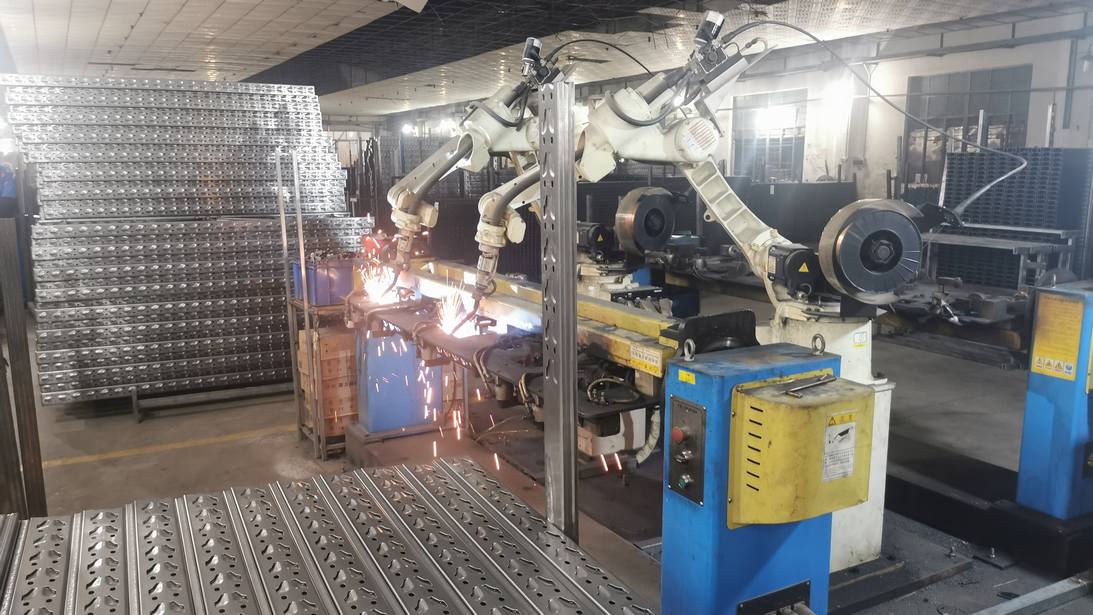
Safety is the primary metric of structural storage. Our dedicated quality assurance program covers raw material structural testing, robotic weld seam validation, coating thickness analysis, and load-deflection assessments. Using tools such as laser alignment sensors, digital coating thickness gauges, and precision load test platforms, our 45-member quality control team verifies that every manufactured racking run conforms strictly to rigorous global industrial tolerances.
High-precision structural production systems ensuring optimal load capacity and dimensional consistency.
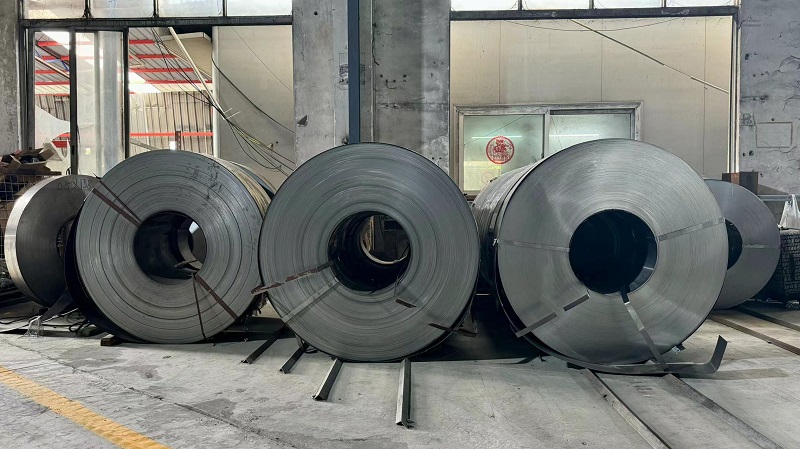
Structural steel coils tested for tensile strength and elasticity, ensuring high weight-bearing performance.
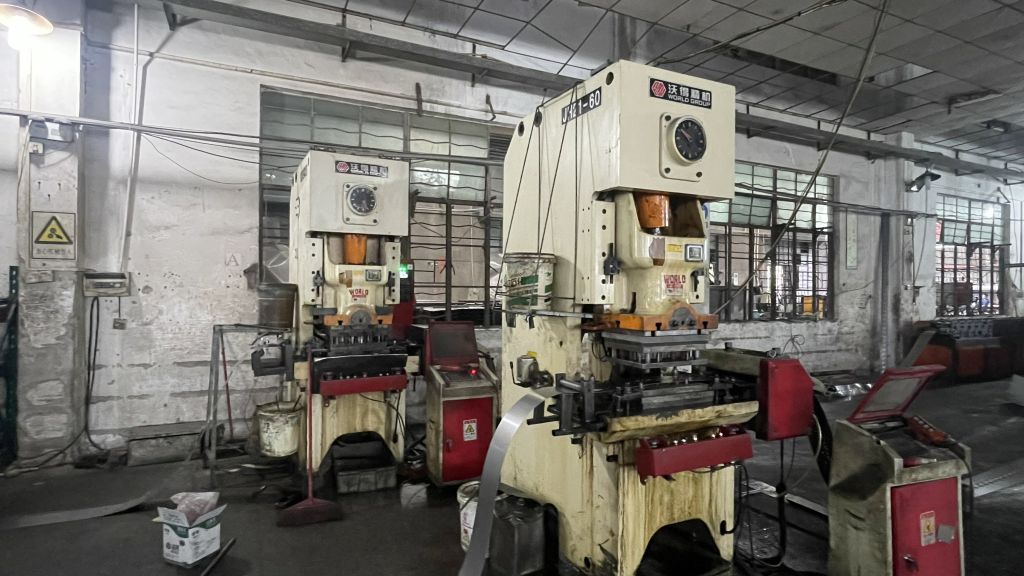
High-pressure stamping systems shaping structural profiles with minimal physical tolerance variation.
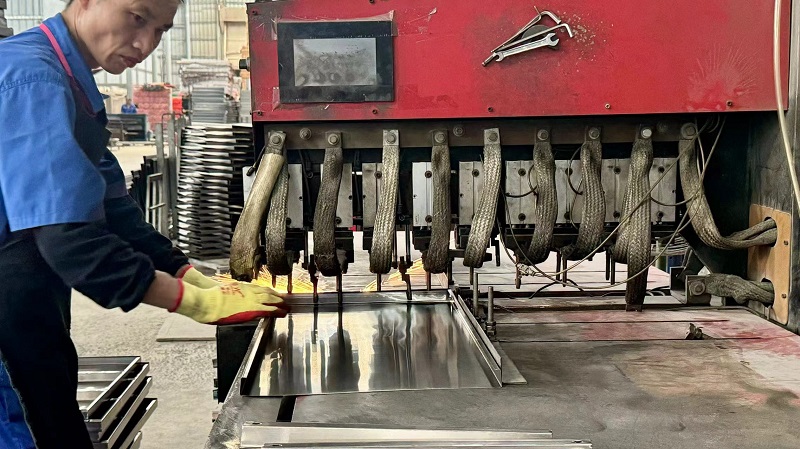
Automated multi-stage punching machines setting standard pitches for flexible adjustability.
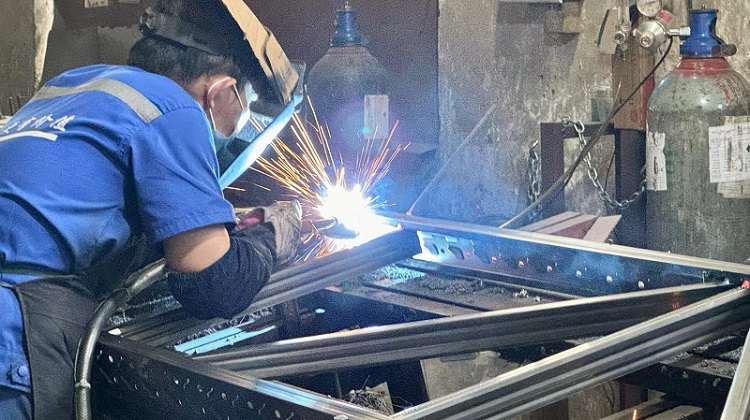
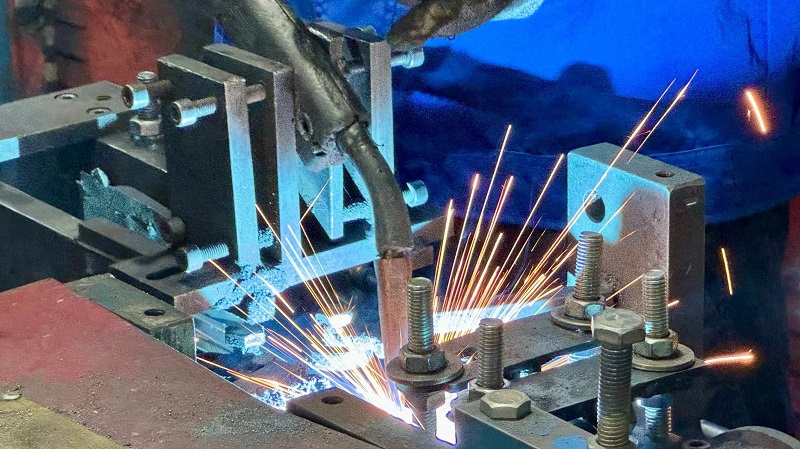
Gas metal arc welding (GMAW) processes guaranteeing seamless load transfer between beams and uprights.
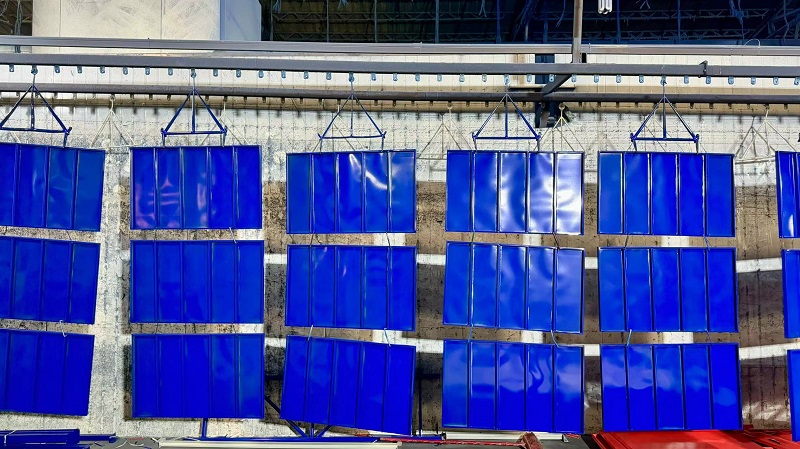
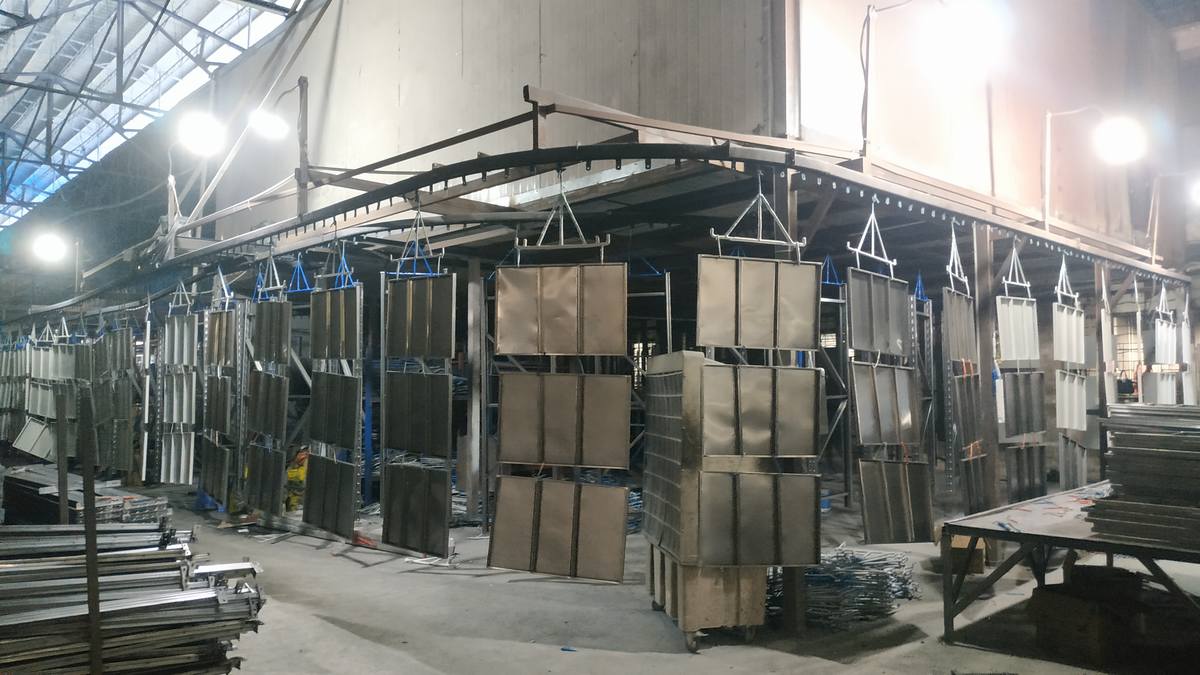
Cured thermosetting epoxy-polyester coatings protecting elements against moisture and dynamic abrasions.
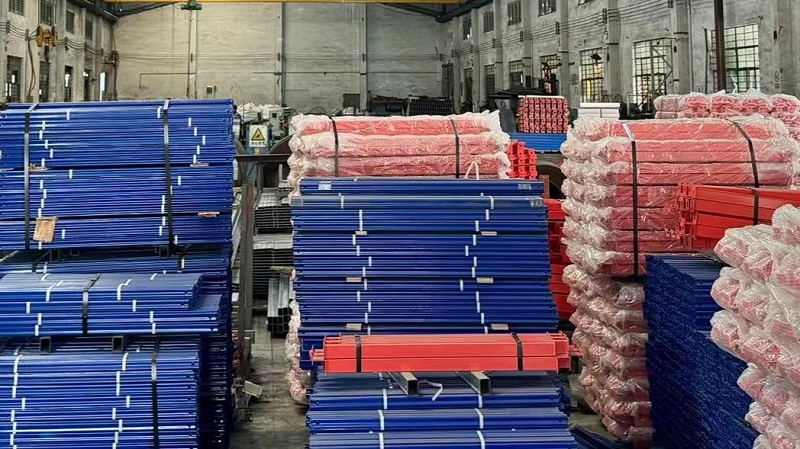
Pneumatic strapping, edge guards, and stretch-wrapping preventing shipping abrasions or impact damage.
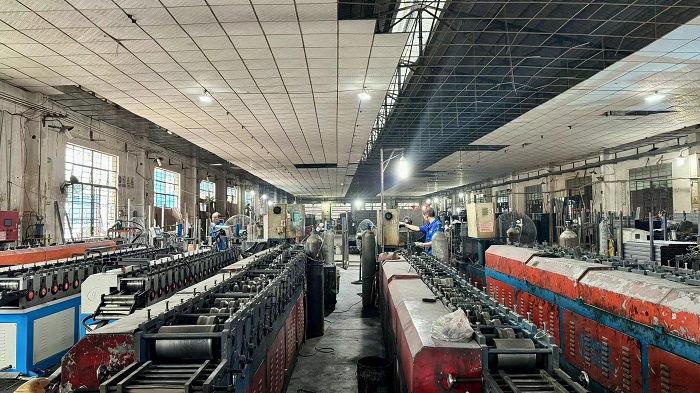
How distinct commercial ecosystems deploy custom-engineered racking configurations to optimize operational yield.
Modern fashion logistics centers demand heavy-duty multi-layer clothing hanging racks designed for high-density hanging garment storage. Combining static metal shelving systems with integrated overhead rail systems allows facility operators to store up to 500kg of hanging inventory per bay. This structural design mitigates material handling damage, optimizes processing for third-party logistics (3PL) providers, and accommodates automated pick-and-pack configurations.
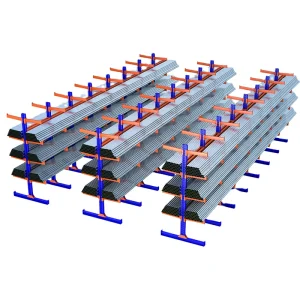
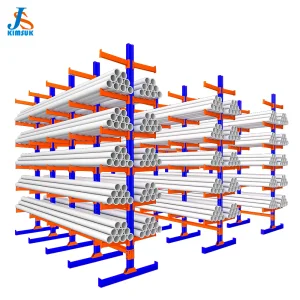
Storing long, heavy, or non-uniform raw materials like sheet metal, steel piping, and construction timber requires heavy-duty cantilever storage racks. Utilizing adjustable vertical structures that scale up to 6 meters in height, industrial facilities can maximize vertical storage space while maintaining direct access to each SKU. Bolted or boltless connections allow operators to quickly adjust arm configurations as inventory sizes evolve.
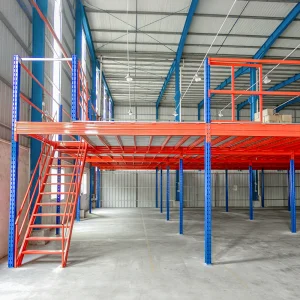
For operations limited by ground-level square footage, warehouse mezzanine flooring systems offer a cost-effective way to scale vertically. Integrating structural steel mezzanine floors with selective pallet racking allows operations to divide space into dedicated storage zones, packaging areas, or operational offices. This design supports heavy loads and integrates seamlessly with forklift and pallet-jack processes.
Automotive assembly plants require rugged, heavy-duty racking systems to store bulky assemblies, metal stamping dies, and vehicle roof racks. The selective pallet racking system, featuring high load capacities from 1 to 5 tons per bay, ensures secure storage and quick access to heavy components. This configuration minimizes downtime and helps maintain tight manufacturing schedules.
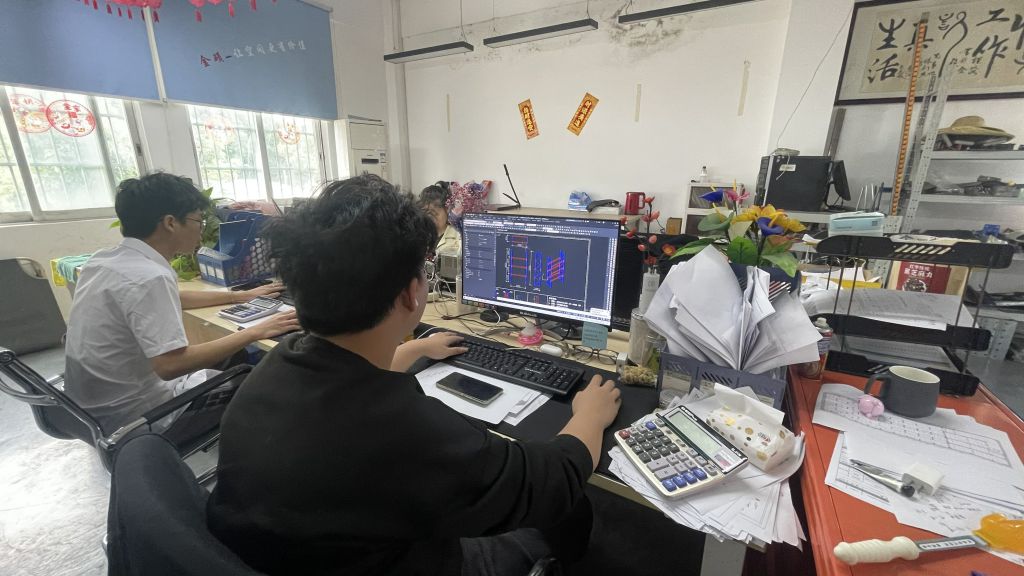
As logistics operations transition toward Automated Storage and Retrieval Systems (ASRS) and Autonomous Mobile Robots (AMRs), structural tolerances for racking must become much tighter. High-capacity racking systems must align with millimeter precision to prevent robotic handling errors, highlighting the value of computer-controlled stamping, punching, and automated weld checks during fabrication.
Environmental standards have driven progress in industrial paint curing technology. Electrostatic powder coatings are now formulated without harmful volatile organic compounds (VOCs) while offering excellent resistance to chipping, impacts, and oxidation. This makes them ideal for both temperature-controlled grocery zones and exposed manufacturing yards.
Fluctuating demand requires storage systems that can adapt quickly. Multi-layer storage configurations with adjustable upright pitches, snap-in hanging bars, and modular shelf extensions allow logistics operators to reconfigure their systems without purchasing new steel structures.
Critical engineering metrics and quality standards for evaluating overseas suppliers.
When sourcing industrial racking, global procurement directors must evaluate key technical specifications rather than focusing solely on cost. Below is a structured checklist for assessing supplier quality:
| Technical Spec Element | Standard Requirement | Operational Value |
|---|---|---|
| Steel Grade Material | Q235B or Q355B (Chinese standard) | Guarantees minimal deformation under peak load stress. |
| Coating Thickness | Minimum 60 to 80 microns | Prevents rust and surface degradation in high-humidity zones. |
| Load Deflection Ratio | Maximum L/200 under full load capacity | Ensures racking beams stay level to prevent load shifting. |
| Welding Verification | Robotic gas-shielded welding | Eliminates gas pockets and internal cracks at critical joints. |
Technical answers to key questions about industrial storage design and procurement.
Select from our range of structural solutions designed to improve warehouse storage capacity.


 Kimsuk Storage